
This article first appeared as part of the Daily Sensemaker newsletter – one story a day to make sense of the world. To receive it in your inbox, featuring content exclusive to the newsletter, sign up for free here.
Home secretary Shabana Mahmood is planning to slash the number of police forces in England and Wales. She has billed it as the biggest shake-up to policing in 200 years.
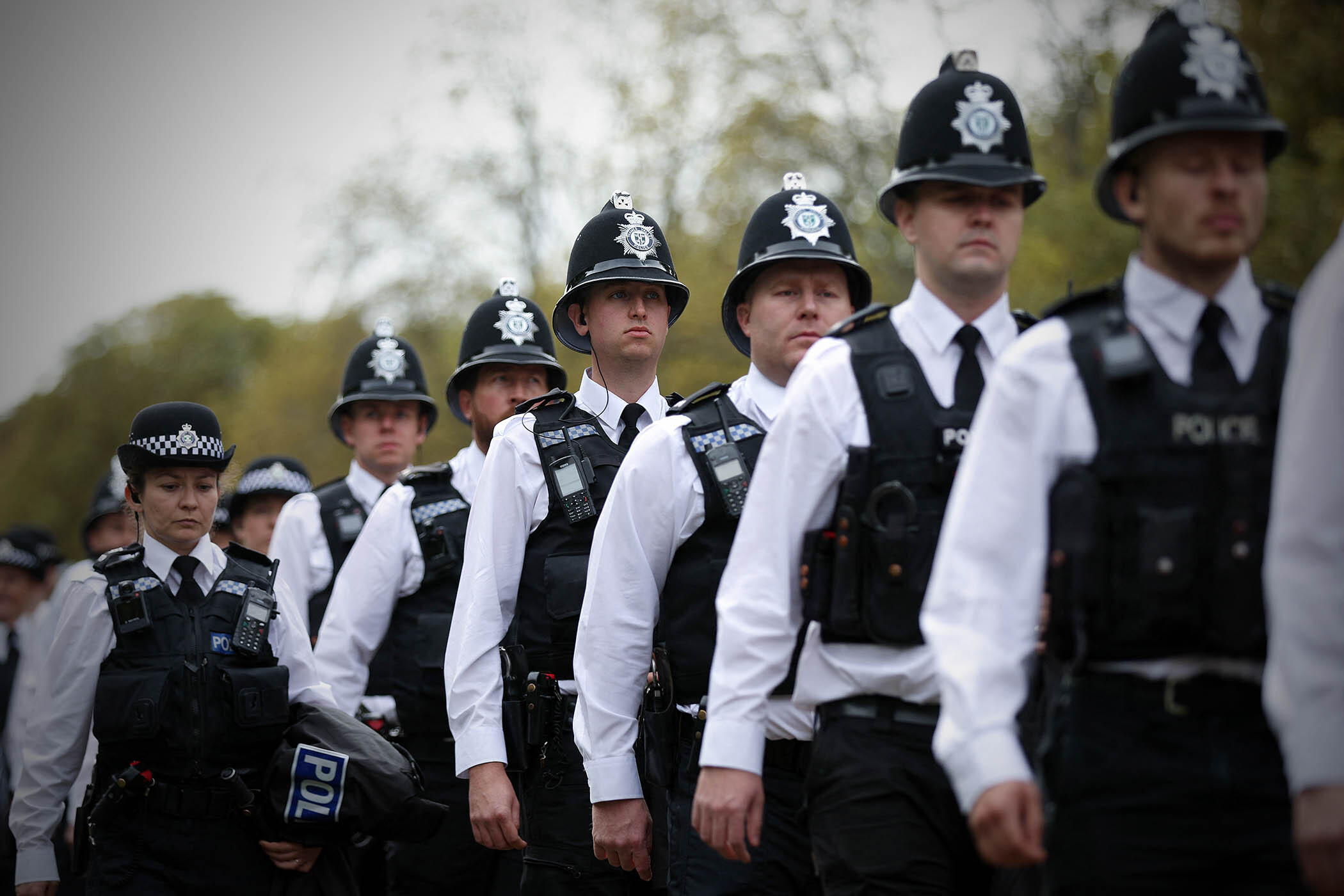
So what? England and Wales are currently policed by a patchwork of 43 forces, ranging from London’s Metropolitan Police (with 34,000 officers) to Warwickshire Police (1,110). There have been calls to overhaul this arrangement for decades, but attempts at reform have crumbled under political pressure. Merging these constabularies into larger, regional forces
•
will eventually help bring down costs, despite high upfront expenditures;
•
should improve policing, especially of complex and modern crimes; but
•
may undermine local policing and reduce accountability.
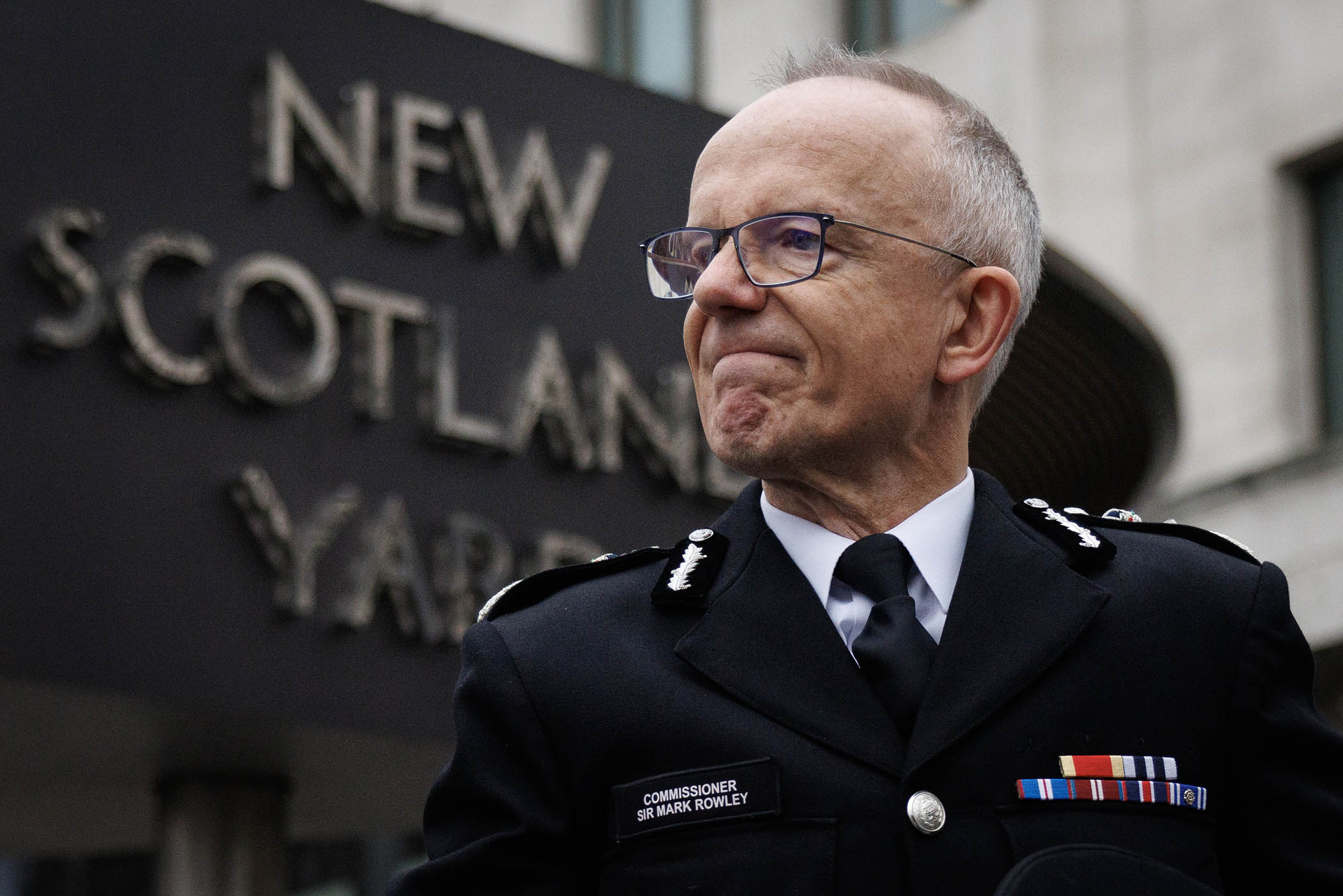
Making the case. Mahmood said yesterday that the police are “fighting crime in a digital age with analogue methods” and that 12,000 officers are “stuck behind desks”. Her diagnosis reflects that of Met chief commissioner Mark Rowley, who last year said that the current model “hasn’t been fit for purpose for at least two decades”.
Gangbusters. The new plans involve setting up a national police service akin to the FBI, tasked with tackling terrorism, fraud and organised crime.
Back in charge. It will be overseen by the home secretary, whose power to sack chief constables is being restored. This ability currently resides with elected police and crime commissioners but they are being scrapped by Labour as a “failed experiment.”
Coming together. Existing constabularies will be merged into a smaller number of larger regional forces, which will deal with public order and serious crimes like murder and sexual abuse. The exact number will be settled by a review due to report back in the summer. Rowley has recommended somewhere between 12 and 15.
Ground level. There will be “local policing areas” within these regional forces. They will tackle less serious crimes such as shoplifting, burglary and anti-social behaviour. Mahmood also announced an increased rollout of facial recognition technology to track down wanted suspects.
Working in silos. Under the existing system, dozens of small forces run their own accounting departments, call centres and computer systems. Despite being designed to police local communities, they are also dealing with organised criminals who do not respect constabulary boundaries, as well as modern crimes like online fraud. This is now the most prevalent type of crime, accounting for more than 40% of recorded offences.
Bringing it altogether. Rolling backroom functions into larger organisations will reduce duplication and save money, although the new mergers are not expected to be complete until 2034. Meanwhile handing fraud and murder cases to teams of specialists would free up bobbies to spend more time on the beat, while bringing more consistency to investigations.
Newsletters
Choose the newsletters you want to receive
View more
For information about how The Observer protects your data, read our Privacy Policy
Case in point. Scotland merged its eight regional constabularies into a single national force in 2013. It had a rocky start. But the experiences of rape survivors have improved and only one murder has gone unsolved, after responsibility for these crimes was handed to dedicated units. It is estimated that the merger saved more than £2bn over a decade.
Growing pains. There are already various forms of amalgamation across England. For example, five forces in the East Midlands have a shared unit that handles major crimes such as murder, human trafficking and money laundering. But other collaborations have foundered on disagreements over power sharing and budgeting.
The risk. Although the case for slimming down is strong, there are concerns that it could erode relationships with local communities, especially at a time when public trust in the police is close to record lows. There are also fears that it would concentrate too much power into the hands of the home secretary and the new national chief constable. And the cases of bullying and other misconduct that dog the Met demonstrate how difficult it is to hold large forces to account.
What’s more… Another worry is that the changes could politicise policing, especially since Reform has said politicians should be able to overrule independent police decisions.
Photograph by Alex Pantling/AFP/Getty Images