

This article first appeared as part of the Daily Sensemaker newsletter – one story a day to make sense of the world. To receive it in your inbox, featuring content exclusive to the newsletter, sign up for free here.
When Richard Hughes, chair of the Office for Budget Responsibility, took up his position in October 2020 he told The Observer it would be nice to have “some semblance of normality” following the early months of the pandemic.
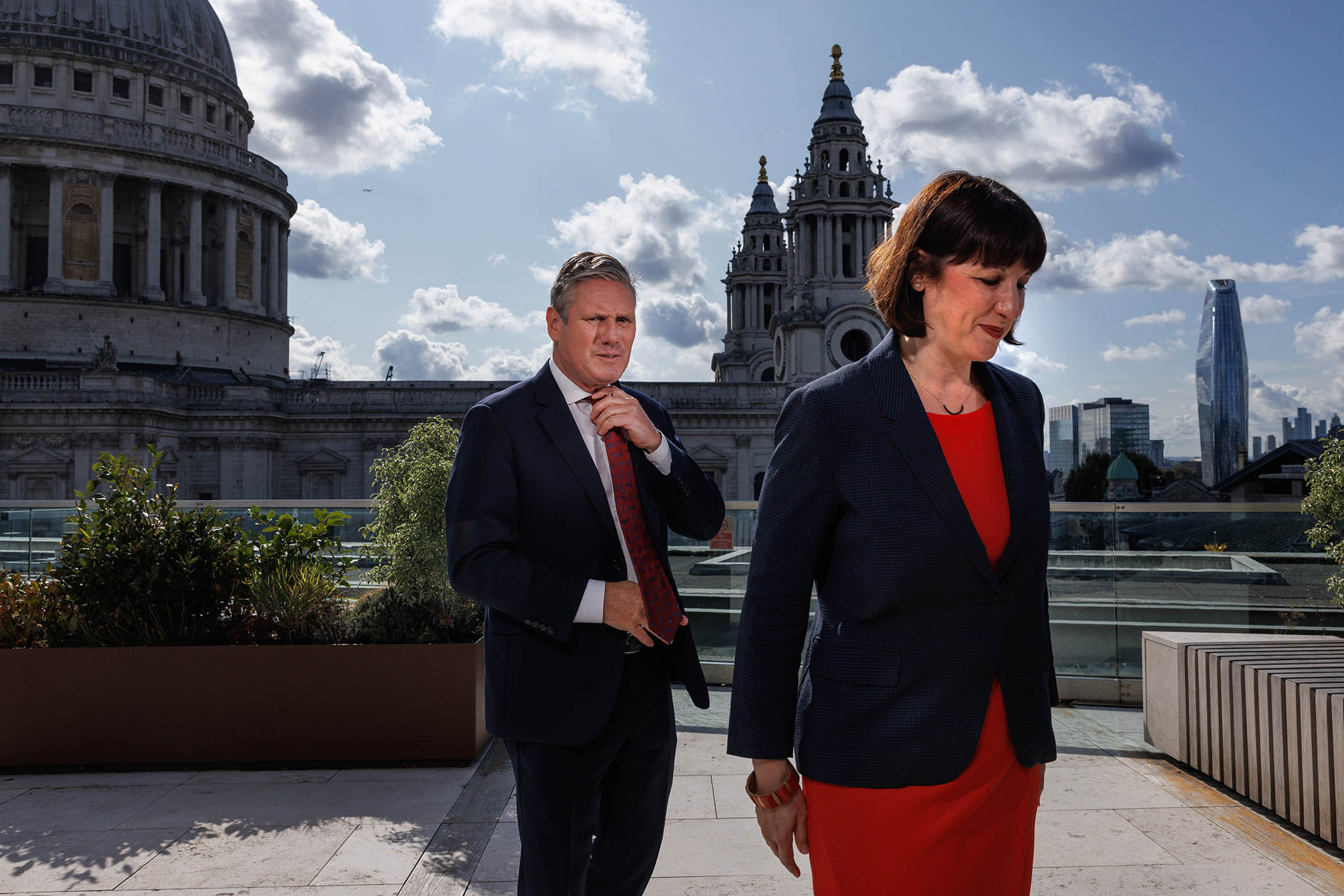
So what? This was wishful thinking. Hughes resigned yesterday after the UK’s fiscal watchdog accidentally leaked a budget document. But still in post is Rachel Reeves, accused of misleading the public because she chose not to share positive economic data from the OBR. These two actions
•
have thrust a tiny government department into the spotlight;
•
are overshadowing what could have been a prosaic budget; and
•
may yet determine the future of Keir Starmer and his Labour party.
Out of office. The Office for Budget Responsibility is an independent body of 52 permanent civil servants. Set up by George Osborne in the wake of the 2008 recession to enhance the credibility of official fiscal forecasts, it is funded by the Treasury and analyses public finances. One of its tasks is to issue an economic outlook report after the autumn budget.
The key word is after. At 11.30am last Wednesday an external developer uploaded the report to a draft part of the OBR website. The watchdog thought it would not be publicly accessible because of protections given by the WordPress system it uses. But five minutes later someone accessed the address. Reuters started publishing details of the budget at 11.41am.
Spoiler alert. The OBR page was visited a further 42 times before the chancellor Rachel Reeves delivered her budget speech at 12.35pm. Government bond yields dropped and the pound jumped as traders acted on the leaked information.
Mea culpa. In a report released yesterday, the OBR said its failure to protect details of the budget had “inflicted heavy damage” on its reputation. Because of market-sensitive data, it said any leaks “are to be greatly deplored”.
Tua culpa. The watchdog also pointed fingers at the Treasury for a lack of cash, which meant the online operation responsible for the leak was akin to that of a medium-sized business.
But still, it described what happened as the “worst failure” in its history.
Knives out. Starmer said yesterday morning that the OBR had made a “serious error”. Hughes resigned as chair a few hours later, repeating this exact formulation.
Newsletters
Choose the newsletters you want to receive
View more
For information about how The Observer protects your data, read our Privacy Policy
Watching the watchdog. Starmer has more than one grumble with the OBR. He defended Reeves from claims she was dishonest about the state of the public finances. The prime minister said he was “bemused” by the timing of a productivity downgrade, which he claimed necessitated tax hikes.
Who knew what when. The reality is that many people are bemused by a different bit of timing.
7 August: OBR sends confidential note to Treasury indicating it is lowering its productivity forecast by 0.3%
31 October: OBR tells chancellor the downgrade has been more than offset by an increase in wage growth and tax receipts
4 November: Reeves gives pre-budget speech in which she cites “pressures on productivity” and appears to ready Britons for an income tax rise
Funny that. When it later emerged that a plan to increase income tax had since been dropped, Treasury officials tried to suggest this was due to an OBR upgrade. But according to the watchdog, the forecast changed well before Reeves’s gloomy pitch-rolling exercise.
Beyond the bubble. This matters economically because talking down public finances impacts consumer and business confidence. It is important politically because Reeves – and Starmer – have precious little good will on which to rely.
Numbers and feelings. An Opinium poll for The Observer found only 15% of voters thought the budget was good and only 11% that it would benefit their personal finances. A Labour grandee said it showed that the party leadership had “no overall plan or purpose other than survival”.
Bigger picture. Survival may also be a priority for the OBR, which has been increasingly criticised for its influence over fiscal policy. Reeves strengthened the watchdog’s powers last year by allowing it to make forecasts when it sees fit and directly access Treasury data.
What’s more… There will be no greater irony than if this widened remit leads to the downfall of the chancellor herself. For now she is standing firm.
Photograph by Dan Kitwood/Getty Images