This article first appeared as part of the Daily Sensemaker newsletter – one story a day to make sense of the world. To receive it in your inbox, featuring content exclusive to the newsletter, sign up for free here.
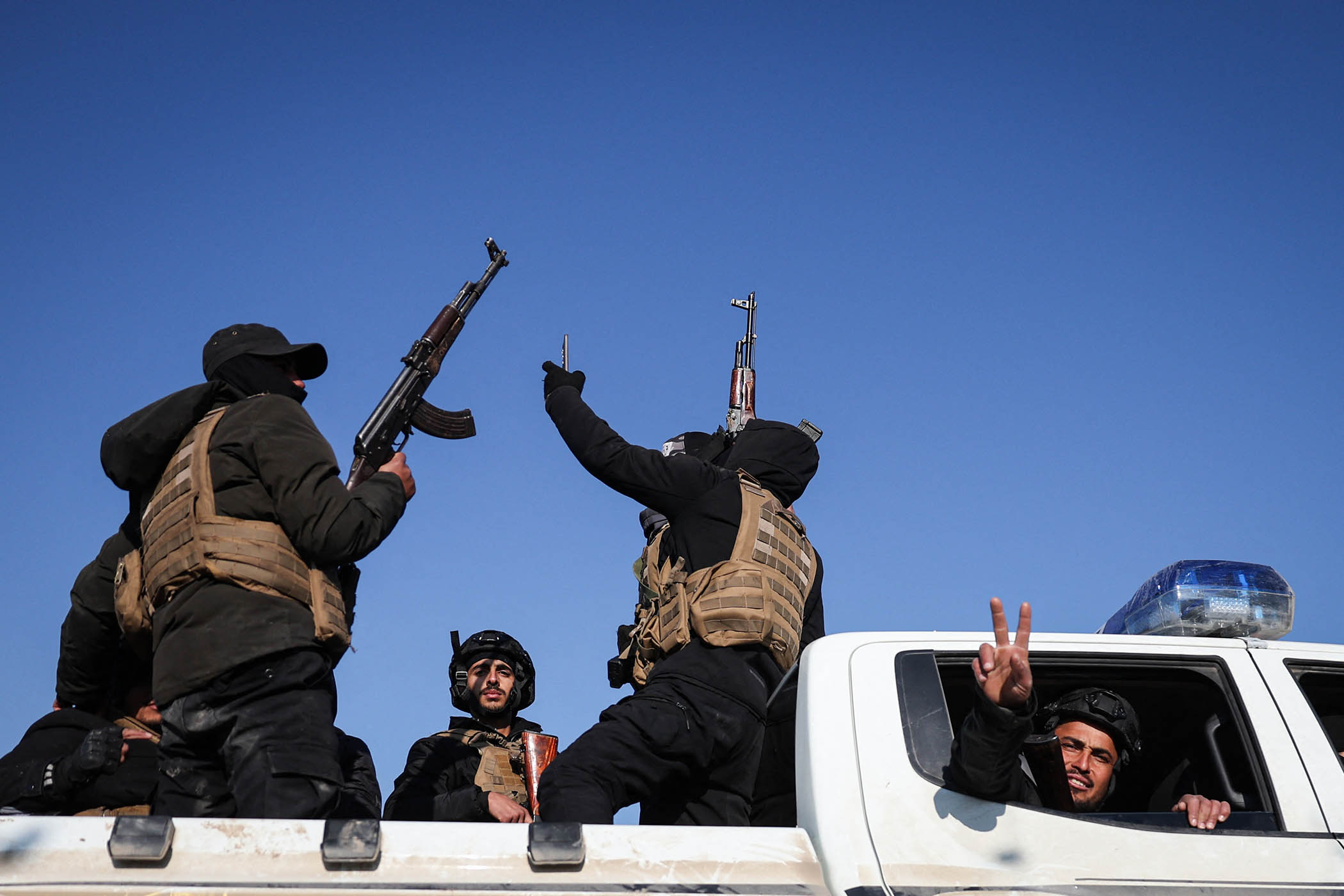
A ceasefire in northern Syria appears to have broken down, with new fighting between government forces and a US-backed Kurdish coalition.
So what? Seething over Greenland, Donald Trump has claimed in a letter to Norway’s prime minister that he has “stopped 8 Wars PLUS”. But Syria shows that peace, everywhere, is brittle. The country is witnessing the biggest power shift since the fall of Assad as president Ahmed al-Sharaa consolidates control. Renewed violence follows the government seizing a vast swath of Kurdish-held territory, and now it
•
is spreading to several prisons housing Islamic State members;
•
could spell the end of hopes for an independent Kurdish territory in Syria; and
•
has seen Damascus defy its backers in Washington, who have called for restraint.
The backdrop. The Syrian Democratic Forces is a Kurdish-led assembly of rebels, ideologically bound by feelings of historic discrimination. During the civil war it led the fight against the Islamic State, supported by the US, and carved out an autonomous territory in northeastern Syria. Continued American boots on the ground are a signal of Washington’s support for the group, even though it also backs Damascus.
The messiness. Since spearheading the insurgency that toppled the Assad regime, al-Sharaa has been determined to reunify Syria as its latest president. But an effort to integrate the SDF into the military and other institutional structures floundered last year. Meanwhile, Israel is encroaching on southern Syria to build – what it claims to be – a buffer between it and the new government.
Making his move. After announcing that he would enshrine protections for the Kurdish language and culture, al-Sharaa’s forces moved against the SDF. Arab militias in Raqqa and Deir ez-Zor subsequently defected from the coalition, ceding a large chunk of land to the government as Kurdish fighters retreated deeper into the northeast.
Hailed a triumph. By Sunday, the offensive appeared to be over when al-Sharaa claimed “victory for all Syrians” and SDF leader Mazloum Abdi publicly agreed to withdraw. The ceasefire gave Damascus control over crucial oil fields, gas reserves and border crossings. It also renewed the commitment to integrate Kurdish fighters into the Syrian army.
False dawn. But even as Abdi was expected in Damascus to sign the deal, others in his ranks were in no mood to cry peace. Fighting continued in northeastern Syria, including around three prisons holding suspected Islamic State members. Abdi signalled that the clashes may not be over, saying that his forces would protect hard-won territorial gains.
Flight risk. The Syrian army and the SDF traded accusations about battles around the prisons holding accused ISIS members, and there are fears that inmates could flee if security around others breaks down. There are tens of thousands of Islamic State detainees, from 70 countries, at sites across Kurdish-held territory. They have been there for years, in part because the international community has failed to formulate a plan for them.
Tightrope walk. After two major instances of bloodletting, targeting Syria’s Druze and Alawite minority last year, al-Sharaa’s government is under pressure to show it will do things differently this time. The former jihadist is courting investment from the Gulf and US to reconstruct the country. Another wave of killing may put a serious dent in his largely reformed international reputation.
Newsletters
Choose the newsletters you want to receive
View more
For information about how The Observer protects your data, read our Privacy Policy
Across the border, Turkey is watching closely. Last year Ankara signed a peace deal with the PKK, a Kurdish armed group, which ended its decades-long insurgency. This has brought about a fragile peace, even as questions linger about whether PKK fighters who have fought as part of the SDF in Syria will abide by it.
What’s more… Under the terms of the Syrian ceasefire, these fighters are obliged to leave the country. They could make their way to Iraq or Iran, where they may continue their struggle.
Photograph by Omar Haj Kadour/AFP via Getty Images