

This article first appeared as part of the Daily Sensemaker newsletter – one story a day to make sense of the world. To receive it in your inbox, featuring content exclusive to the newsletter, sign up for free here.
Ten days ago a Ukrainian drone flew across about 500km of Russian airspace and hit a plush residential skyscraper in southeastern Moscow, destroying two floors.
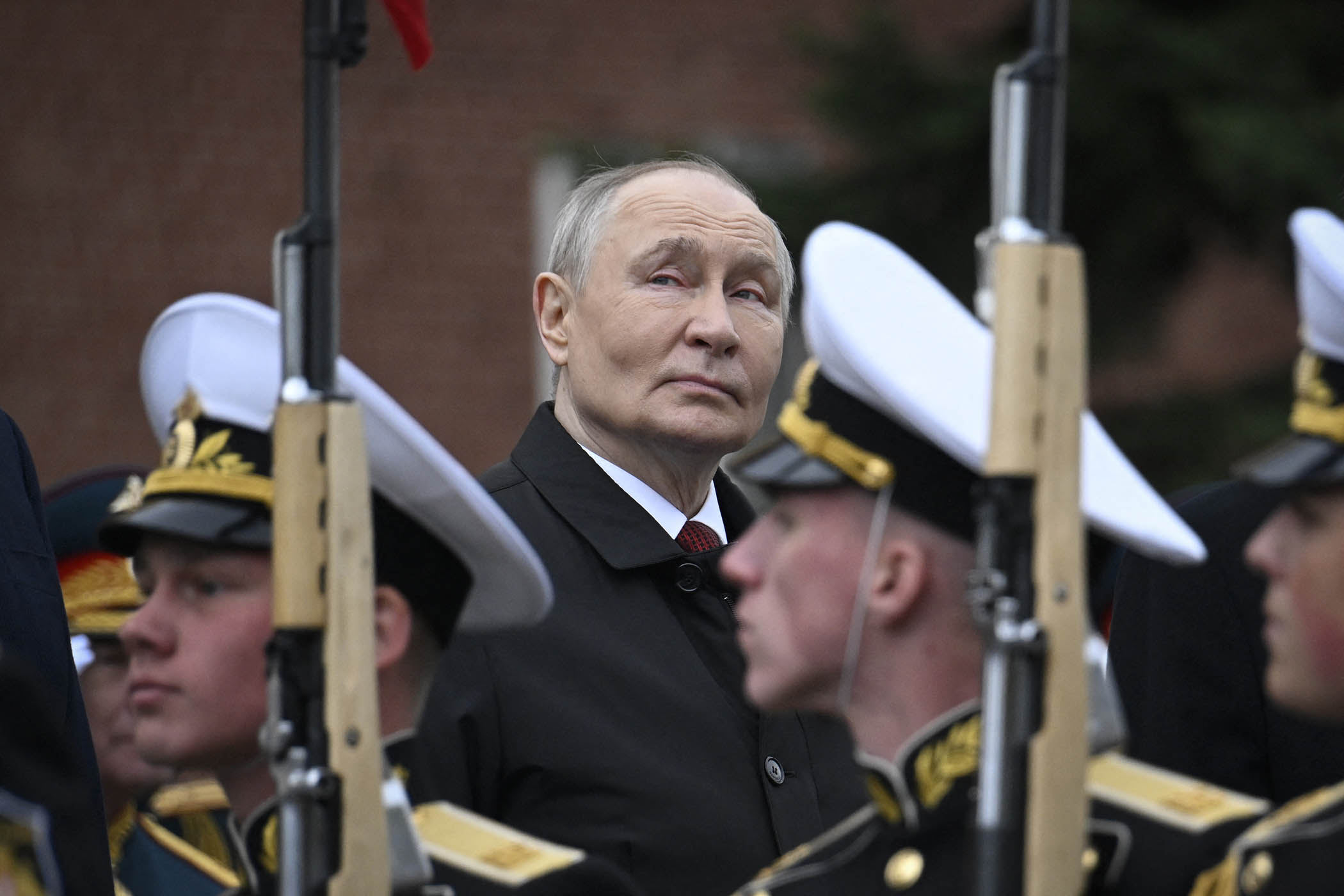
So what? Forget Iran for a moment. Oh, and Keir Starmer. Russia may be losing in Ukraine. The proven risk of drone strike humiliation on live TV was the reason President Putin decided not to stage a full-scale military parade on Russia’s Victory Day last weekend. Moreover,
•
longer-range Ukrainian drones have destroyed Russian jets 1700km east of Kyiv in the Urals;
•
a Washington thinktank says Russia lost territory last month for the first time since 2024;
•
more than 20 times as many Russian soldiers have died in Ukraine since 2022 than in ten years (1979-89) in Afghanistan, according to a new Russian estimate; and
Whisper it, western intelligence analysts say, but the tide may be turning.
They would say that, wouldn’t they? Not necessarily. The prevailing narrative throughout last year was of incremental Russian gains, unsustainable Ukrainian losses and essential American support that could not be relied upon because Trump was backing the wrong side.
This is still true. Trump continues to refuse to accept the basic facts of Putin’s motives, Ukraine’s needs and America’s deep interest in European security. But after multiple misreadings of Kremlin sophistry he is not the Putin groupie he was at the start of this war, and Ukraine is no longer so reliant on US weaponry.
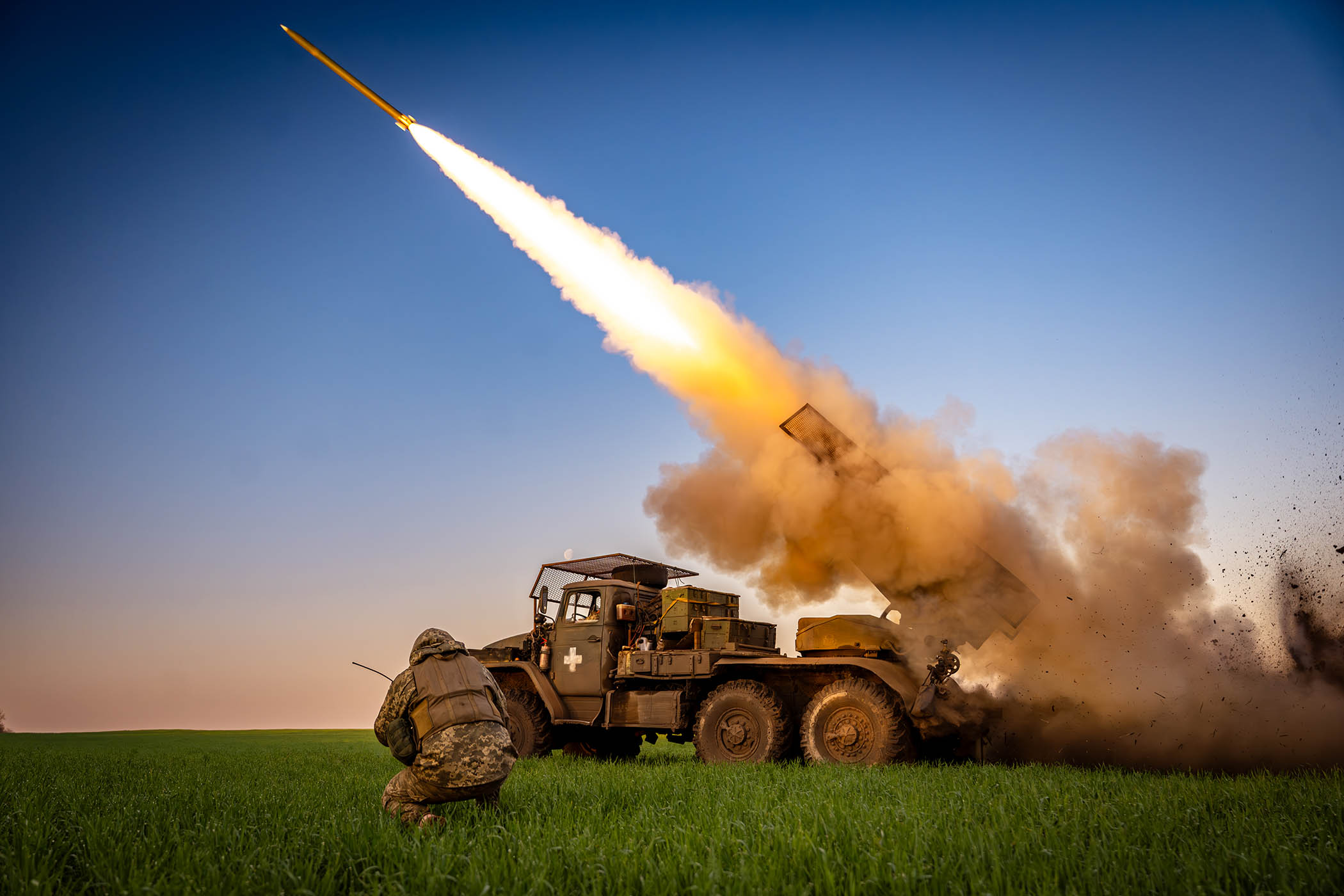
Those drones. Outnumbered in human terms, Ukraine has compensated with machines. Its “‘wall of drones’ defence has managed to blunt Russia’s manpower advantage”, Kimberly Kagan of the Institute for the Study of War wrote after a recent visit to the front.
•
Ukraine’s factories are producing five times more mid-range drones with distances of up to 300km than this time last year, President Zelensky says.
•
Shorter-range unjammable FPV drones are now Ukraine’s most effective weapon on the battlefield, where Ukraine claims to be inflicting 35,000 casualties a month on Russian troops, 62% of them fatal.
•
Ukraine also claims its interceptor drones are now shooting down 95% of incoming low-speed Russian drones, the Economist reports.
Another view. Recent so-called intelligence reports of a shift in favour of Ukraine “were either psyops to make Putin nervous ahead of [Victory Day] or just wishful thinking”, says Andrei Soldatov, author of The Red Web and one of the best connected Russian journalists in exile. “There is only one real fact, which is that the Russian army stopped making any progress on the battlefield, but it’s a far cry from ‘a tide turning’.”
No progress. A virtual stalemate three-and-a-half years old is indeed the defining feature of the war. This is not a Ukrainian victory but it is arguably a defeat for Putin: a million casualties, the ISW notes, to seize an area the size of Los Angeles County.
Some progress. Two changes this year have unquestionably been to Ukraine’s advantage.
•
Viktor Orbán’s defeat in Hungary’s election last month has deprived Putin of a personal wrecker in the EU and unblocked a €90bn loan to Ukraine intended to backfill lost American budgetary and military support.
•
Those long-range Ukrainian drones, including Flamingo cruise missiles, have brought most of western Russia’s oil infrastructure within range, forcing Moscow to cut production by up to 400,000 barrels per day.
As long as the Strait of Hormuz stays shut, high oil prices will more than compensate. When it opens, the Russian state treasury will feel the pain.
What’s more… In February, Elon Musk cut off Russian access to his Starlink satellite broadband network. Since then Russian drones that depended on it have been flying blind.
Photograph by Alexander Nemenov/AFP via Getty Images
Newsletters
Choose the newsletters you want to receive
View more
For information about how The Observer protects your data, read our Privacy Policy