
This article first appeared as part of the Daily Sensemaker newsletter – one story a day to make sense of the world. To receive it in your inbox, featuring content exclusive to the newsletter, sign up for free here.
The World Health Organisation has warned that the Ebola outbreak in the Democratic Republic of the Congo may be two times bigger than official numbers suggest.
So what? This is the DRC’s 17th Ebola epidemic, though experts fear that it could become the deadliest on record. The Bundibugyo variant, a rare strain of the virus, has hit the middle of a conflict zone, creating a perfect storm where there is
•
no approved vaccine;
•
a collapse in basic health care; and
•
deep levels of mistrust and misinformation in stricken communities.
The disease. Ebola is a severe virus that causes internal bleeding and fever. It is found primarily in sub-Saharan Africa and spreads through bodily fluids, with corpses remaining highly contagious for up to a week after death. The average case fatality rate is 50%.
The strain. There is no approved vaccine or treatment for the Bundibugyo strain. Although outbreaks in 2007 and 2012 were confined to remote areas where containment was easier, this new wave has hit a vital commercial corridor connecting the DRC to the rest of East Africa.
Eye of the storm. Ituri, the epicentre of the outbreak, is mired in conflict as rival militias, notably the Rwandan-backed M23, battle over minerals and imperil access to healthcare.
Challenge one. The deadly 2014-16 Ebola epidemic in West Africa – and most historical outbreaks in the DRC – involved the Zaire strain, so global health organisations built diagnostic tools largely for that variant. When the current crisis began, local clinics relied on these tests. These false negatives allowed the Bundibugyo strain to spread undetected for weeks.
Challenge two. Contact tracing is key to halting transmission. But operating in a region controlled by armed groups, or providing care in rebel-held territory and crowded refugee camps, has posed major difficulties.
Newsletters
Choose the newsletters you want to receive
View more
For information about how The Observer protects your data, read our Privacy Policy
Challenge three. Treatment centres have been burned down in anger over families not being able to say goodbye to loved ones. Misinformation about Ebola being a hoax, or about healthcare workers using bodies for organ trafficking, has catalysed suspicion and fear.
Bigger picture. Local hostility stems from years of poor medical interaction in previous epidemics. During the 2018-20 outbreak in the DRC, infected individuals were forcibly taken to contained areas with no clear communication. Some international NGOs were also accused of sexually abusing local health personnel.
What’s more… The evaporation of USAID funding has forced multiple health centres to close in Ituri. This loss, paired with weak local infrastructure, has crippled virus surveillance. Even if a vaccine is rolled out, this could still end up being the region’s worst-ever epidemic.
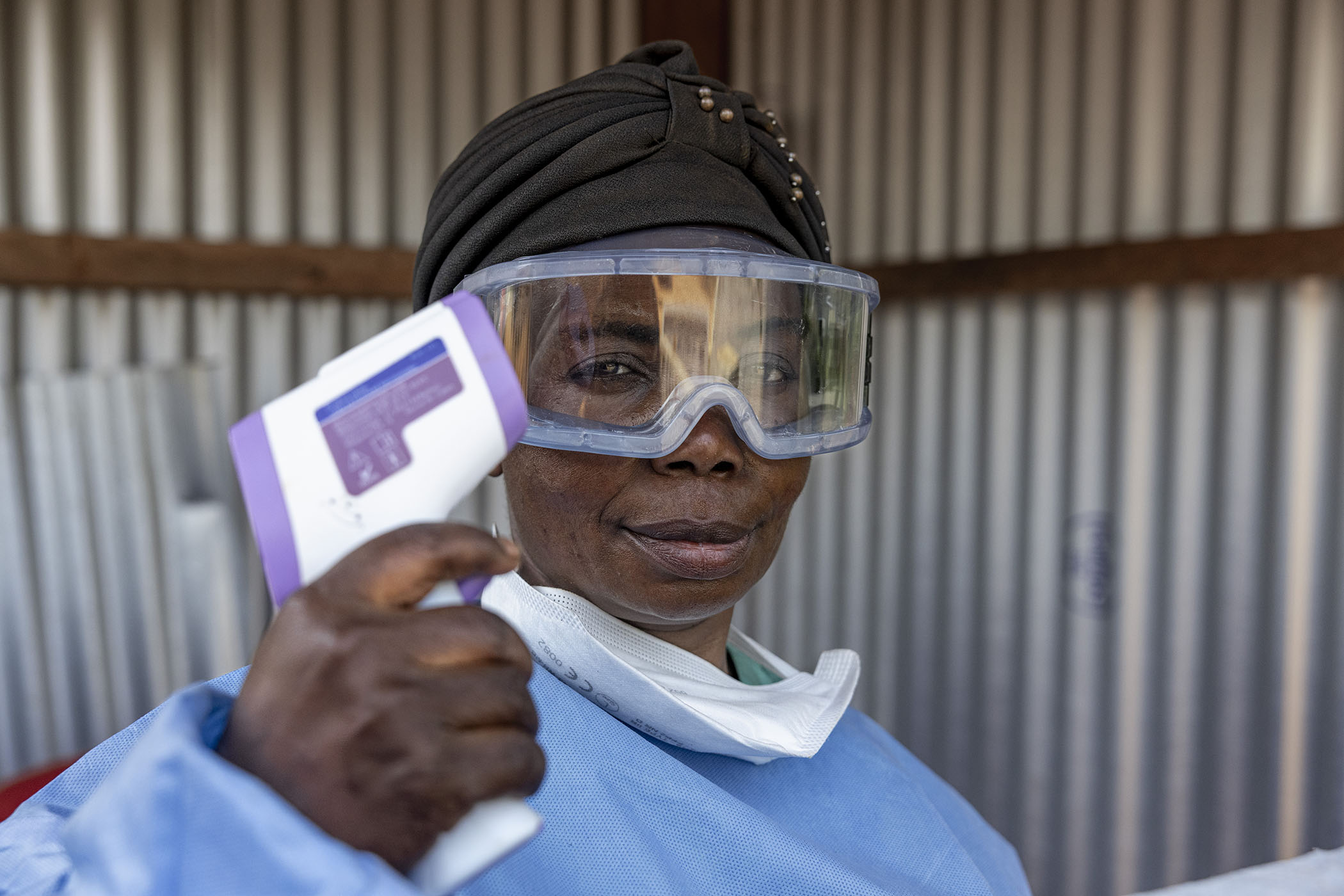
Photograph by Michel Lunanga/Getty Images