

Photograph by Vahid Salemi/AP
This article first appeared as part of the Daily Sensemaker newsletter – one story a day to make sense of the world. To receive it in your inbox, featuring content exclusive to the newsletter, sign up for free here.
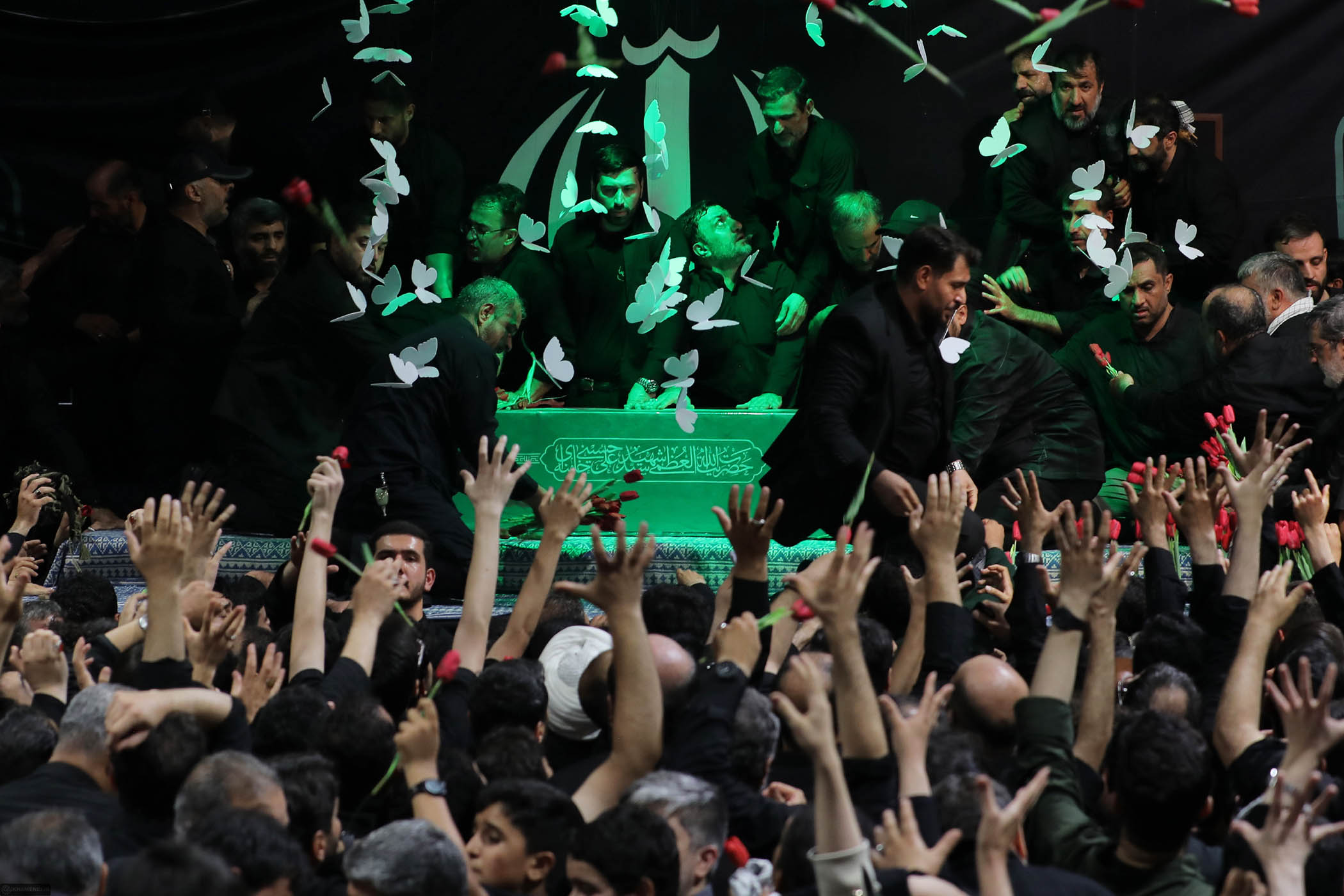
Millions of people filled the streets of Tehran yesterday for the funeral procession of former supreme leader Ali Khamenei, who was killed on the first day of the war launched by Israel and the US.
So what? The funeral is a chance for the regime to project an image of strength and unity after months of turmoil. It is week-long event that
•
spans two countries;
•
is highly choreographed; and
•
sends a message of defiance.
Organised grief. The ceremonies began on Friday, with senior regime figures and foreign dignitaries paying their respects to Khamenei’s coffin at Tehran’s Grand Mosalla mosque, where Khamenei’s family members also lay in the state. The site was opened to the public over the weekend.
Final journey. On Tuesday, Khamenei’s body will be taken to the holy city of Qom, before travelling to the Shia cities of Najaf and Karbala in Iraq. The ceremonies will finish on Thursday, when the slain leader will be buried in Mashhad, his hometown in northeastern Iran.
Yesterday’s procession saw a black lorry carrying Khamenei’s coffin drive through a dense crowd of flag-waving mourners, who chanted “death to America” and “revenge, revenge”. At one point, people threw stones at a billboard depicting Donald Trump.
It’s hard to say how many of the attendees were motivated by loyalty to the regime, a sense of religious duty or personal curiosity. Iran’s regime has a tradition of organising large outpourings of grief for national martyrs and went to great lengths to boost attendance, including
•
putting on buses for out-of-towners;
•
converting schools, mosques and public parks into makeshift camps;
•
distributing free bread.
Still, it was an impressive feat of mobilisation for a regime that is supposed to be on its knees. Iranian president Masoud Pezeshkian claimed the funeral procession represented “a covenant for continuing on the path” set out by the former supreme leader.
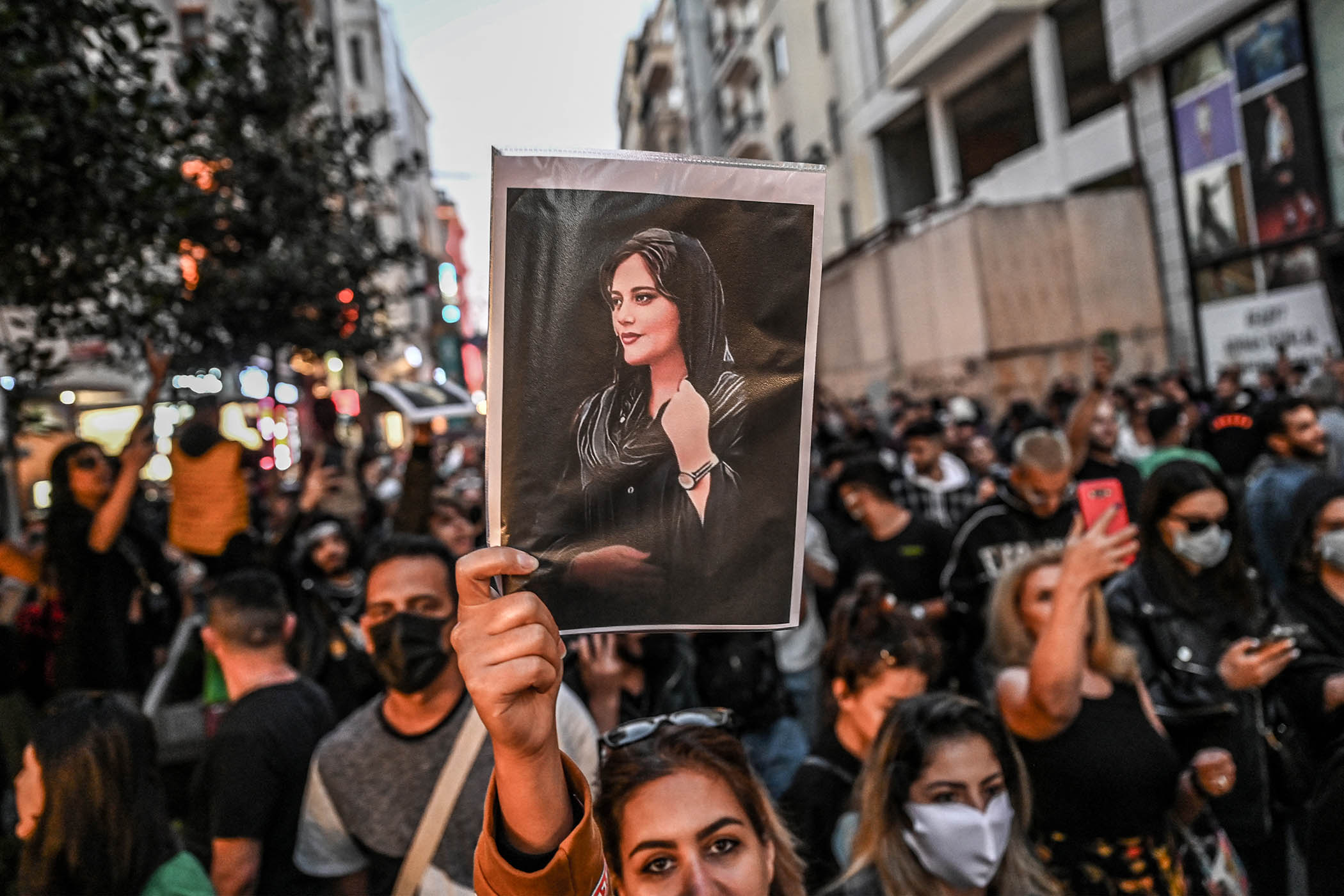
Not long ago. Iran started the year gripped by protests over repression and economic malaise, with hundreds of thousands of people taking to the streets night after night to demand change. The unrest was only quelled after the security forces massacred as many as 30,000 people.
Then came Israel and the US’s attacks. The war has decimated Iran’s military and its leadership, who were targeted by Israeli assassinations. But it ultimately failed to dislodge a regime that looks more entrenched and more emboldened than ever.
And yet, there are widening cracks in Iran’s upper ranks. The memorandum of understanding between Tehran and Washington went down badly with hardliners, even as it was widely panned in the west as a victory for Iran.
Why? They have cast the document as a capitulation, especially since it does not guarantee Iran control over the Strait of Hormuz or any war reparations. A hardline faction of MPs insists the document holds no weight until the new supreme leader, Khamenei’s son Mojtaba, endorses it by appearing in public or by releasing an audio recording.
So far he has done neither. Although a large number of senior officials have made public appearances during the funeral ceremonies, including Mojtaba Khamenei’s three brothers, the new supreme leader is yet to be seen. Regime figures claim this is because of security concerns, but there are rumours that he was badly injured in the airstrike that killed his father.
What’s more… Talks between the US and Iran have been paused to allow the funeral to take place. They have given themselves 60 days, starting on 17 June, to strike a deal but can barely agree on the terms of the original MoU.
Newsletters
Choose the newsletters you want to receive
View more
For information about how The Observer protects your data, read our Privacy Policy