
This article first appeared as part of the Daily Sensemaker newsletter – one story a day to make sense of the world. To receive it in your inbox, featuring content exclusive to the newsletter, sign up for free here.
France’s Emmanuel Macron has warned of a slide towards “a world without rules” where international law is “trampled underfoot” and the governing principle is brute force.
So what? Donald Trump doesn’t seem to mind. As he tries to strong-arm his way towards control of Greenland, a US-EU trade war looms. There is even talk of a military confrontation between Nato members, which would have seemed ludicrous a few months ago. The dispute
•
has left European leaders scrambling to respond;
•
provides no obvious off-ramp for Trump; and
•
could in extremis break the western alliance.
In the departure lounge. Before heading to the Davos summit in Switzerland, Trump hit out at Nato, floated the idea of putting 200% tariffs on French wine and posted an AI-generated photo showing Greenland and Canada as part of America. He wrote on his Truth Social platform that, without him, Nato would be “in the ash heap of History”.
Later, in a more measured press conference, he denied that his actions against Greenland endangered Nato and questioned whether the alliance would come to the help of the US.
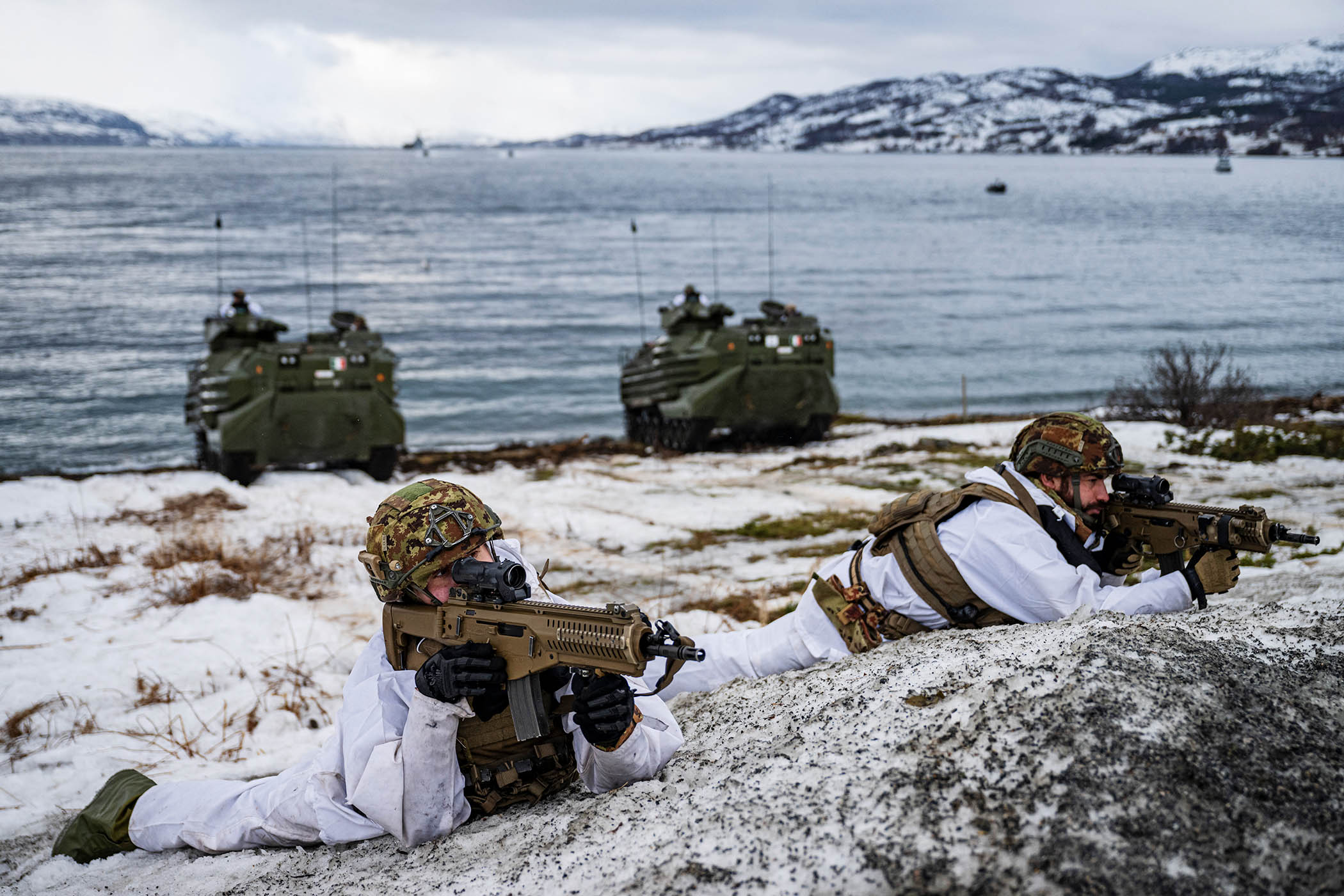
Reminder. On Saturday, Trump announced a plan to impose tariffs on eight European countries, including France, Germany and the UK. This came after they sent a token force to Greenland in what was read as a show of support for Denmark.
On a roll. Trump is playing hot and cold, but is emboldened by the US attack on Venezuela and bitter about not winning the Nobel peace prize. In a letter to Norway’s prime minister, Jonas Gahr Støre, he said this meant he was no longer obliged to “think purely about peace”.
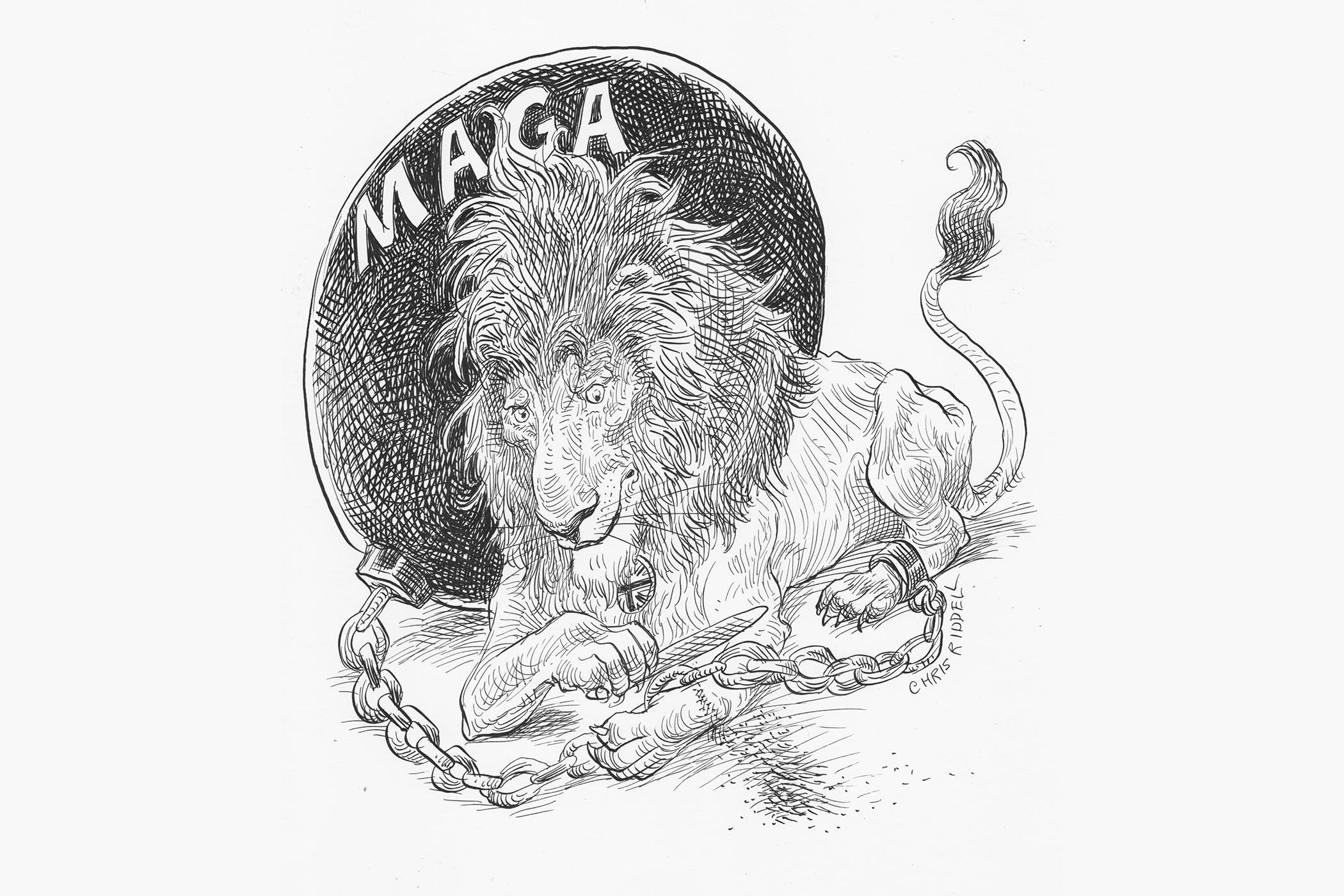
Worst case scenario. Military action by Nato’s most important country against another treaty member, however unlikely, would kill the alliance and upend a post-war security architecture secured over 80 years. With doubts resurfacing about whether Trump would abide by the treaty’s mutual protection clause, some think it might already be dead. “It is not grandiose to call this the end of the western alliance,” said Bronwen Maddox from Chatham House last week.
Don’t hurt Donald. During Trump’s second term, EU leaders have vacillated between standing up to Trump and appeasing him. Last year they capitulated and agreed to 10% tariffs on exports to the US, while subjecting American goods to none. But now things are significantly more serious.
Leading the pack. In a special address at Davos, European Commission president Ursula von der Leyen promised an “unflinching, united and proportional” response if the US made good on its threats. She also called for a “new form of European independence”, which could look like...
Newsletters
Choose the newsletters you want to receive
View more
For information about how The Observer protects your data, read our Privacy Policy
Nato without the US, which would be a shadow of its former self. The credibility of the alliance is underpinned by America, which contributes a sixth of the alliance’s direct budget. US defence expenditure represents roughly two-thirds of the total defence spending of Nato.
Or a European army, which may struggle to muster a fighting force. Germany’s rearmament programme is in its early stages, while an effort by the bloc to form its own army will come up against soldier shortages across the continent. This month the EU’s defence chief recommended a standing force of 100,000 people, but that would pale against the 1.3m active-duty personnel who belong to the US military.
Divide and conquer. Keir Starmer is in a bind, having tried to win over Trump with little to show for it. The US-UK trade pact is unsigned and Britain faces fresh tariffs. Trump hit out at the UK’s decision to hand the Chagos Islands to Mauritius, calling it “an act of GREAT STUPIDITY”.
Across the channel. Macron wants the EU to fire its “trade bazooka”, a mechanism that allows for punitive economic measures. US tech, pharmaceuticals and aerospace companies would be prime targets, while the block could also restrict access to its European military bases.
Escalation risks. But Trump has his own levers. He could withhold aid from Ukraine, refuse to provide technical assistance to F-35s or withdraw support for the UK’s nuclear deterrent.
Principle calls. So far Congress has been unable to restrain Trump, partly because Republicans don’t want to be subject to primary challenges ahead of November’s midterms.
What’s more… This equation could change in the spring once the lists of candidates for state elections are submitted. But, by then, it may be too late.