
This article first appeared as part of the Daily Sensemaker newsletter – one story a day to make sense of the world. To receive it in your inbox, featuring content exclusive to the newsletter, sign up for free here.
Granta, a British literary magazine, has said that it may “never” know whether an award-winning story it published was written by artificial intelligence.
So what? Welcome to the future. As AI models improve and their clunky language becomes a style in its own right, the borders between human and computer writing have become increasingly porous. What is at stake is whether
•
the prize has been fairly given;
•
the tropes of AI literature are now seen as stylistically appealing; and
•
experts will soon lose the ability to spot computer-generated writing at all.
Story, in short. On Saturday, The Serpent in the Grove won the prestigious Commonwealth prize. The writer, Jamir Nazir, was rewarded with £2,500 and the publication of the story in Granta. The Commonwealth judges praised the story, which narrates a loveless marriage in Trinidad and Tobago, for its “voice of restraint and quiet authority”.
You be the judge. Critics allege it is the voice of a computer. They point to the presence of motifs typically found in AI literature, including the use of tricola, overwrought phrasing and the word “hum”. Some AI detectors have deemed, with a high degree of confidence, that the story was generated by a computer, although these tools are not always reliable.
The author. Nazir’s bio describes him as “a Trinidadian writer of East Indian heritage”, but he has a tiny digital footprint. Internet sleuths found a LinkedIn profile that apparently belongs to Nazir and posts about AI. In 2018, someone of the same name published a book of love poetry.
The response. The Commonwealth Foundation says it is conducting a “thorough, transparent review” of its selection process for the prize, but did not specifically mention The Serpent in the Grove. The foundation says elsewhere on its website that prize entries are “read by real people at every stage of the judging process”. Its director-general said that “shortlisted writers have personally stated that no AI was used and, upon further consultation, the foundation has confirmed this”. Granta, which did not choose the winner, has kept the story on its website, until there is “definite evidence” that it is AI-generated. Nazir has not responded to the allegations.
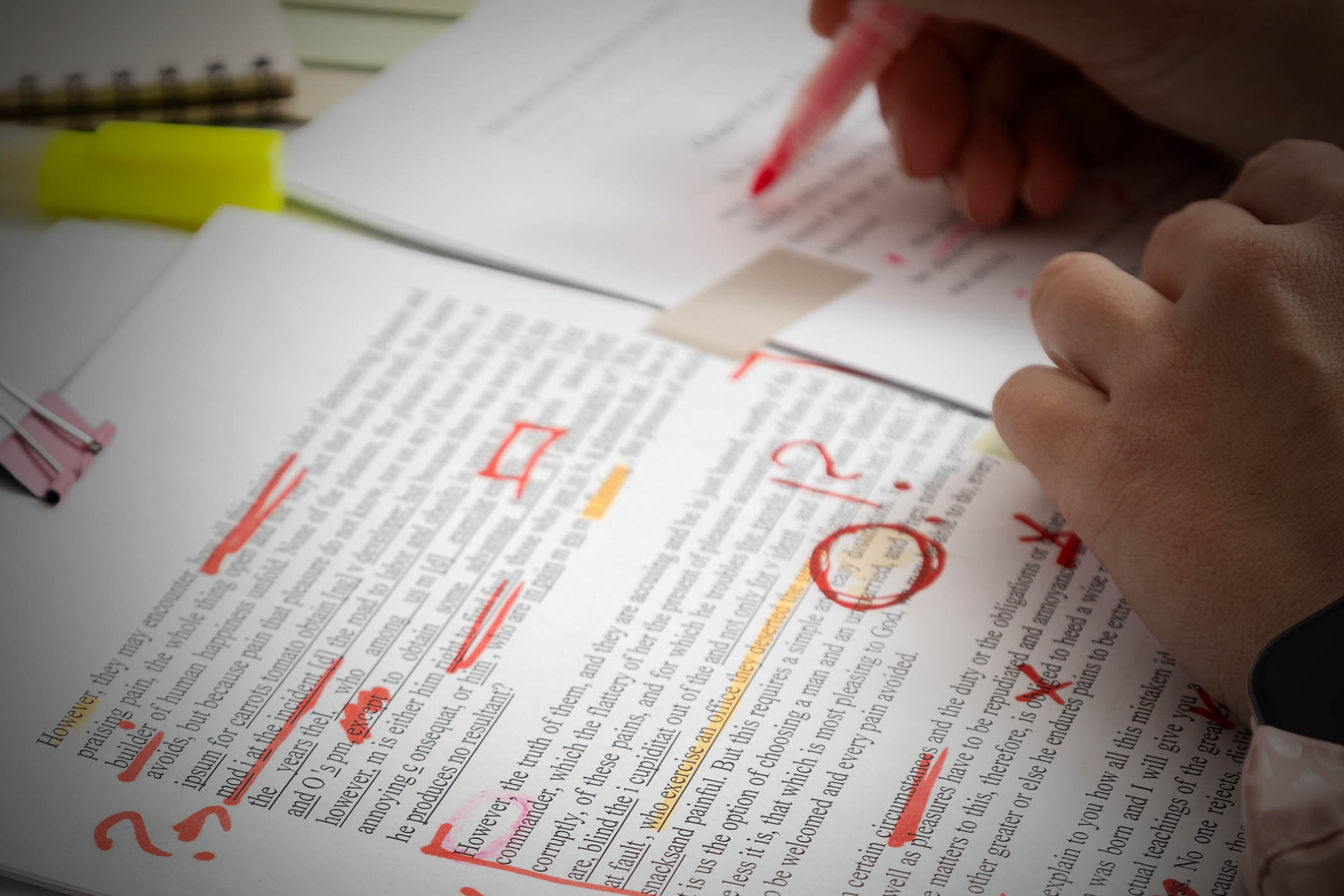
The bigger picture is that Granta is correct to say that it may never know whether the story is AI-generated. It is getting more difficult to recognise writing created by a computer and there is emerging evidence that humans are beginning to adopt AI tropes in spoken English. Recent attempts to tamp down on suspect content include
•
the New York Times cutting ties with a freelance journalist who admitted using AI to help him write a book review; and
•
the publisher Hachette cancelling the release of a novel, Shy Girl, over allegations that it might have been partly written with AI.
Computer love. Even if The Serpent in the Grove was not written with AI, the Commonwealth Foundation’s decision to award a prize to a story full of AI tropes suggests a bigger shift is taking place. Jeanette Winterson, the author, last year described a piece of fiction created by OpenAI as “beautiful and moving”. Richard Dawkins, the scientist, was so taken by a conversation with an AI chatbot that he concluded, erroneously, that it was conscious.
What’s more… From fake scientific citations to fears of widespread exam cheating, writing at every level now bears the fingerprint of AI. The danger is not just that it becomes impossible to distinguish between the work of a human and a computer. It is that people no longer care.
Further reading: The scammers using AI and flattery to target authors like me
Photograph by Getty Images
Newsletters
Choose the newsletters you want to receive
View more
For information about how The Observer protects your data, read our Privacy Policy