

This article first appeared as part of the Daily Sensemaker newsletter – one story a day to make sense of the world. To receive it in your inbox, featuring content exclusive to the newsletter, sign up for free here.
The UK’s largest claim for environmental pollution has reached the high court, bringing thousands of people together in an action against a water firm and one of Britain’s biggest chicken producers.
So what? The case pits growing public anger over the fouling of the country’s rivers against the national love affair with cheap meat. Over 4,500 people, including owners of riverside properties and businesses that rely on tourism, have joined the case against
•
Avara Foods, blamed for polluting the Wye over the past seven years;
•
Freemans of Newent, its subsidiary, a chicken processing facility; and
•
Welsh Water, accused of discharging sewage into the Usk.
The claimants argue that high concentrations of phosphorus from chicken litter have triggered the rapid growth of algae, suffocating fish and harming other wildlife. Poultry production on the Wye has expanded significantly in recent years and campaigners say there are roughly 20m chickens being reared in the catchment at any one time.
The claim alleges that Avara Foods, which supplies Tesco and Nando’s, is ultimately responsible for the pollution, even though the chicken litter was spread by arable farmers.
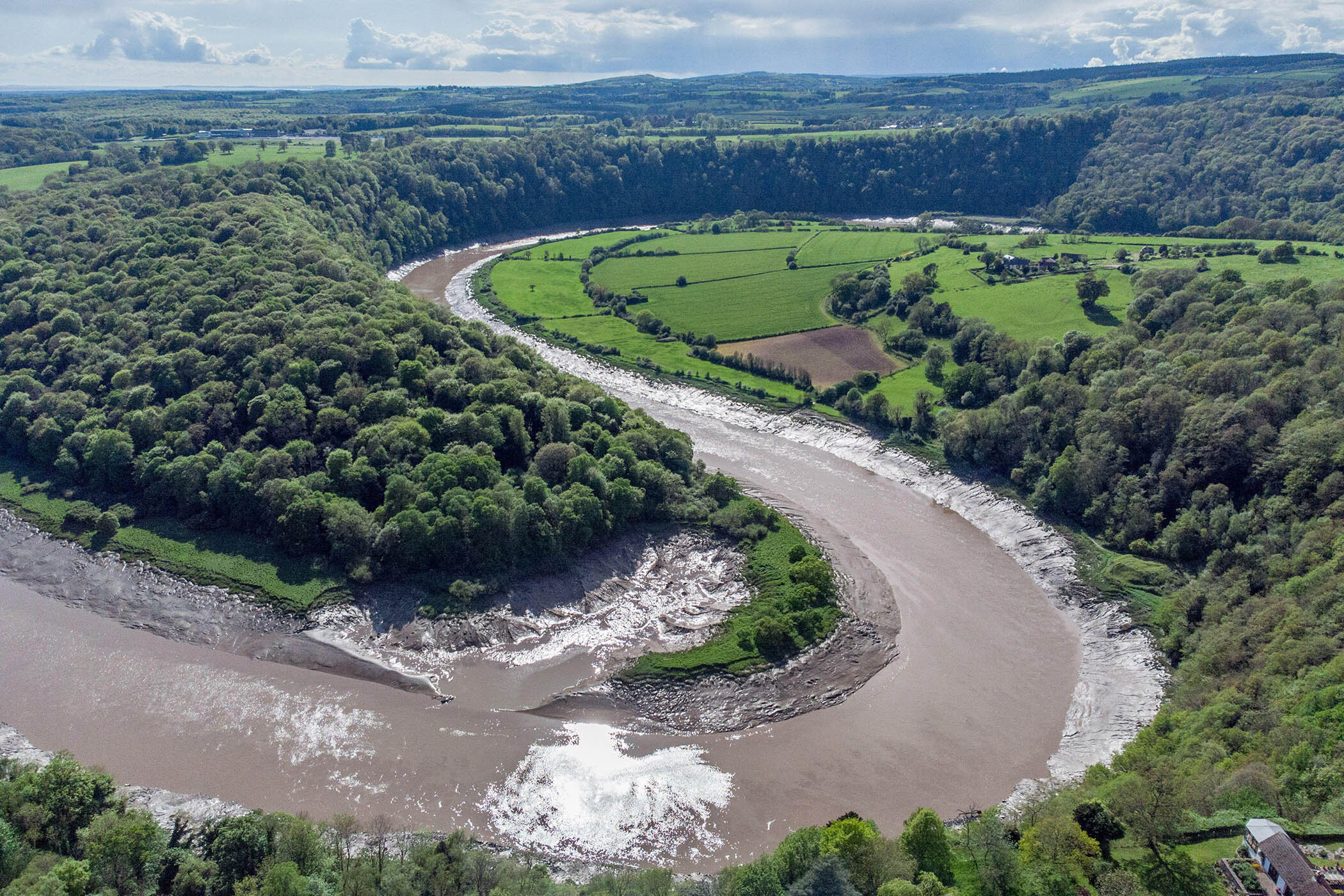
State of the river. The Wye is one of the country’s prime fishing rivers, but its population of Atlantic salmon has plummeted to critically low levels, a decline the Environment Agency blames partly on warmer winter temperatures but also on water quality.
Foul play. In 2023, a judge in the US ruled against major chicken producers in a case involving phosphorus pollution in the Illinois river. The judge wrote: “As late as the 1960s its waters were crystal clear. But that is no longer the case.”
In one corner. Leigh Day says the courts represent a final avenue for justice after the government and regulators failed to protect rivers.
In the other. Avara Foods says the claim is “misconceived” and points to data showing a downward trend in phosphorus levels in the Wye. Welsh Water says the case is “misguided”.
Expert view. Researchers at Cardiff University have also said that phosphate levels are unlikely to be the primary cause of algal blooms in the Wye. They point to a combination of factors including increased levels of ammonium and nitrate, which are components in agricultural fertilisers, changes to the river’s flow, and high summer temperatures.
Hard to ignore. The case is expected to unfold in court over the coming months, and will turn the spotlight on intensive poultry production. The consumption of chicken in the UK has been going up for decades and now accounts for roughly half of meat eaten.
Winner, winner, chicken dinner. This shift has been driven by cost, as well as a desire to eat more healthily. A billion chickens are slaughtered for human consumption in the UK every year, the vast majority reared in intensive units and sold for around £4 a kilogram.
But that’s not all. To hit net zero, the UK has to reduce emissions from farming and return some of this land to nature. That is likely to require significant changes to eating habits, including a dramatic reduction in poultry consumption.
Which means… The Wye case may be the start of a new reckoning with our impact on nature.
Photograph by Paul Glendell/Alamy
Newsletters
Choose the newsletters you want to receive
View more
For information about how The Observer protects your data, read our Privacy Policy