
The US and Iran said they will sign a deal to end three and a half months of fighting – and reopen the Strait of Hormuz.
So what?
•
The deal is a framework agreement that will see the strait reopen after a signing ceremony on Friday in Geneva.
•
The stickiest issues have been left for talks due to happen after the signing – or maybe never.
•
This hasn’t stopped Donald Trump from calling this deal a victory and overstating its contents on social media.
•
Iranian hardliners are already criticising the deal as Tehran looks to keep control of Hormuz.
•
Israeli officials quickly said the ceasefire does not apply in Lebanon, despite Tehran and Pakistani mediators saying it does.
State of play It’s taken two months since the US and Iran first met in Islamabad for them to agree to sign. While full details of the ‘memorandum of understanding’ are not yet public, the terms appear unchanged: a 60-day ceasefire extension, and the US lifting its blockade of Iranian ports in exchange for the reopening of the Strait of Hormuz.
Gushing praise Donald Trump took to social media to declare victory. “Ships of the World, start your engines. Let the oil flow” he proclaimed.
Not so fast The International Transport Workers Federation, which represents thousands of stranded sailors in the Persian Gulf, said the backlog of vessels trapped there plus a need to change crews “mean a realistic return to normal shipping patterns is weeks, if not months, away.”
On lock While Trump claims the strait will reopen “toll free”, Iranian officials say otherwise. Foreign minister Abbas Araghchi said last week that control of the waterway “will not return to the pre-war era,” threatening charges for “services.” Traffic in the strait can’t flow freely without further guarantees Iran won’t close it again, amid fears this could become the new normal.
Nuclear issue Talks about Iran’s nuclear programme are deferred for 60 days after the signing. Ali Vaez of the International Crisis Group called this “overly ambitious.” He fears this interim deal could become the only deal: a fragile agreement that fails to resolve any of the fundamental issues between the US and Iran, or curb Iran’s nuclear programme.
More threats Even as US vice-president JD Vance claimed the deal has the potential to “reshape the Middle East,” Trump persisted in threatening Iran if they don’t comply. He told the New York Times that if there is no deal on nuclear power, he would restart military attacks or make the US “the guardian of the Middle East” in exchange for 20% of the region’s revenues.
Unpopular opinion As Iranian state television and its top military brass claimed victory over the US and Israel with the signing of the deal, Tehran’s hardliners lined up to criticise it, even lashing out at Aragchi for being willing to sign. One Iranian MP labelled it “more damaging,” than previous versions, while the conservative news outlet Kayhan carried the headline “we closed the strait with power, we will not open it with diplomacy.”
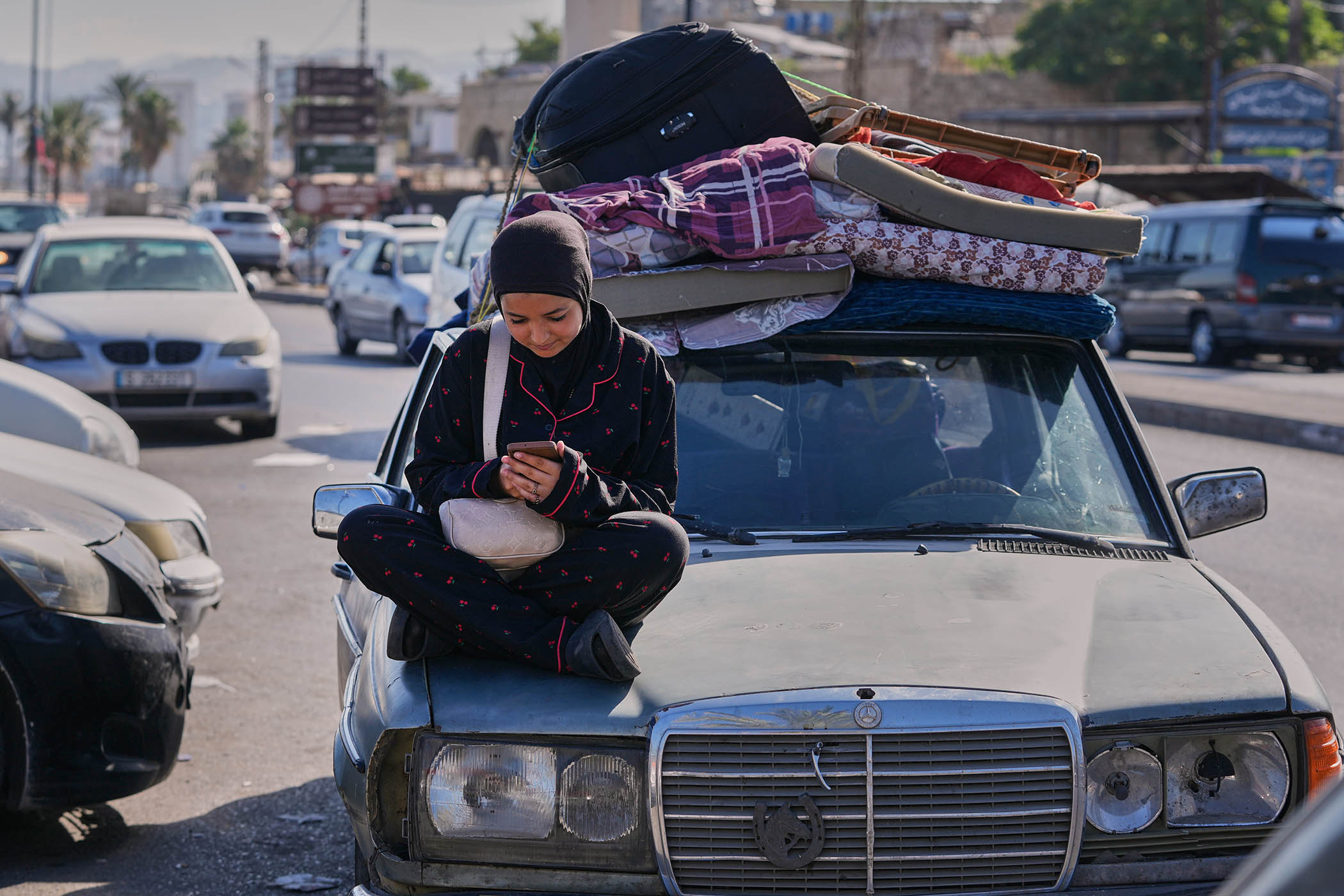
What about Lebanon? Israeli hardliner Ben Gvir was among a procession of ministers criticising the deal. “We are not party to this agreement. It does not safeguard our security,” he said. Defence minister Israel Katz said Israeli forces will remain in Gaza, Syria and Lebanon as bombings of southern Lebanese towns continued – a day after Israel struck Beirut threatening to derail the deal entirely.
Newsletters
Choose the newsletters you want to receive
View more
For information about how The Observer protects your data, read our Privacy Policy
What’s more… This deal looks like the perfect set up for a return to conflict further down the line. Experts are doubtful that upcoming talks on Iran’s nuclear programme will produce a lasting agreement, and Tehran stands to benefit from there being no mention of its ballistic missiles programme or proxies that have long drawn criticism from Israel. While this deal should reopen the strait– open before with less Iranian control – it begs the question of whether months of conflict was worth it at all.
Photograph by Mohammed Zaatari/AP