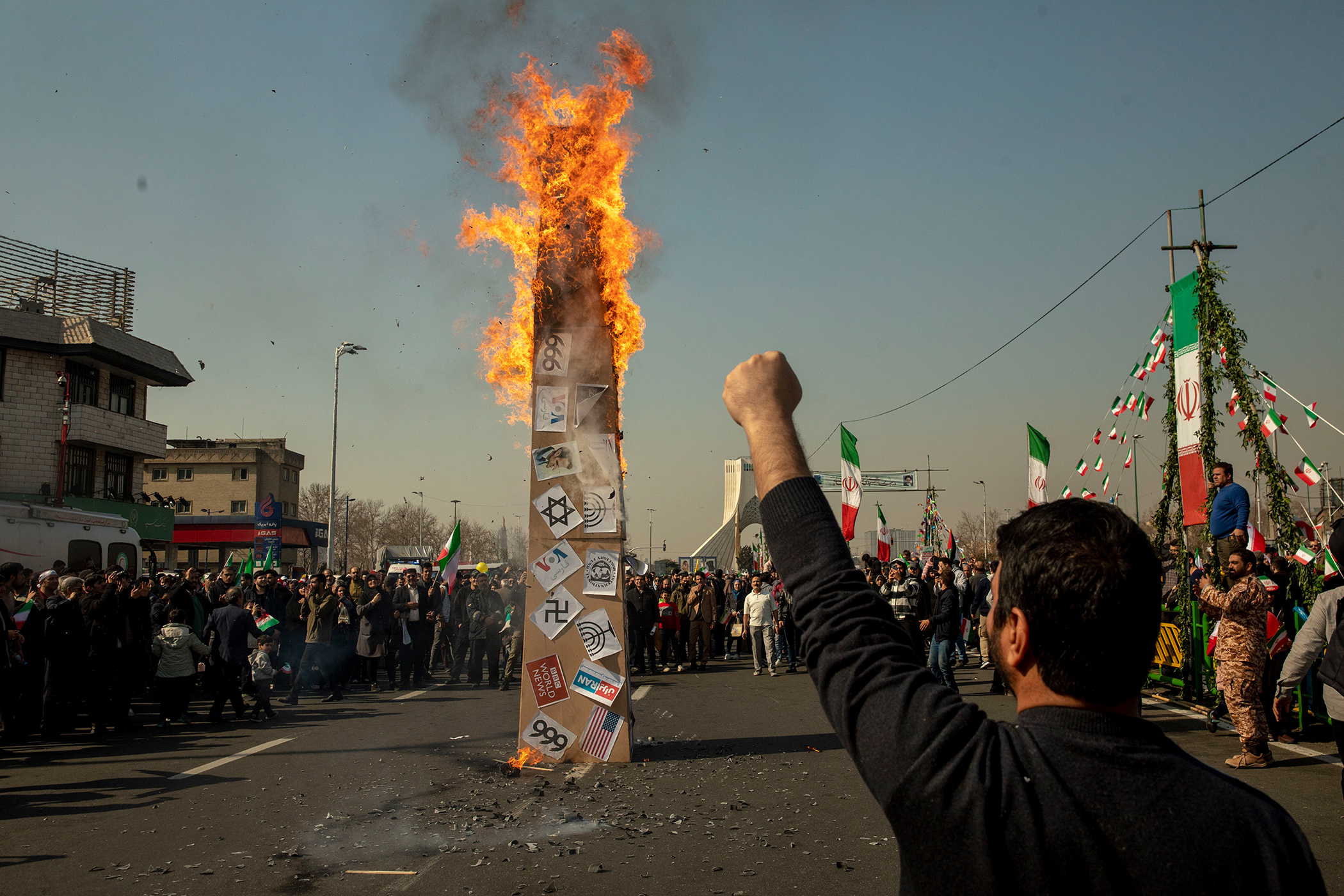

The streets of Tehran appear calm. According to one report smuggled out through the internet blackout, they are virtually empty, because after an orgy of state-sanctioned violence people are too scared to go out.
The exact number of civilians killed last weekend is unclear: at least 3,400 and possibly 12,000 or more. From medics’ and other eyewitness accounts it seems some anti-regime protesters were shot at close range in the face. Others were killed en masse when Iran’s Islamic Revolutionary Guards Corps (IRGC) troops opened fire with machine guns.
This was the most brutal assault by Iran’s theocracy on its own people since the revolution of 1979. Carried out largely unseen behind Iran’s borders, it was, nonetheless, Tehran’s Tiananmen Square. A one-party state was given a choice by its people between humanity and murder, and chose murder.
It is not a given that the regime survives – as Beijing’s did. The calm after the carnage poses two questions: whether Iran’s people can rid themselves at last of leaders reduced to clinging to power for its own sake at any cost; and whether the outside world will stir itself to help. The answers have to be yes and yes.
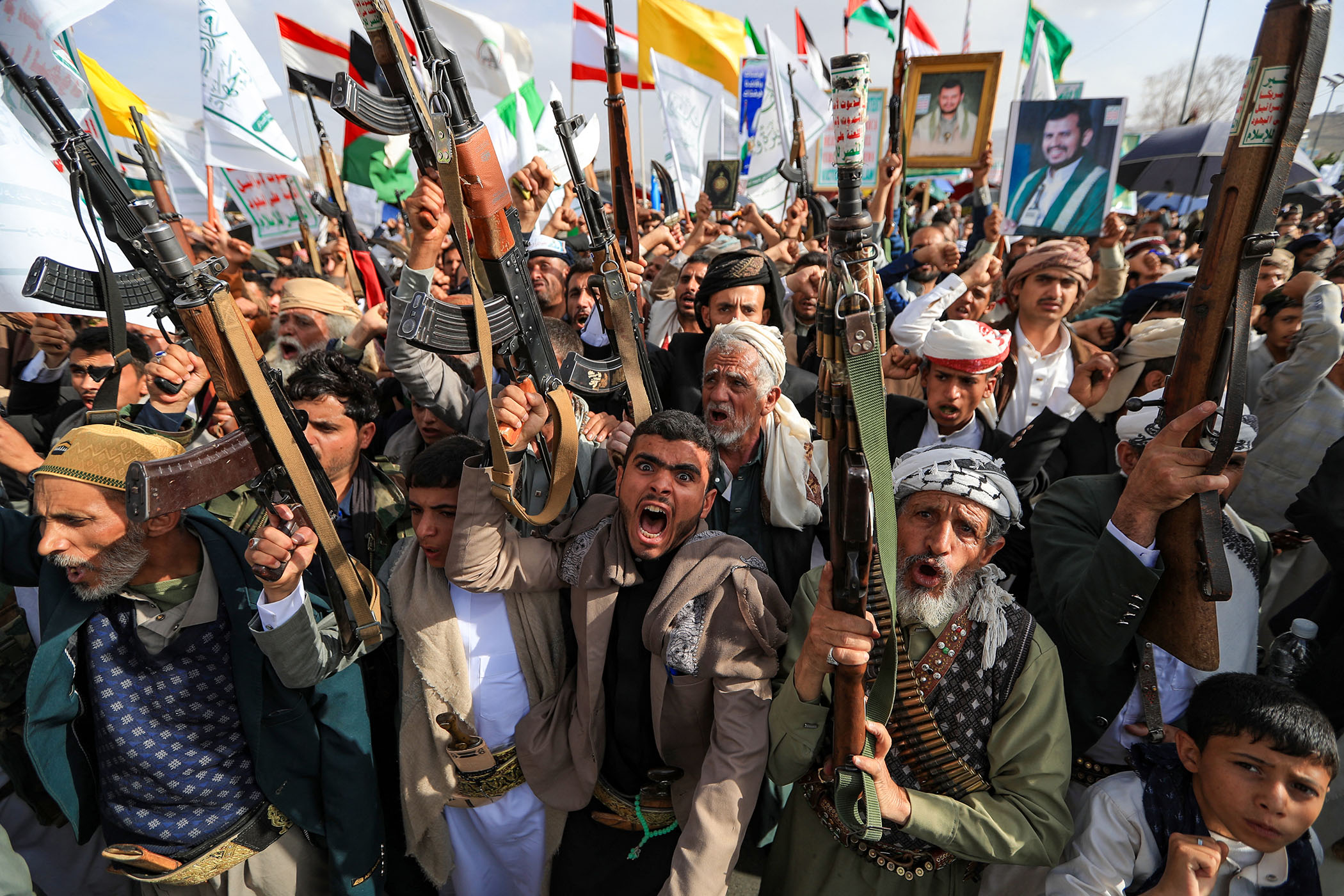
Iran is rich in oil, gas, minerals, human capital and culture. Yet a third of its people live in poverty, its currency has collapsed, inflation is running at 50% and its air quality and water shortages are among the worst in the world. Sanctions are a factor in this crisis, but the regime invited them by destabilising the Middle East with terrorist proxies and a thinly disguised nuclear weapons programme, denying Israel’s right to resist and seizing (and often executing) hostages as a substitute for diplomacy. Sanctions apart, the industrialised corruption of the IRGC and its vast network of military and commercial enterprises has weakened the economy for decades.
The regime lost its right to rule long before it cut off access to the web and started slaughtering people on 8 January
The regime lost its right to rule long before it cut off access to the web and started slaughtering people on 8 January
The regime lost its right to rule long before it cut off access to the web and started slaughtering people on 8 January, because it has resorted to similar tactics so often before, most recently in 2022. The tragedy then, as now, was that thousands of brave protesters risked everything for a glimpse of justice, but without a leader to harness and direct their power. Any Iranian Alexei Navalnys are now dead or in hiding, and Reza Pahlavi the exiled crown prince does not look like a viable alternative.
Even so, this is a moment to be seized. The theocracy is still supported by the IRGC but by few others. Its proxies, Hezbollah and Hamas chief among them, have been eviscerated. Its nuclear bunkers have been bombed and its international leverage is weak to non-existent. Those on the left who might hesitate to condemn Iran because of its loathing of the US and its support for Palestine should bear in mind history’s dim verdict on Soviet Russia’s “useful idiots”.
Europe has plenty of leverage, but isn’t using it. It is astonishing that the US and Canada have designated the IRGC a terrorist organisation but the EU has not. John Healey, the UK’s defence secretary, has promised British involvement in a global operation against the shadow tanker fleet shipping Iranian as well Russian oil to market. There’s no sign of it yet, even though US navy seals have shown it can be done.
Even more urgent is to reconnect the Iranian people to the world. Smuggled Starlink antennae are an option, but there are others. In the late 1980s, Romanians in Cluj-Napoca started using galvanised zinc dustbin lids as satellite dishes to hack into western TV channels. By 1989, Nicolae Ceaușescu was gone.
The USS Abraham Lincoln is leading an American strike carrier group east across the Atlantic towards the Gulf. It should arrive within a week. Brazen military pressure tactics such as President Trump used to remove Nicolás Maduro from power in Venezuela are unlikely to work in Iran, but Trump is right to give himself options, and European leaders have a responsibility to do more than stand and watch. The Iranian people deserve better than to be butchered for demanding a better life.
Newsletters
Choose the newsletters you want to receive
View more
For information about how The Observer protects your data, read our Privacy Policy
Photograph by Majid Saeedi/Getty Images