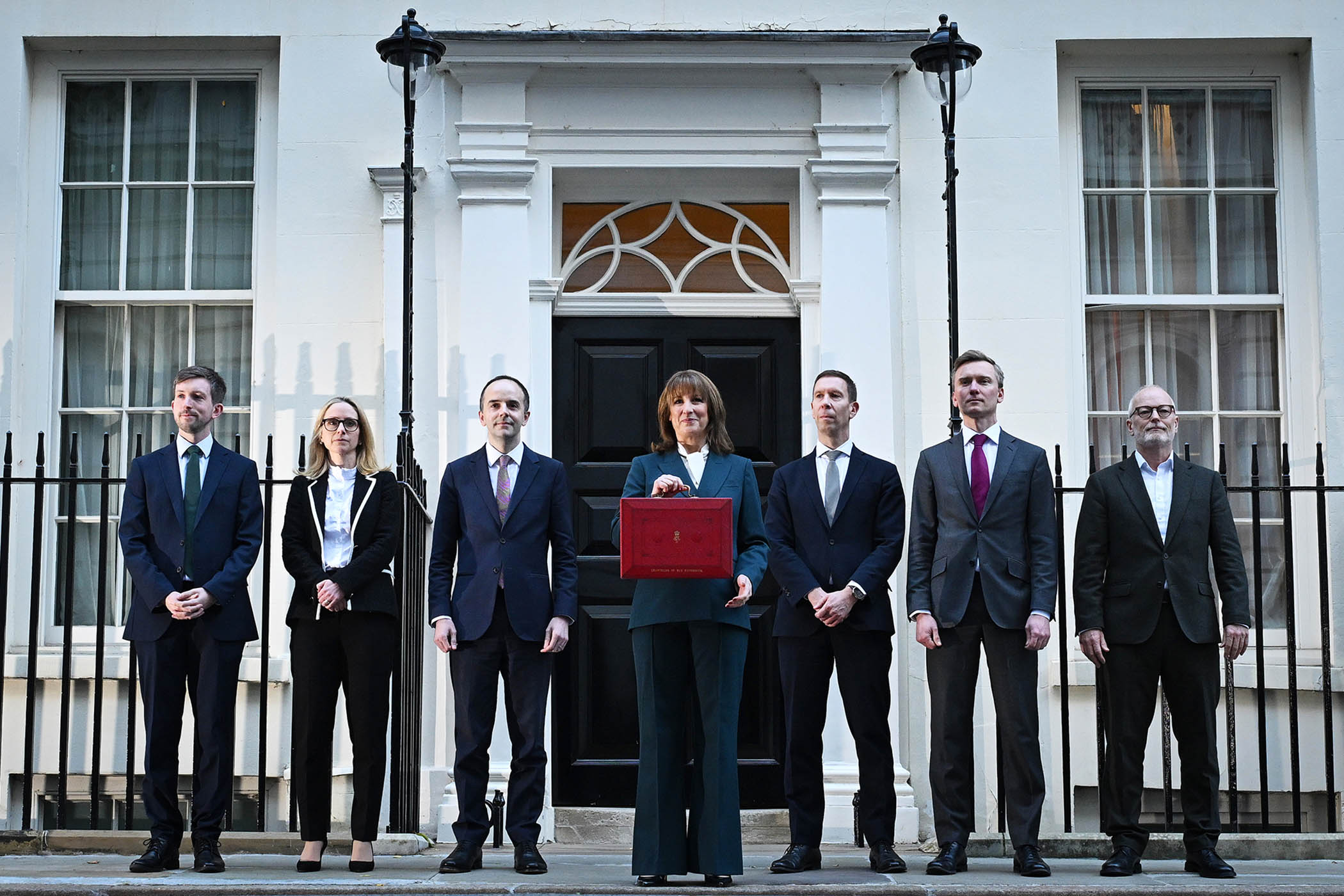
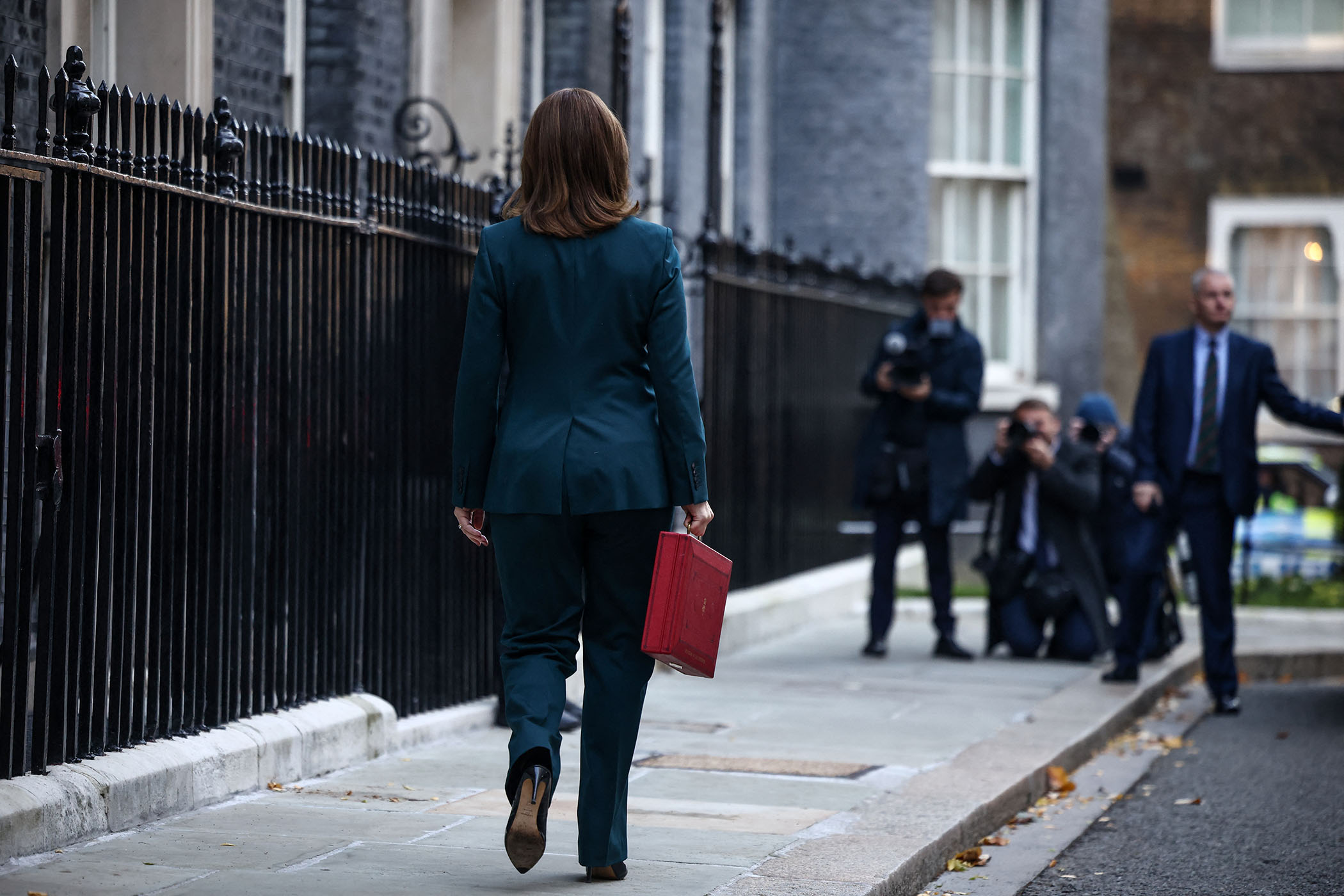

Rachel Reeves had two main tasks last week: to ensure the government’s political survival and find a way to fund its agenda without losing the support of business and investors. For two days it looked as if she might have pulled it off. Then the head of the Office for Budget Responsibility published a letter showing Reeves had presented a budget built on a narrative of a large fiscal black hole, when the story was rather different.
To be fair, the chancellor has not personally been using the language of black holes. True, too, she has made the right judgment in seeking to raise enough revenues to see off the threat of a debt market crisis: stability is the prerequisite to growth.
But perceptions matter, to markets as well as the public. Perceptions in the Westminster system are formed (too much) by background briefings, and in the run-up to the budget those briefings were clear: Reeves wanted a £20bn buffer in addition to an estimated £10bn-£20bn black hole. When economic think-tanks, city analysts or media from the FT to the BBC calculated that the OBR’s downgrade to UK productivity forecasts were creating a colossal fiscal headache for the chancellor, the Treasury did nothing to correct them. In fact, the OBR had been clear that higher wages and, therefore, higher forecast tax receipts had more or less offset the productivity downgrade.
As a result, the road to the budget has been unnecessarily damaging – to consumer confidence, economic activity and, now, the credibility of the chancellor. When she gave a breakfast presentation at the start of November to manage expectations, she knew the numbers. At that point, she was planning tax rises that would break manifesto pledges. She left the impression that the OBR productivity forecast was forcing her hand. It wasn’t. It now looks as if the Treasury wanted to use that misleading narrative to roll the pitch for her proposed tax changes.
This is not just a squandered opportunity to rebuild trust but a wasted chance to set the country on a deliberately different course. Last week Reeves could have levelled with voters about the choice the government faced – a choice between merely balancing the books and enacting the five fundamental reforms the country needs: to a welfare system that absorbs nearly a third of public spending; to a pensions system that favours even the affluent elderly over the young; to a property tax system unchanged since 1991; to a relationship with Europe based on self-harm; and to a culture in government that – from the Ajax armoured fighting vehicles to incentives for the tech sector to the roll out of clean energy – is a sclerotic engine of growth.
Reeves won the cheers of Labour backbenchers by ending the two-child benefit cap, but missed the moment
Reeves won the cheers of Labour backbenchers by ending the two-child benefit cap, but missed the moment
Instead, Reeves won the cheers of Labour backbenchers by ending the two-child benefit cap, but missed the moment. Budgets are decision points. They reveal priorities and ambition, or the lack of it. Absent ambition, governments become reactive to events rather than master of them, and that is what is happening. This could have been a government that made Britain better. Instead it is at risk of caricature – as the government that cannot build a decent tank or an affordable nuclear power station, that can’t control energy costs or update the social contract to the benefit of all.
Across the Channel, President Macron may recognise some of the symptoms: an unsustainable tax burden, unreformable welfare and pensions systems, a truculent parliament and a centre of government distracted from the business of government by its own fight for survival.
Keir Starmer came to power promising a new politics that treads lightly on people’s lives. He and his chancellor have muddled through a supremely tough week with at least a chance of regrouping and fighting on. In the meantime, they are just treading water.
Photograph by Leon Neal/Getty Images
Newsletters
Choose the newsletters you want to receive
View more
For information about how The Observer protects your data, read our Privacy Policy