

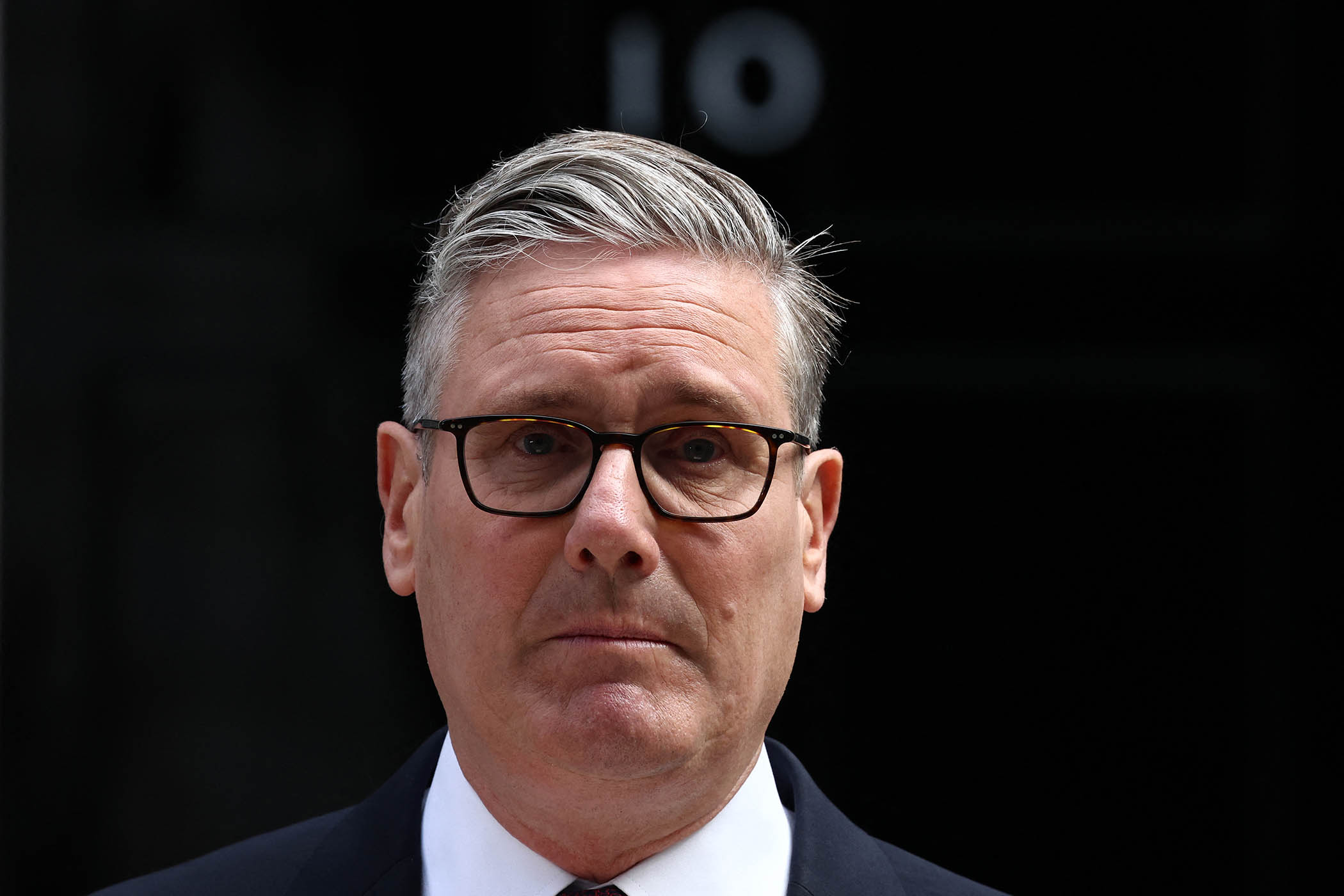
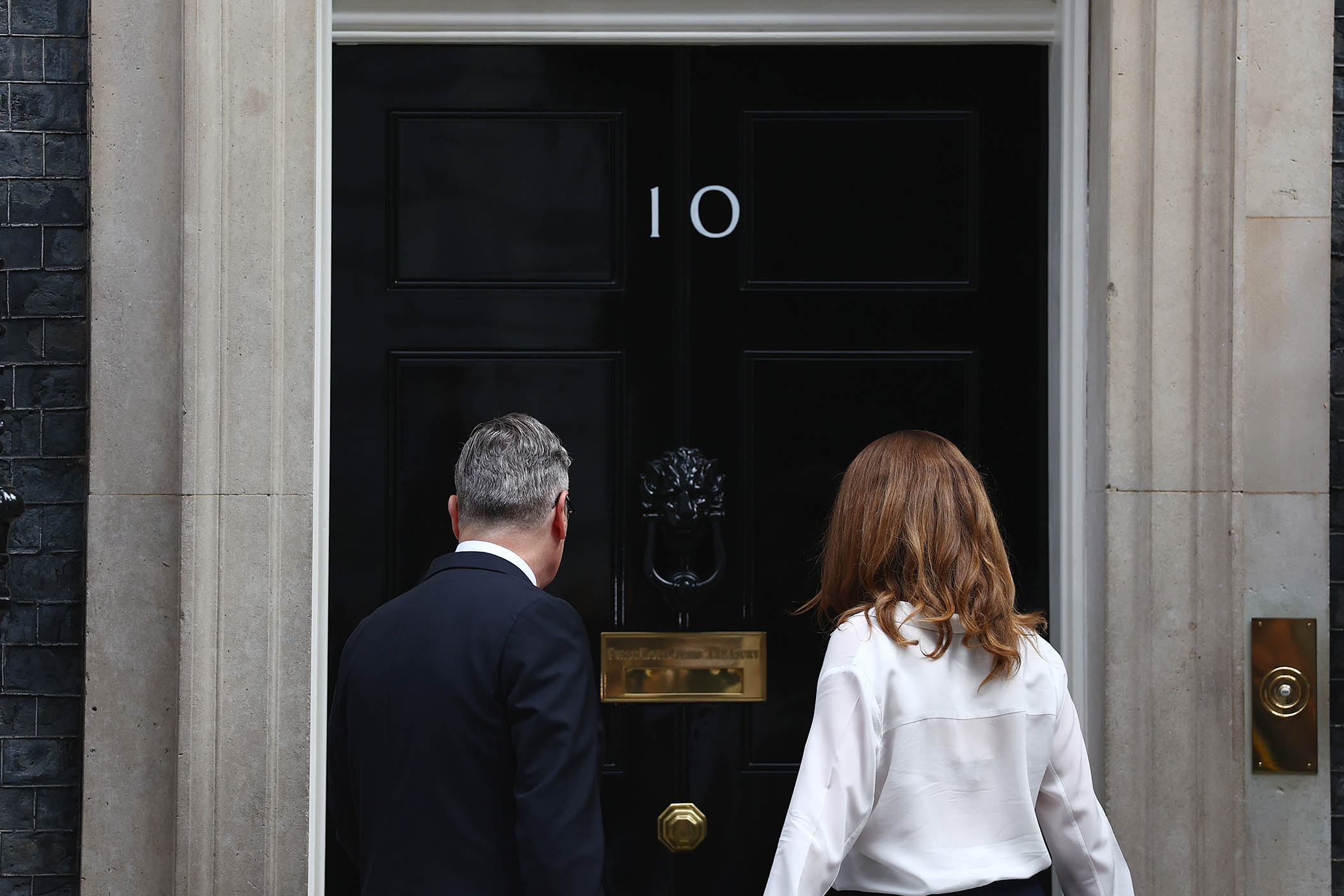
Keir Starmer is not the man most people in his party, let alone most people in the country, would want as prime minister. He fails the key test of a Labour leader today: is he the person to see off Nigel Farage and the politics of nativism, vandalism and division? Sadly, no. He’s no story-teller. He could make “we will fight them on the beaches” sound like a mortgage application. His vision, as much as there is one, is bland and managerial; Ryan Gosling would struggle to make it attractive. It’s ironic that one of his pitches for the post of party leader was competence: he would run the country as he had run the Crown Prosecution Service.
As it’s turned out, Starmer’s people management is by turns aloof and impetuous. On policy, the U-turns that have marked his domestic policy reveal not so much that he caves to pressure as that he doesn’t know where he's going in the first place. And, with hindsight, the appointment of Peter Mandelson was a time bomb. It was hailed at the time as an uncharacteristically canny call to send a dealmaker to Trump’s Washington, but you didn’t need developed vetting to know Mandelson had a history of dodgy friendships, a client list that would make the Foreign Office queasy and a reputation among old Labour colleagues for loving a party more than the party.
And yet. The UK is a serious country with serious problems in serious times. Dumping Starmer over a bungled ambassadorial appointment – and parachuting in the fifth prime minister in four years – would make the UK look unserious. It would cement the view in the bond markets that Britain is ungovernable, and that would be expensive. It will swell the ranks of voters who give up on democratic politics because it’s a circular firing squad.
Who comes next? Who chooses? The Tories thought that getting rid of Boris Johnson would mean someone better. Instead we got Liz Truss, the loony right and a poorer country. There are two lessons from not-so-recent history. One is that we need to know who the people are who will be electing our next prime minister. At Tortoise, now the owner of The Observer, we fought – unsuccessfully – to force the Conservative party to tell us who was voting to choose the Conservative leader and thus the prime minister, after Tory members representing just 0.3 per cent of the electorate handed Truss the keys to No 10. Before Labour blunders into a furious leadership contest after its humiliation at the local elections, it would be good to think about who elects Starmer’s successor, how the election is run and what is done to ensure its safety.
As to the candidates to succeed Starmer, would any of them be better? Would the charismatic Angela Rayner be defined by her tax problems? Why does the principled and politically smart Wes Streeting not cut through with so much of his party, let alone the country? How can you have a serious contest without Andy Burnham, the erstwhile unreliable also-ran who now, in theory, has the best governing credentials and most cross-party support?
The results of the local elections in England and the votes in Wales and Scotland will continue to dribble in over Friday afternoon and Saturday morning. Already the huge swing forecast from Labour and the Tories to Reform UK has come to pass, and pundits are reaching for their thesauruses to find different words for a shellacking. They will tell us what we know: the public are pissed off. Labour MPs will mouth off, particularly Streeting cheerleaders looking for a quick handover. The press will report plans for a putsch. They’ll report Westminster fever dreams, too. Starmer won’t resign, he’ll fight on. And, for now, he should.
He has made serious blunders. He has also had bad luck. In February he said things were looking up for the UK economy, and they were. Then the US started bombing Iran and Britain’s unique vulnerability to world energy prices hit every voter in the pocket yet again. Starmer could yet catch a break. If the Strait of Hormuz were to reopen it is not impossible to imagine a more positive narrative about this pooterish prime minister.
Even so, there will, most likely, be a contest to decide who leads Labour into the next general election. There should be. Starmer has not, as yet, proved himself to be up to the job. But when that contest comes, it needs to be an election that is open and serves the best interests of the UK, not the factions of the party. It needs to be an election that sees the best range of candidates putting their case for the future of the country. Labour needs to show that it is a party committed to the hard work of government, ready and able to defeat Reform's politics of deportation, corruption and national self-harm – a politics financed by a Bangkok-based crypto billionaire who is buying up wraparound election-day newspaper ads yelling “Get Starmer out”.
Reform’s agenda is to disrupt at any cost. To take it on and defeat it on the merits, Labour needs to be smarter than the last lot. The UK has, for a decade, paid the price for Brexit, a factional fight within the Conservative party, a cabinet-level psychodrama that ended up costing us 8 per cent of GDP. The trigger for the Brexit referendum was David Cameron being spooked by the local elections. It didn’t end well. Starmer has work to do. There is time, still, to judge that work, and him.
Photograph by Lauren Hurley / No 10 Downing Street
Newsletters
Choose the newsletters you want to receive
View more
For information about how The Observer protects your data, read our Privacy Policy