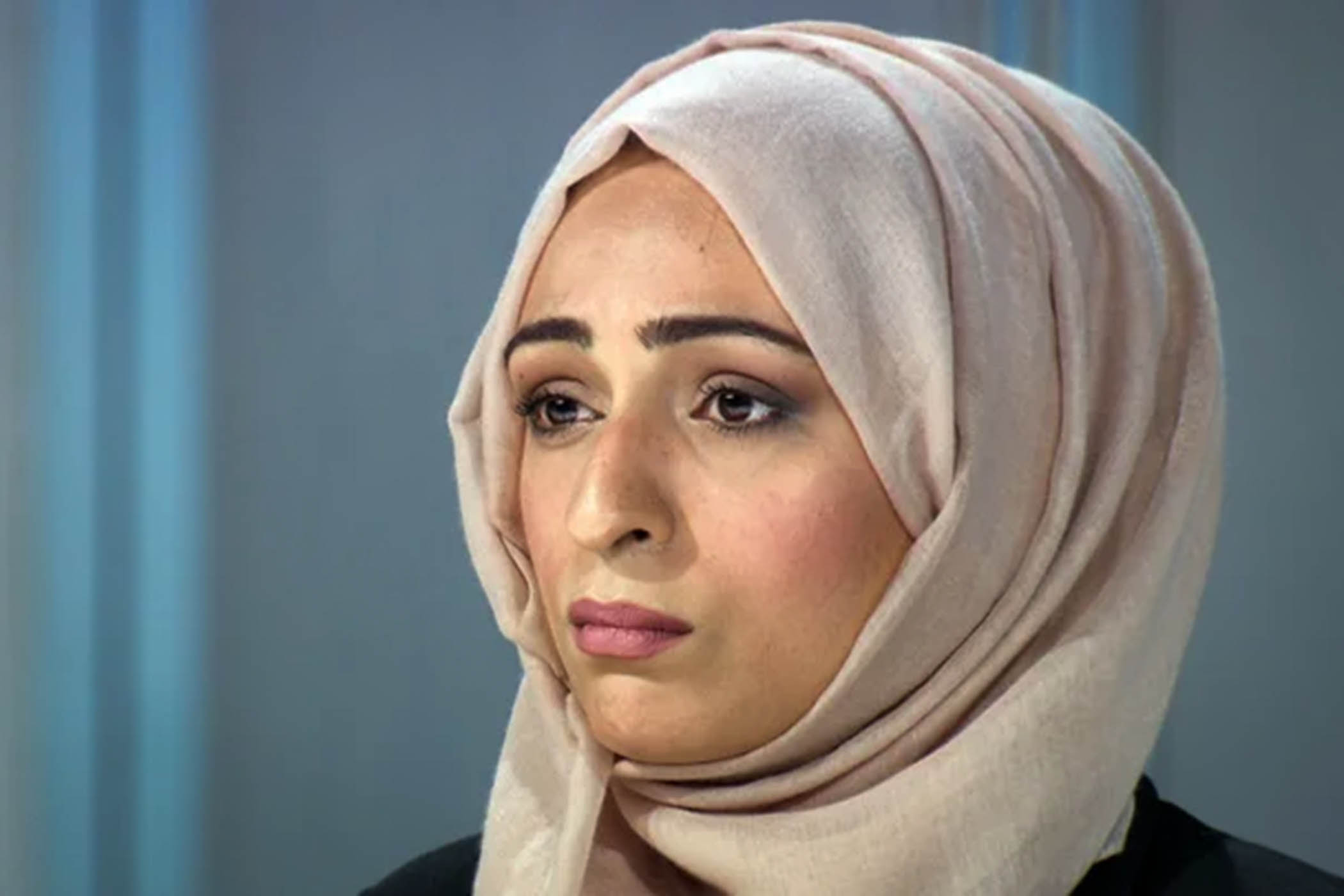
Dressed up as a pepper shaker, the reality TV show contestant stumbled through a sales pitch for a gourmet salmon risotto recipe box. The pitch – and a joke about Donald Trump – fell flat, and Bushra Shaikh was “fired” from Season 13 of The Apprentice.
Last month, she appeared making a very different kind of pitch on a stage in Tehran. Addressing hundreds of flag waving government supporters – and her own followers on social media – she railed against the US and Israel.
“I’m so sorry to see what your country is suffering because of the Epstein empire, the Zionist empire,” Shaikh said, standing in front of a banner reading “Vengeance for All”. “All I’m here to tell every single person here is that there are millions, billions of people outside of Iran who support you, who love you, who detest Donald Trump, who detest Bibi [Benjamin] Netanyahu for what they are trying to do inside of your beautiful country.”
Her unlikely trajectory highlights the growing role of influencers in shaping narratives around war as the media and audiences splinter. “Conflicts draw a lot of eyes and people are eager to take advantage of that,” said Joseph Bodnar, a senior research manager at the Institute for Strategic Dialogue. In the battle for public opinion, influencers provide access to ready-made audiences that might not otherwise be receptive to a government’s message. “It increases the reach and normalisation of Iranian propaganda,” Bodnar added.
Only China, North Korea and Eritrea ranked below Iran in the latest World Press Freedom Index. Out of 180 countries, it came 177th, behind Taliban-controlled Afghanistan.
Iranian journalists have faced mounting pressure since the US and Israel started the war, while access for most international media is tightly controlled – or denied. But Iran has opened the door to a select group of foreign media including Shaikh, who describes herself as a citizen journalist.
During a tour around the country, she met with the grieving parents of some of the 120 children killed in an American missile strike on a school in southern Iran.
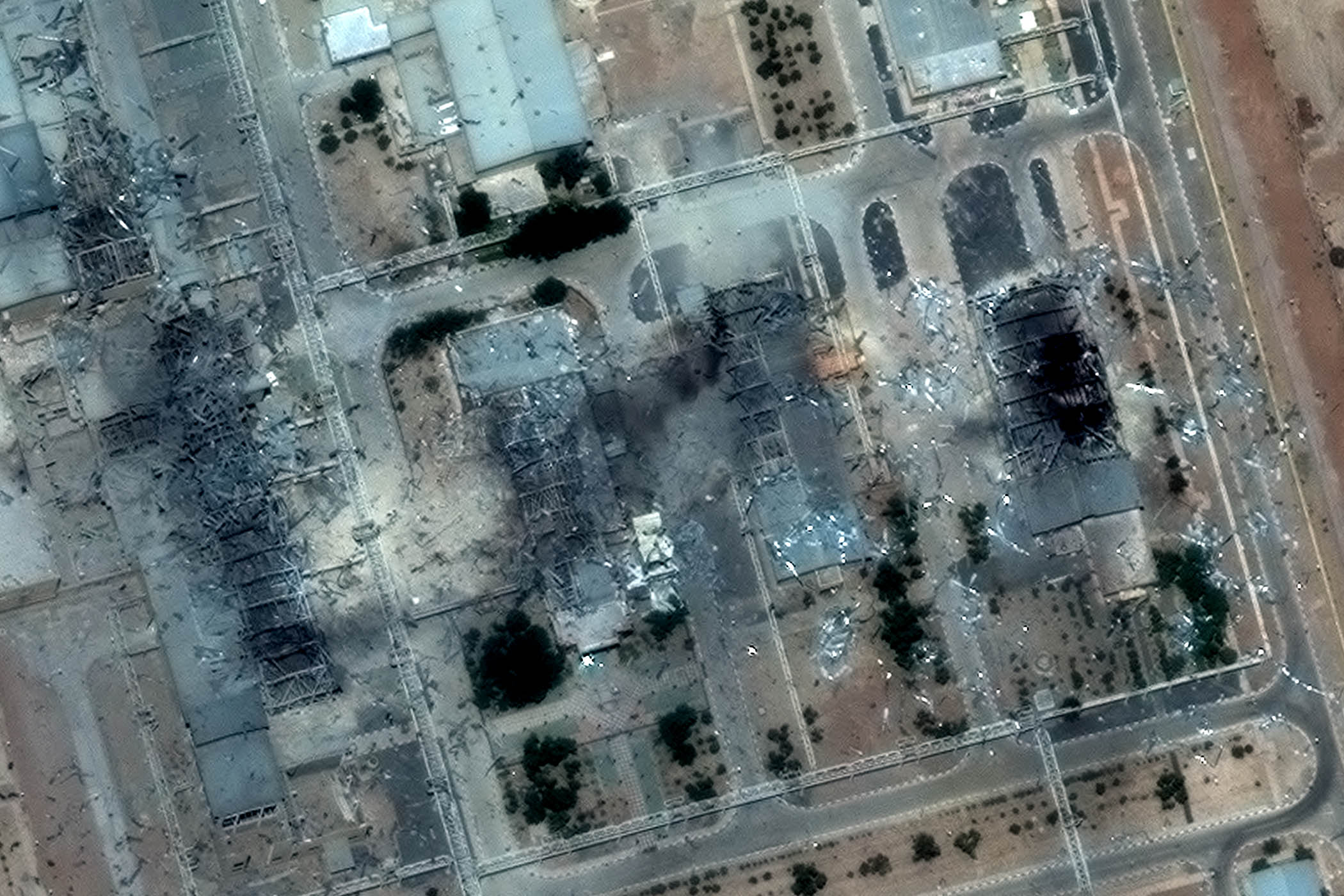
“Where is the international community? Grave war crimes and the silence is deafening,” she said, standing in front of the wreckage of a bridge struck by US bombardment.
At the same time, however, she has downplayed Iran’s violent repression of its own people, dismissing protests earlier this year as “Mossad-backed riots”.
While Shaikh was posting videos to her followers on social media, most Iranians remained cut off from the global Internet. Addressing the blackout, Shaikh said people outside Iran appeared to be more concerned about it than those inside the country. “Most don't see it as a government crackdown but rather temporary citizen security.”
There were meetings with the head of the National Security and Foreign Policy committee of Iran's parliament, and the spokesman for the Ministry of Foreign Affairs, with whom Shaikh discussed negotiations with the U.S. and “had a laugh about Donald Trump”.
On a boat near the Strait of Hormuz, she admired Iran’s might in blockading the strategic waterway. In other posts she lavished praise on Iran’s rich culture and cuisine. “Everywhere I go in Iran, someone knows who I am. They take selfies with me and thank me immensely for standing with them, for being their voice,” she said.
It is an unlikely career trajectory for a former modest fashion business owner. After appearing on The Apprentice in 2017, she founded the first British Pakistani-led anti-racism organisation and featured in another TV programme on Channel 4 last year. It was then that antisemitic posts were unearthed by the Campaign Against Antisemitism. Appearances on Iran’s English-language Press TV followed.
The recent tour appears to have been organised by a media institute affiliated with Iran’s state broadcaster.
A petition demanding the UK government investigate Shaikh for potential breaches of Iran sanctions and the foreign influence registration scheme has received 30,000 signatures.
“In the end, who's behind it? Do the recipients know whether this is an independent influencer activity or a motivated action?” said Dr Lukasz Olejnik, a visiting senior research fellow at the department of war studies, King's College London and author of the book Propaganda.
The influencer playbook has been adopted elsewhere.
Israel has blocked international journalists from entering Gaza independently since 2023 when it launched a campaign that has laid waste to the enclave and killed more than 70,000 Palestinians. But after the UN declared a famine in Gaza last year, Israeli authorities invited influencers and international journalists to an aid distribution site in the enclave.
“I’m here in Gaza and all I see is food, water and opportunity but instead of Hamas distributing the ramen noodles they’re eating it all,” American influencer Xaviaer DuRousseau told hundreds of thousands of followers in a clip filmed in front of boxes of aid in the background. “Now this food is sitting here collecting flies but y’all want to blame Israel.”
Russia, too, has recruited influencers as part of a covert effort to.
In response, the US has directed its embassies across the world to recruit local influencers as part of a campaign to counter foreign propaganda and make American narratives feel organic, according to a cable seen by the Guardian.
“Information is so diffuse now,” said Bodnar. “There’s no single source of truth anymore that people trust, so they’re turning to these influencers who might not have all the facts – and that's harder to defend against too. It’s easier to convince an outlet to make a correction than it is to fact-check hundreds of influencers who are pushing inaccurate information – willingly or unwillingly.”
Photograph by BBC
Newsletters
Choose the newsletters you want to receive
View more
For information about how The Observer protects your data, read our Privacy Policy