

Brexit, Covid, Jeremy Corbyn, Boris Johnson, Nigel Farage, Liz Truss, the threat of war in the air, the revolving door of prime ministers, the cost of living crisis, broken Britain: everywhere you look, everything is worse than ever, and it has been that way for 10 years. Politically, spiritually, the mood of the country is so low that if a new messiah were to make an appearance tomorrow morning, any enthusiasm about the new arrival would be lucky to survive as far as lunch. So it goes.
Andy Burnham is not the messiah. Obliged, as all MPs are, not to tell lies to the House of Commons, he admitted as much when he was sworn in as the member for Makerfield. But his victory there was, in part, a win for hope over despair, and a reminder that – of course – people’s thirst for optimism is unquenchable, especially when the outlook seems bleak. It is only human.
The UK’s problems are entrenched, and underlying them all is the lack of growth that impoverishes families and hems in political choices. For Burnham to become prime minister without offering a serious vision for growing the economy is extraordinary. His only major policy speech since he was re-elected to parliament set out plans for greater devolution and for a No 10 North. Both might help growth; neither is remotely sufficient.
But Burnham’s policy glass is half-full, and Keir Starmer’s legacy is a hand on his back. The UK’s growth forecasts have been revised upwards and illegal immigration, which has boosted the rise of Reform UK, is falling. The war in Iran has damaged the global economy but not as badly as feared. And Nigel Farage’s ruinous miscalculation in triggering a byelection in Clacton has neutered Reform as a threat, for the summer at least.
Relatively speaking, the sun is smiling on Burnham. And now that he is in a position to make the political weather, the very early signs are that he has the skills and determination to do it well. The widely trailed announcement of Shabana Mahmood as chancellor of the exchequer – expected to be confirmed tomorrow – is a retort to those who say that Burnham cannot take difficult decisions (a hard-headed political calculation that seems to have overridden his friendship with the other serious candidate, Ed Miliband) and a mechanism to buy a tiny but potentially important margin of financial headroom. The new prime minister and chancellor will need to show business that they mean business – and, as Will Hutton sets out on page 29, they can. Likewise, there are people with a depth of experience who, under the banner of Rethinking the Future on pages 32-33, set out far-reaching, but achievable reforms to energy costs, social care, welfare, education and culture.
In picking his team, the signs are promising: James Purnell, the new chief of staff, has insightful political judgment and a grip on policy detail; many of the talented people who were looking to leave Downing Street – the likes of Jonathan Powell on foreign policy, Varun Chandra on business – are staying. And Burnham has a new generation of political talent – Miatta Fahnbulleh, Georgia Gould, Kanishka Narayan and more – on his benches.
Aside from getting his big appointments right, as he must do over the coming days, Burnham will rely on the softer skills he brings to the job of prime minister – his antennae for the public mood – to take the country with him. The antennae are not an accident: on top of what he learned through the Manchester mayoralty, Burnham has two brothers who work in education, and a father with dementia who is now in residential care, with all the difficult choices that entails. There may never have been a prime minister more intimately in touch with the strengths and weaknesses of the public sector.
As Burnham settles into No 10 (south), he could do worse than bear in mind the mantra of a former prime minister of New Zealand, Norman Kirk. Like so many great phrases, it may not have been uttered 50 years ago in quite the way it is recited now, but it was good enough for Kirk’s successor, Jacinda Ardern, to treat as gospel: “People don’t want much. They want someone to love, somewhere to live, somewhere to work, and something to hope for.”
For decades, those words have been an inspiration to political devotees, and a worry. What does it say about the scope of politics that no leader these days would dare to say something so simple? Intriguingly, Burnham might dare.
It won’t be 1997 in Downing Street tomorrow morning. The new prime minister will not arrive on a wave of optimism after leading his party to a thumping general election victory, met by crowds waving union jacks and singing along to the pop soundtrack Things Can Only Get Better. Nearly 30 years later, Britain is less confident of itself. But the moaners miss the point. The new team in Downing Street have political smarts, policy experience, a personal touch and belief in the people and potential of Britain. Things can also get better.
Newsletters
Choose the newsletters you want to receive
View more
For information about how The Observer protects your data, read our Privacy Policy
What are your thoughts on this? Send us a letter to letters@observer.co.uk
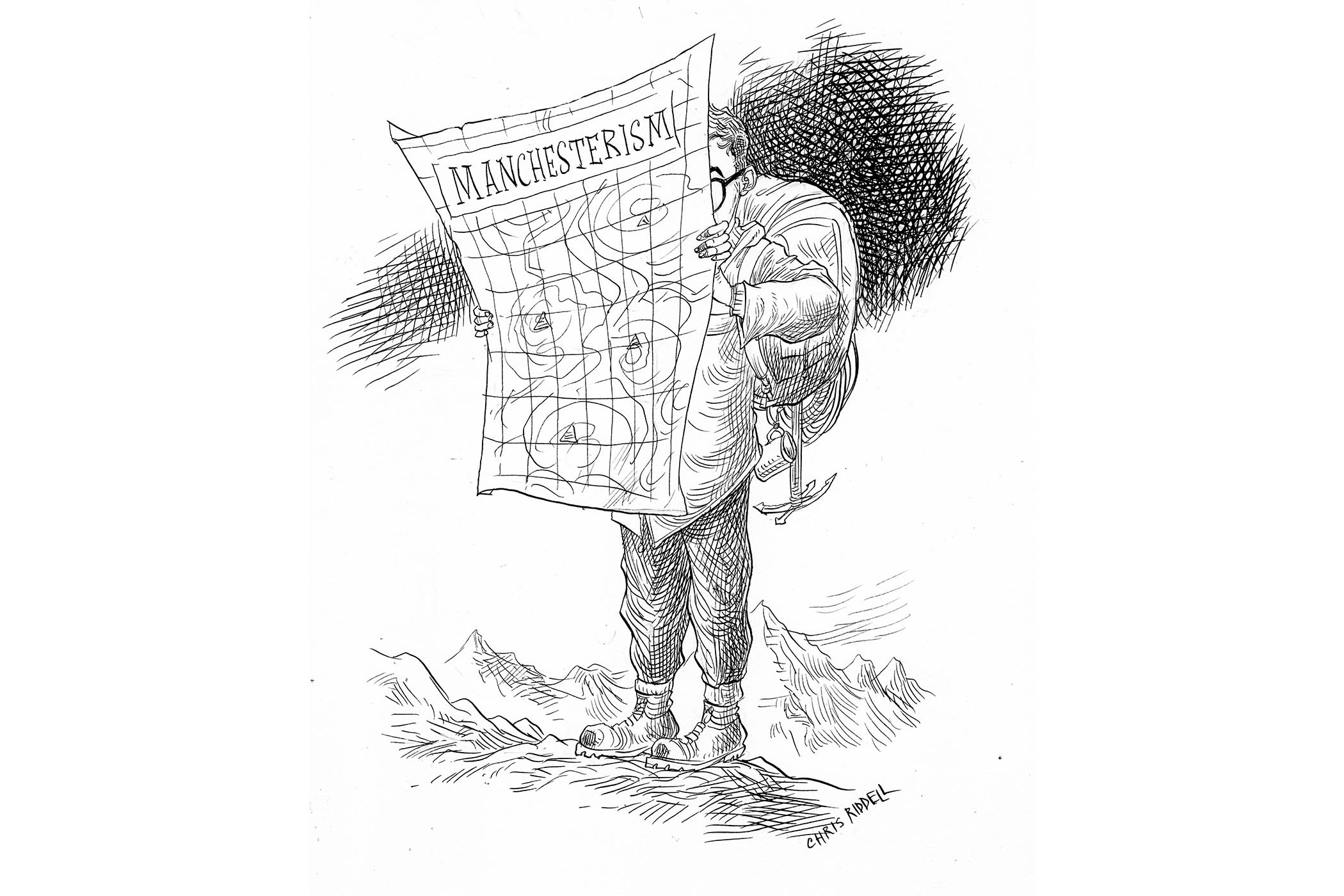
Illustrations by Chris Riddell