
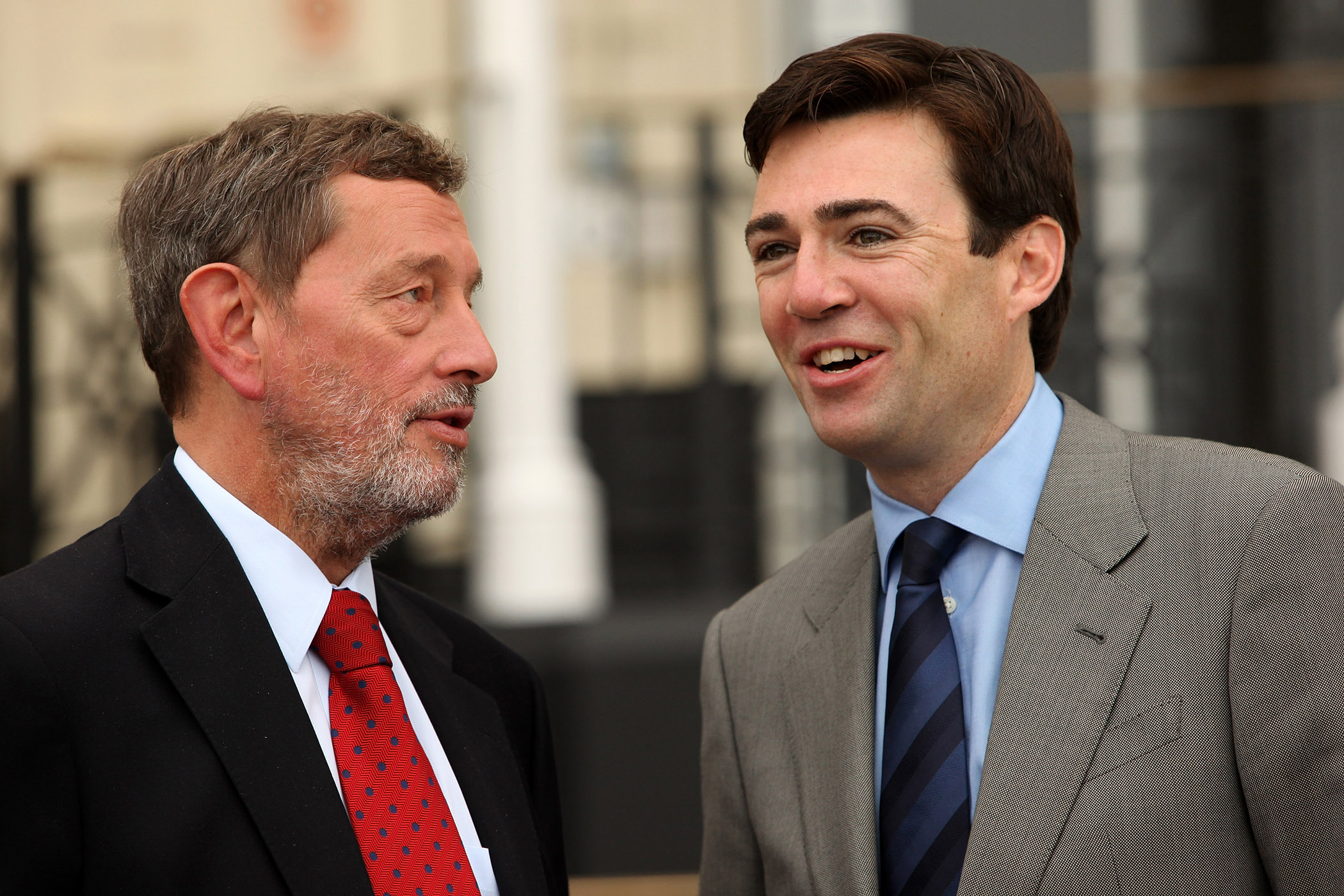
Andy Burnham will find his Downing Street in-tray filled with economic and social challenges. We asked eight experts how he should tackle them. In this analysis, Helen Barnard looks at welfare. Click here for the rest of the series
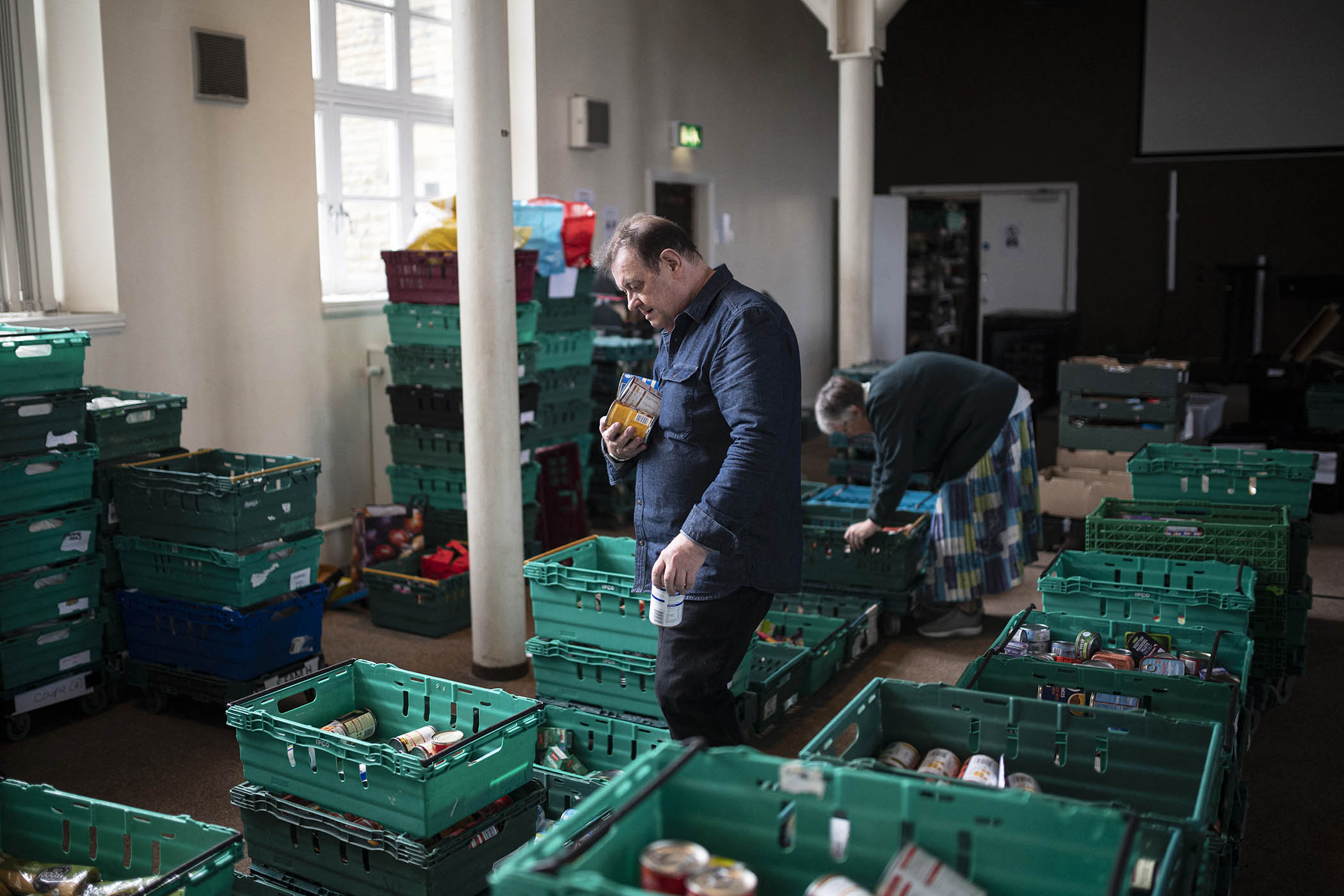
A generation of children is growing up thinking it is normal to see a food bank in every town. It is a visible sign of Broken Britain. And as Luke Tryl, the executive director of More in Common, wrote for Trussell last autumn, being seen to make real progress on tackling poverty is a key public expectation of Labour.
We have seen some progress over the past two years. But last year food banks in the Trussell network provided 2.6m emergency food parcels, the equivalent of one every 12 seconds. That is still 45% higher than in 2019.
At Trussell, we know that hunger is not a food problem – it’s a money problem. Food banks exist because people’s incomes are too low to afford the essentials we all need to survive. And the single biggest driver is the failure of our social security system to protect people from hunger.
Every day, food banks see the damage that causes: the impact on people’s physical and mental health and the isolation caused by living on an income so low you can’t afford essentials like food, heating or even the bus fare to a hospital appointment. Tackling this is crucial to delivering Andy Burnham’s promise to “lift the country back up”.
He has made it clear that welfare reform will be high on his agenda, alongside a welcome commitment that he will focus on underlying drivers not “blunt cuts”. This is sensible, as trying to reduce costs by slashing social security is both unpopular with the public and counterproductive.
Two urgent challenges confront the prime minister. The first is reforming support for disabled people. Interim findings from the Timms and Milburn reviews show that the system is failing many of the people it is meant to support. Too often, disabled people face a complex, dehumanising system that leaves them fighting for the means to survive instead of building their lives, including getting into or progressing in work. With both reviews due to publish their final recommendations this autumn, Burnham has an opportunity to reform the system and genuinely open up opportunity.
The second challenge is tackling the high rents driving people into homelessness and towards food banks. More than a quarter of private renters (28%) face hunger, according to a Trussell report. Low-income households in the private rented sector spend nearly two thirds (63%) of their income on rent, the English Housing Survey reported, leaving many without money for food, bills and other essentials. Meanwhile, local housing allowance remains frozen while rents continue to rise. This is a ticking time bomb for communities facing rising hunger and homelessness, and for local authorities, warning they face bankruptcy over the cost of temporary accommodation.
Burnham has long had a strong interest in tackling homelessness and fixing Britain’s broken housing market. Alongside boosting house-building, he should urgently restore the link between local housing allowance and local rents, so that support reflects the reality of what people are paying. Pairing this with a cautious foray into rent controls would help to limit the cost to government and rebalance the housing market more broadly.
A third challenge lies underneath these two urgent issues – a fundamental weakness in our social security system. Universal credit, which should be a lifeline for any of us when times are tough, is currently set without any reference or meaningful connection to the actual cost of essentials such as food or household bills.
Newsletters
Choose the newsletters you want to receive
View more
For information about how The Observer protects your data, read our Privacy Policy
That leaves too many people struggling when they experience a drop in income because of illness, disability, caring or redundancy. The new prime minister can build firmer foundations by ensuring that the basic level of universal credit is informed by independent evidence of what people actually need to afford the essentials.
That would not end the need for food banks overnight but it would be a significant step towards ensuring that people are protected from hunger rather than driven towards it.
Helen Barnard is director of policy and research for Trussell
Photograph by Oli Scarff / Getty Images
______________________________
Other articles in this series: