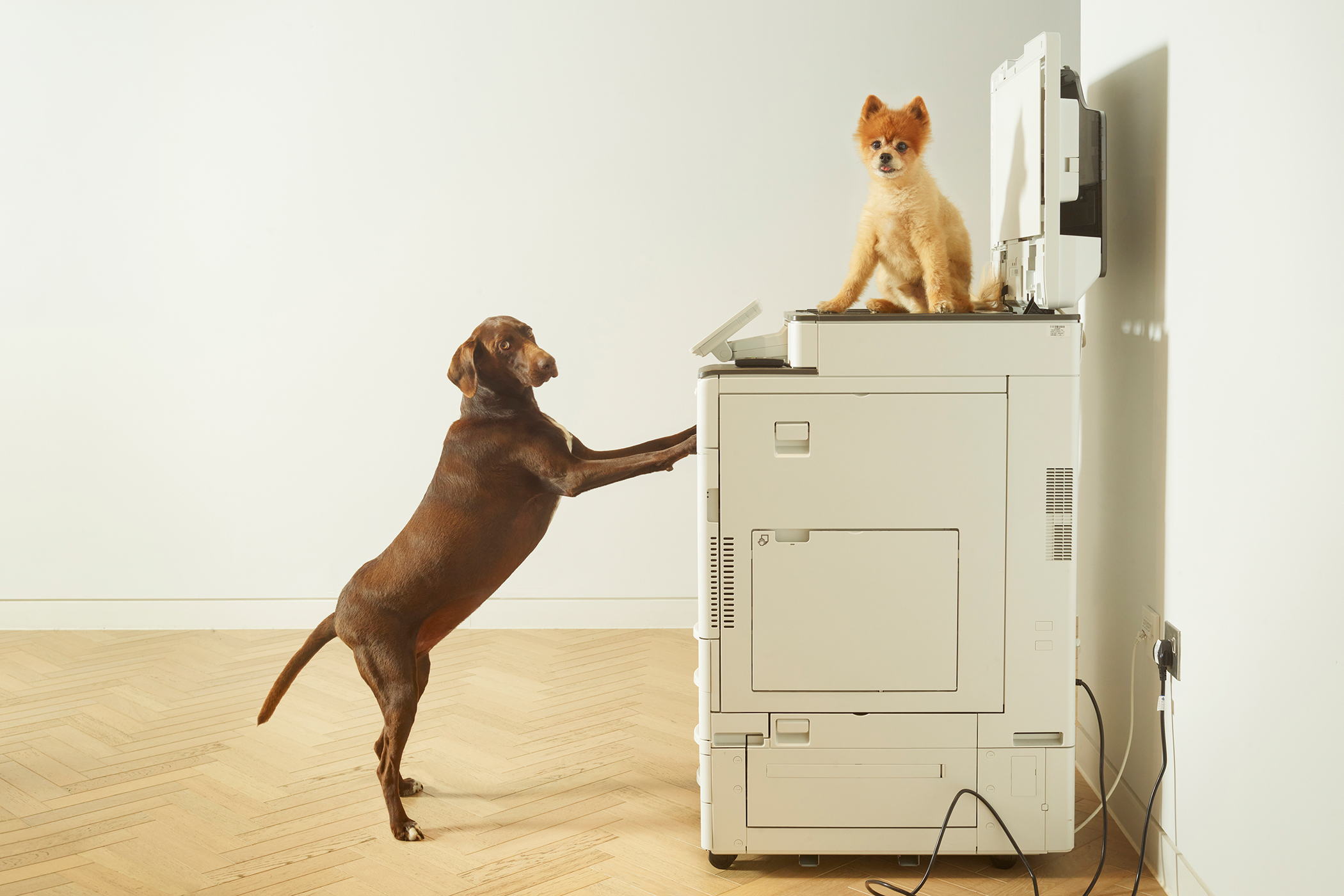



The names have been changed to protect the anonymity of those mentioned. So let’s just call him “Fido”. It is 2017. I still have an office job and I am doing my usual office-job thing, which is typing as rapidly as possible so I can take a two-hour lunch and then the rest of the afternoon off: 100 words, 200 words, 1,000… just like that. I have never felt more powerful in my life. And then the barking starts.
Rrr-yip!
Then: Rrr-yip!
Then again: Rrrrrrr. (Longer this time.)
And: YIP! (Louder this time.)
It did it all day. At 10am I abandoned my work and made a coffee in the breakout area and said to five different people, “You hear that dog going off in the office?” A strategist from upstairs ambled down at 11am and we all talked in stage whispers about it. One of the social media team, a really pleasingly Nordic guy, came down to our desk at noon wearing the same eyes-wide gobsmacked face we’d been wearing all morning.
“Is that a dog in the office?” he said.
“Really seems like it, doesn’t it?” I said.
“A dog. In the office,” someone else said.
“I am, like, really, astoundingly allergic to dogs,” the Nordic guy said.
Newsletters
Choose the newsletters you want to receive
View more
For information about how The Observer protects your data, read our Privacy Policy
The email came at 1pm. All-office, marked urgent. The subject line read DOG IN THE OFFICE and the body of the email essentially said, Hey, you know you can’t just have a dog in the office, right? At 3pm Fido quietly headed home. Everybody was talking about it for days.
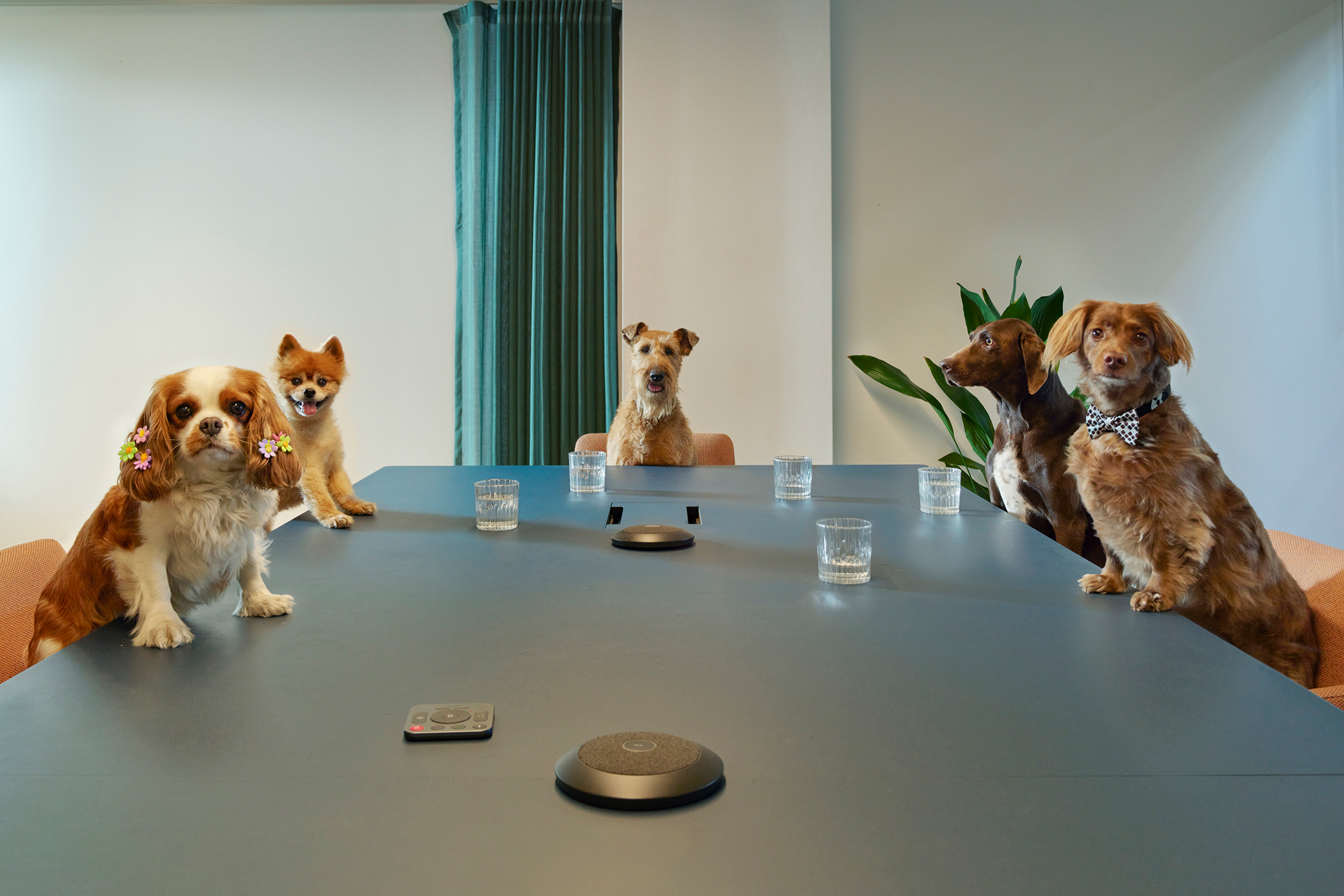
You might remember Covid. I won’t go over it again. But more than a few things happened in those two-ish years we were locked inside and then outside again and then inside, and one of them was: a lot of people went mad and adopted a dog. I did.
And then what happened was we were all actually allowed back into offices again. And not just that. Though so many of us thrived in our remote-work utopia, our companies wanted us back in the office. And so everyone who had got a dog during the pandemic suddenly had to bring it to work with them. A lot of these dogs, adopted rapidly and cooed over like children for months before they were allowed to properly mix with other animals – canine or human – were not equipped for office life. And a lot of these new dog parents thought nothing of the notion their dogs could and should go anywhere and everywhere.
So now we live in a world where there are just dogs there, sort of panting next to you while you’re trying to do invoices.
Not everyone is thrilled. My theory is that, though dogs are cute – and I will admit they are cute – there is a small but powerful groundswell of people who have had to endure dogs in their places of work for too long now and are rapidly going off the things, and this could be poised to become a kingdom-ending discourse between dog-lovers and the dog-indifferent.
On the side of those who love them: “Who’s a good boy? Who’s a good boy? Yes he is! Yes he is!”
On the other: “They smell weird, they have bad manners, they are far cuter to the owners than they are to tertiary parties.”
Have you ever seen two dogs notice each other across a room, start playfully barking at each other and straining against their leads, and watched as their owners just tilt their heads up and laugh? In a park: sure, very nice. While you’re in the middle of an important meeting, or on a call, or just trying to type? Really unideal, actually.
I put a call-out for opinions.
“I’m sick and tired of living in a world of dog-[fornicators] who think their slobbering [poo]-eating little creature needs to come everywhere with them, and that the rest of us should be delighted about it,” said Lily, one of my calmest and least-opinionated friends. “Your dog does not have a job. It does not need to be in the office or this co-working space. It does not need to be wearing a stupid little jumper. I would go so far as to guess that actually it doesn’t want any of these things either and that you are projecting on to it, and that as a society we should be less accepting of the weird psychosexual relationships between dog owners and their ‘fur babies’ (ew).”
(Given the voracity of Lily’s opinions, I have done them the service of changing their name.)
Opinions continue. It seems that a lot of people have to deal with the unique personalities of the dogs that occupy their office and that is just the end of it. “We have two in our office,” Rita tells me. “A rescue husky who actually bites people and we can’t leave the office until he lets us, and then the most pathetic whiny little dog who just cries every time his owner leaves the room.” (It does feel that getting bitten at work used to be way more exclusive to postmen in the Beano than it is now.)
“I used to have a boss who had a chow who only liked him and it would sit outside every meeting room howling until he came out,” Libby says. “It was our job to entertain the dog until the boss emerged hours later.”
Another recurring theme is how often a dog just turns up in the office one day without any discussion and suddenly the office is a dog-friendly space.
“I have never consented to it and always had to pretend to be nice to them,” Yasmin says.
“I’m not against dogs,” Libby continues. “But there’s something about working below your pay grade while an emotionally unstable animal screams outside Conference Room Two that has put me off the whole concept forever.”
As part of my research I came across a lot of co-founder-slash-CEOs who ruined the vibe of their start-ups by trying to toilet train a dog during office hours. “An opaque ‘friend of the board’ bought her dog in and would let it roam around the office,” Tom tells me. “While in a meeting it pissed both on and in my bag.”
Alison has a fear of dogs from an early childhood scare with an Irish setter, so didn’t take too well to a huge beast belonging to the CEO joining her in their first-day-on-the-job welcome meeting. (“He had to call someone to take the dog, because I couldn’t engage properly with it pawing at me.”)
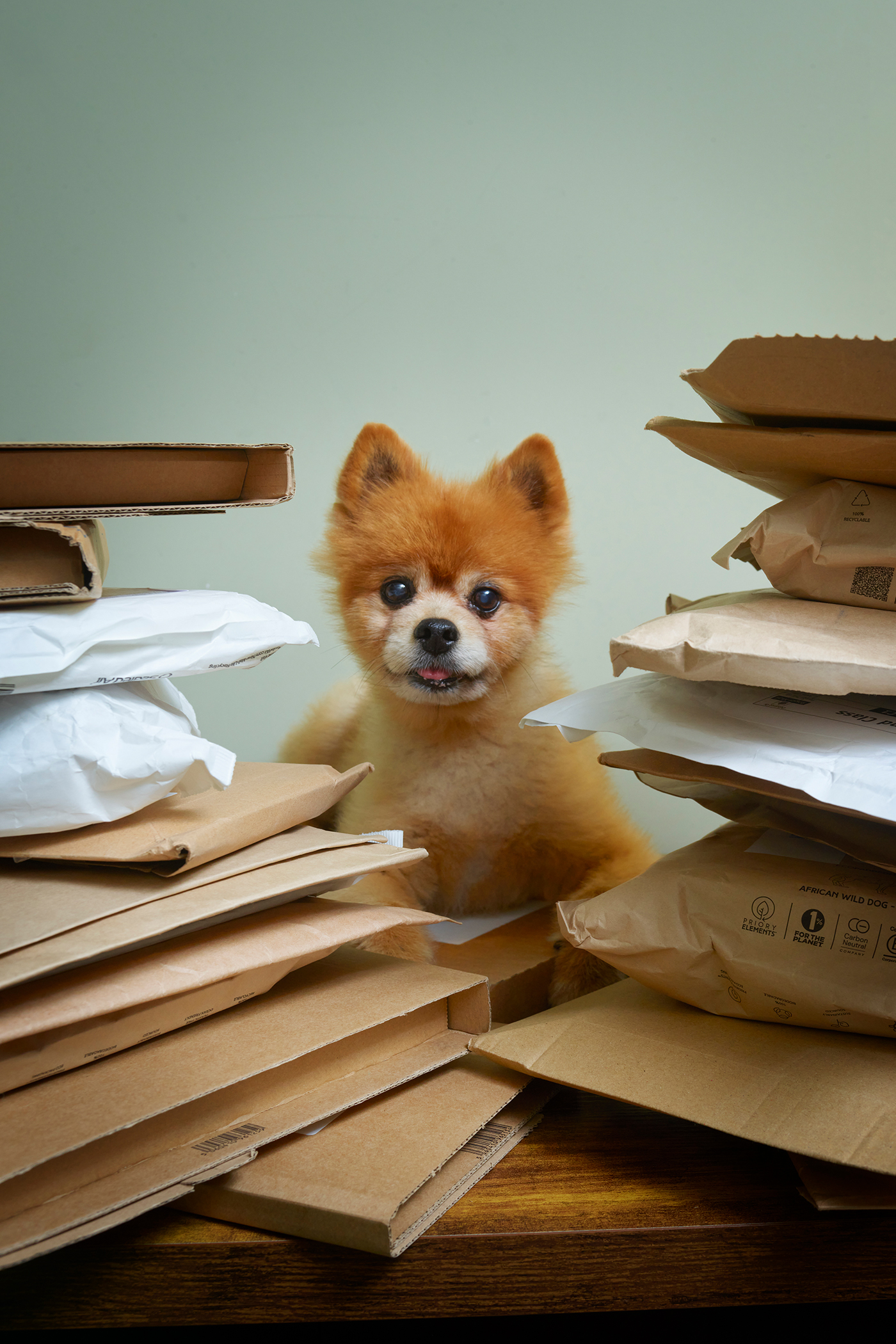
Gareth, a former teacher, tells me, “My old headmaster brought her untrained ‘therapy’ puppies in and got kids to take them out on to the field at lunchtime and clear up any poos that they did.” Unsurprisingly “one child was bitten”, which I truly think is quite a low hit-rate.
This was not the only dog-at-a-school story that came up. “Some people love to buy a dog, bring it to school, and all of a sudden we have a ‘school dog’ running around the field,” Mel, a teacher, says. “Sure, it’s nice for the few students who need to take a minute to regulate, but in my humble opinion a dog doesn’t belong in a school. A colleague of mine got a puppy and liaised with the head teacher to bring her in as school dog #2. She was a pretty fresh puppy and really excitable and lived in our office and stank the place up when it rained.”
I have heard a lot about diarrhoea lately. I am not going to relay the specifics. The same goes for dogs taking funky-smelling too-yellow wees on the carpet. You get the idea. “Mine dropped a waterfall of piss in the stairwell and there’s still a weird stain to this day no one talks about,” says Lisa, one of the few dog owners who came forward. “I just hope that if people assume I had something to do with it, they think it was the dog and not me.”
Another dog-owner speaks: “You do not want my 25kg bull breed running off with your laptop bag because you ignored his incessant barking for attention,” says Anonymous. “But now dog-friendly policies mean people act like I’m being unfair for not bringing him into the office, and ridiculous for working from home to hang out with him somewhere where he’s chill. I think more owners should be killjoys like me.”
“We had eight dogs in the office – running around, barking loudly during calls – and, on multiple occasions they have hunted down and pulled out my sweaty sports bra and knickers from a gym class and paraded them around the office,” says Cerys.
Tim says, “I’m allergic but feel like a killjoy for piping up about it. Who wants to be that guy!?” An allergy to dog dander is a common side-effect of both asthma and hay fever, and affects around 5-10% of people. But because we’re a nation of quite troublingly intense dog-lovers, a lot of those concerns get ignored by allergic owners in favour of the view: “I like my dog, and my dog is cute!”
In an I-am-not-expecting-a-dog-to-be-here-right-now scenario, people often switch off to the idea of them. I once stepped on a dog’s paw in a work lift and can still hear the baleful and eerily human yowl in my head when I have trouble getting to sleep. But that is nothing compared to one of the most famously tragic dog-at-the-office stories. In 2013 Alan, the Tatler dog, got stuck in a revolving door at the headquarters of magazine publishers Condé Nast and succumbed to his injuries, while another staffer was treated at the scene for shock. “There was an accident at the reception of Vogue House and sadly the dog did pass away,” a Condé Nast spokesperson said at the time. Personally, I don’t think you should have to even think about watching a dog die when you go to work in the morning.
Many systems of dog management have been suggested to me over the course of my studies. Some of them involve “banning dogs from offices, possibly even just Britain in general”. Other, more liberal ideas suggest actually just talking to employees about whether they want a dog in the office before just bringing them in, which seems like a startlingly rare procedural. (“I have a colleague and we only message each other hate when people suggest making the office dog-friendly,” says Gemma. “That’s the only thing we ever speak about, ever. Every couple of years it comes up and we message about it.”) Even if you don’t have dogs in your office, you’re not quite safe: “Anonymous, please,” says Anonymous. “My fiancée works at a pet-food company and they have dogs in the office constantly, and they have never been able to get a handle on the dogs pooing and pissing in the office. Anyway, they recently had a complaint from the office below because dog wee had accumulated in the ceiling and was DRIPPING ON TO A WOMAN’S DESK IN THE OFFICE BELOW.” One correspondent suggested a sort of “if the owner is sound, the dog is allowed” system, but I feel like ranking your colleagues based on whether they are all right or not seems like a slippery slope.
How do we resolve this? Well, a modest pitch. I have had a fairly patronising session of training to operate in every office I’ve ever been inside and, personally, I think it’s time for our HR departments to step up and do something other than that thing where once every three months they email to tell you about a 30% discount they’ve negotiated at a gym you’re never going to go to.
Simple dog-training and dog management skills should be in the remit of every human resources professional working if we’re going to keep both them and dogs around. But to dog owners, a warning: a lot of people at work might be smiling at your face right now. They might be saying that little Laika is really cute and well-behaved. But secretly they are having a lot of thoughts. You should be cognisant of that. Stop letting them howl so much.
White-collar canines
Can you take your dog to work? Hayley Myers asked high-profile UK employers to share their pooch policies
Amazon: It depends. “Some of our offices are part of the DAW (Dogs at Work) programme and others are not.” Risk factors include “the nature of the team’s work or space, property management guidelines, or buildings that have simply not launched the programme yet.”
Google: Yes. And they call their office pooches ‘Dooglers’.
Unilever: No. “We don’t allow dogs in our sites,” a spokesperson wrote, “with the exception of service dogs.”
Guardian News and Media: Unclear. A spokesperson wrote by email, “We’re gonna pass on this one, but thanks for asking.” Rumours abound that the only dog allowed into the news organisation’s Kings Cross headquarters was owned by the chef and broadcaster Giorgio Locatelli..
PWC: No. “We don’t allow dogs in offices”, a spokesperson wrote, “other than assistance dogs in certain cases.”
Conde Nast: Yes. “They are allowed,” a spokesperson said, though there has been at least one dog death on site.
Tesco: Unclear. A spokesperson refused to comment on record.
NHS: Yes and no. Via email, a spokesperson told us it was down to the discretion of each Trust. “Broadly, assistance and therapy dogs are allowed, but access would be restricted in high-risk clinical areas due to infection control.” On a case by case basis pets may be allowed in end-of-life care settings.
LVMH: Could go either way. “I’m afraid I’m not aware of any LVMH policy on this,” a spokesperson wrote by email.
Dogs Trust: An enthusiastic yes (if guidelines are followed). A spokesperson wrote, “Dog welfare must be the main consideration. With the right arrangements, a dog-friendly workplace can be a positive experience for dogs, owners and their colleagues.”
Royal Mail: Absolutely not. “Unfortunately there were more than 2,000 dog attacks on postal workers reported in the last year in the UK,” a spokesperson wrote by email. “In that context, it would not be appropriate or safe for posties to bring their own pets with them on their rounds.”
RSPCA: Yes, if it works for all parties. “If the dogs show behaviours that mean they are uncomfortable, it’s best to find alternative arrangements,” a spokesperson said.
JP Morgan Chase: Unclear. “We won’t comment on record,” a spokesperson said.
National Trust: More or less. At some sites they’re practically on the payroll. “Dog rangers support activities including nature engagement and checking for wildfires with human colleagues,” a spokesperson said.
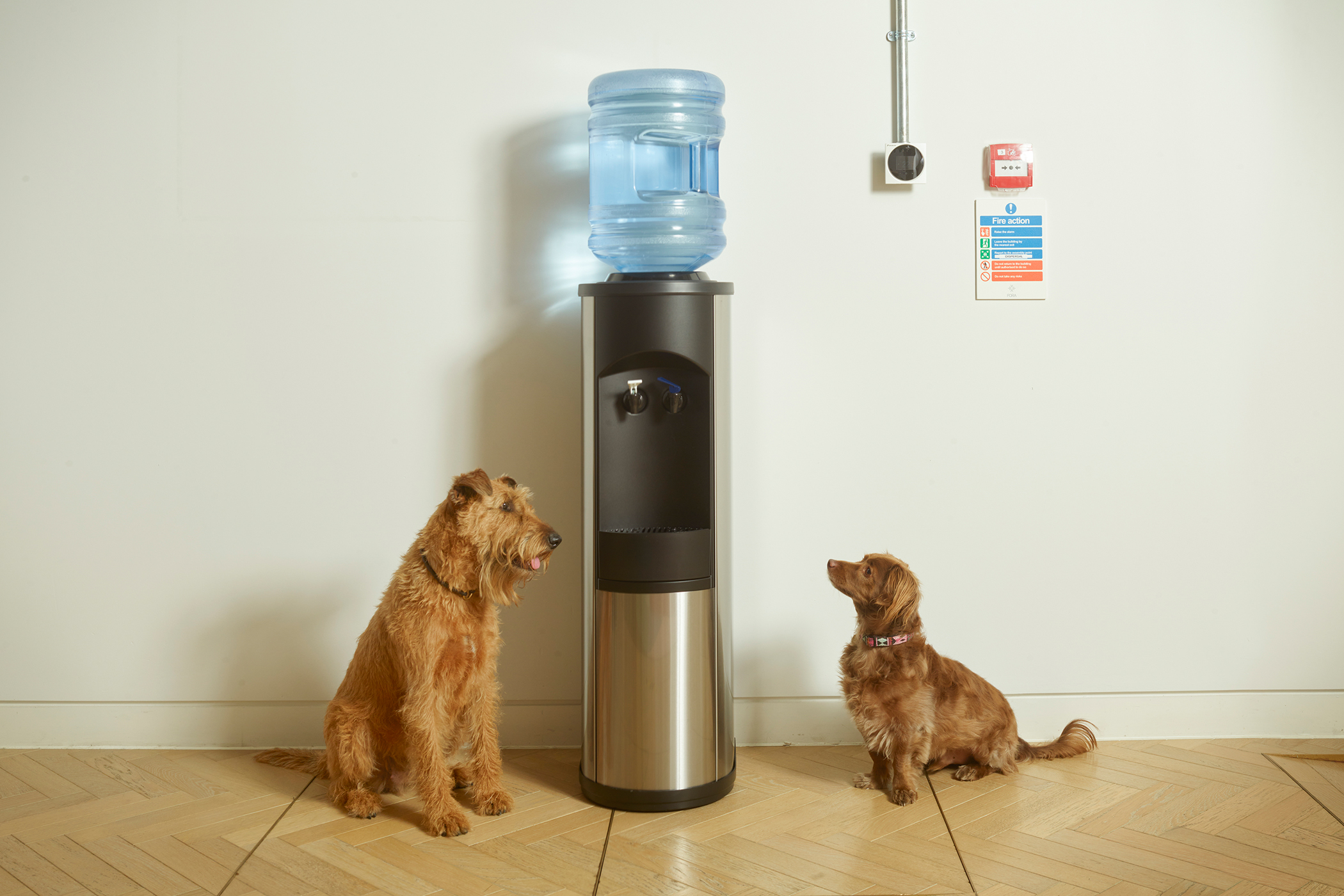
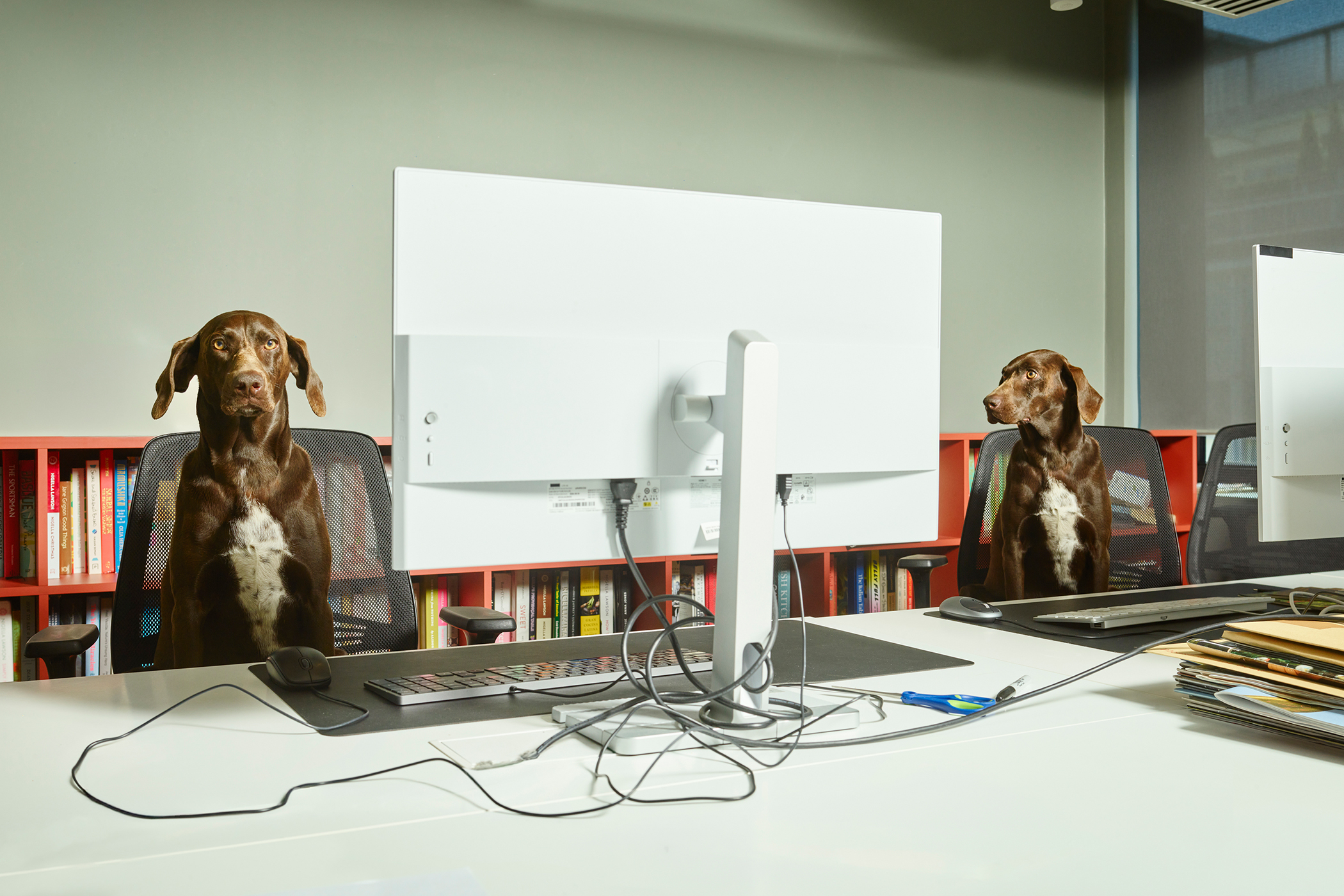
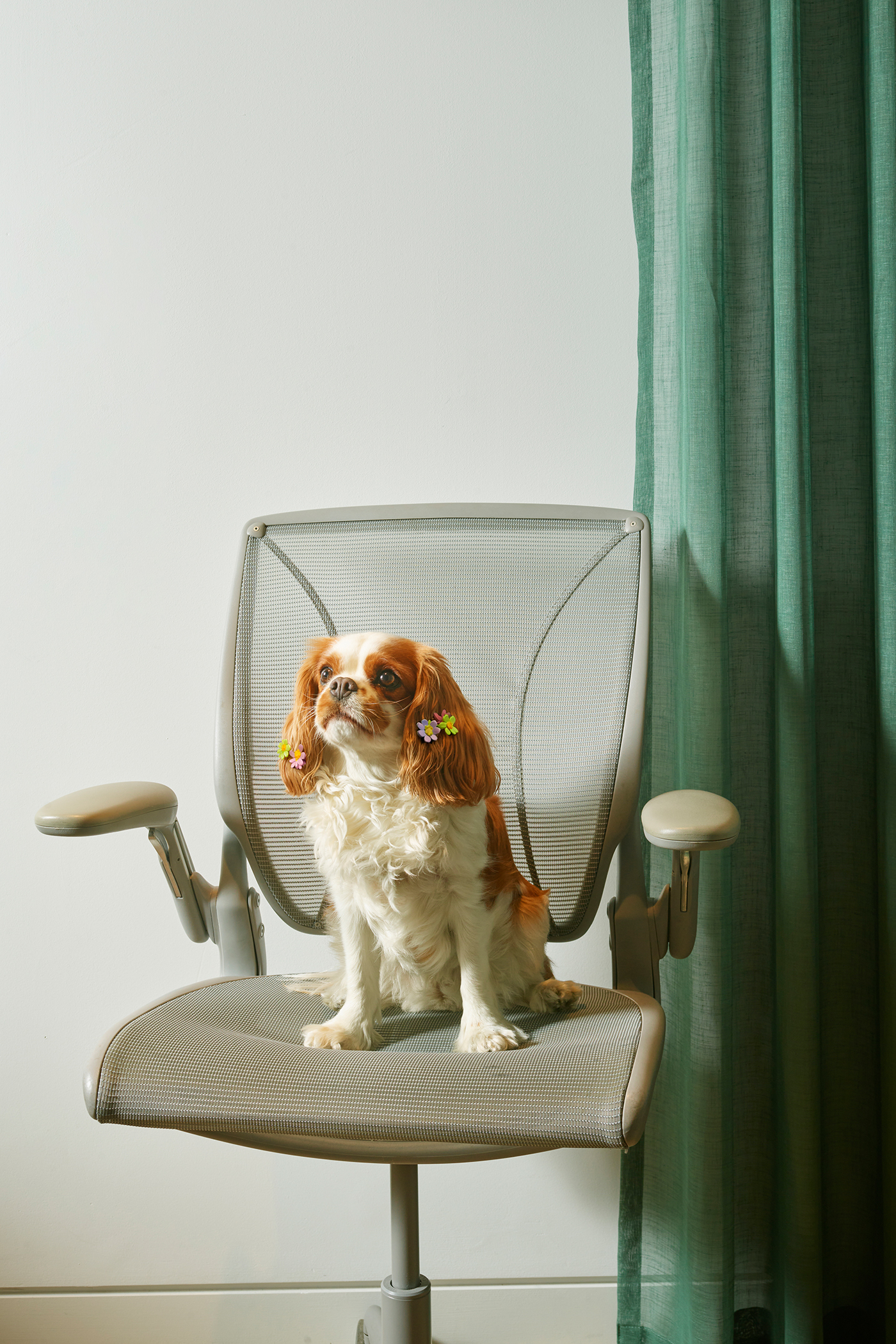
The Observer: Yes. The dogs in these photographs are some of our office regulars.