


In April, the Office for National Statistics reported that more than one in three UK men aged 20 to 34 lived with their parents. That figure is up over a third since 1999 – thanks to soaring rent prices, rising unemployment and diminishing social housing that have put traditional markers of maturity out of reach for many young Brits. But what else is driving so many British men back to their childhood bedrooms? And what is this living arrangement doing to them?
Beginning in childhood, boys are underperforming their female peers. They are more likely to be excluded at school. They average half a grade lower than girls in their GCSEs. They are less likely to go to university and more likely to be unemployed once they graduate. In 2022, the gender pay gap for adults aged 16-24 reversed for the first time, with women earning more than men of the same socioeconomic group.
“There seems to be a lack of research and willingness to actually deep-dive into not just the overall causes, but also why there is a specific gap between young men and women,” says Mark Brooks, the director of policy and communications at Centre for Policy Research on Men and Boys. “There seems to be an acceptance that this is normal – just the way it is.”
Living at home means different things for everyone: socioeconomic circumstance and space shapes their day-to-day family dynamics
Living at home means different things for everyone: socioeconomic circumstance and space shapes their day-to-day family dynamics
Last year, the Centre for Social Justice published a paper reporting that the decline in traditional “male industries” such as manufacturing, agriculture and construction had contributed to reversing the gender pay gap, particularly for men without university degrees. “Where once working-class boys could expect a good job for life in the steel industry,” boys living in many post-industrial areas today “have limited opportunity for well-paid work,” the paper said.
This decline has both financial and psychological impact. Men are more likely than women to go to prison, more likely to experience substance abuse, and three and a half times more likely to take their own lives. “For men, work has historically been a core component of identity, status and purpose,” the paper read. “When opportunities disappear, the consequences – ranging from mental-health struggles and social isolation to relational fracturing – can be catastrophic.”
When it comes to independent living, the picture is more complicated. Popular culture has long characterised adult men living with their parents as antisocial and awkward basement-dwellers hooked on nerdy board games, and yet conflating living at home with failure is a culturally relative interpretation. In countries as different as Italy and India, it’s common for multiple generations to share homes, and many cultures emphasise the importance of self-sacrifice and caring for one’s elders.
“There is also a train of thought that we could be returning to a more familial or collective way of developing,” says the psychotherapist Pamela Roberts, because the familial home empowers young adults “to take risks, explore and make mistakes – without the threat of destitution.”
For men, work has historically been a core component of identity – when opportunities disappear, the consequences can be catastrophic
For men, work has historically been a core component of identity – when opportunities disappear, the consequences can be catastrophic
While little research exists on how returning to the family home impacts adult mental health, emerging evidence suggests it might have positive impacts. One 2023 study by demographers at the University of Essex found that “returns home were associated with a slight reduction in depressive symptoms”. The report theorised that the parental home may provide “a crucial safety net for UK young adults, many of whom are exposed to the precarity of the private rented sector”. The family home provides “stability and security, sheltering young returnees from the stressful outer world.”
The Observer spoke with a number of men aged 26-39 who were living with their parents about why they decided to return to their family homes – or why they had never left – and how it was impacting their lifestyles, sex lives, friendships, ambitions, careers and identities. Money was a major part of our conversations, but was only the tip of the iceberg. Multiple men cited their mental health as a reason for moving back. Several said they wanted or were required to support their ageing parents, and were unsure what would happen to them without their care. Others said that the prospect of independent living scared them, or that they’d tried living alone but had felt lonely. A couple of men said they had enough money to move out, but preferred to sacrifice their independence for a more affluent lifestyle.
Men pushed back on the basement-dweller stereotype. While many admitted that they sometimes regressed into childish behaviours, others had taken on new responsibilities at home. They paid rent. They did chores. They ran errands for their parents. Some men were unemployed and said they spent their days applying for jobs. Others had jobs, but wanted to save up for a house deposit. One man was starting a business. Another was pursuing a career in freelance journalism.
Newsletters
Choose the newsletters you want to receive
View more
For information about how The Observer protects your data, read our Privacy Policy
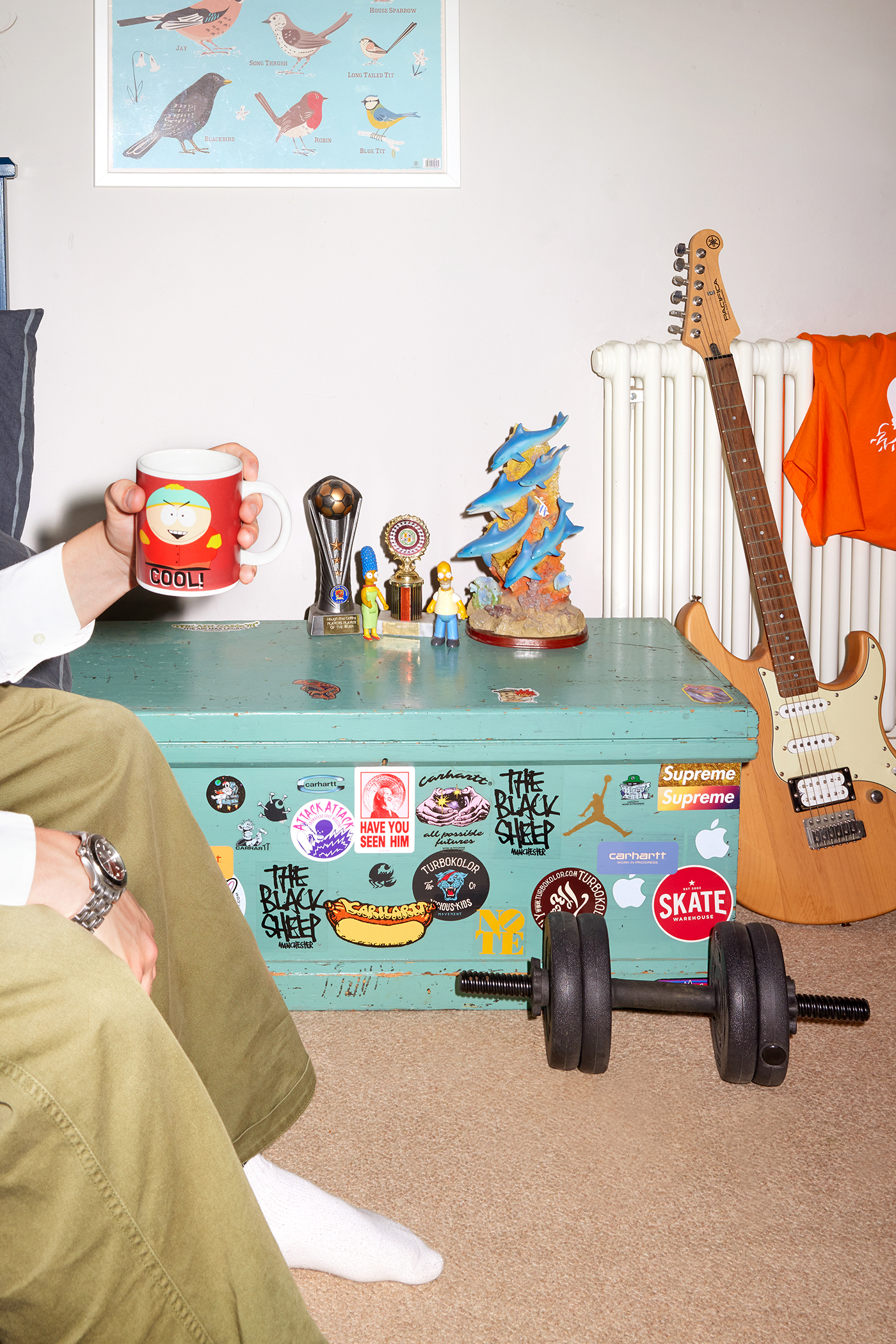
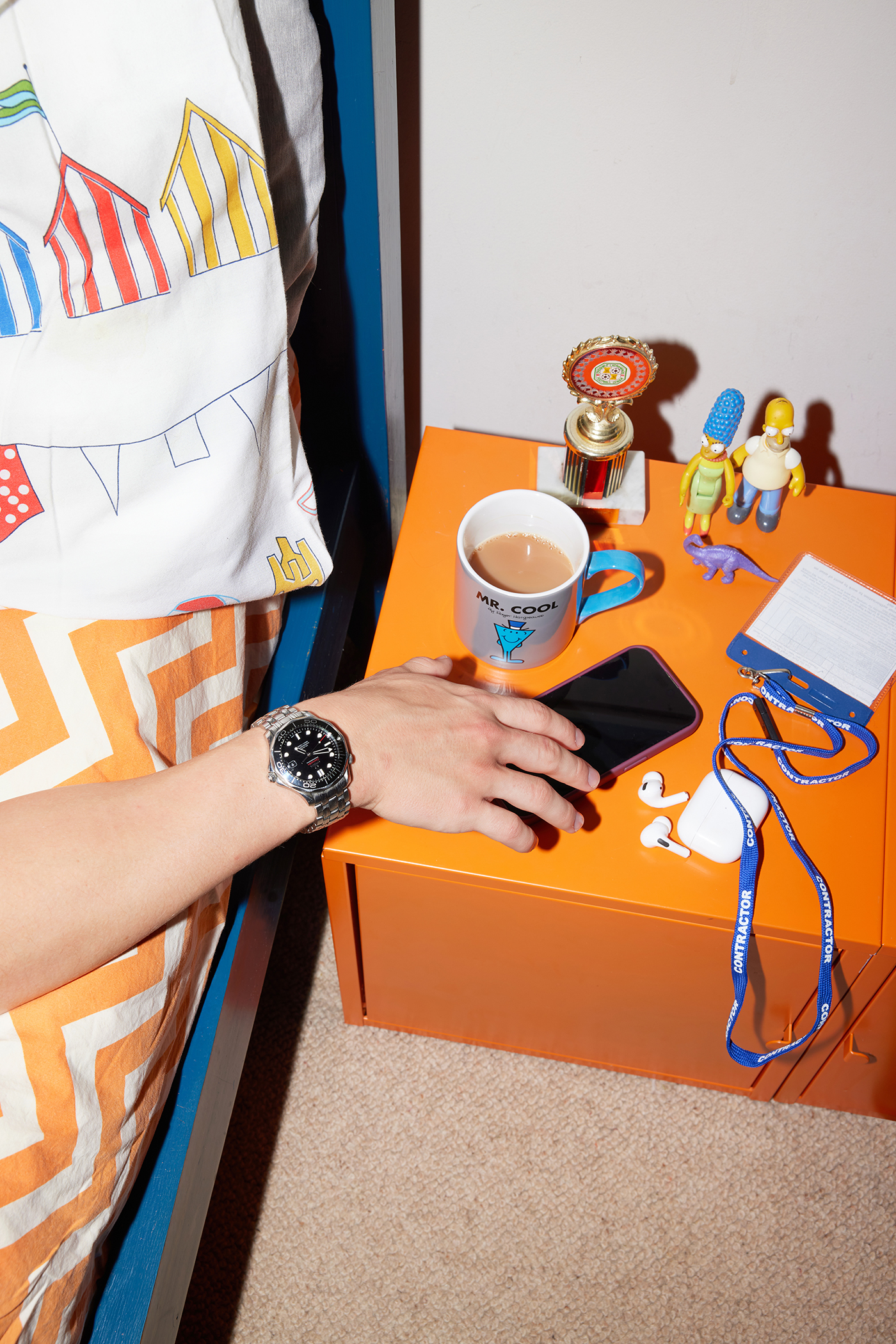
Living at home meant different things for everyone: socio- economic circumstance and space shaped their day-to-day family dynamics. But nearly every man I spoke to said that living with their parents was impacting their romantic life. Some men said they felt disproportionately judged for living with their parents (for women, they said, the living-at-home situation was less of an “ick”). They’d given up on dating apps. They were having less sex. Friendships suffered. Men said they felt as if they couldn’t be as spontaneous. They spent more time in their bedrooms – and more time online.
But in these intergenerational households, other relationships blossomed. Brothers negotiated privacy in cramped bedrooms. Families congregated for Sunday dinners. A son bonded with his father over cups of tea and bacon sandwiches. In these everyday moments – of friction and fear and anger and love – a picture emerges of young male adultness today.
Parent trap: young men on why they moved home
Matthew, 34, unemeployed
I’ve lived with my parents for 34 years. I’ve never been able to afford to move out – you can’t really live alone on minimum wage. My parents are in their 70s and it’s not great watching them deteriorate in front of you. It’s a stressful environment. They repeat stuff to each other all the time, because they refuse to wear hearing aids, even though they both desperately need to.
I’m fairly close with my mum. I take her shopping. I cook and clean, and she still cooks a roast dinner every Sunday. I’m less close with my dad. He’s not really much of a talker. I’ve only ever seen him cry once.
I spend a lot of time in my room searching for jobs. I worked at Waitrose for about 10 years and was made redundant when they closed the store. I’ve probably applied to hundreds of jobs since.
I tend to avoid dating. It would be weird to bring someone home when you’re 34 and still living with your parents. Most people expect you to have your life together by now, so you feel ashamed and embarrassed that you don’t.
Daniel, 39, office and transport manager for a heating oil company
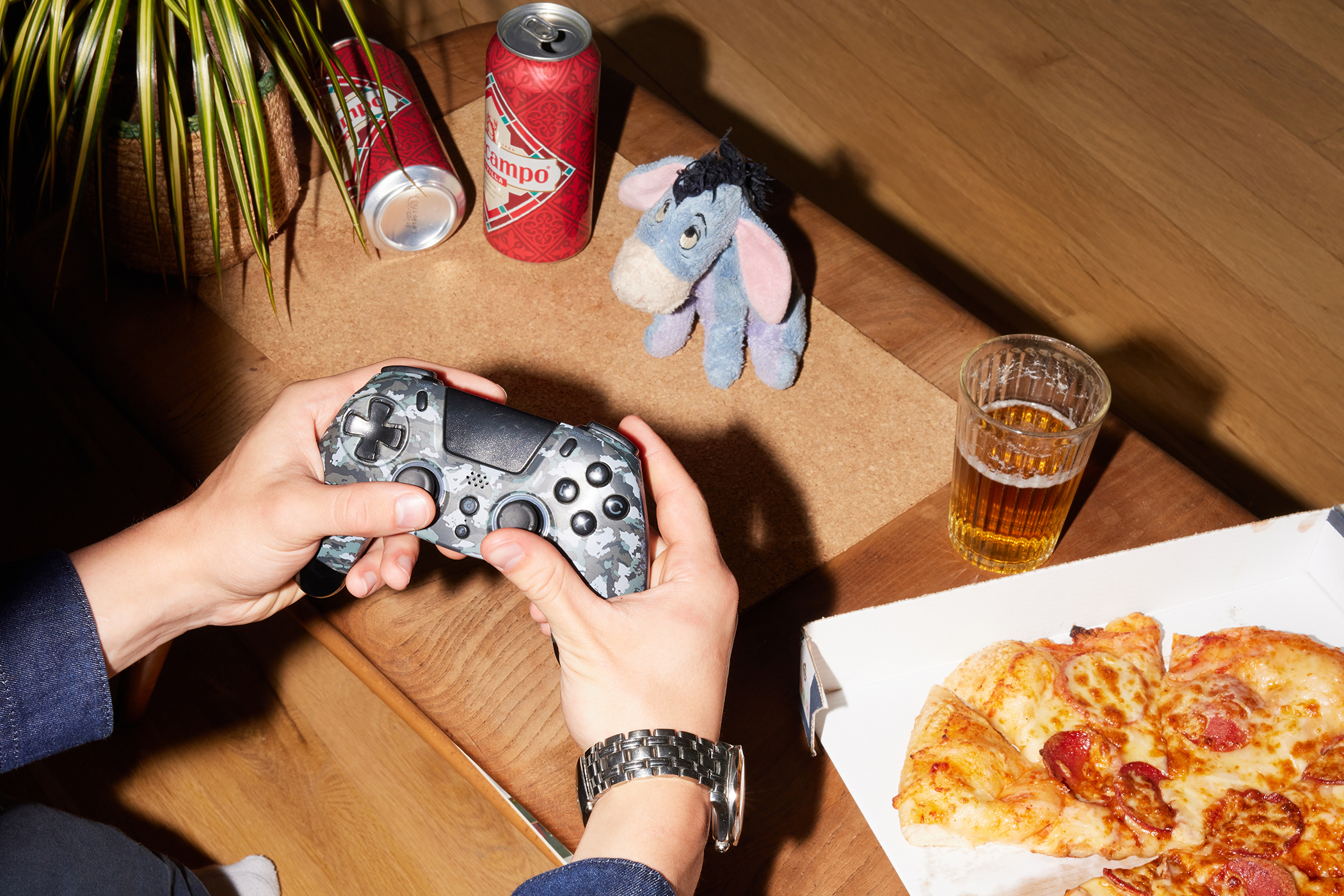
I moved back in with my parents in a rural part of Northern Ireland to save up for a deposit for a house. My parents are Jehovah’s Witnesses. They don’t watch anything with graphic violence or sex, while I’m a big fan of the horror genre and play a lot of violent computer games.
I’ve reverted to being a teenager. I spend a lot of time in my bedroom, sneaking around, trying to hide who I am as a person. I’m militantly left-wing and very pro-LGBTQ+. But to keep the peace I feel like I need to keep quiet on that sort of stuff. I’ve had to go back on antidepressants. It’s depressing not being able to live your life the way you wanted to.
It’s been tough trying to maintain friendships. The transport links in Northern Ireland are terrible. No one wants to come and visit me. I’ve put dating on hold. One girl on Bumble told me she didn’t date men who lived at home because they were usually looking for a mother, not a partner. My last date told me she’d be embarrassed to tell her friends or family about my living situation, and that it gave me an unserious vibe.
I only know one man my age who owns his own place, but about five or six single women who do. A lot of the men I know seem to want to secure a relationship before they worry about settling down. Maybe it’s the male belief that we’re all just secret footballers, actors or entrepreneurs waiting to be discovered. But the women in my life seem to have concentrated on their careers and building a stable life for themselves before they worry about a relationship. Honestly, they seem happier for it, which is why I’m trying that for myself now.
One girl on Bumble told me she didn’t date men who lived at home. My last date told me it gave me an unserious vibe
One girl on Bumble told me she didn’t date men who lived at home. My last date told me it gave me an unserious vibe
Donell, 25, unemployed
My family has lived in a council house in Hackney since 2006 – I can’t move out because housing is too expensive.
Being in the family home is very familiar. I’m settled. I’m not going to be chucked out. The estate is quite safe. We’ve got a front garden. It’s small, but it’s better than nothing. But I share a room with my 16-year-old brother and it’s cramped. Sometimes we get into arguments. We both want our own space, so sometimes he goes downstairs and I stay upstairs.
I feel like I haven’t really grown up. I don’t have independence. You can’t have a relationship living at home.
Another reason I’m staying at home is because I need something stable. I was recently diagnosed with some health issues: Chronic Fatigue Syndrome, Fibromyalgia and IBS. The help I’ve received hasn’t been very consistent.
Shaw and Shaw
Charlie, 26, data analyst/engineer at a geopolitical risk consultant
My girlfriend was starting a masters and we couldn’t afford to rent anywhere that felt worth it, so we moved to my childhood home. The first two months were the hardest. It took some time to adjust and understand each other’s boundaries. I wouldn’t say that our sex life has taken a hit, but we definitely notice an uptick in intimacy when we get the house to ourselves.
Living in a suburban area, with older neighbours, has had its challenges. Spontaneous days or nights out are a thing of the past. We have to leave every party at 11pm so we can catch the last commuter train home. Having friends over is rare – I feel like I need to ask for my parents’ permission.
Not paying rent means I’ve been able to save a considerable amount to put towards a house deposit, which is a privilege. We’ve been able to go on holiday to places like Japan and Hong Kong, to shop in M&S for food every now and then, without feeling too guilty. But I’m still seen as a bit of a child here; the way my parents treat me hasn’t changed since I was 12 years old. My parents will often do my laundry, which saves me the hassle, and whenever I’m too lazy to cook I can usually rely on pinching something from them. But I worry that when I move out I’m going to find it difficult to remember how to be an adult.
Having friends over is rare. I feel like I need to ask for my parents’ permission
Having friends over is rare. I feel like I need to ask for my parents’ permission
Rich, 33, fundraiser in the charity sector
I moved back in with my dad in June last year after separating from a long term partner who I’d lived with for well over five years. It’s been me and him since he and my mum separated when I was seven and a half. The biggest thing for me was money. But it also coincided with the fact I live with OCD and depression. I’ve never flatshared. My OCD makes it very difficult living with other people.
I’ve got a really good relationship with my dad, so coming home wasn’t a problem. But navigating being a new person in the same surroundings is an adjustment. If I’m going out, he’ll ask me where I’m going, who I’m seeing and when I’ll be back. My dad and I are very open with each other. But I’d find it really awkward saying to him: “I’m bringing someone home.”
Still, if I’m having a bad day, I’m really lucky to have someone ask, “Do you want a cup of tea and a bacon sandwich?” And spending time with my dad as he gets older is nice, because I know that in the not too distant future there will be challenges. He had a heart attack four years ago and I think about what would happen if he was to live alone again in his 70s. Where would he be living? Would he be living close to someone who could look after him? It’s on me to take some of that responsibility.
If we get frustrated with each other, I have to remind myself: I’m not always going to have this time. I’ve heard all his stories over a million times, but one day he’s not going to be here to tell them any more.
Joe, 29, commercial manager at a climate tech startup
I moved back in with my parents five years ago. I was building a business at the time and it was helpful to not have the rent overhead. My situation changed recently – I got a new job and I’m definitely making enough to move out – but I look at the rental market and worry. Paying £1,500 a month for a pokey flat in Dalston doesn’t seem like a good trade-off. I live in a lovely spot with green space all around me. I have three cats and a garden. In the house we’re not on top of each other. It’s not ideal for independence, but how desperate am I to move out?
All the tropes you associate with men living at home with their parents don’t exist in my house. If I want anything done, I do it myself. My parents tell their cleaner not to touch my room; I pay my mum £200 a month for food and other essentials. It’s not a free ride, and I think that’s important. Contributing gives me a sense of ownership in the house.
Constantly having to keep your parents in the loop about your plans can get testing, and being in suburbia means you’re not just 10 minutes away from a bar, so if you’re feeling impulsive – or horny – you can’t simply set up a date. I also think that living at home does something to your mentality and mindset. You revert to old, somewhat childish behaviours. But it’s a two-way street. Even if you wanted to demonstrate your adultness, it’s sometimes harder for parents to see you in a different light to the one they’ve always seen you in. My biggest ick is feeling like they infantilise me a little bit.
Michael, 32, software engineer
I moved home at the beginning of the pandemic. I have a decent job and get paid reasonably well, but I don’t feel motivated to move out. I’d been quite lonely living independently. Adult life didn’t unfurl in the way that I imagined it would. I had ambitions of romantic intimacy and a good friendship circle, but I don’t think those things are out there for me. People don’t dislike me, but I’ve only ever felt politely tolerated and I’ve never been able to develop a more genuine connection. I’m an adult virgin. Sex feels like a door I can’t open.
At work I have a sense of being othered. People are nice, but I feel they’re judging me for living at home as a 32-year-old, and I feel like I need to explain why I’m deviating from cultural norms. I haven’t asked a woman out in years, largely because I live at home. Even if you’re a guy with a good job, decent status and good familial relationships, if you live at home, all those things are moot. You’re a man without momentum. You’re in a state of eternal boyhood. It makes me sad, but I try to be real about things.
For a time I became deeply cynical of women. When a man doesn’t live up to certain expectations, it can produce shame that cuts so deep he’ll look for any explanation to avoid feeling poisonous about himself. I came across Red Pill advice on Reddit, which reinforced the idea that women were shallow and cruel, and it made being disliked by them feel less bad. Men still feel pressure to conform to a checklist, which is why the manosphere stuff is so popular. Until we start moving the needle culturally and feel able to say that you’re a man irrespective of your job, your sex life and whether or not you live at home, it will be difficult to dissuade boys away from bad influences.
I try to keep up socially with my mates, but naturally I’ll miss things
I try to keep up socially with my mates, but naturally I’ll miss things
Martin, 33, journalist
I moved back in with my parents at the end of January 2025, after about nine years living in London. I had a full-time freelance journalism gig, which was paying well – a proper salary. Then it ended. Everyone I knew was let go. I was really demotivated and I wasn’t able to pick up the slack financially. I moved home, because I wanted to try and save money and regather myself.
I do find things challenging. I’m back and forth between my parent’s place and London, and being here has caused issues with my relationship, because of the distance and time spent apart. I try to keep up socially with my mates, but naturally I’ll miss things. There’s always going to be a Fomo element.
It can feel slightly melancholic being here. One of my dogs passed away recently and I guess on some level I was trying to make the most of him. He spent most of his life sleeping on my parents bed, but for the last year he’s slept in my bed near my head. It was quite special.
I definitely am in a better place than when I left London. I want to have a month or two of trying to save and then I’ll move back. I’m trying to be conscientious and more of an adult – even if it means becoming more of a child in the short term. I see it as re-emerging like a butterfly.
Some names have been changed