
Michael Bobbitt would not describe himself as a risk-taker, though it’s a phrase others might use of a man who finds storms exhilarating. He never feels more alive than when there’s a monster hurricane bearing down on Cedar Key, an island town so remote and – usually – so tranquil that it doesn’t have traffic lights. Cedar Key is on the island of Way Key, linked by bridges across salt marsh and shallow water channels to the Big Bend region of Florida, the curving stretch of coastline where the state shifts from the north-western “panhandle” to the peninsula that hangs south down to Miami and the Everglades. It’s a sparsely populated corridor of small towns that rely on fishing and tourism.
Bobbitt is more likely to describe himself as foolhardy, while many of his neighbours are best characterised, he says, as stubborn. These are people who have seen plenty of wild weather blow in from the Gulf of Mexico to batter the Florida coast and are happy to hunker down in the face of a storm. Climate science is a polarising topic on the Gulf Coast, with people belonging to one tribe or the other. But while Bobbitt is a southern American man, a military veteran and a business owner – typically a member of the tribe that is sceptical on climate change – he has no doubt the water is getting warmer and it seems no coincidence that there are more ferocious storms slamming into the coast every year.
Bobbitt, a playwright and novelist, has a sideline as a clam farmer and the warmer seas have been deadly to his shellfish. The US is skewed to its coastline, where more than 40% of the population lives and wealth is concentrated. More than 800,000 people have moved to the coast every year, for the last five decades, lured by work in tourism, the oil and gas industry, and shipping, as well as the desire to live by the beach. They are people like Bobbitt, who grew up in Florida’s interior and discovered Cedar Key when he was training to be a pilot (it has the appeal, to an adrenaline addict, of an exceptionally short runway).
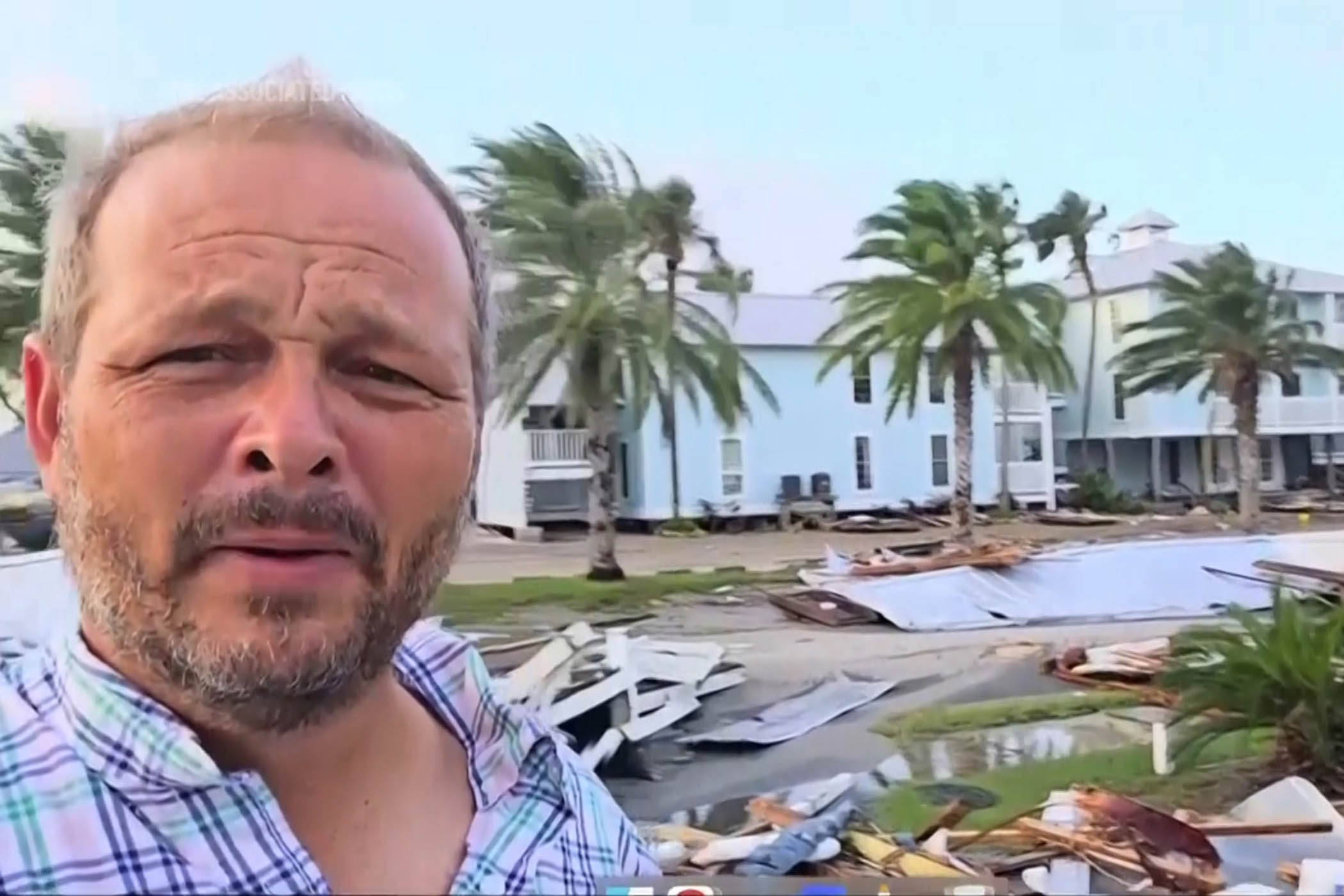
Michael Bobbitt stayed in Cedar Key to witness as Hurricane Helene made landfall
It’s become commonplace to talk of a future in which humanity will move to escape stretches of uninhabitable terrain, but the reality of the last few decades appears just the opposite. Around the world, the number of people living by the sea is booming, increasing by nearly 30% between 2000 and 2018. Vast numbers of people in the world’s richest country are moving towards danger; in the last few decades, the population of the US regions that are most vulnerable to hurricanes has grown to 60 million and it has increased every year with just one exception: 2005, the year Katrina flooded New Orleans.
In that time, the gulf and Atlantic coastline of the US has been hit by some of the most damaging hurricanes on record. In the last 25 years, there have been 15 hurricanes that, individually, caused more than $10bn worth of damage. Katrina and Helene, two disasters nearly two decades apart, show how climate change is transforming life in the US – and how the country is failing to adjust.
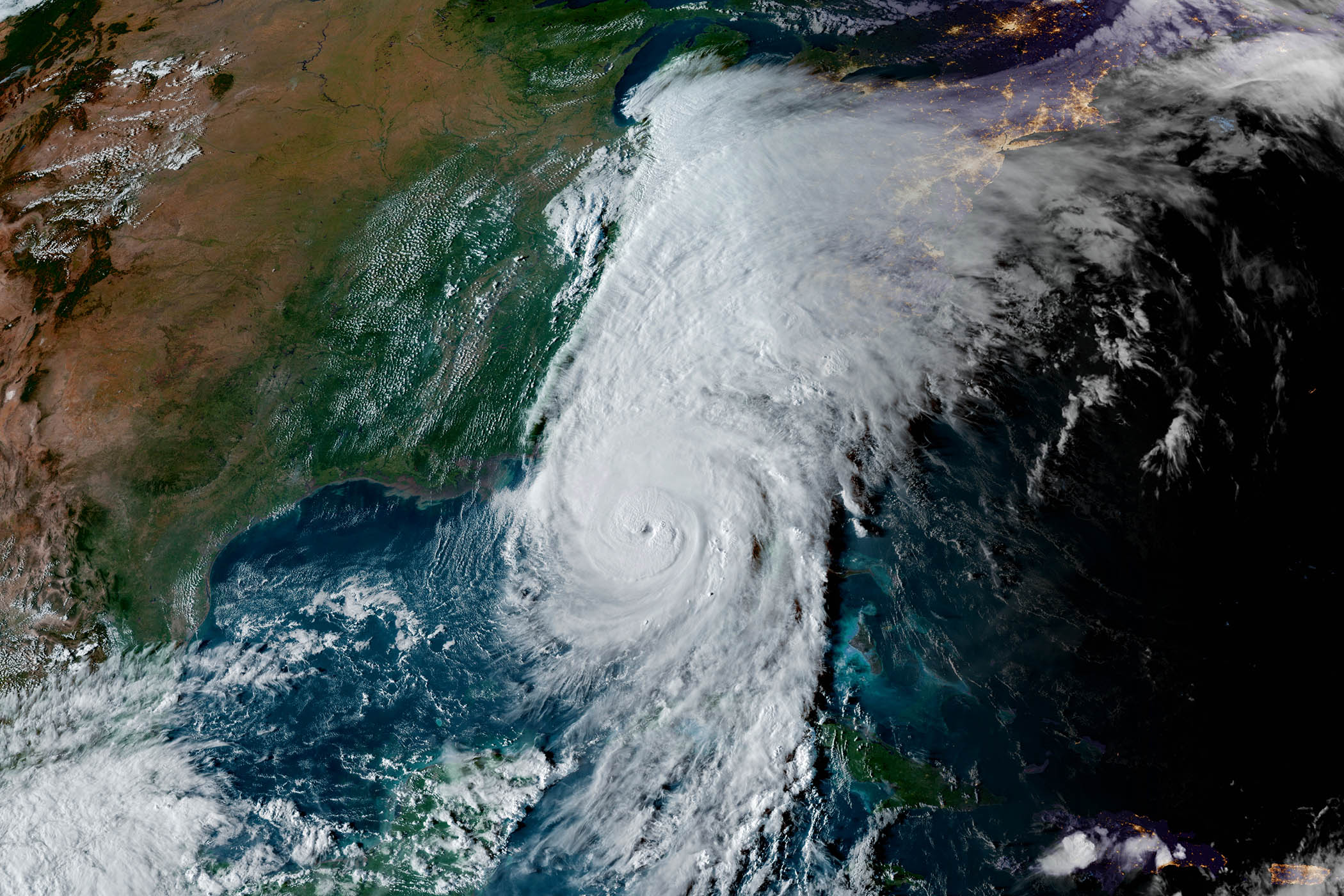
Hurricane Helene began as a broad low pressure system in the western Caribbean in late September 2024, the winds blowing towards its centre and rising where they met. It consolidated into a storm and then a hurricane, intensifying as it crossed the very warm waters of the gulf and accelerating north towards the Florida coast.
By 26 September, just as Helene was about to make landfall, a US weather satellite picked up frequent lightning flashes in the eyewall, the ring of heavy rain and powerful winds surrounding the hurricane’s centre. In the satellite image, the eyewall seems to glitter with lightning, a sign that its wind speeds were picking up rapidly.
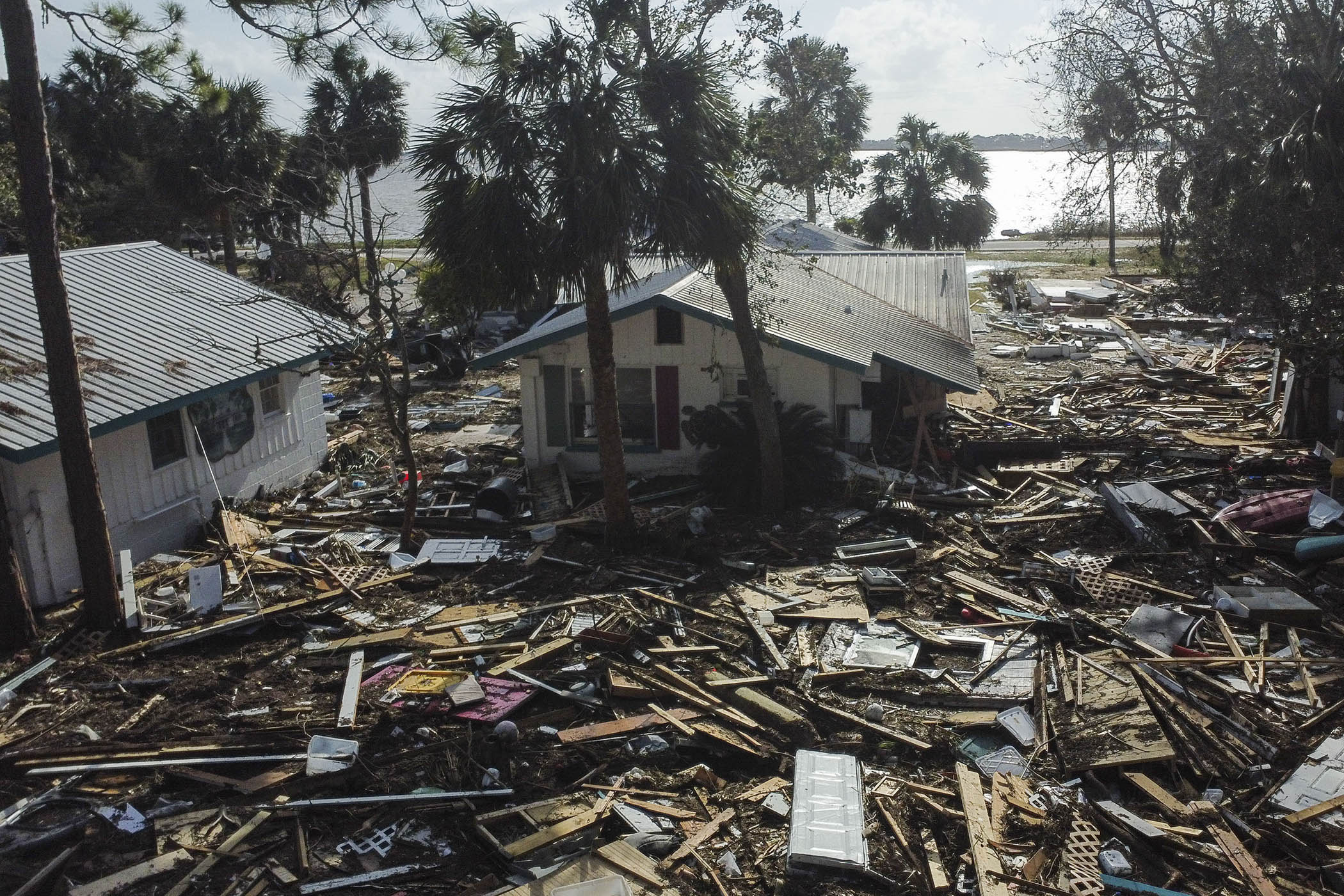
Debris in the aftermath of the storm
Officials had given evacuation orders, but in this part of the world, said Bobbitt, these are often treated as a “suggestion”. One of the reasons for residents’ calm was the fact that it was a little more than a year since a powerful hurricane had last ripped through, when Idalia hit the Gulf Coast in August 2023, flooding homes and businesses but taking relatively few lives.
This time, while most people took the order seriously, about 50 out of a population of 750 on Cedar Key stuck around to witness Helene. Bobbitt was expecting it to be far worse, a hurricane that would make Idalia look like an “afternoon thunderstorm”, but, still, he was one of those who stayed. His house is up on a hill, which he judged high enough to escape the storm and he reckoned he could help elderly neighbours who were too stubborn to evacuate. The colossal storm made landfall late on Thursday 26 September as a Category 4 hurricane. It had peak wind speeds of 140mph (225km/h), which is strong enough to snap trees and rip the roofs off houses.
Helene swept seawater on to the land, generating a 4.5-metre-high storm surge, but because the storm was moving rapidly, it shed very little rain in Florida. Bobbitt recalls a deafening sound of wind “like a freight train” and the sea rolling into his town. People who live by the gulf are not used to seeing much in the way of waves; its water is usually calm and clear. But, that night, the sea churned over the land like a washing machine, with waves sweeping through the town.
Bobbitt heard water crashing on to houses, followed by crumpling sounds as buildings gave way. Leaving the safety of his house to get a better look at what was happening to the town, he quickly found himself up to his neck in water that shoved him along with the force of a river in full fury. He grabbed hold of a stop sign’s metal pole, clinging on, as a car and then part of a building washed by him.
The insurance adjuster wanted pictures of the damage but there was nothing there
The insurance adjuster wanted pictures of the damage but there was nothing there
Knowing it was causing devastation, Bobbitt was still enraptured by the hurricane, a glimpse of an eternal and irresistible force. The sea is the great provider, he thought at a calmer moment, but an “angry god” – a force that gives life constantly, sometimes turning on its worshippers and taking everything from them.
At sunrise, Bobbitt saw that entire rows of houses had been swept away completely, while the post office, food store and many restaurants were shattered. But the true disaster still lay ahead. Helene was unusually strong and, at more than 370 miles (600km) wide, it was also one of the biggest storms ever to hit the Gulf Coast. Storms usually lose their strength after making landfall, as they can no longer draw heat and moisture from the ocean, but Helene was different, because it was so big and moving so fast that its winds were still powerful as it headed inland.
In late September, the town of Asheville, North Carolina, often enjoys crisp sunny days with clear blue skies. Tourists gather to drink craft beer in the converted warehouses and workshops of the River Arts District, a former industrial zone facing the French Broad River. In the mountain forests above the city, the leaves put on a dazzling display of red and gold.
A North Carolina state senator once referred to Asheville as a “cesspool of sin” and some of its residents took pride in that statement. It’s a liberal dot in a conservative state, with a large LGBT community and many artists and musicians. JT LaBruyere, who owns and manages two coffee shops in the city, one in the River Arts District and one downtown, said members of his family had moved there from New Orleans, partly to escape Louisiana’s hurricanes and partly because Asheville was “just weird enough to scratch some itch” of the city they had left behind.
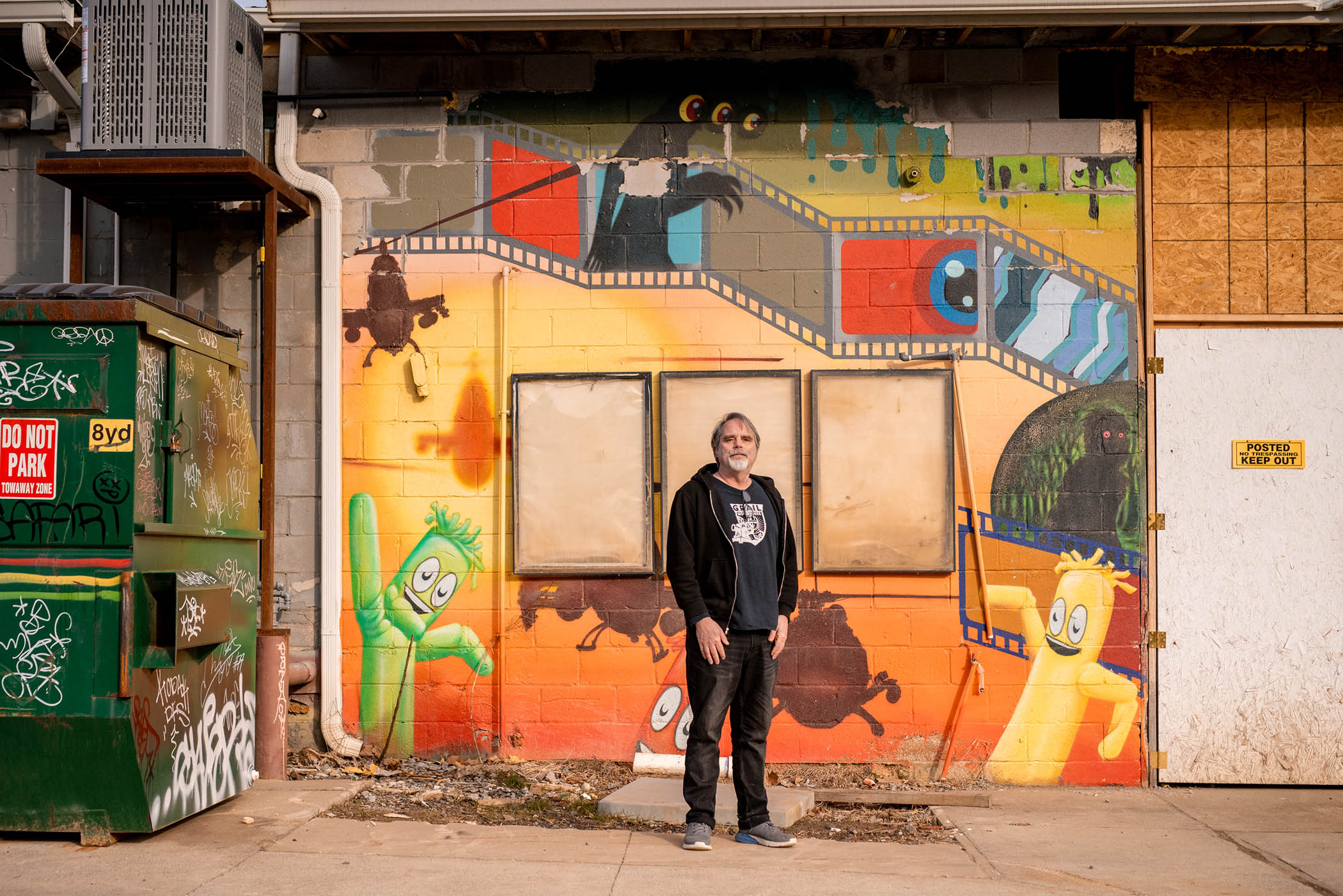
Steve White outside what remains of his cinema, the Grail Moviehouse
In the autumn of 2024, it had been raining hard in Asheville and, on the Thursday, in the hours before Helene made landfall, business owners in the River Arts District started to worry about the water. The French Broad, which flows north from the Appalachian mountains, had flooded before, but they expected, at worst, a little water to soak the floors of their buildings. Lauren Turpin, co-owner of Pleb Urban Winery, said: “When we built out there, we knew it was a floodplain. We had done our homework.” The winery’s tanks and barrels were already raised off the ground, but she decided not to move anything out of the building.
At the Grail Moviehouse, an indie cinema, co-owner Steve White put sandbags by the back door, covered the projectors with blankets and moved the candy and popcorn. At 12 Bones, a barbecue restaurant, owners Angela Koh and Bryan King told staff to close early. The cinema was screening the horror movie The Substance. “If we could choose a metaphorical movie to have on screen,” said White, “that was the one. It was about transformation, something tragic, and it’s gross – everything that happened to us days later.”
By the time Helene rolled up into the mountains, the soil was waterlogged and both the rivers were high. When the storm hit, the rivers burst their banks and Asheville, so far from the sea that at least one real estate broker had pitched it as a “climate haven”, was inundated. Roads were submerged, the bars and art galleries of the River Arts District deluged in mud and downtown streets strewn with debris. Clean water was cut off to the city, power lines were brought down and cellphone signal had blinked out. Landslides cut off routes out of town.
When Koh and her husband got back to their restaurant, they found chairs that had been shoved up to the ceiling by the flood and left dangling from the rafters. Pleb Urban Winery had disappeared, with only the foundations left to show where a building had been. Five metres of river water had rolled into the Grail Moviehouse and lifted part of the roof off. “It was so much worse than what anybody thought was possible in the mountains,” Koh recalled. “And it happened so fast. It wasn’t like over the course of a week. It was literally 36 hours.”
Newsletters
Choose the newsletters you want to receive
View more
For information about how The Observer protects your data, read our Privacy Policy
Remarkably, down in Cedar Key, there were no reports of any deaths. While Helene’s storm surge was deadly in other parts of Florida, the rain that the hurricane carried into North Carolina claimed 108 lives, including a seven-year-old boy, Micah Drye, who drowned along with his grandparents when their house in Asheville collapsed. In all, Helene caused 250 fatalities, making it the deadliest storm to strike the mainland of the US since Katrina, which is reckoned to have claimed around 1,400 lives.
Helene marked another important change, however. Its destructive sweep from the coast to the mountains underlined one of the ways in which climate change is transforming the dynamics of hurricanes. As surface water temperatures in the Gulf of Mexico reach exceptional levels, hurricanes’ wind speeds are increasing dramatically in the hours before they make landfall; Helene went from 130km/h to 225km/h in the space of 24 hours. These rapid gearshifts give people far less time to react and officials in charge of emergency services a narrower window in which to decide whether a storm is likely to inflict a glancing blow or a direct hit that requires an evacuation.
The storm knocked out Asheville’s power supply and wrecked part of the town’s water system. For weeks, there was no running water. Whether it was the brush with mortality or just the loss of utilities, a mood of living in the moment seized many in the town: defunct freezers were emptied of steaks, with neighbours invited over for barbecues on the gas grill. Water from hot tubs was used to flush toilets. Rich societies are increasingly geared towards the consumer while populists emphasise the tribe, but it was the strength of the community’s bonds that helped Asheville cope with the aftermath of disaster.
White said: “Asheville is very much a haven of enlightenment. We like to think we take care of each other.” The worst of the damage in Asheville had been confined to streets by the rivers. Many homes in the city had power back within days, although it took nearly eight weeks for potable running water to be restored. Roads were cleared of debris and the national guard delivered food, water and other supplies, while aid group World Central Kitchen brought its field kitchen: an all-terrain vehicle serving sandwiches and hot meals. Restaurants opened up as soon as they could and started providing food as cheaply as possible. “By donation or for five dollars,” White recalled, “you could get giant meals.”
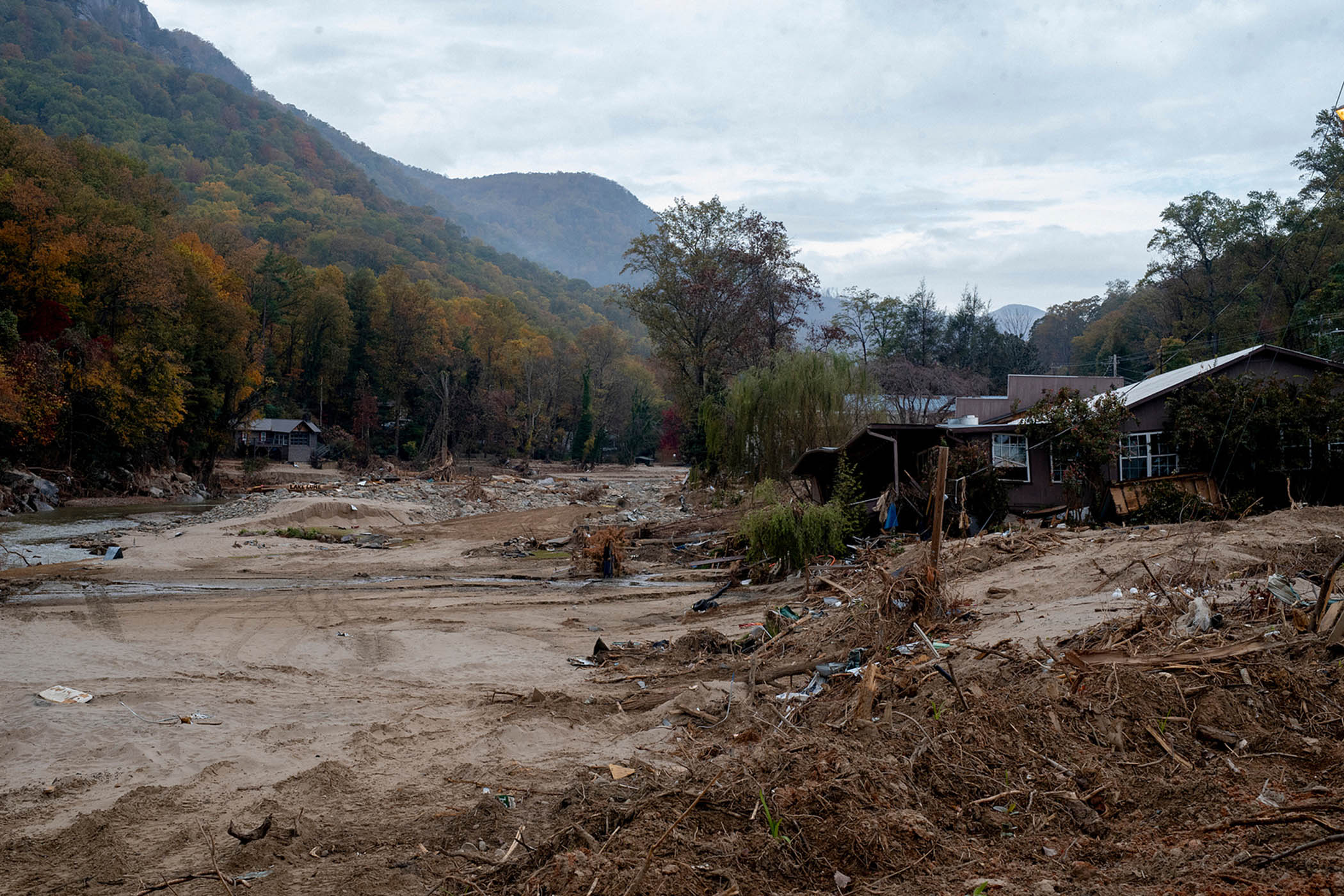
Asheville in the aftermath of Helene
Koh and King had a second branch of 12 Bones around 16km south of Asheville; here there were downed trees and no power, but little other damage. At his downtown coffee store, LaBruyere got back up and running. It was a different story in the River Arts District. “When we finally went back down,” White said, “we were trying to pick through the building to see if there was anything worth saving, walking around with other business owners doing the exact same thing.” White picked up a few tokens of the past, such as the cinema sign that had been painted by a customer. Then, he thought: “This chapter is over.”
The Federal Emergency Management Agency (Fema), established in the 1970s, coordinates the national response to a disaster in the US. While states and cities play a frontline role, they frequently call on Fema’s help when it appears they will be overwhelmed. Fema musters supplies, organises relief efforts across state borders and provides financial aid, which includes reimbursing state and local governments for the costs they incur. In the aftermath of Helene, some residents complained Fema was slow to arrive. The agency said that rescue teams were on the ground in the immediate aftermath, while trucks and planes shipped in supplies. But the rugged mountain landscape, with roads choked by fallen trees, made it hard to reach those in need.
Some took matters into their own hands. A group of military veterans organised their own relief efforts out of a Harley-Davidson dealership in Asheville. The volunteers used a fleet of privately owned helicopters to deliver food and fuel, paid for by donations, in a rescue mission nicknamed the “Redneck Air Force”. A private military contractor led mules carrying packs of food, water and nappies up mountainsides that were now impassable to vehicles. Governments can act on a far bigger scale, but the volunteer efforts strengthened a sense of self-reliance – and, for some, heightened distrust of the state.
Conspiracy theories sprang up like weeds in the aftermath. Marjorie Taylor Greene, a far-right Republican congresswoman, posted on X: “Yes, they can control the weather.” That theory swirled around the North Carolina village of Chimney Rock, hit by mudslides and flash floods. In early October, Chuck Edwards, a Republican congressman in North Carolina, posted a lengthy statement debunking the rumours. Hurricane Helene was not geoengineered by the government to seize and access lithium deposits in Chimney Rock, Edwards wrote. Local officials were not abandoning search and rescue to bulldoze over Chimney Rock. Other rumours attacked Fema and he addressed those too. Fema has not diverted disaster response funding to the border or foreign aid.
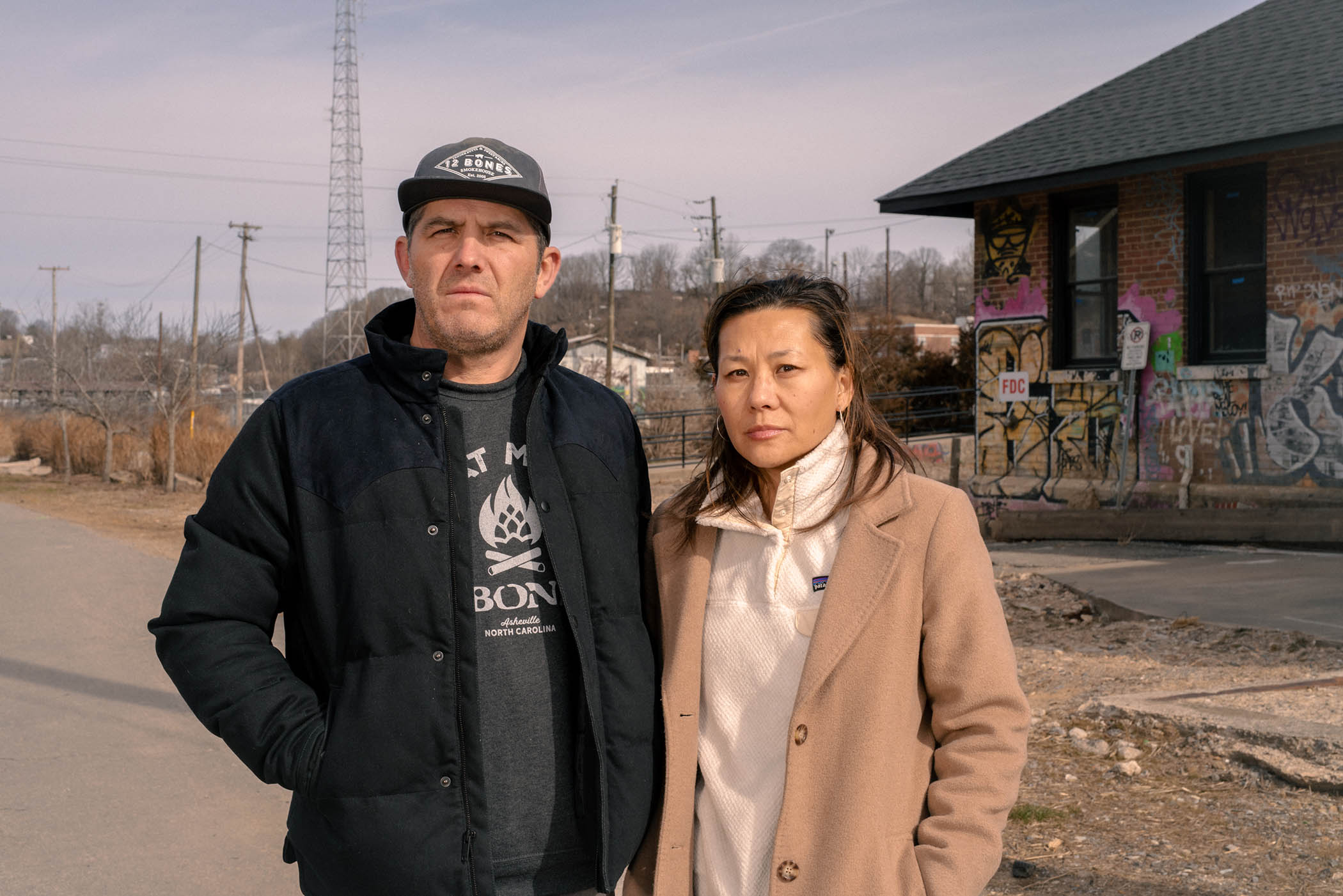
Bryan King and Angela Koh where their barbecue restaurant 12 Bones once stood
A few weeks later, Donald Trump visited North Carolina and gave a press conference amid an apocalyptic landscape of storm debris. With dust on his dress shoes, the man then running for president in the 2024 elections repeated the false claim that the emergency response had been hampered because Fema had diverted funds to shelter undocumented migrants. Edwards stood quietly behind him as he spoke.
Sea levels around the US mainland are rising faster than the global average, gaining around 15cm over the last three decades. The rising seas mean there will be deeper and more frequent coastal flooding over a wider geographic area. Higher storm surges will bring the risk of further devastation to coastal cities. The US confronts difficult choices about where to defend, and where to retreat.
Lauren Turpin spent the first 12 months after the flood on the bureaucracy of unwinding a disaster. She said: “There is no rulebook on how to untangle your business from a natural disaster at the same time as you are emotionally numb.” Pleb Urban Winery’s operations have ceased, but this year, she will make wine again, one last time: six different wines will be released in the spring. “It is a way to say goodbye on our own terms, instead of being forced to say goodbye.” The winery was denied nearly all of its insurance claims, because her policy did not cover floods. “The adjuster wanted pictures of the damage,” Turpin said. “But there was nothing there.”
Steve White and his co-owner and partner Davida Horwitz have submitted a permit to open a single-screen cinema in Weaverville, 16km north of Asheville. “In Asheville there are people who are back 100%,” White said. “And there are people like us and Lauren who didn’t have the means to rebuild, or the heart. What we have learned is that there are winners and losers. And no reason as to who.”
The Surge: The Race Against the Most Destructive Force in Nature by Jeevan Vasagar is published by Mudlark on 26 February (£22). Order a copy from The Observer Shop for £19.80. Delivery charges may apply
Photographs from Asheville by Kaoly Gutierrez for The Observer. Additional images by Stephen Smith/AP and courtesy of Michael Bobbitt