

When I was growing up, gardening, like opera and birdwatching, was a comedy indicator that one had grown old. It was the kind of activity only people without real-time interest in the world and no scope for fun or energy could possibly consider. It encouraged brown clothes, esoteric knowledge, introversion. Why would anyone young go near it?
Life, my darlings. Real, horrible, adult life. Gather round, ideally on footstools so that you can gaze up adoringly at me in my splendid brocaded armchair, and I’ll explain.
As every box-set-watcher knows, murder detectives search for three Indicators of Suspicion: means, motive, opportunity. The same applies to gardening. An apparently normal-seeming person moves house and acquires a scruffy downstairs back yard, or a wind-blown roof-terrace. Their 20s have vanished; they’re entering the nesting zone, so they begin to develop weird peccadillos: salad. Fresh air. Reproduction. They notice, for the first time, that the local fireworks/vape/rat-poison shop also sells bags of compost and cheap hand-trowels. At the supermarket they buy a humorous cactus for a friend’s housewarming and spot a rack of seed-packets. And boom: they’re lost.
This is how it happened to me. Asbestos-tiled flat roof; a £3 corner-shop plastic flowerpot; infants. I entered the local garden centre as blithely as a young Thomas De Quincey strolling past his first opium den. By the door stood a clematis named Polish Spirit, a basic purple flower like something drawn by an unimaginative child. I never met my paternal grandfather, a man who, when he fled illegally to England, cunningly changed his name from Mendel to Mendelson, as a disguise. But I love my father. I thought: I’ll buy it, as a tribute. How difficult can it be?
Well. Clematises are complicated. They need lagoons of water, fathoms of soil on their roots. They are also divided into three types, all identically dead-looking in winter, easy to misprune into flowerlessness because they prune on this year’s gr—
Mmmhmm. As I have previously recorded, when it comes to pruning, indeed any technical detail, my brain, like an Etch a Sketch, wipes clean. So, naturally, I killed it quickly and that, other than a few experiments with strawberries and rocket, should have been that.
One of the many unfairnesses of life is that worrying does not provide insulation. You can fret about illness, suffering, loss from early childhood; it won’t protect you. And so I discovered in 2008 when, like Wile E Coyote squished by a grand piano, misfortune knocked me flat. It was a terrible year, but we had a small paved garden. I’d come home from grisly appointments, walk straight through the kitchen and outside where, for the few moments until my return was noticed, I was at peace.
There have been years of woe when I’ve been gardenless. In extremis I’ll lie in the bath, eating apples and reading Scandi noir
There have been years of woe when I’ve been gardenless. In extremis I’ll lie in the bath, eating apples and reading Scandi noir
There have been other years of woe, when I’ve been gardenless; in extremis I’ll lie in the bath, eating apples and chain-reading Northern European crime. But I have discovered no balm to the soul, no Aesop hand-cream for the spirit, better than being outside, fiddling about with specks of determined plant-life, and science can explain it: flow.
Related articles:
Mihaly Csikszentmihalyi, a Hungarian psychologist, identified flow as total absorption in an activity – pompom-making, acappella smooth jazz ensemble-singing, stamp-collecting, Killer Sudoku, adult netball, learning to pronounce Hungarian – so that one loses sight of everything, from domestic worries to global cataclysm, and achieves, however temporarily, peace. Vinted is an addiction; it doesn’t count. Reading doesn’t either. I’m too slapdash for handicrafts, too malcordinated for sports. Who has the patience for chess? Just tell me your next move so I can go. In any case, do these offer the combination of mud, minor livestock, chlorophilia, speedy results, specialist equipment, sensory delight? Absolutely not.
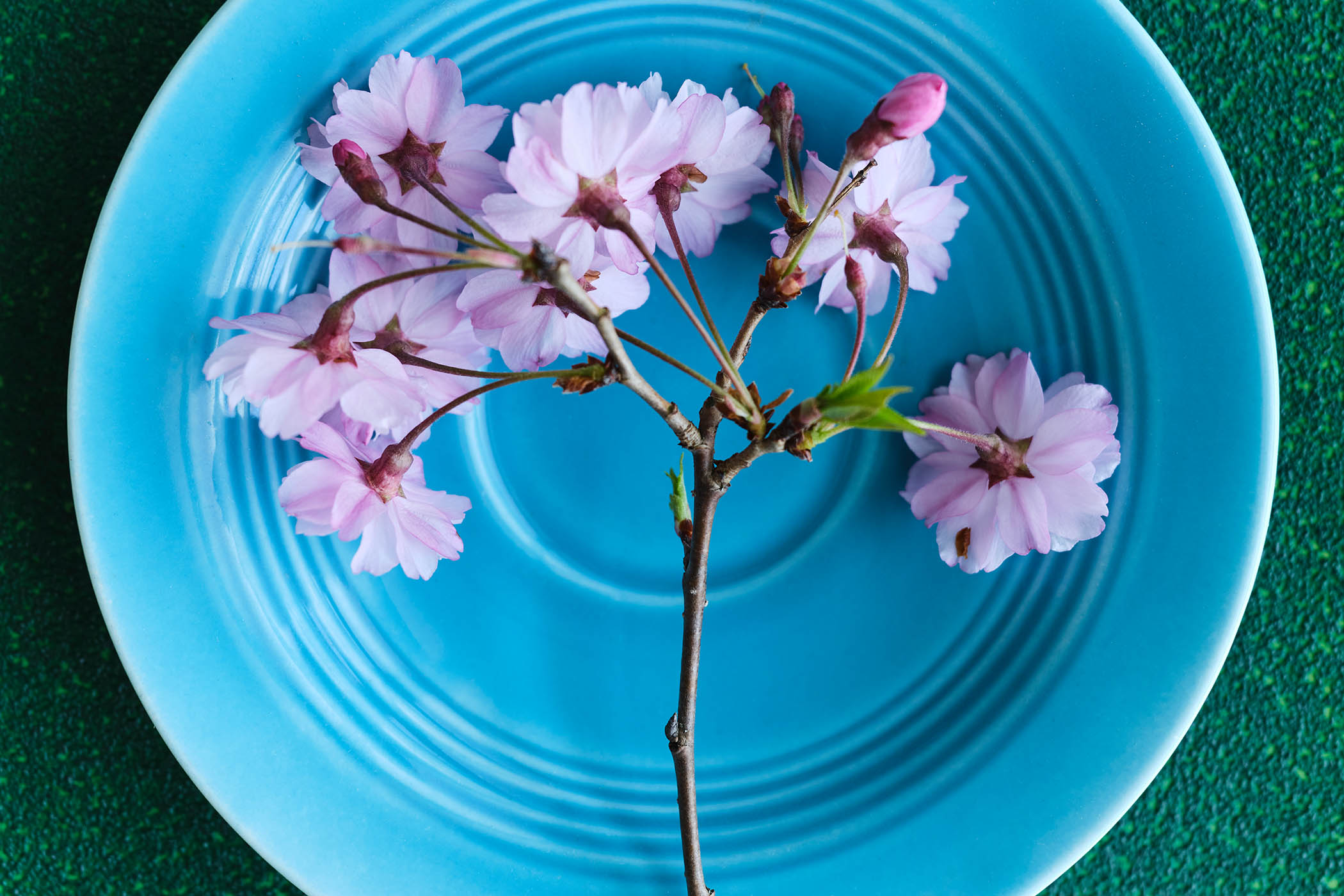
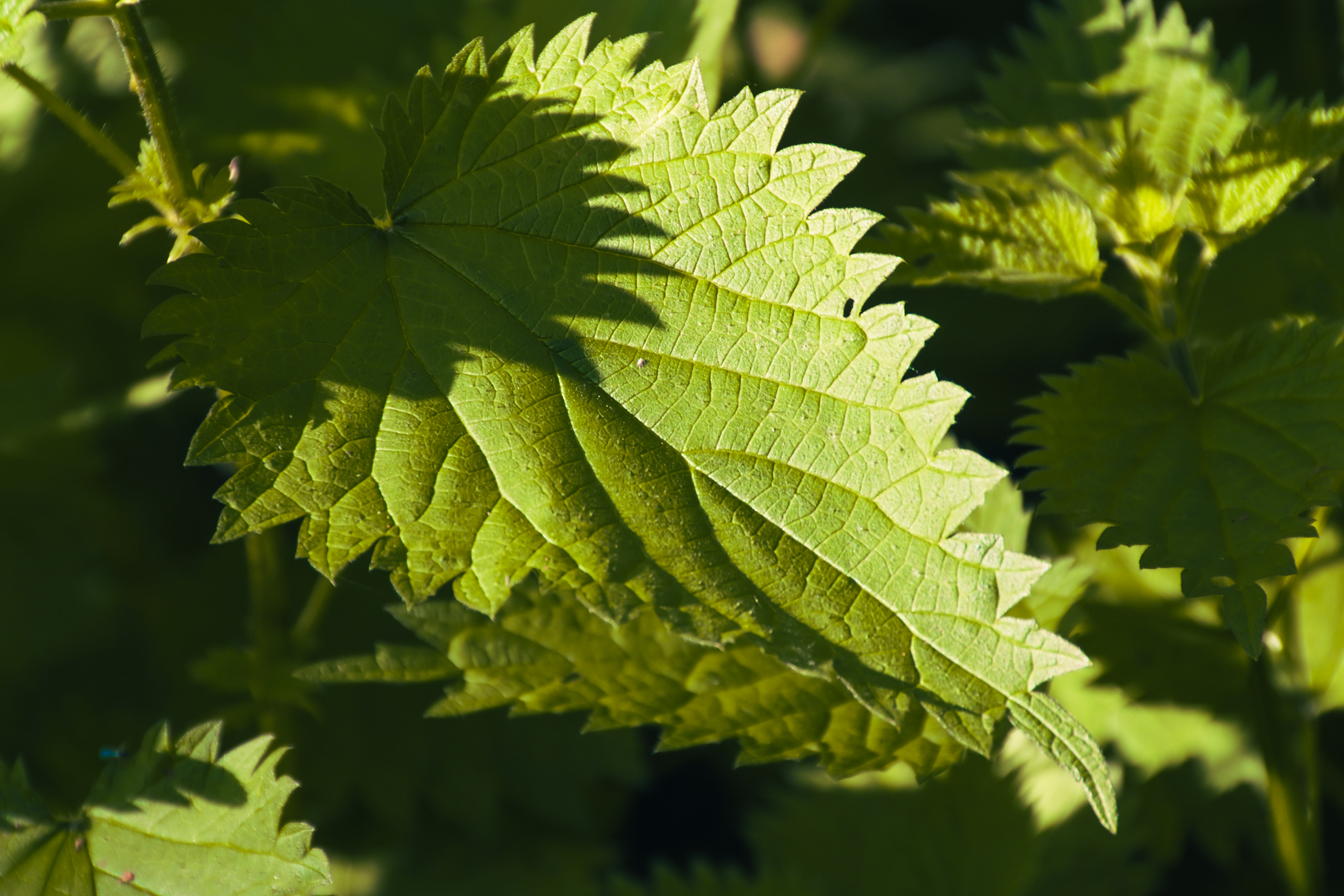
Go outside, find a plant to fiddle with. Peer, with short-sighted focus, at the symmetrical ridges on a fennel-seed; the pervy thrust of tulip stamens, thickly coated in indigo pollen; the infinite variety of chicory leaves, toothed and cup-shaped, speckled with lemon curd, or Tipp-Ex, or blood. Touch the foily sheen of a peeling cherry-branch or the puppy velvet of a pussy willow; inhale the aromatic kick of catmint, or blackcurrant salvia, rotting leaf mould, bay blossom. At breakfast you can sow radish seeds and be eating them by dinner; at bedtime, by torchlight, you can watch worms copulating and it’s perfectly legal.
If you are investigating the scale insects nestling disgustingly along the leaf-ribs of your Makrut lime-tree, or wishing you could remember if your raspberries were summer or autumn fruiting, you will be unable to panic about the news. And it is technically, medically impossible to think of any of your relatives’ cruelties, your professional fears, your crush on your sister-in-law or your scrofulous inner elbows, when you are face to the 60,000 ommatidial lenses of a simple dragonfly. You may not think of yourself as a gardener, but gardening will save you. Gardeners are happy people. Also, we recruit.
Newsletters
Choose the newsletters you want to receive
View more
For information about how The Observer protects your data, read our Privacy Policy