

Few people wear their erudition as lightly as Freddy Tuppen. Spend an hour chatting with the designer and, without coming across as pretentious, he rattles off references to Walter Segal, the godfather of self-build architecture; a book by Johan van Lengen, The Barefoot Architect: A Handbook for Green Building; and anthropologist Claude Lévi-Strauss’s concept of the bricoleur (a “tinkerer” who fashions new things from materials around them). You leave feeling thoroughly enriched, and slightly dizzy…
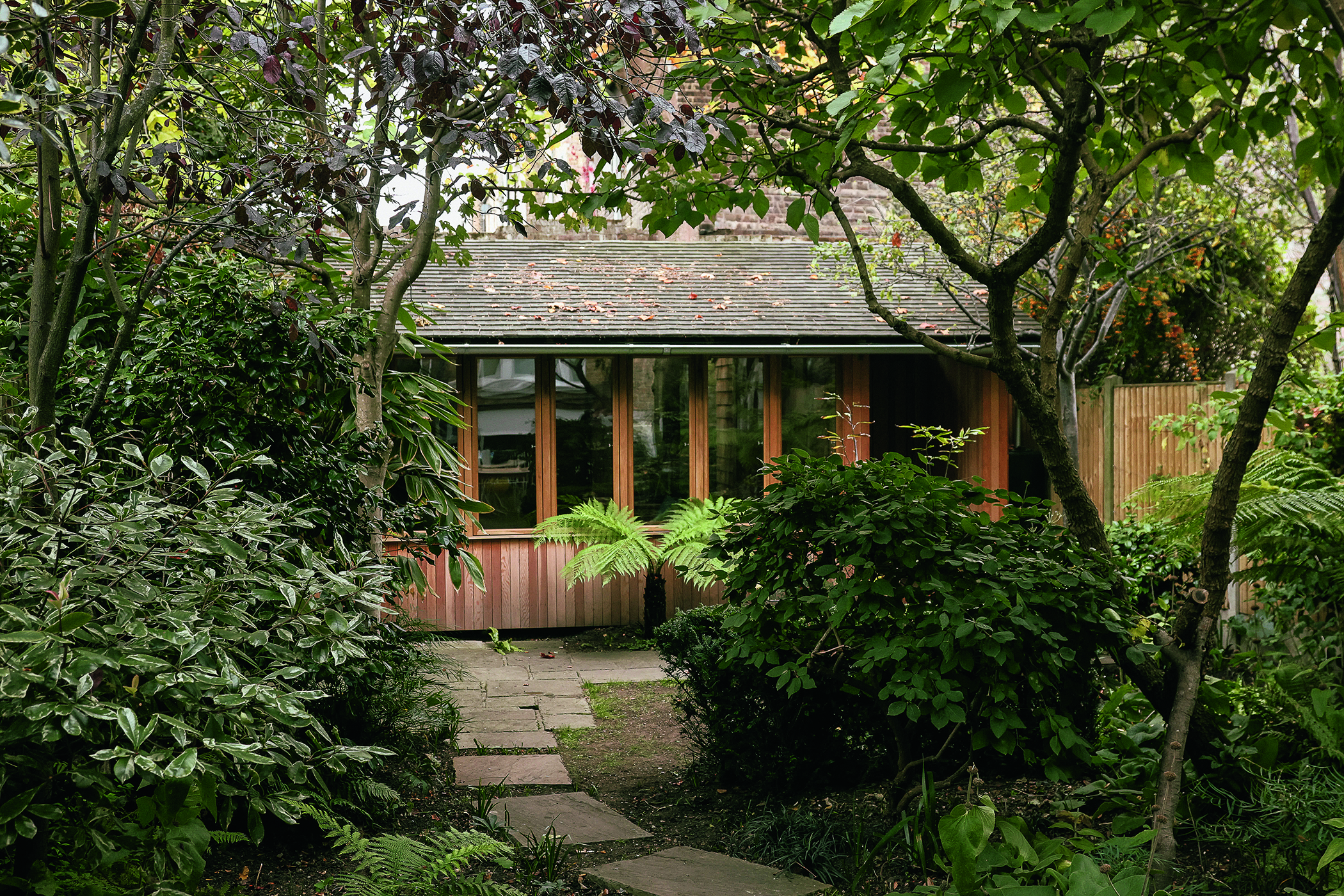
These ideas have their place in our conversation,though, as they all came together in Studio 1, a cabin-like building in south London that Tuppen designed and built for an artist as a space both for work and relaxation. At first Tuppen was tasked with simply designing the studio, but the client asked if he would consider building it too. He recalls discussing it with his regular collaborators, his brother-in-law Willem Hampson and their friend Will Thomson: “It’s beyond what any of us has done before, so there will be a steep learning curve, but I think we can make it work.” Happily, they agreed.
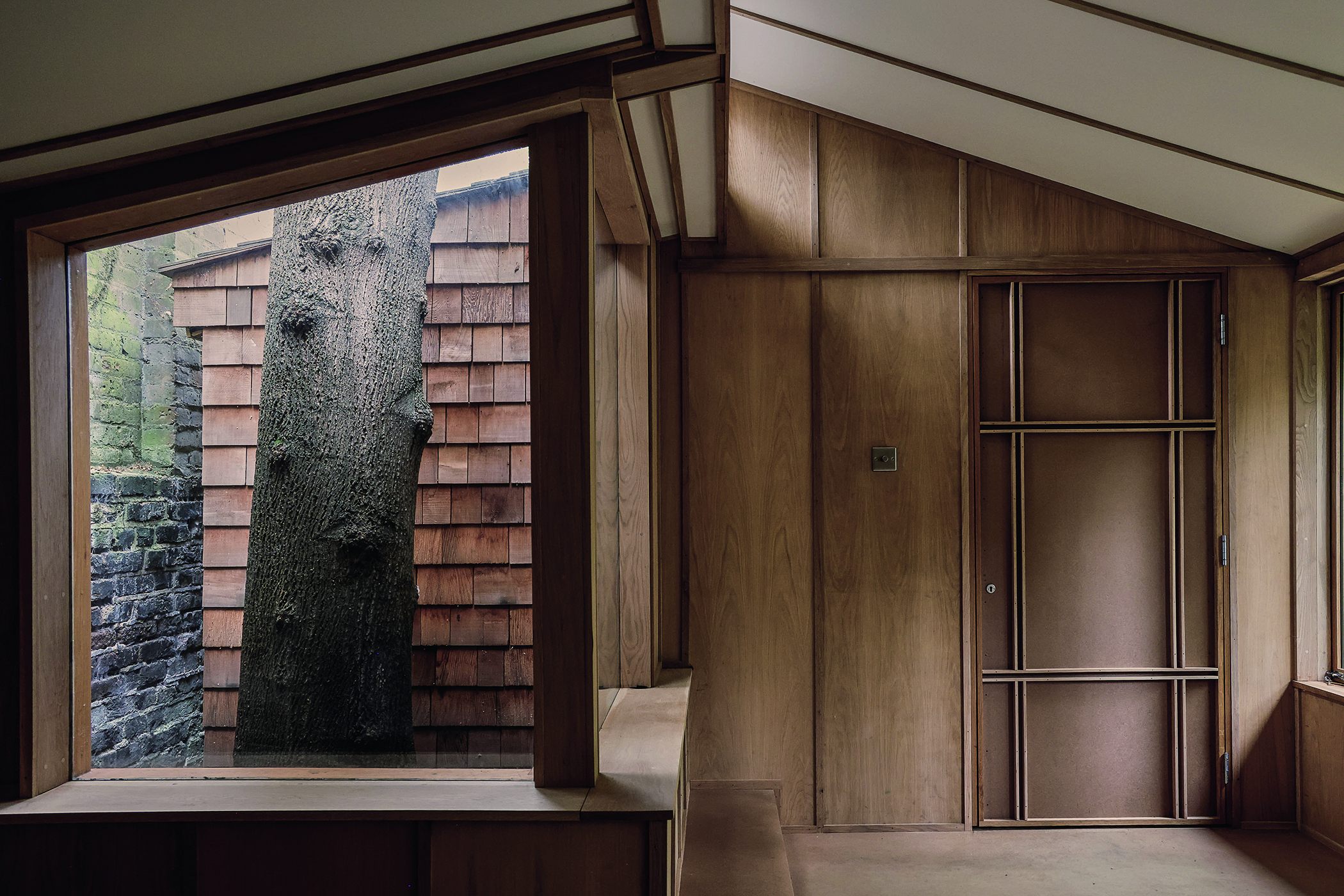
Right from the off, the site itself posed challenges. “It was at the end of a north-facing garden, so it was really just a damp, dull, dead site,” Tuppen explains. Bringing natural light into the studio would be tricky. There was also a sizeable tulip tree in the middle of the site, and Tuppen was loath to shift the building forward to accommodate it (cutting it down was out of the question). “It provided this nice constraint to work with,” he says. “The tree became the focal point, and the design ended up having this light well, bringing sunshine down through the leaves into the space.”
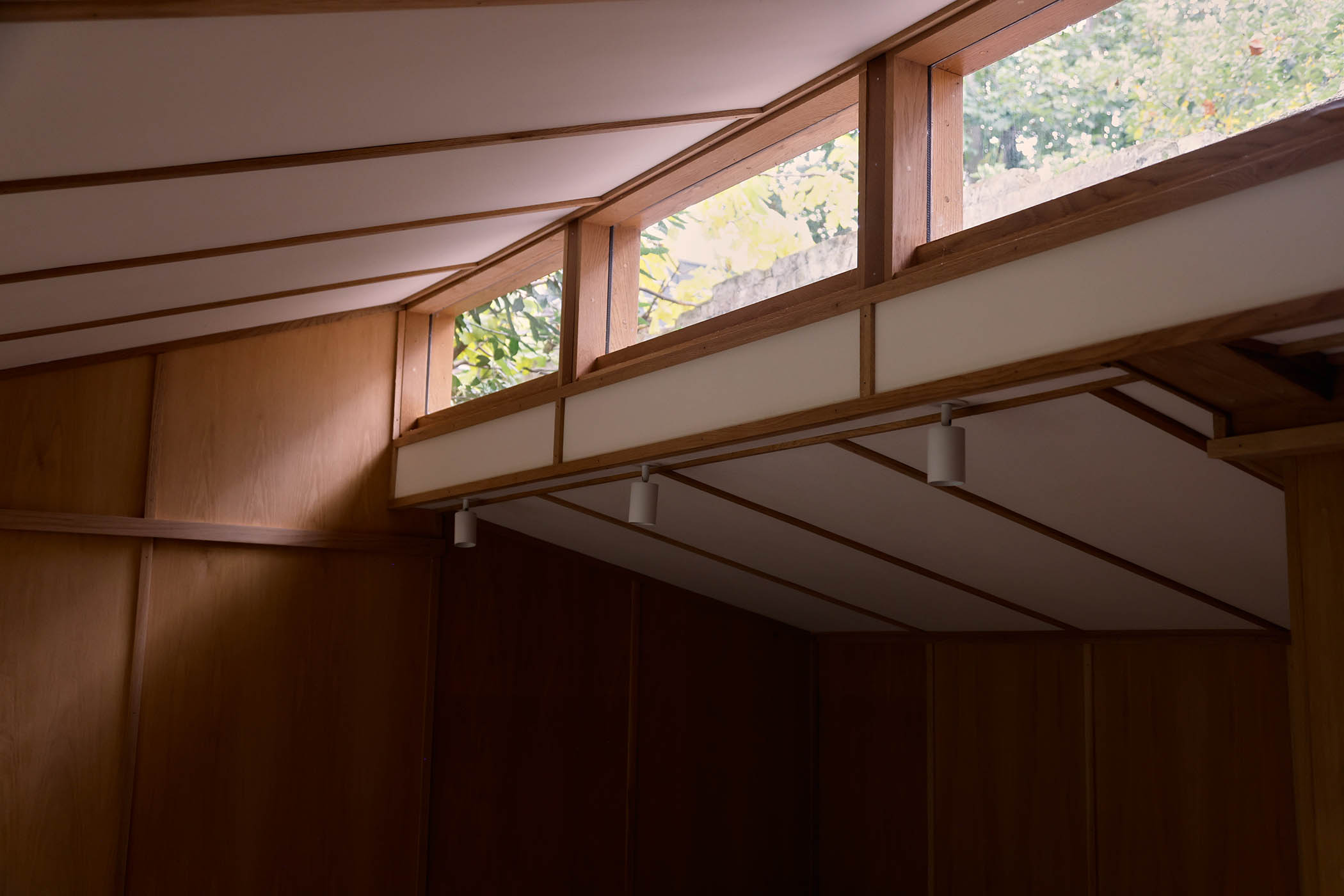
Tuppen, Thomson and Hampson foundfurther creative solutions inspired in part by The Barefoot Architect, such as installinga south-facing “clerestory”, a series of windows high up where the pitched roof peaks, to let in sunlight. They made the ceiling white to reflect as much light as possible down into the space.
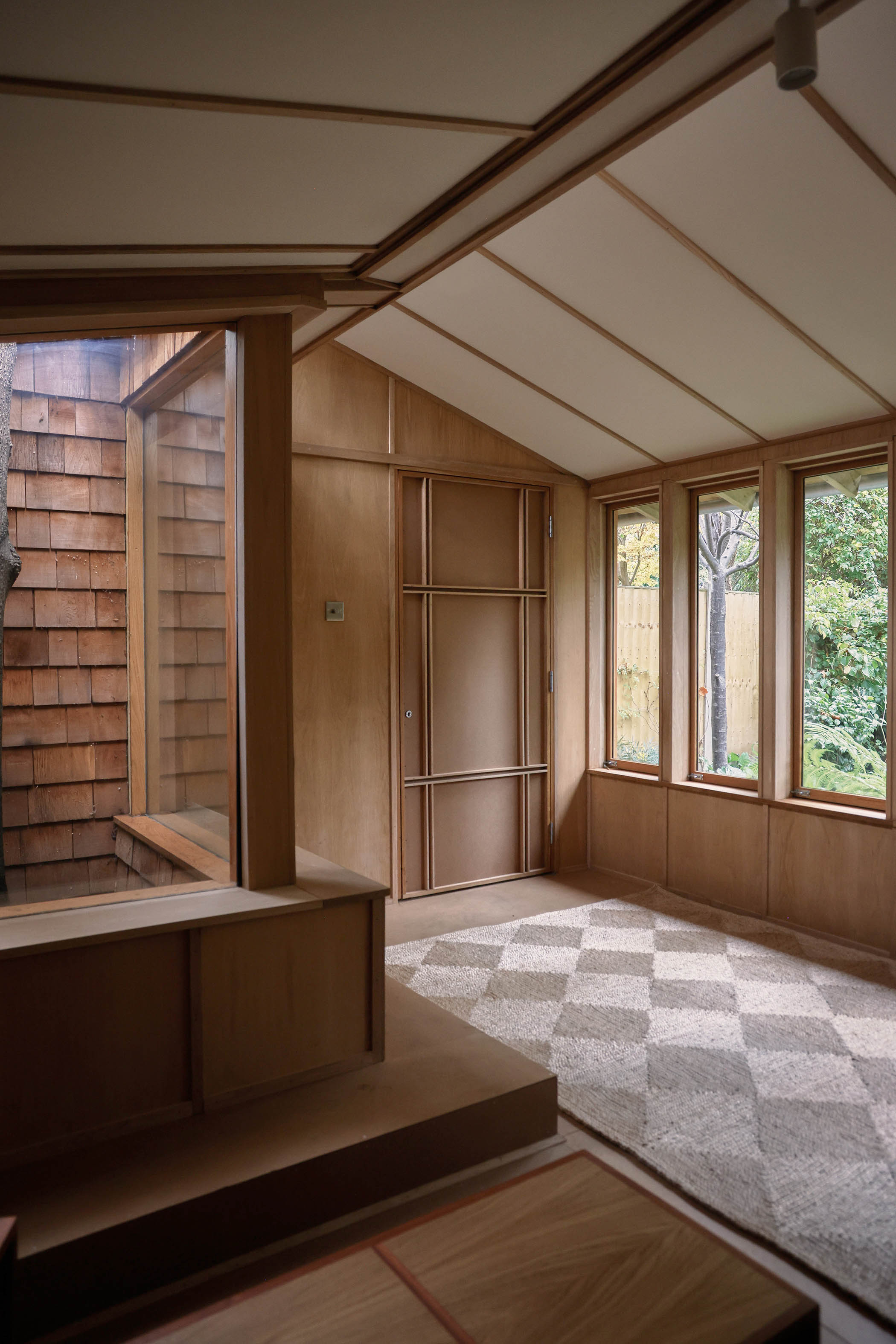
Working on site every day, the trio were able to improvise and use any leftover materials in unexpected ways. They created a unique-looking door, for example, using lengths of oak originally sourced for the wall panelling. “The construction industry is very wasteful, because you have to over-order everything,” Tuppen says. But their way of working – responding to the site, problem-solving on the go with what’s available – is different. “That approach to design and making is more sustainable, creative and imaginative, and you end up with novel results.” The clients loved the results so much they commissioned Tuppen to create bespoke furniture for the space: two stools, an armchair, a day bed, a coffee table and a desk.
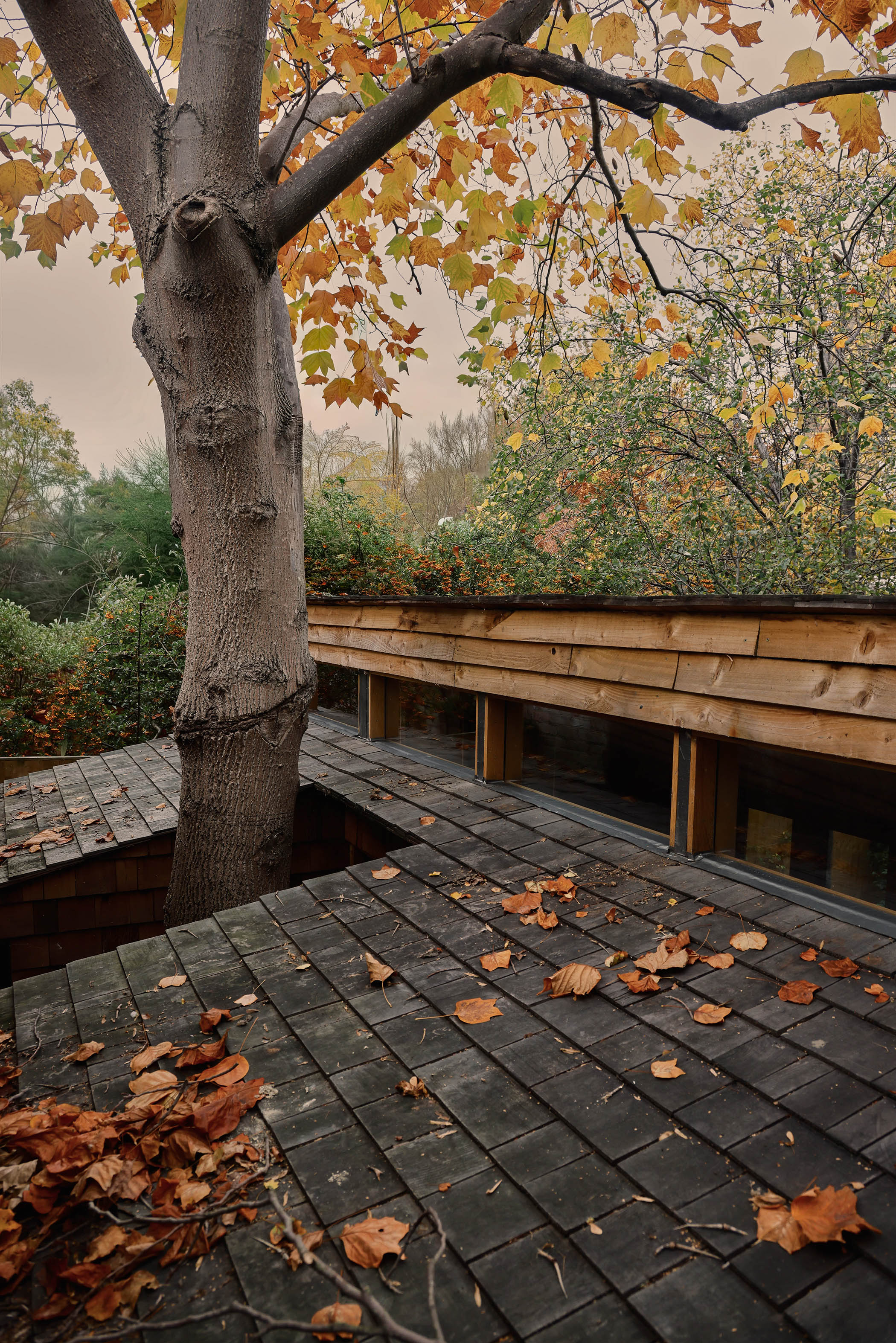
Now complete, Studio 1 demonstrates the benefits of bringing design and building closer together. But it’s also a vindication of one of Tuppen’s central beliefs: “You can figure pretty much anything out, if you have enough time and willingness.”
Newsletters
Choose the newsletters you want to receive
View more
For information about how The Observer protects your data, read our Privacy Policy