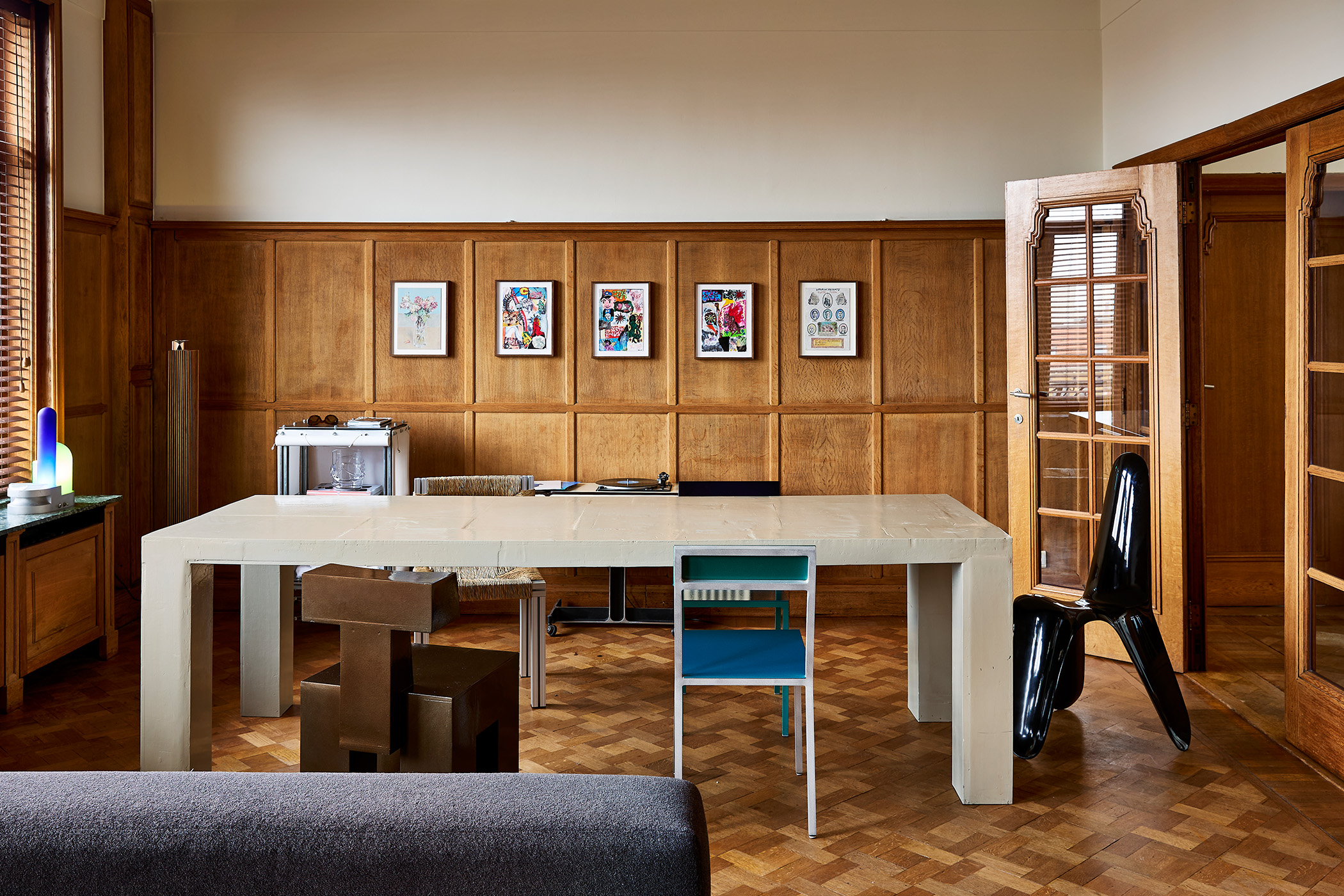


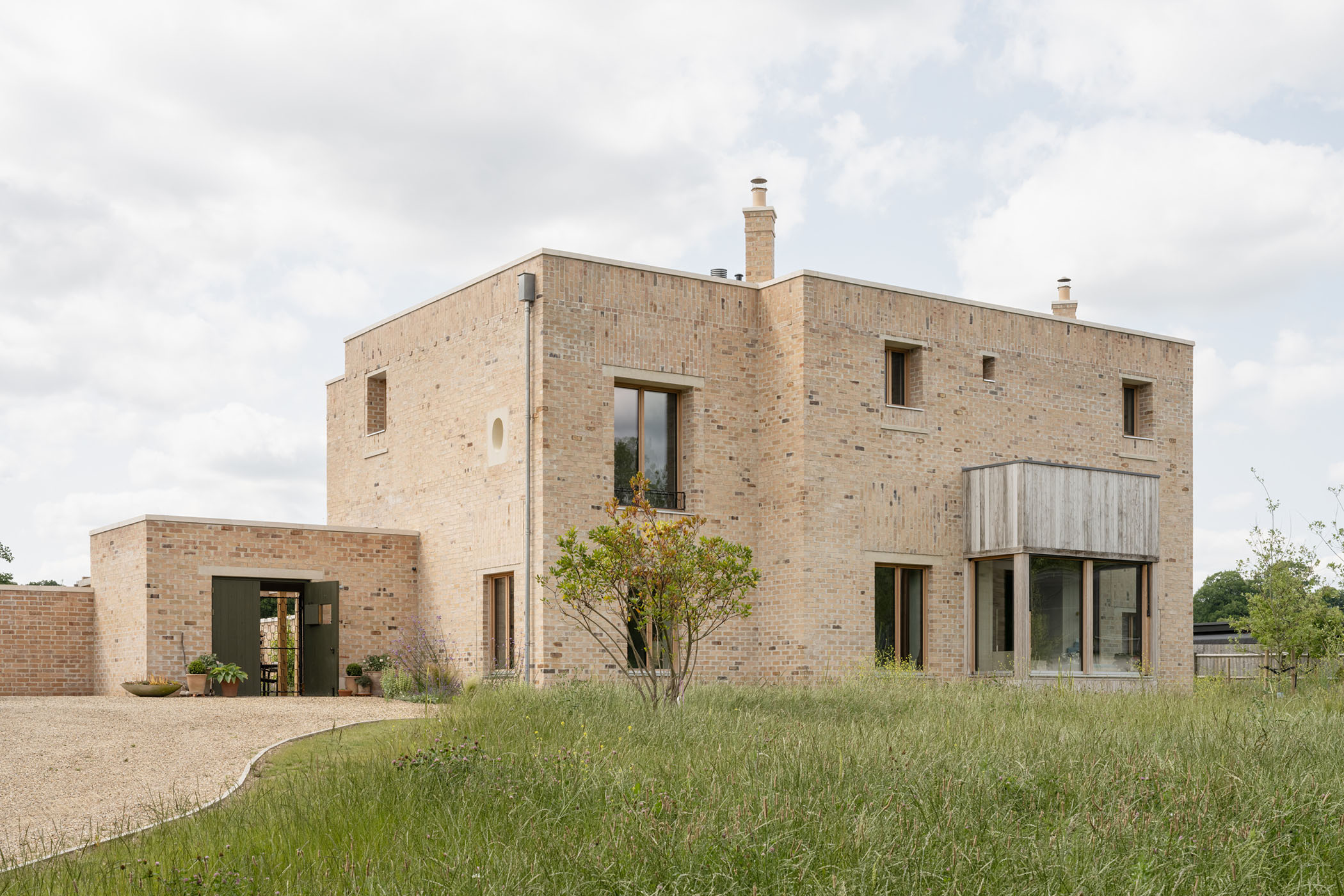
Three years ago, the Belgian gallerist Scott Lippens moved into a fifth-floor Art Deco apartment in the south of Antwerp. Lippens had been working for a biotech firm owned by his mother’s family – “the family business,” Lippens calls it – but the work was unfulfilling, and this new Antwerp apartment represented a fresh start. When he moved in, he populated the home with pieces of contemporary design – chairs, vases, other decorative items – and invited people over to take a look. “We put on a lot of dinners,” he says, “for architects, for potential clients…” The dinners were both a way for Lippens to gain access to the city’s creative community, which is thriving, and to introduce his new gallery, Uppercut, which trades in beautifully crafted, mostly one-off pieces of furniture and design. Architects were invited to consider items they might buy to fill new homes. Private clients, including the fashion designer Dries Van Noten, whose business has been based in Antwerp for decades, began to purchase chairs. The only thing not for sale in the apartment was a large sofa in the living room – and Lippens’s bed. Everything else might as well have had a barcode on it.
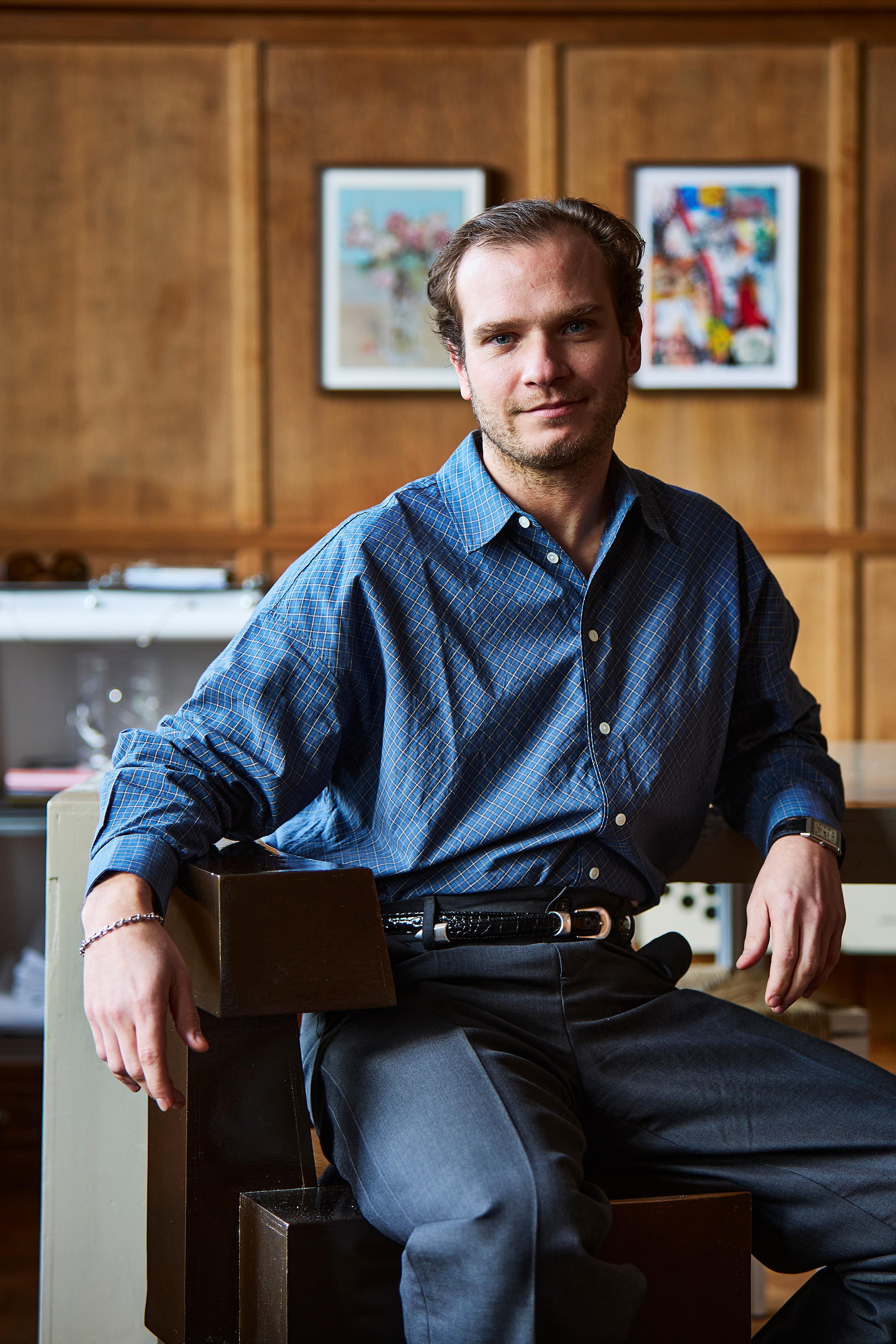
Scott Lippens
Lippens was born in Antwerp but grew up in Flanders, near Ghent, and then Bruges, where his parents moved simply because they discovered “a beautiful house in the middle of the countryside”. His mother worked as a fashion buyer. His father owned supermarkets and distributed frozen food, but in his spare time he collected midcentury French furniture, including the work of the self-taught designer Jean Prouvé. Lippens’s father was an outlier – “this was the 1980s,” Lippens says, “when midcentury furniture was not popular” – but he had become interested in the style in his 20s, and slowly his collection grew, before eventually it filled the family home.
Lippens grew up among these pieces and quickly learned their value. “My father didn’t really have anything to do with design,” he says. “He built his collection naively at first, without much knowledge, but then he became a kind of expert, and he trained me: showed me why certain designs worked with certain woods, why they used certain screws.” Lippens’s father would explain when and why design was good, and when it wasn’t, while his mother became the family’s “home decorator”, creating interior backdrops that Lippens calls “scenes”. “I learned how to curate from her,” he says. “The more theoretical things I learned from my father.”
Lippens studied architecture in Amsterdam and then art history. For a while he worked at a gallery selling minimalist paintings from the US, before spending five years at the family biotech company. But from the age of 16 he also “bought and sold vintage design pieces,” which gave him a student income. (“My friends were working in bars,” he says, “and I was trying to sell lamps.”) When he opened Uppercut, he had already developed a standing in the design world, which allowed him to convince contemporary designers to work with him. He now collaborates with 24 designers, all but one of whom work in Europe. “It’s personal,” he says, of the connection he has with the designers he represents. “There is a big spectrum of people, all of whom I get along with, and a big spectrum of materials they use.” The common thread is craftsmanship: objects that are made with care and detail. “There is not one specific style.”
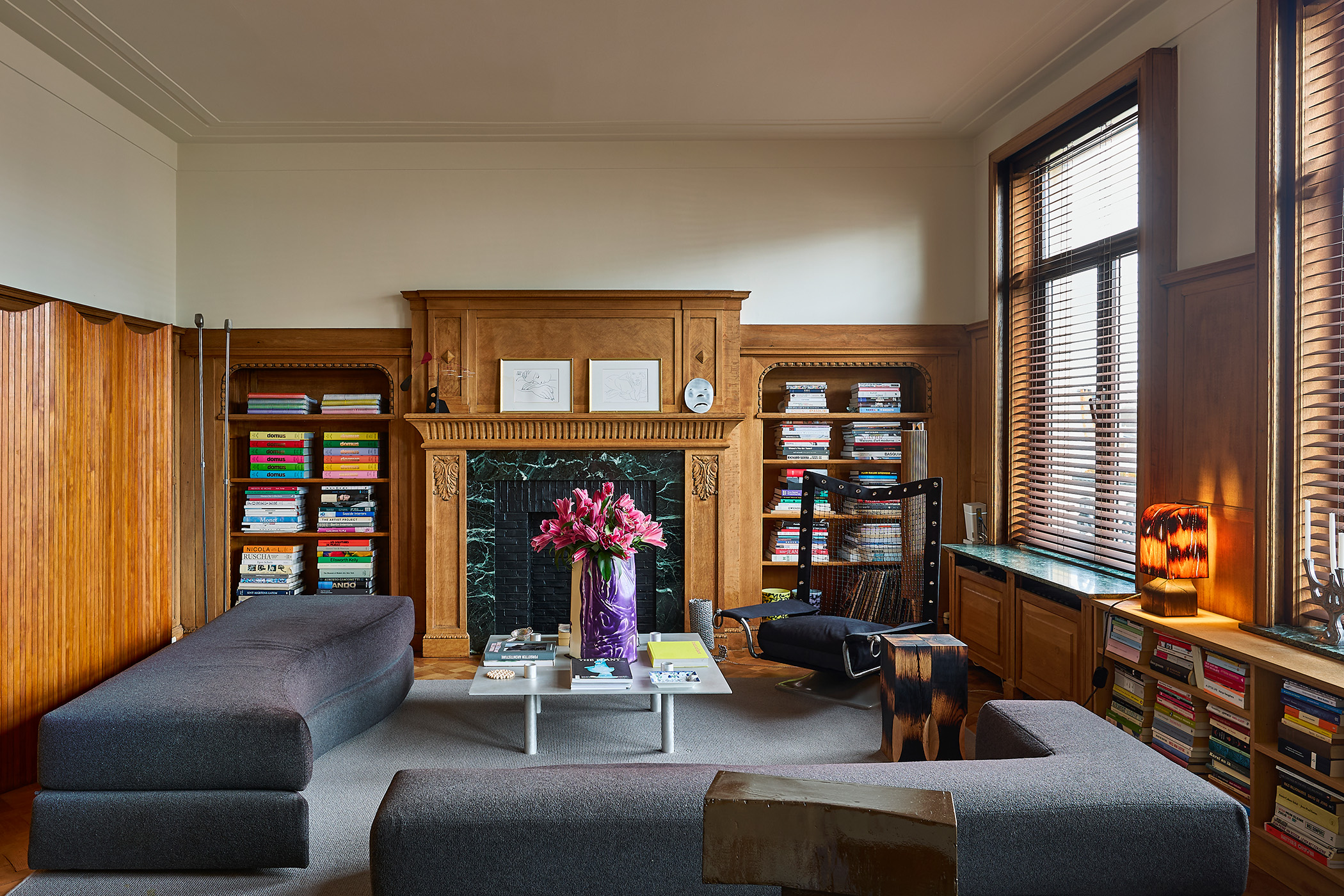
When Lippens established Uppercut in 2023, he did not yet have the capital needed to rent a showroom, so his home, a two-bedroom apartment he shares with his girlfriend, became that instead. “The apartment is an HQ for us,” he says, “and a meeting spot.” Lippens rotates furniture every six months. “Our clients come in, see pieces in real life, in different lights, and get to understand what might work in a residential space – it gives them more imagination.”
From the age of 16, Lippens bought and sold vintage design pieces. ‘My friends were working in bars,’ he says, ‘and I was trying to sell lamps’
From the age of 16, Lippens bought and sold vintage design pieces. ‘My friends were working in bars,’ he says, ‘and I was trying to sell lamps’
Sometimes Lippens will become particularly attached to a piece, and will feel sorry when it sells, “Like, fuck, it’s gone.” But he also enjoys how spending time with pieces from the Uppercut portfolio can change his relationship with and understanding of them. “You see the work on a different level,” he says. “Sometimes you see a work of art, or a piece of design, or even a bit of clothing, and at first sight you fall in love with it, and a few months later you think: ‘I shouldn’t have bought that.’ It’s the same principle here: you get more critical, you see if pieces withstand time.”
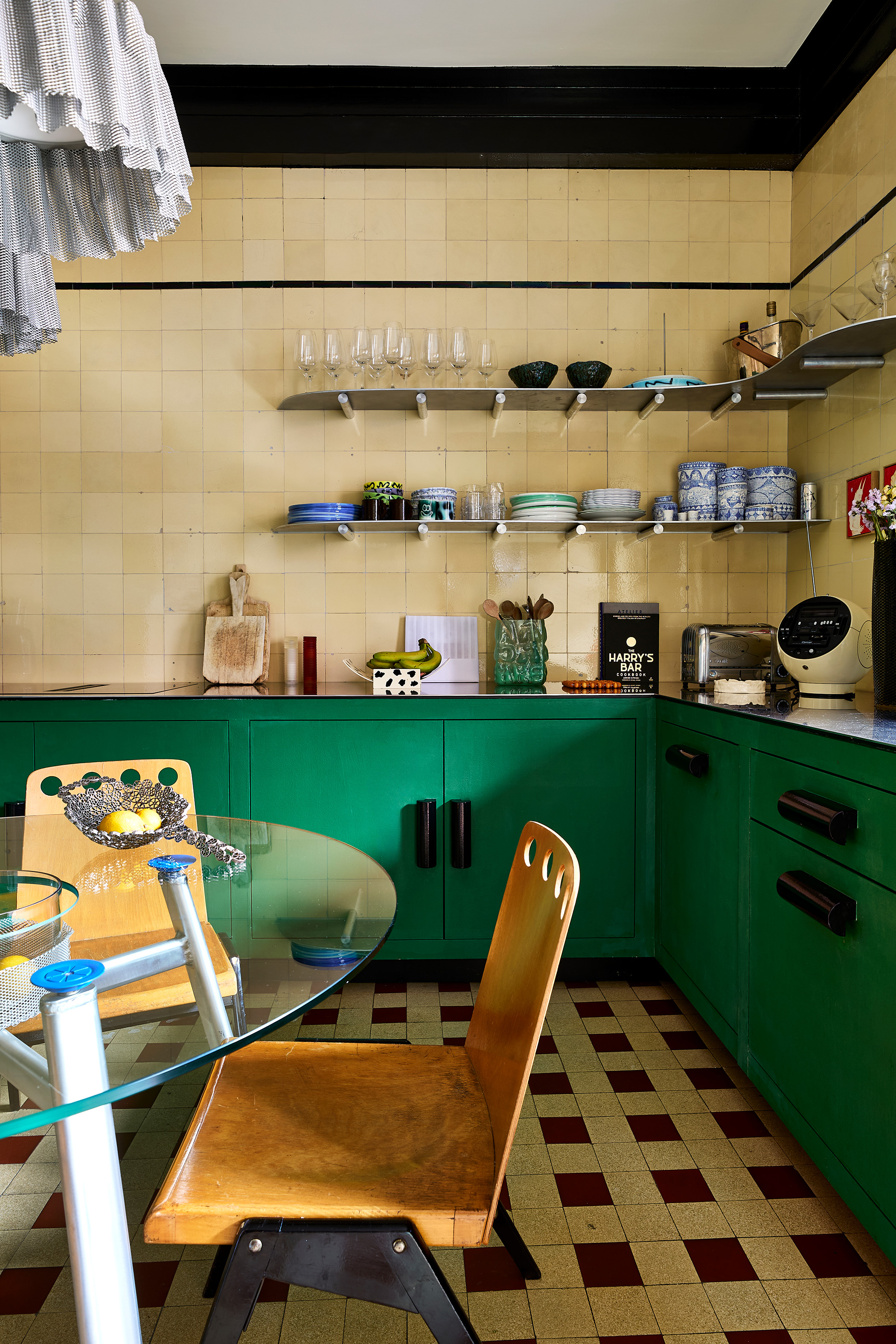
When Lippens moved into the apartment, he only carried out two pieces of renovation: he redid the bathroom, where he added atmospheric black tiles, and he redesigned the kitchen, including cabinetry painted deep green, having been inspired by a kitchen once designed by French-Swiss architect Le Corbusier for a French monastery. Lippens retained all of the kitchen’s original Art Deco tiles, and plenty of the apartment’s other original details – including wood panelling across the living spaces, parquet flooring, a monumental fireplace in the living room. The result is a modernised apartment that celebrates its 1930s heritage (it is in the first apartment block to be built on the street) and provides a perfect backdrop to Lippens’s gallery pieces.
Uppercut will soon open its own space. “It’s about 100m from the apartment,” Lippens says. His new gallery will eventually become his headquarters, too. But the apartment will continue to act as a focal point for commercial activity, where Lippens lives, and works, with design.
Images: Jan Verlinde/Living Inside
Newsletters
Choose the newsletters you want to receive
View more
For information about how The Observer protects your data, read our Privacy Policy