
The words Upstate New York refer to an area so large that it’s sometimes hard to tell what’s meant by the phrase. Encompassing all the state north of New York City – 90% of its landmass – Upstate runs from the dramatic vistas of the Hudson river valley to the peaks of the Catskill mountains, the edges of the frigid Finger Lakes and the more industrial, workaday towns of Syracuse, Albany and Buffalo. “Upstate” is mostly defined by what it is not – which is the frenetic energy of New York City itself. So when a New Yorker heads Upstate, it’s often on a mission for peace, quiet and wilderness. This appetite for isolation took hold in America and around the world during Covid and it continues to grow, leading to the rise of remote retreats. Airbnb played its part in opening up access to unusual places to stay, and now a second wave of unique properties have become available to book.
It’s exactly this experience that visitors will find at Vipp Pavilion, a new stucco slab of a guesthouse in Pond Eddy, a hamlet on the Pennsylvania border two hours’ drive northwest of Manhattan, where the population sits around 500, and mobile phone service is minimal.
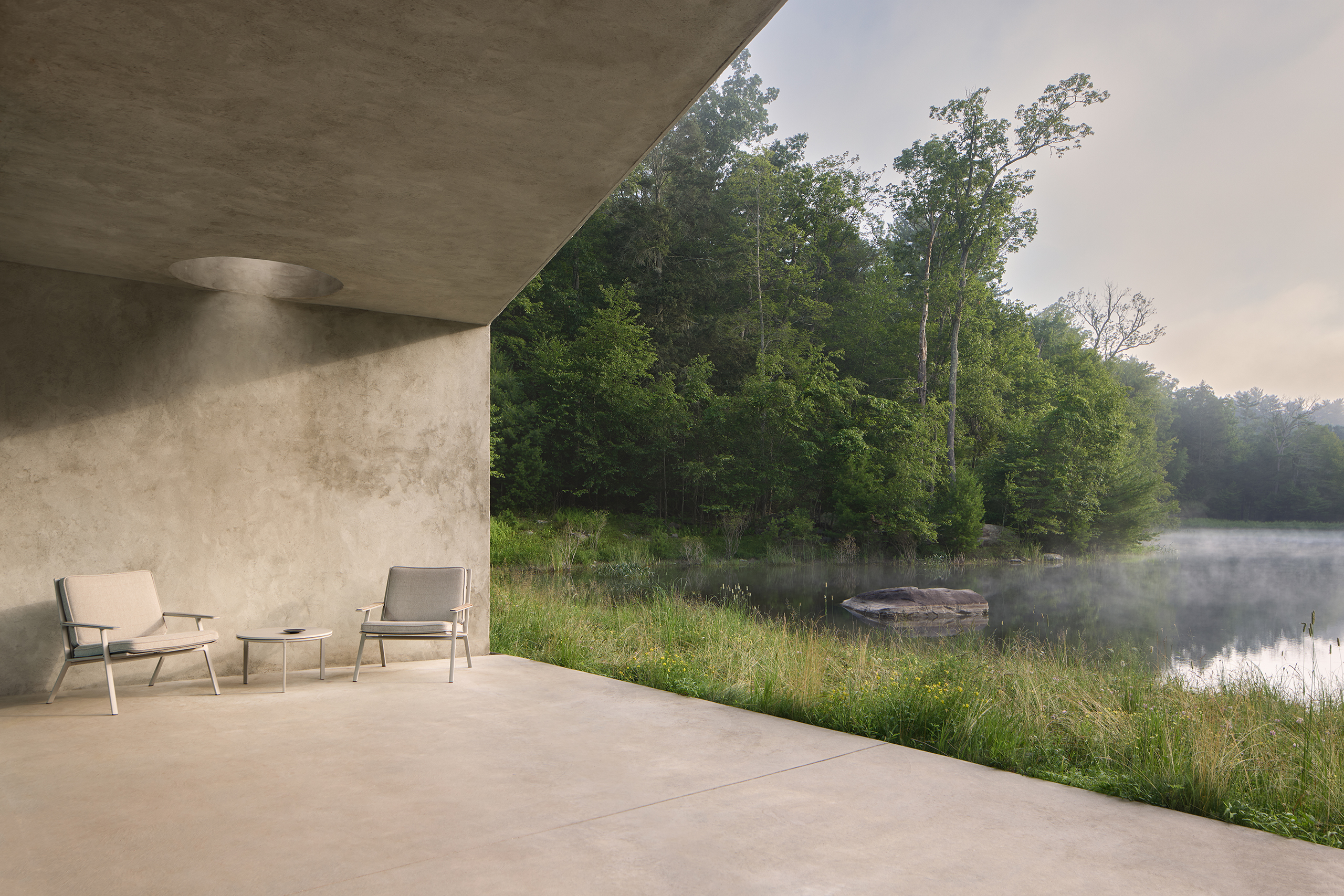
Sofie Christensen Egelund, Vipp’s co-owner and a third-generation member of the family-run business, describes the house as “liveable sculpture”. It sits like a white beacon on the edge of a pond. She insists on the guesthouse terminology: “It should feel like we are friends, and I’m giving you the key.”
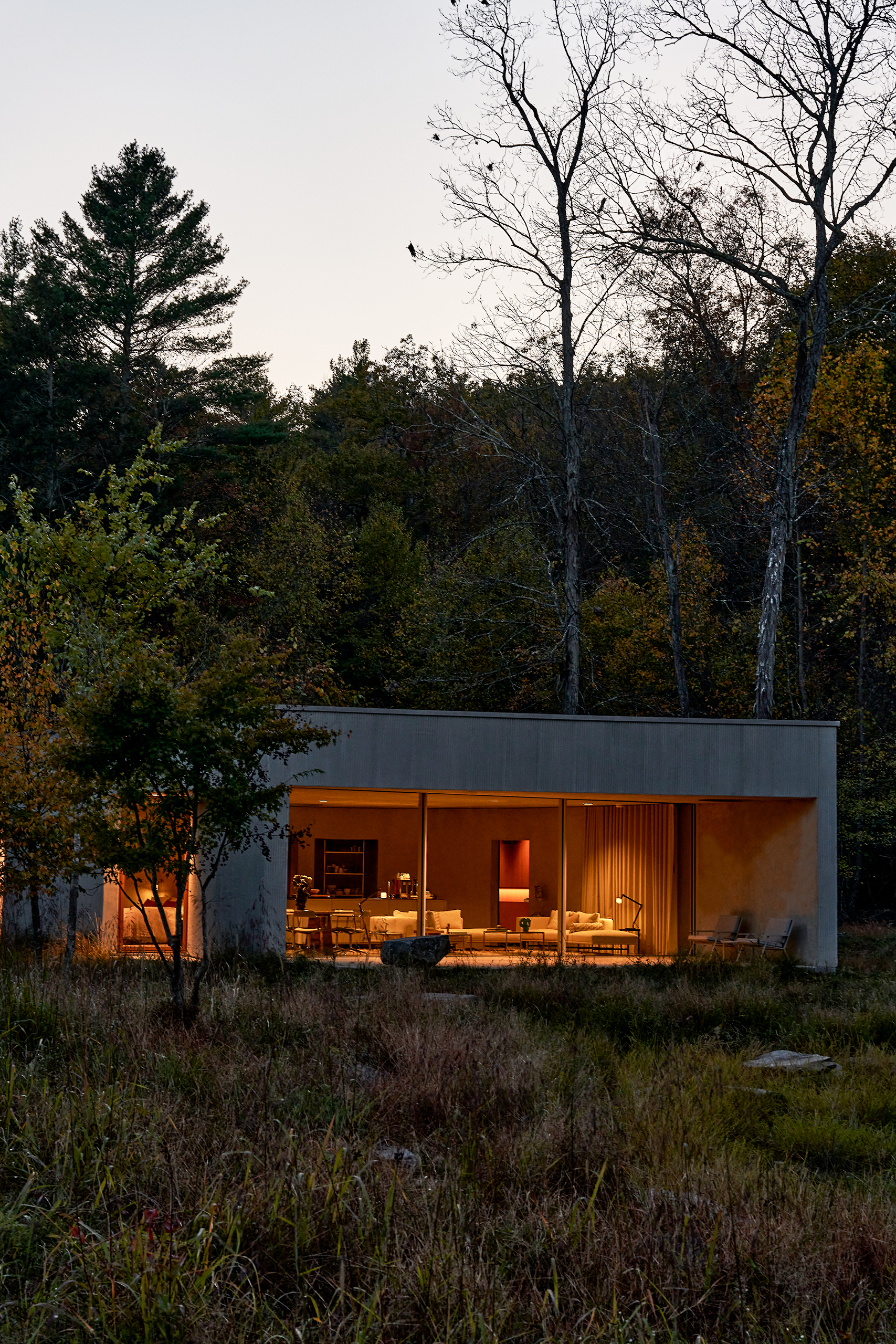
In other words, this isn’t a hotel in the traditional sense. The two-bedroom house sleeps four, and the focus here is on the landscape. In February, Upstate’s snowglobe winter had covered the surrounding meadow in a thick pillow of snow, and the pond was frozen solid. The house is conceived as a self-sufficient base, so supplies need to be gathered from the nearest town, 20 minutes away.
Vipp’s improbable story starts with the Danish design brand’s first product: a pedal bin so famous it has been reworked by the likes of Philippe Starck and Damien Hirst, and a model of which is now held in the Museum of Modern Art. Vipp’s first foray into guesthouses was never intended as such. An attempt at prefab housing in 2014 gave birth to what is now known as Vipp Shelter, a steel box plunged into Swedish forest that offers “the necessities, and nothing more”.
Though the prefab project was dropped, the company learned along the way that the guesthouse model held promise, and since then they’ve broadened their territory, constructing and rehabilitating buildings across three continents. Each of the guesthouses works as a showcase of the company’s kit, which now includes sleek, design-forward kitchens and sprawling, modular sofas, as well as those pedal bins.
This is not the first time a business has made the leap from its main hustle to hospitality – for example gallerists Hauser & Wirth’s art-centric hotels and furniture brand RH’s extension into restaurants – and Vipp’s guesthouses now form one of the most architecturally compelling, as well as locationally imaginative, collections of places to stay in the world.
In Latvia, a fisherman’s house built in 1876 is now surrounded by rapid rivers and old-growth trees in the Salaca River Valley. In Mexico’s Todos Santos, a cubic rammed-earth construction is set against a backdrop of the Pacific Ocean and dusty roads dotted with towering cacti. In Tasmania, a Brutalist 30m-long tunnel is cantilevered over a sloping hill on rugged Bruny Island.
Cold comfort: in the winter the pond freezes over. The plan is based on two linked ellipses with rooms set in the spaces outside them
The guesthouse in Pond Eddy, the 15th addition to the company’s growing portfolio of properties, is also their first in the United States. Egelund and her siblings commissioned Los Angeles-based architects Johnston Marklee – the designers behind Houston art museum Menil Drawing Institute, and the renovation of Kunstmuseum Basel, which houses the oldest public art collection in the world – to imagine a retreat on the property’s forested 16 acres.
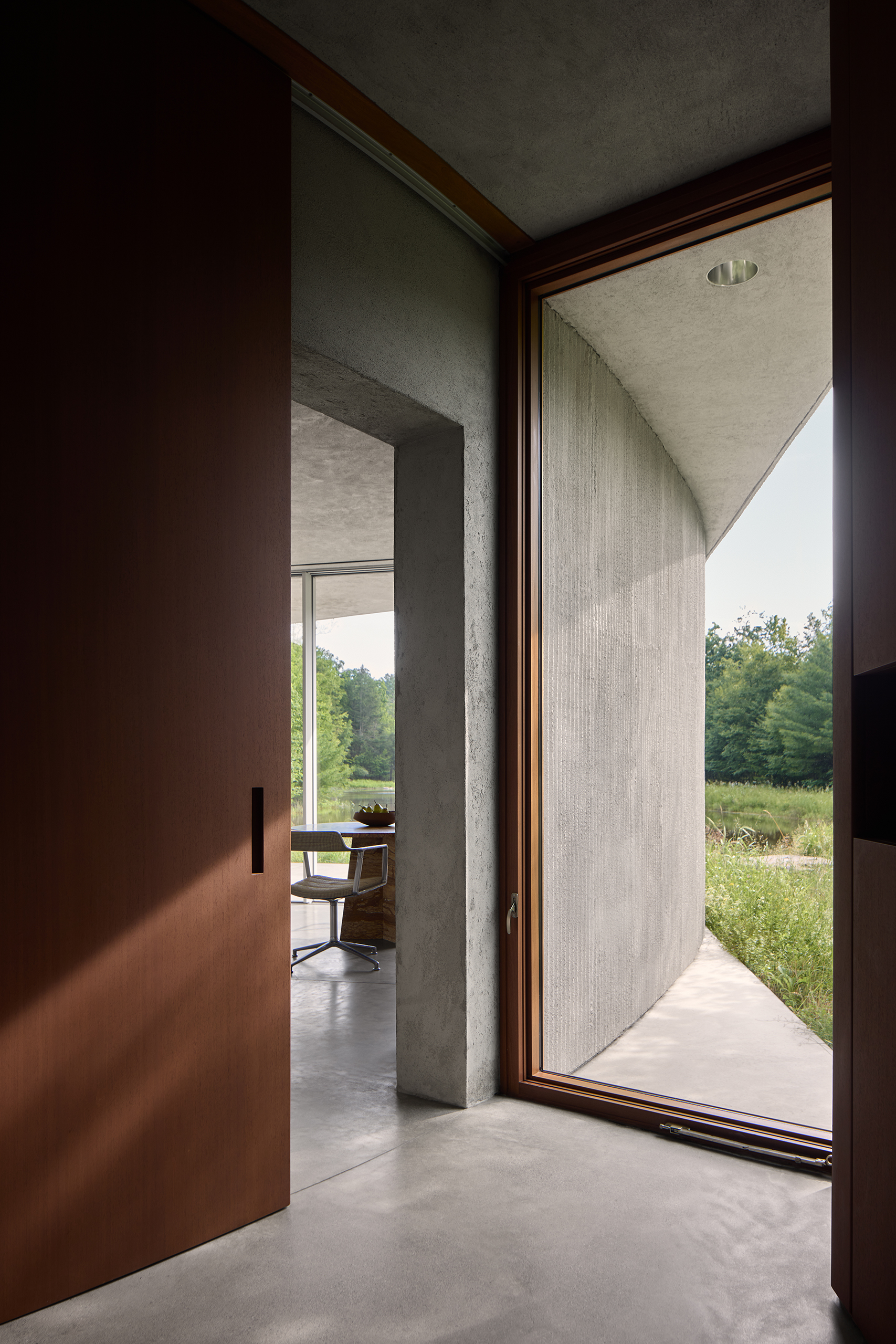
Like the Kunstmuseum, the guesthouse’s structure is relatively unadorned, defined as much by its absences as what’s actually there. Reaching the house is a kind of Matryoshka of transitional moments: a winding drive traces the edge of the pond, followed by entry into a meadow clearing, then into a courtyard – an open-sky area that Mark Lee of Johnston Marklee calls a cloister. The building’s floorplan features two kissing ellipses, with the bedrooms situated in the voids outside them. Those elliptical forms mirror the shape of the pond just outside the living room’s glass wall, and are echoed in the rear courtyard. In warmer weather, the pond is clear enough to swim in, and the property’s trails wind through tall native grasses and wild flowers in the meadow. Beyond the main house is a two-storey treehouse in the woods, which was built before the guesthouse.
The home’s centrepiece is a floating kitchen made of extruded, ribbed aluminium, whose slick, industrial look contrasts with the house’s rough stucco texture. Cooking there, “You’re at the centre,” says Lee. “You feel the connection to nature.” Lee and his partner, Sharon Johnston, looked closely at California’s modernist Case Study houses, which treated the kitchen as a nucleus of activity in the home, as a reference – as well as Capri’s dramatic, stepped Villa Malaparte, which immerses itself in landscape.
“More and more, we see clients wanting to have incredible experiences in places,” says Johnston. “It’s less about the traditional consumption of things.” But while the house is the draw, nearby options include kayaking on the Delaware River, hiking on trails and local greenways, and bald-eagle spotting at the Basha Kill wetlands. Within half an hour is the town of Narrowsburg, an outdoorsy but artistically inclined hamlet that has become a popular weekend escape for frazzled New Yorkers. There, guests can brunch at the Heron, a quaint tavern in the thick of town, or share pizzas and mezcal cocktails along the Delaware River at the Laundrette. Roscoe, a town an hour north, is a haven for the fly-fishing crowd.
With the opening of Vipp Pavilion, the company is taking a bit of a pause, Egelund says, after a breathless run of launches. That said, Vipp has two more guesthouses on the way, in Sicily and Scotland – but when it comes to the details, Egelund’s lips are sealed.
Not bad for a company that got its start pedalling bins – of which they have sold more than a million to date.
Great escapes: other remarkable guesthouses in Vipp’s global portfolio
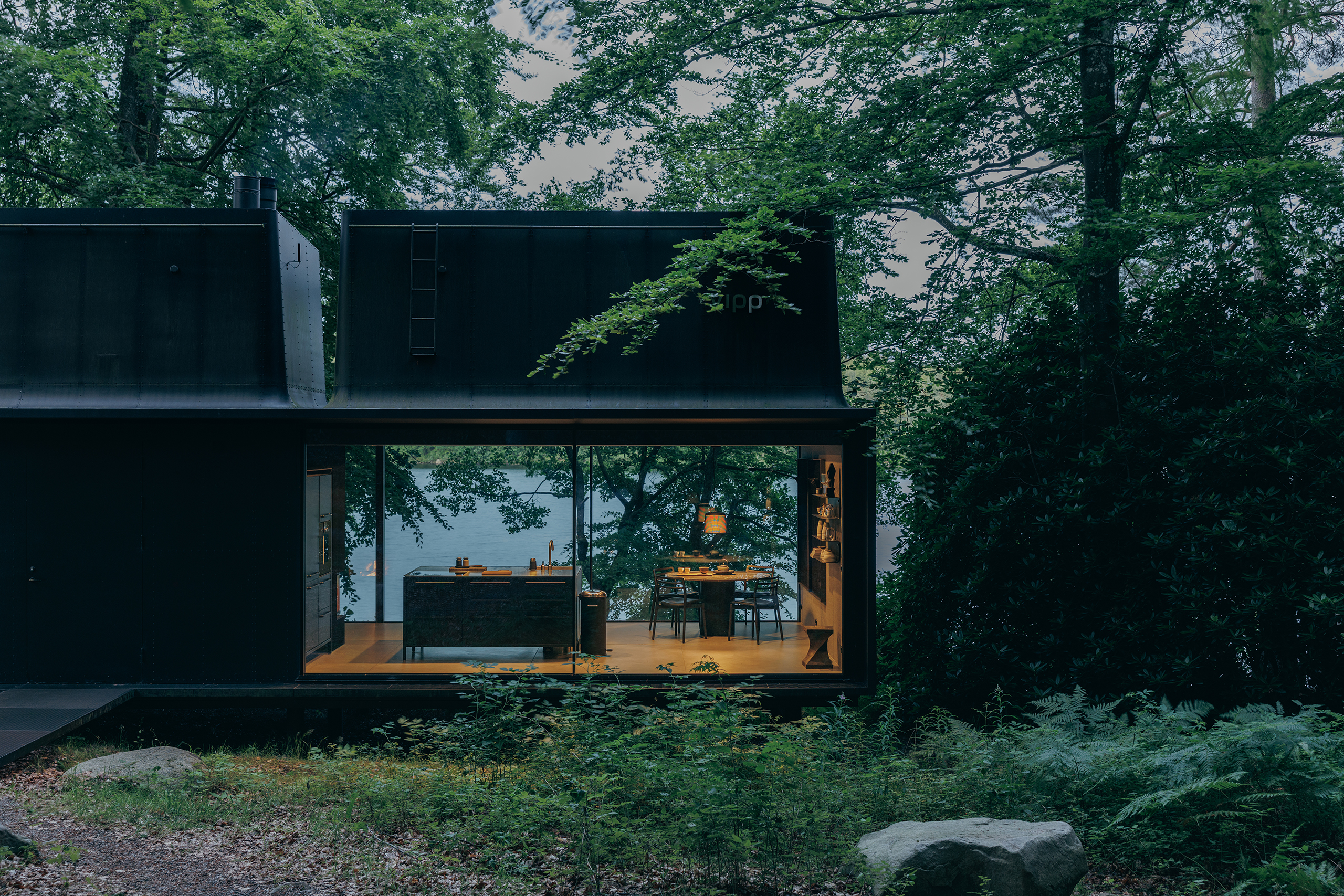
Sweden: the first of the Vipp guesthouses to be built, the black steel structure by lake Immeln was made as a prefab
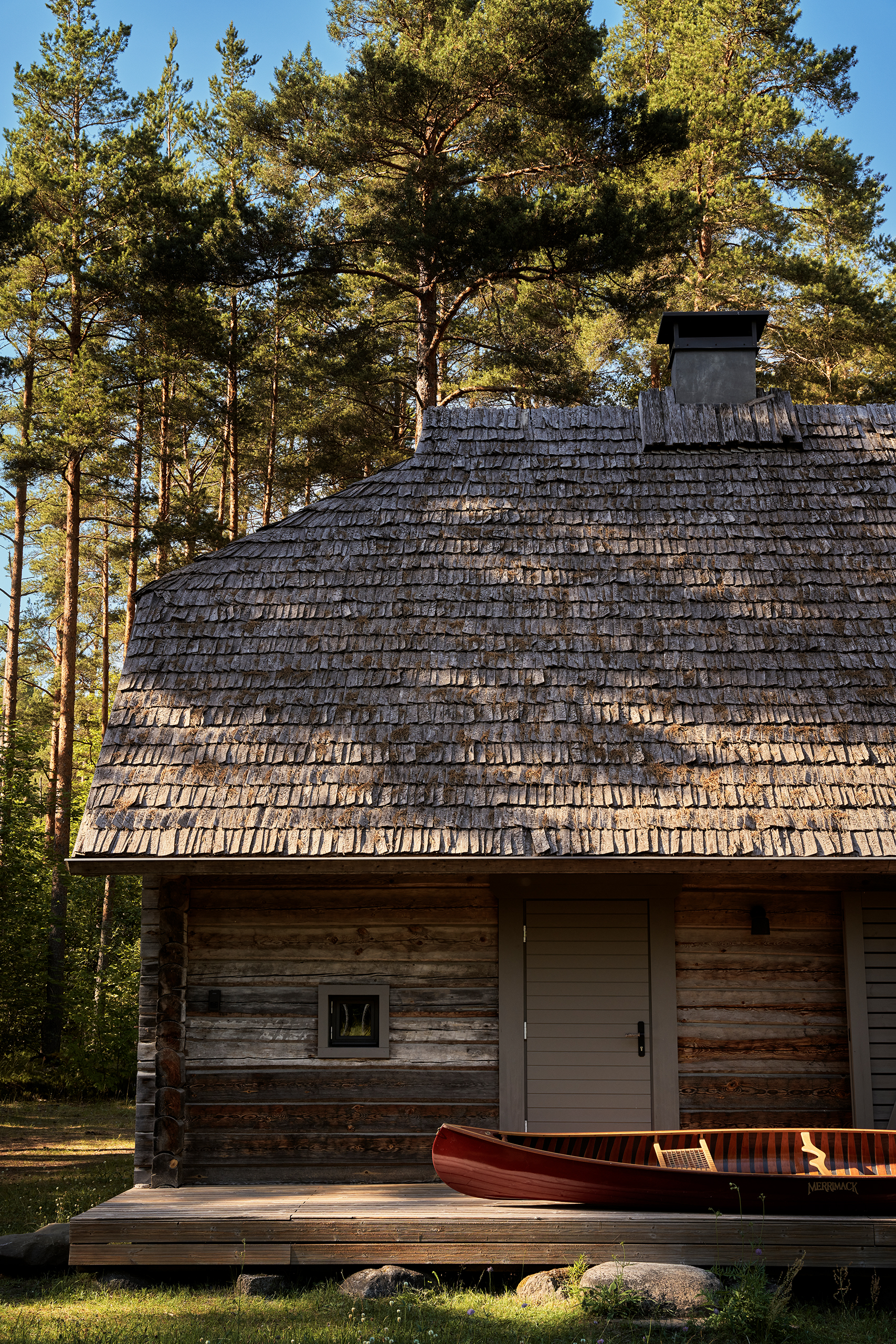
Latvia: a former fisherman’s log cabin due to be demolished was relocated to the Salaca River Valley
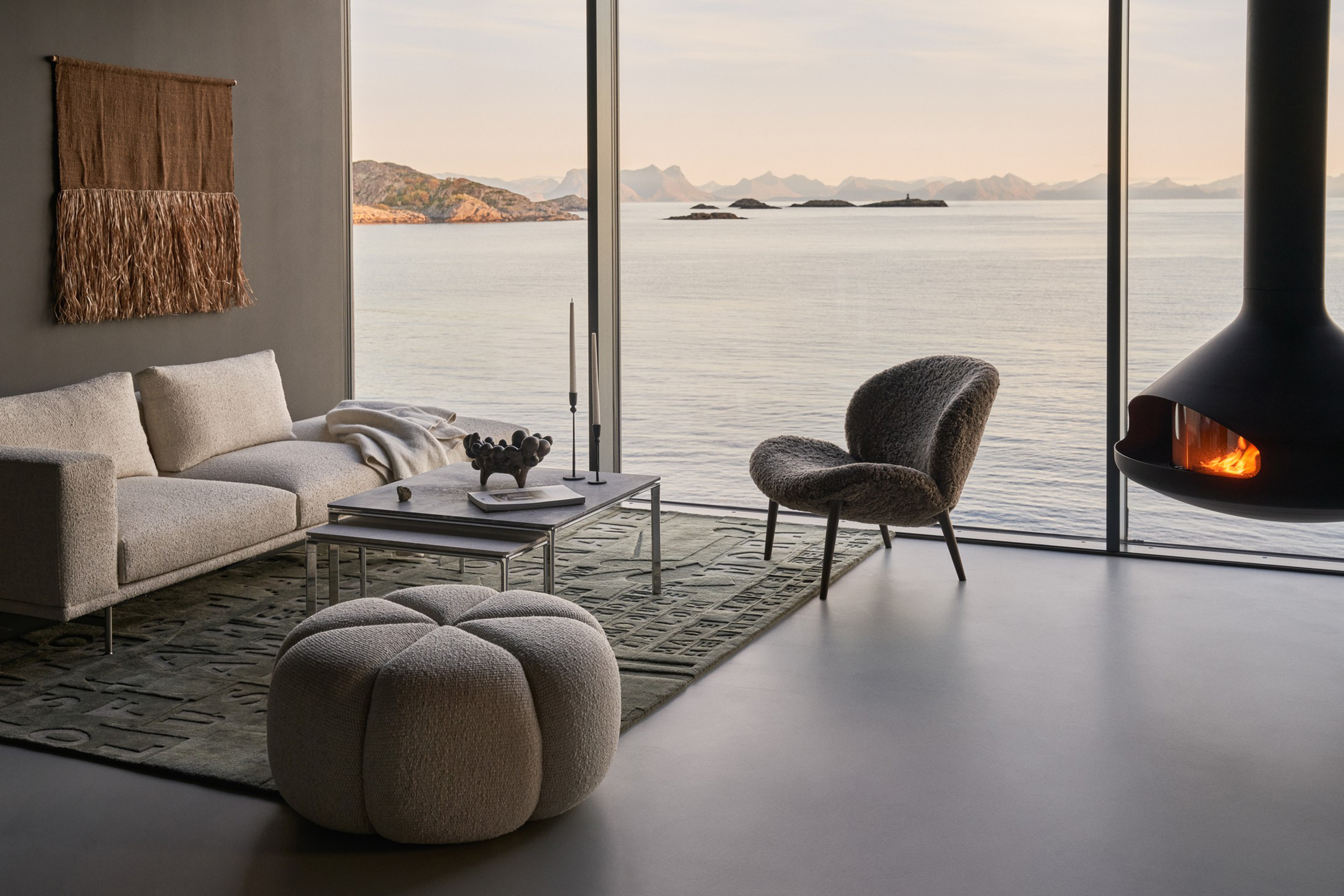
Norway: The guesthouse is erected on stilts on Storemolla island on the wild sea coast
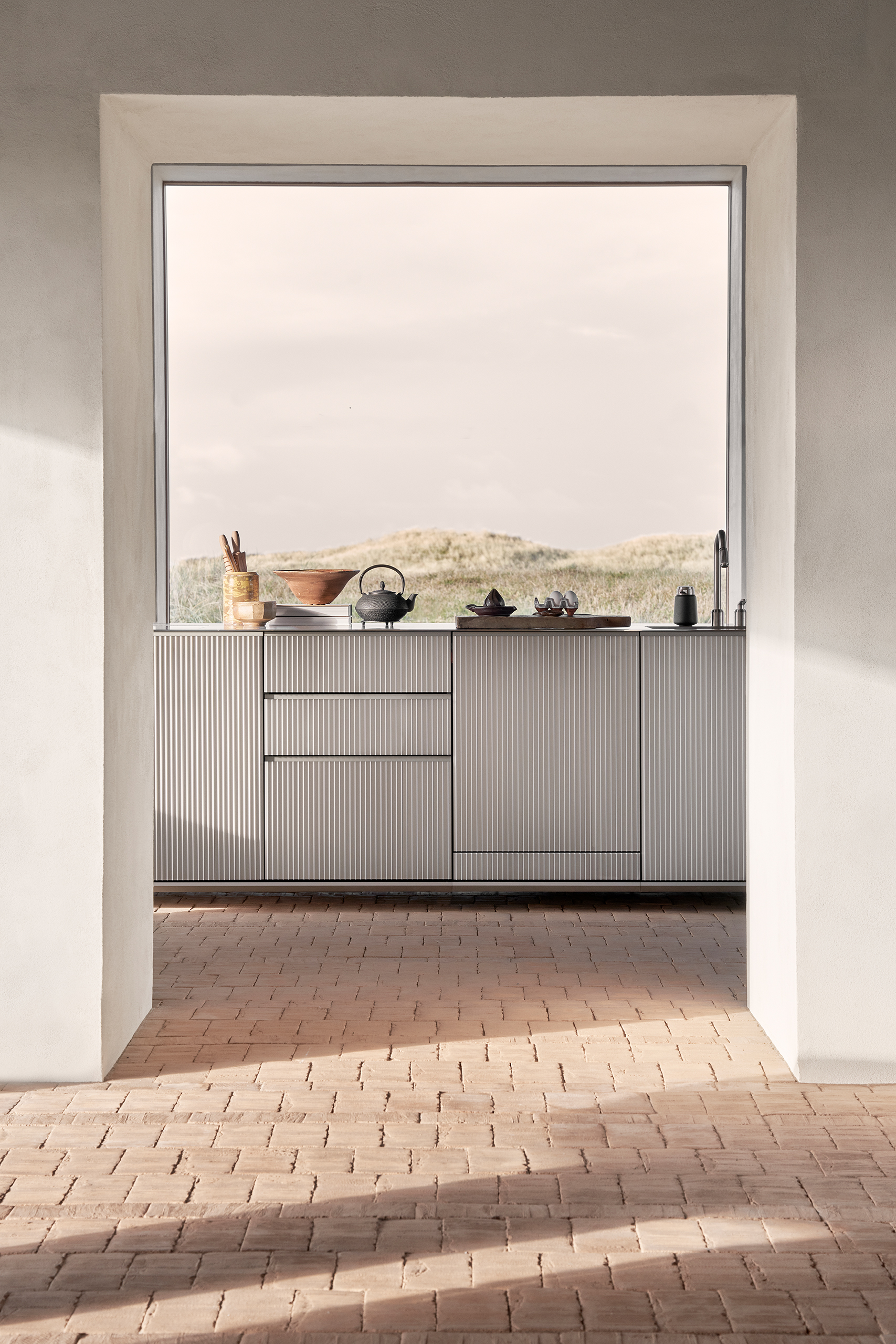
Denmark: The one-room guesthouse is situated in Vangså, a surf town on the storm-struck west coast
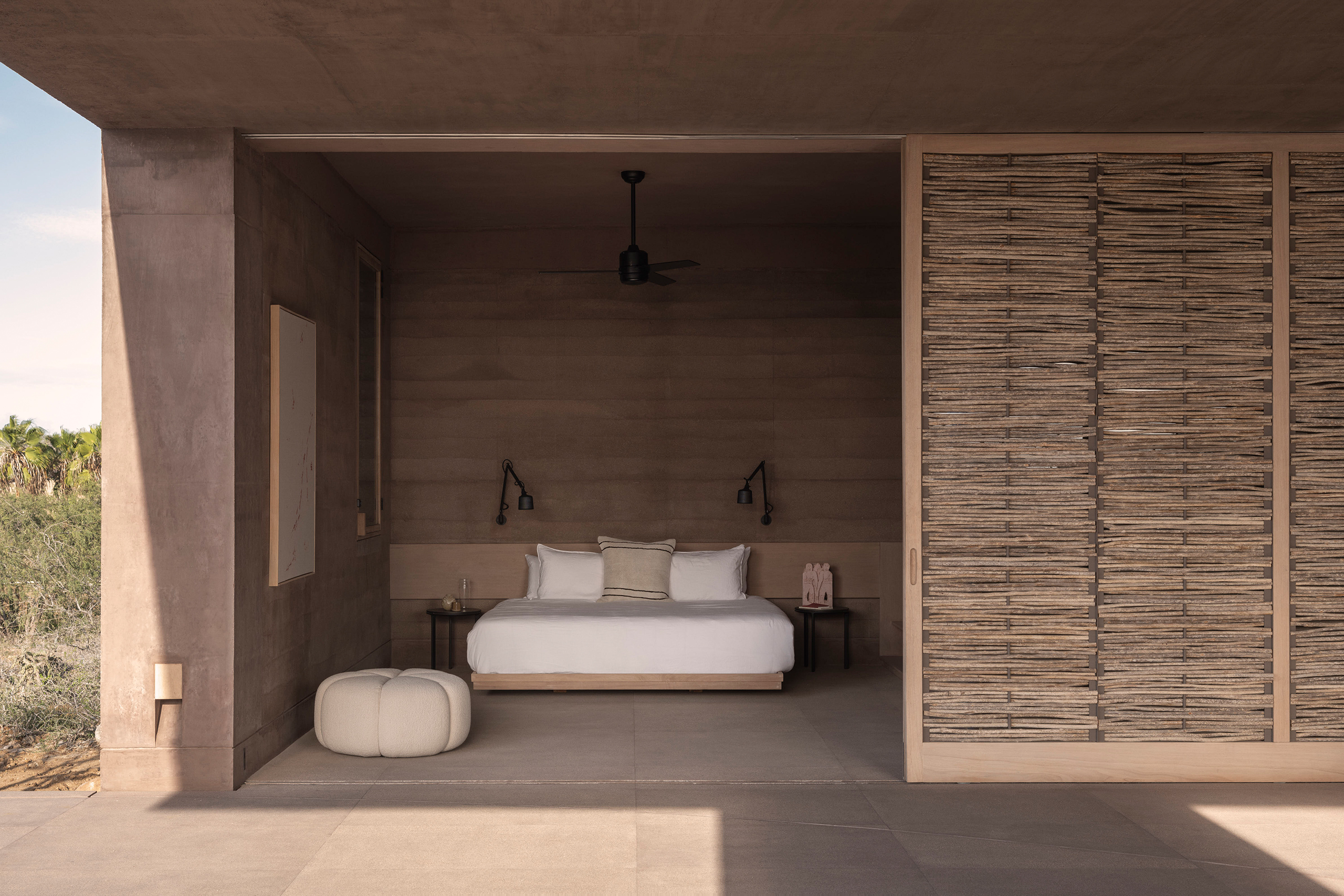
Mexico: window shutters are woven from branches of the local Palo de Arco tree at this radical rammed-earth guesthouse in Todos Santos
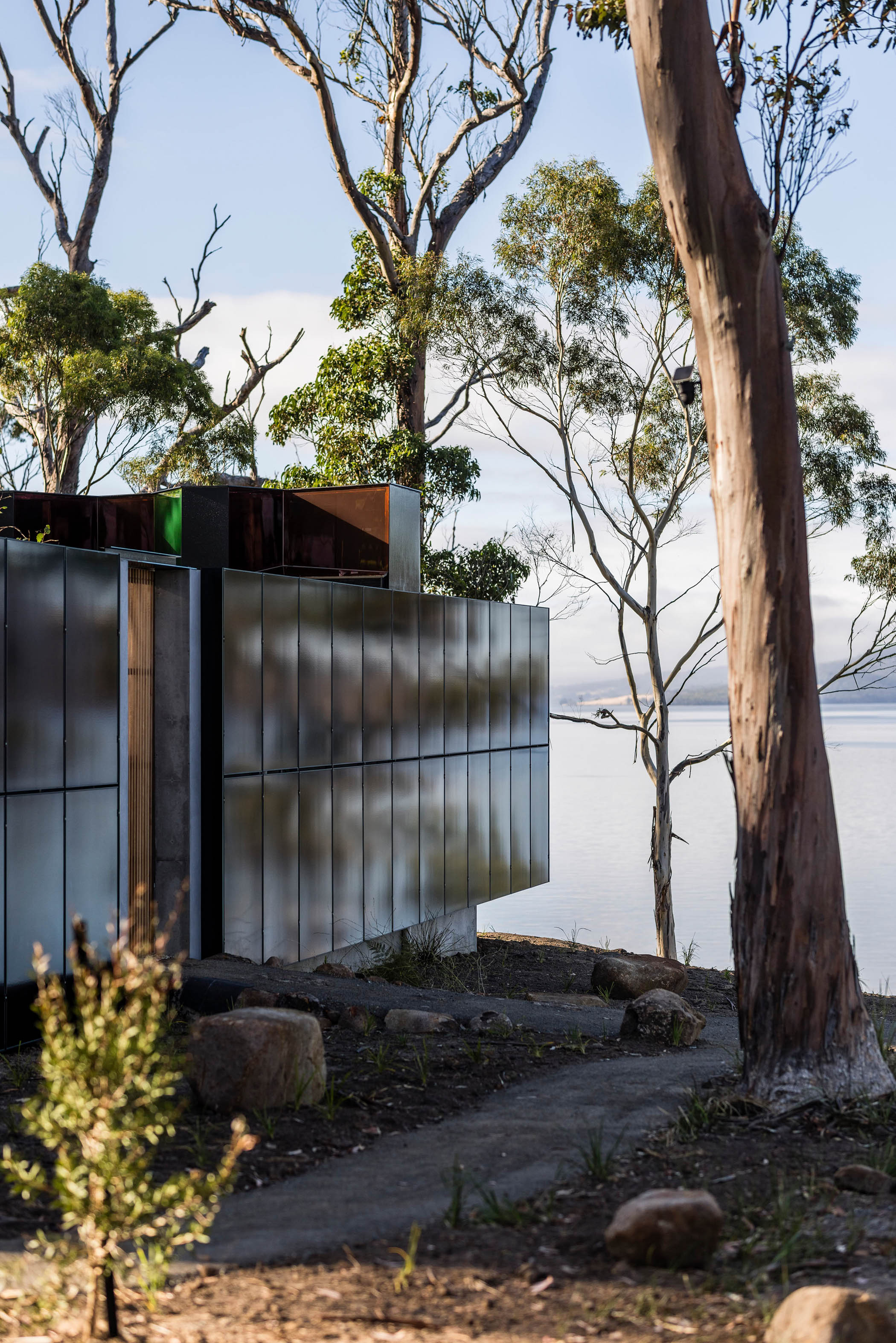
Tasmania: wall-to-wall glass and recessed steel doors provide unobstructed views of the Tasmanian sea on Bruny Island
Newsletters
Choose the newsletters you want to receive
View more
For information about how The Observer protects your data, read our Privacy Policy