
At the mouth of the Water of Leith, Edinburgh’s slimline river meets the sea. This is the Shore, once Scotland’s gateway to the world, where for centuries vast ships carrying sherry, spices and grain sailed in and out of the port. In the 19th century Leith became the capital of the whisky trade, where Scotland’s spirit came to be blended, bottled, matured and shipped across the globe.
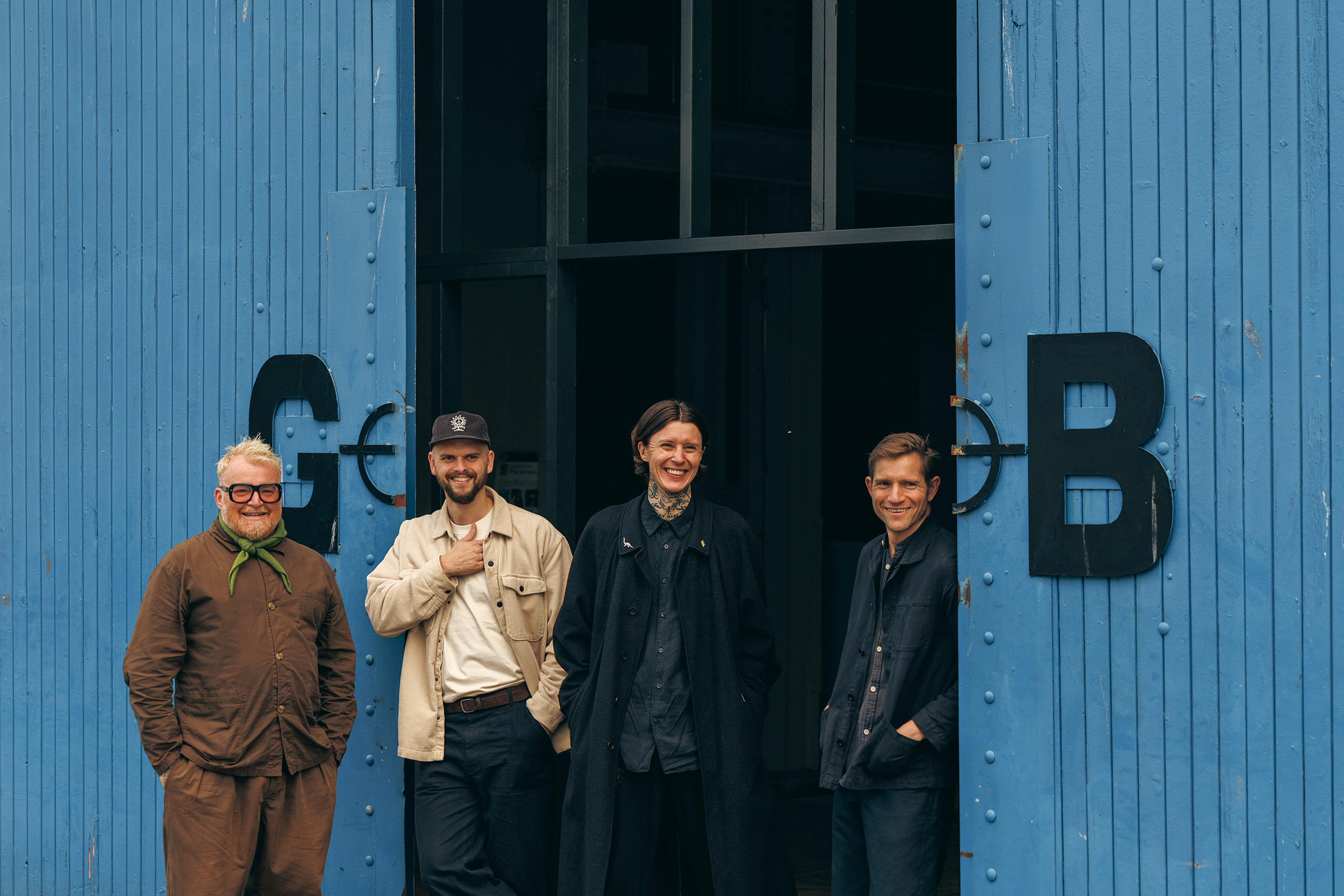
Fast-forward another century or so, after countless sea changes and even more maritime metaphors, and the Shore’s past can be glimpsed on the waterfront, like the herring gulls on the recently reopened Victoria swing bridge. It’s in the seafood restaurant in the signal tower, the wonky old pub built as an armoury for James I and the bonded warehouses split into dockside apartments – and behind the towering, sea-blue doors of the area’s newest and biggest project: Brown’s of Leith. Last year George Brown & Sons, a family-based engineering business in Leith for 200 years, moved out and the building was taken on by local architect Gunnar Groves-Raines and his studio, GRAS. Brown’s now represents the apotheosis of Leith’s regeneration. “This building will always be an iconic part of Leith,” says Jo Radford, one of four operators inside the former engineering warehouse. He is a member of the family behind Timberyard, the groundbreaking Michelin-starred restaurant that brought New Nordic cuisine to the Scottish capital.
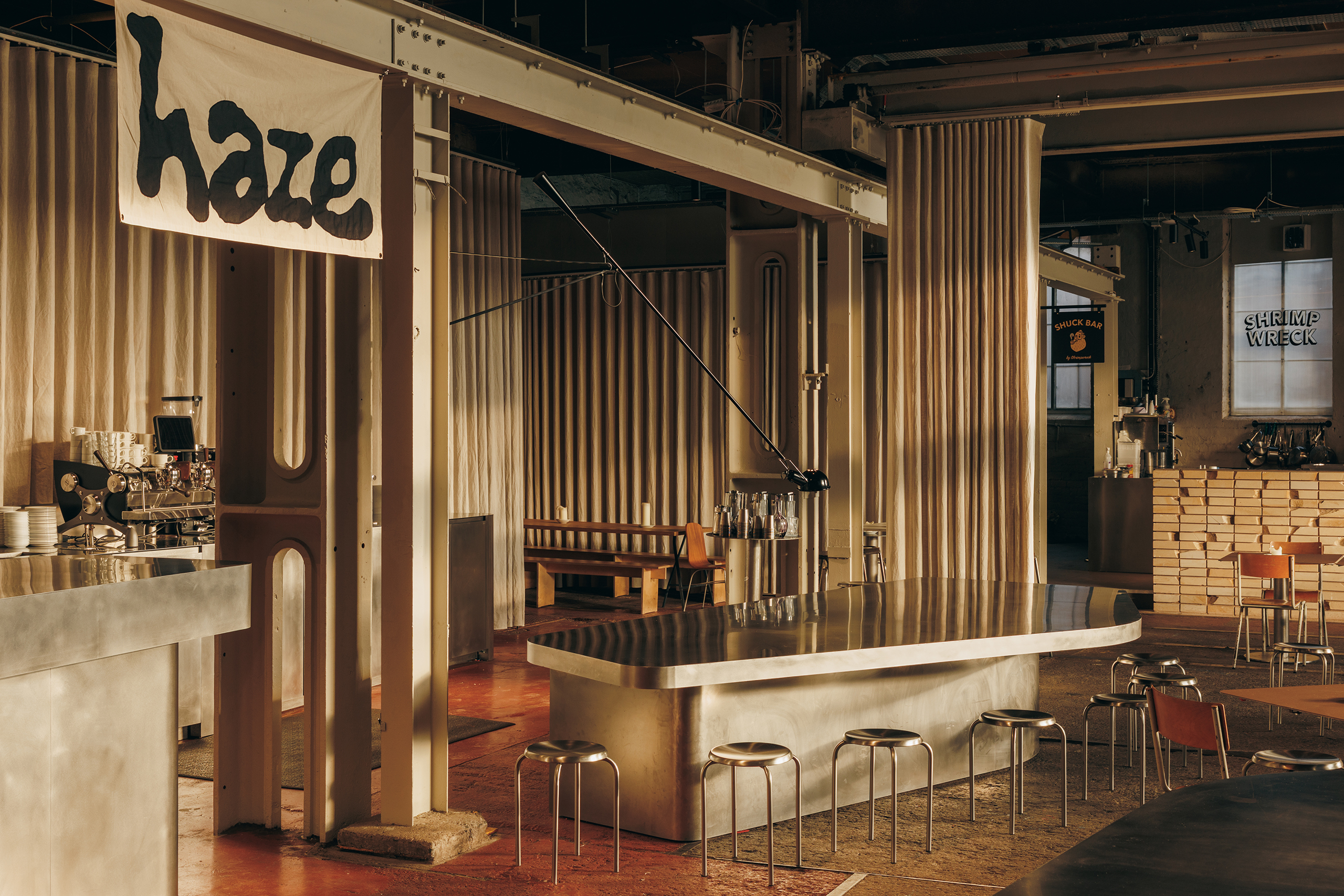
Haze code: the Radford family's latest venture is open all day
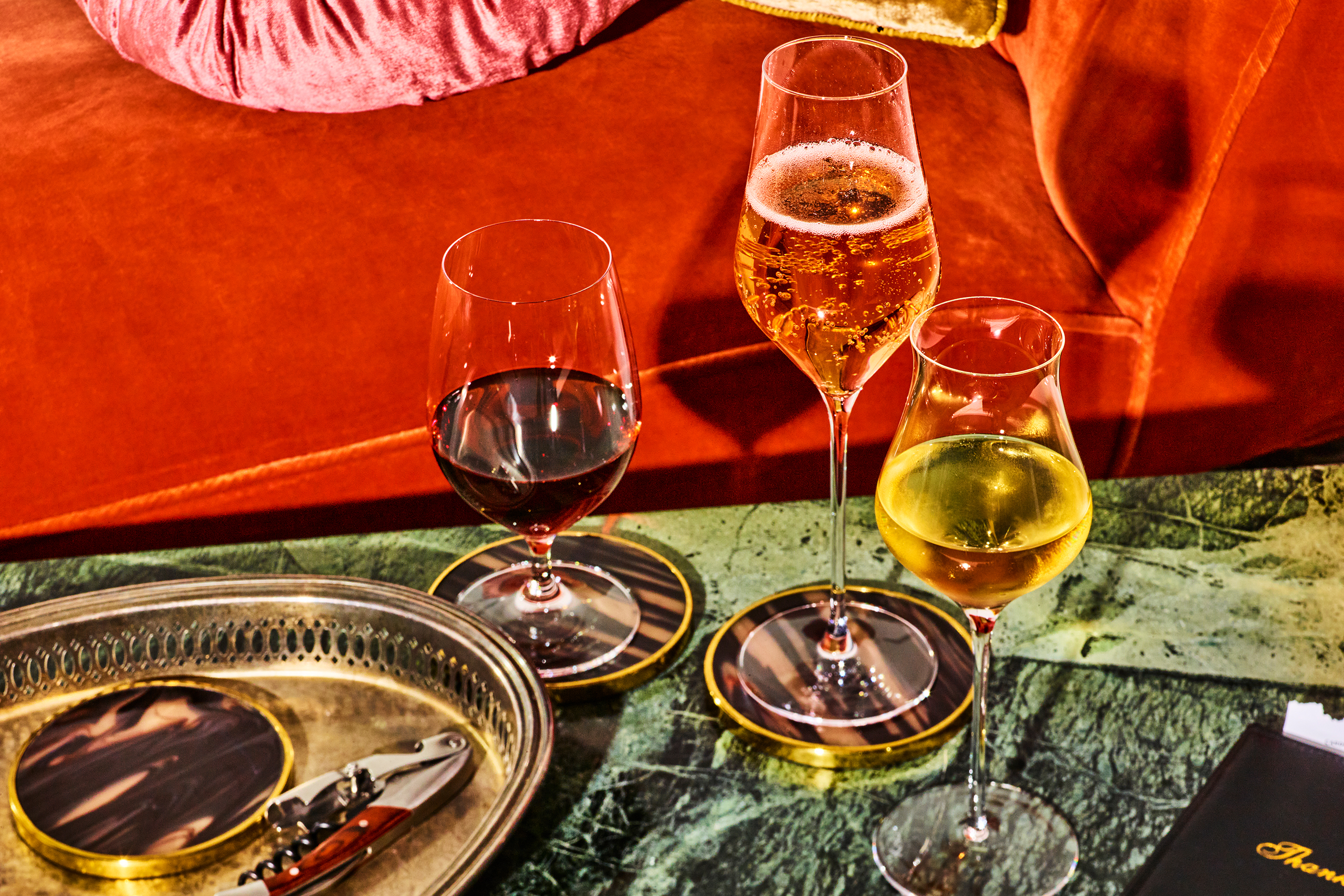
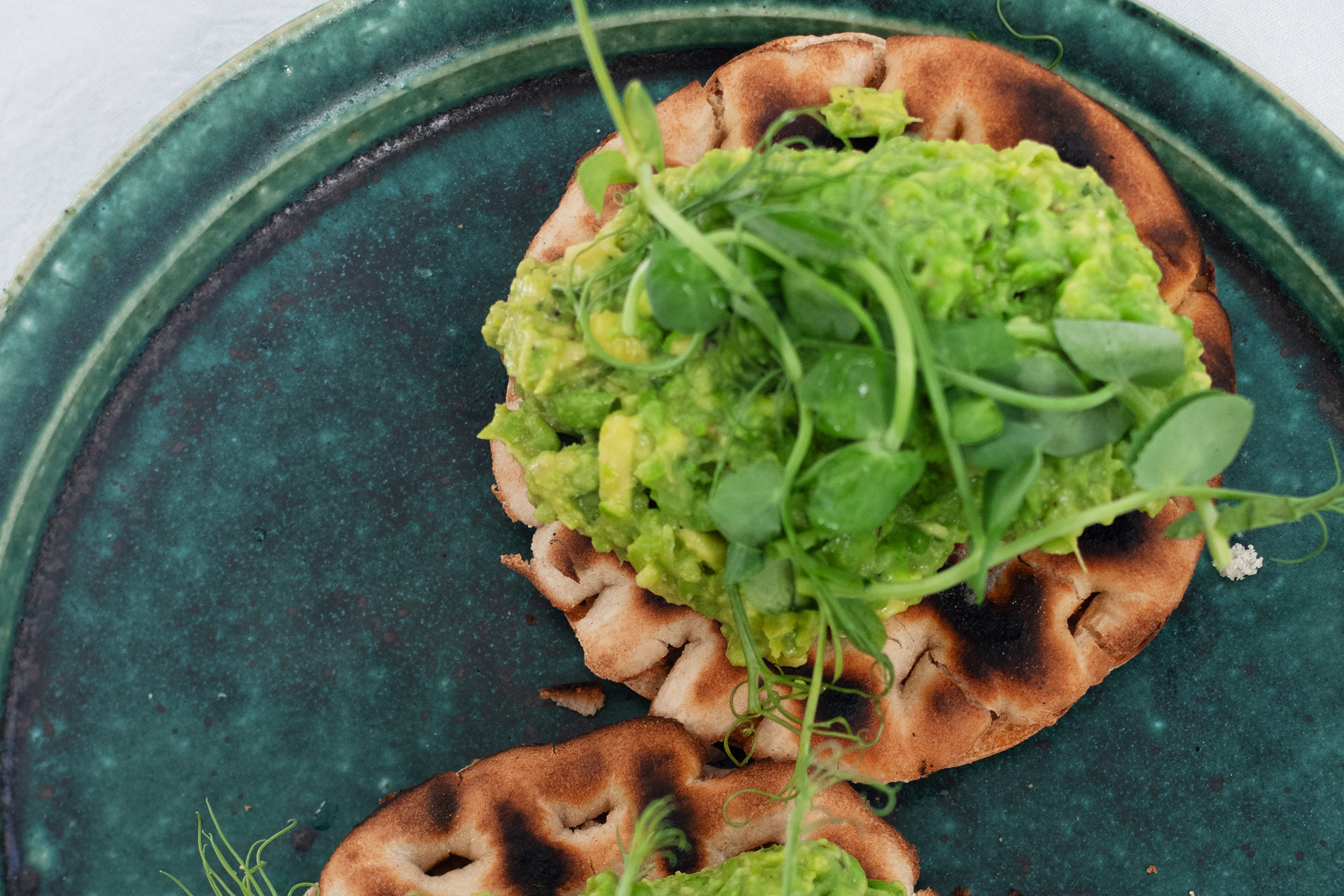
Inside Brown’s is the Radfords’ latest opening, Haze, an all-day lineup of coffee, wine and tinned fish on toast. The space is also home to New York-style pizza chain Civerinos; Shuck, a seafood bar serving oysters and lobster rolls; and Woven Whisky, a blending studio with plans to age the spirit on-site. “We want to bring Scottish craft and industry back to the building,” says Radford.
I moved to Leith, Edinburgh’s port district on its northern fringe, 18 years ago, when there was but one Michelin-starred restaurant: Martin Wishart, the grand dame of French-Scottish fine dining, now celebrating its 27th year. Those were the Trainspotting times, when I lost count of the number of people who asked me how scary it was after I’d told them where I lived. (It wasn’t.)
‘The hash browns at Ardfern are so legendary I’ve heard them discussed on dancefloors’
‘The hash browns at Ardfern are so legendary I’ve heard them discussed on dancefloors’
One of the UK’s most densely populated areas outside London, Leith has since undergone profound change. Today the Royal Yacht Britannia, berthed at Ocean Terminal since 1998 and once the area’s main tourist draw, lies in the shadow of the most ambitious symbol of Leith’s rise: an ultramodern black column soaring 40 metres into the skies over the ancient docks – the UK’s first vertical whisky distillery.
Community spirit has always been a powerful force in the Republic, as Leithers call it (without irony). This, too, is historic. Leith was an independent burgh until it was merged with Edinburgh in 1920, against the will of the people. “This theatre was gifted to the people of Leith from the city of Edinburgh when they were amalgamated,” says Lynn Morrison, the chief executive of Leith Theatre. The grand, B-listed venue, closed for more than half its life, is on the brink of full-scale restoration thanks to a sustained local campaign that, most recently, recently resulted in £5m city council funding. “That civic pride is inherent to this building’s being. It’s why it was built in the first place. It’s how it was saved,” says Morrison.
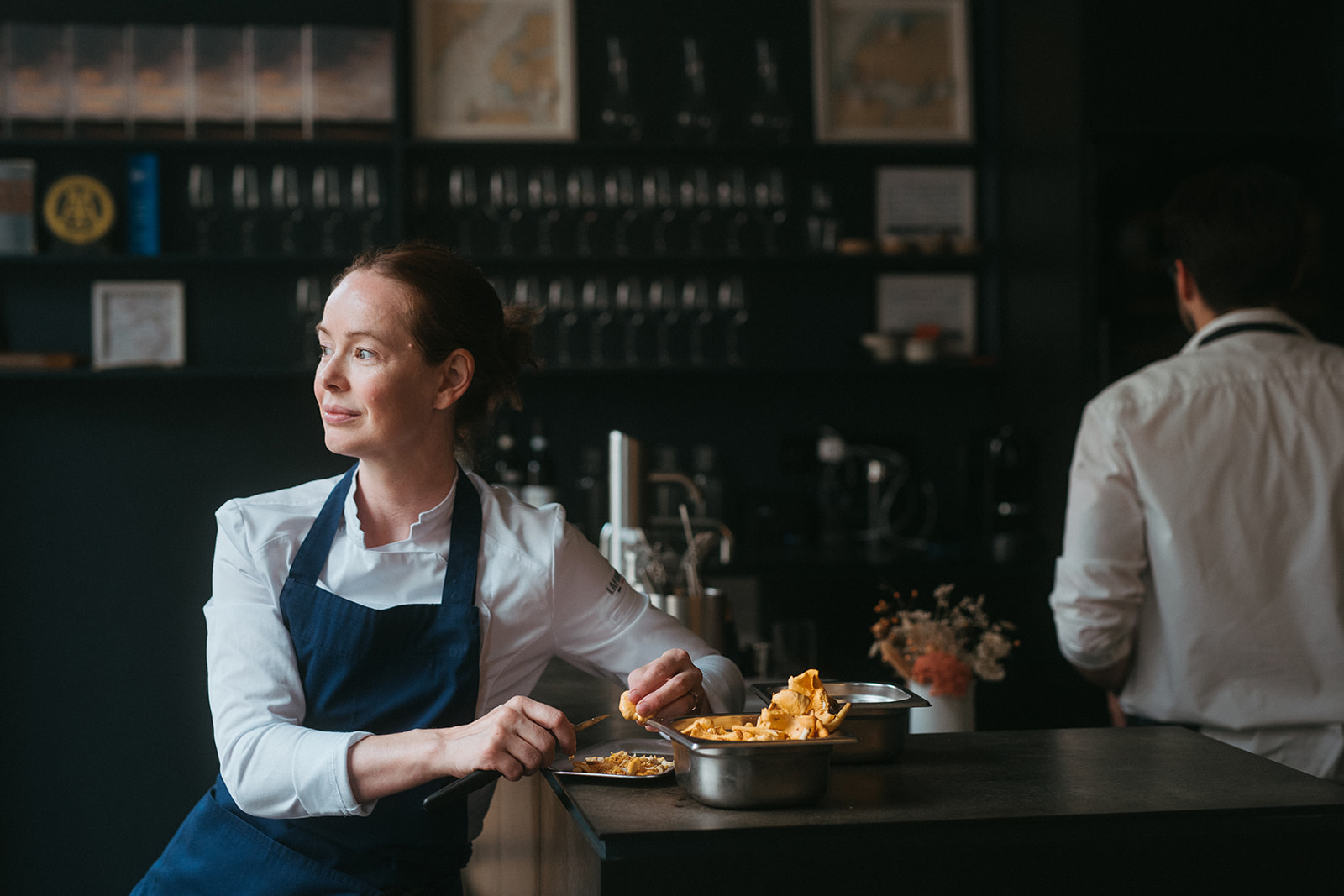
Roberta Hall-McCarron of the Little Chartroom, Ardfern and Eleanore: 'We're fortunate it all happened for us in Leith'
Adam Barclay is the owner of Leith’s independent bookshop, Argonaut Books – which just thwarted a bid by Waterstones to open a store on its doorstep, thanks to another grassroots campaign. He explains: “People have a stake around here: it’s a self-sufficient community. Now’s the time when corporate interests start trying to nose their way in to make a profit at the expense of local business. That’s the tipping point we’re at, and it’s felt very deeply in Leith. People here are willing to fight back.”
“It’s always been its own place, trying to throw off the shackles of Edinburgh,” says James Murray, head chef of Dogstar, the neighbourhood’s newest restaurant and a collaboration with its best pub, Nauticus. Dogstar’s tagline is: “made in Leith”. “It almost feels like a trademark,” laughs Murray. Previously the head chef of Timberyard, his dream was to open a small restaurant in Leith. “I wanted to cook in my own neighbourhood. It’s already become a wee hub for the community. If you want to come in and have nothing more than a half pint of Guinness and a bowl of mussels, we’re up for it.”
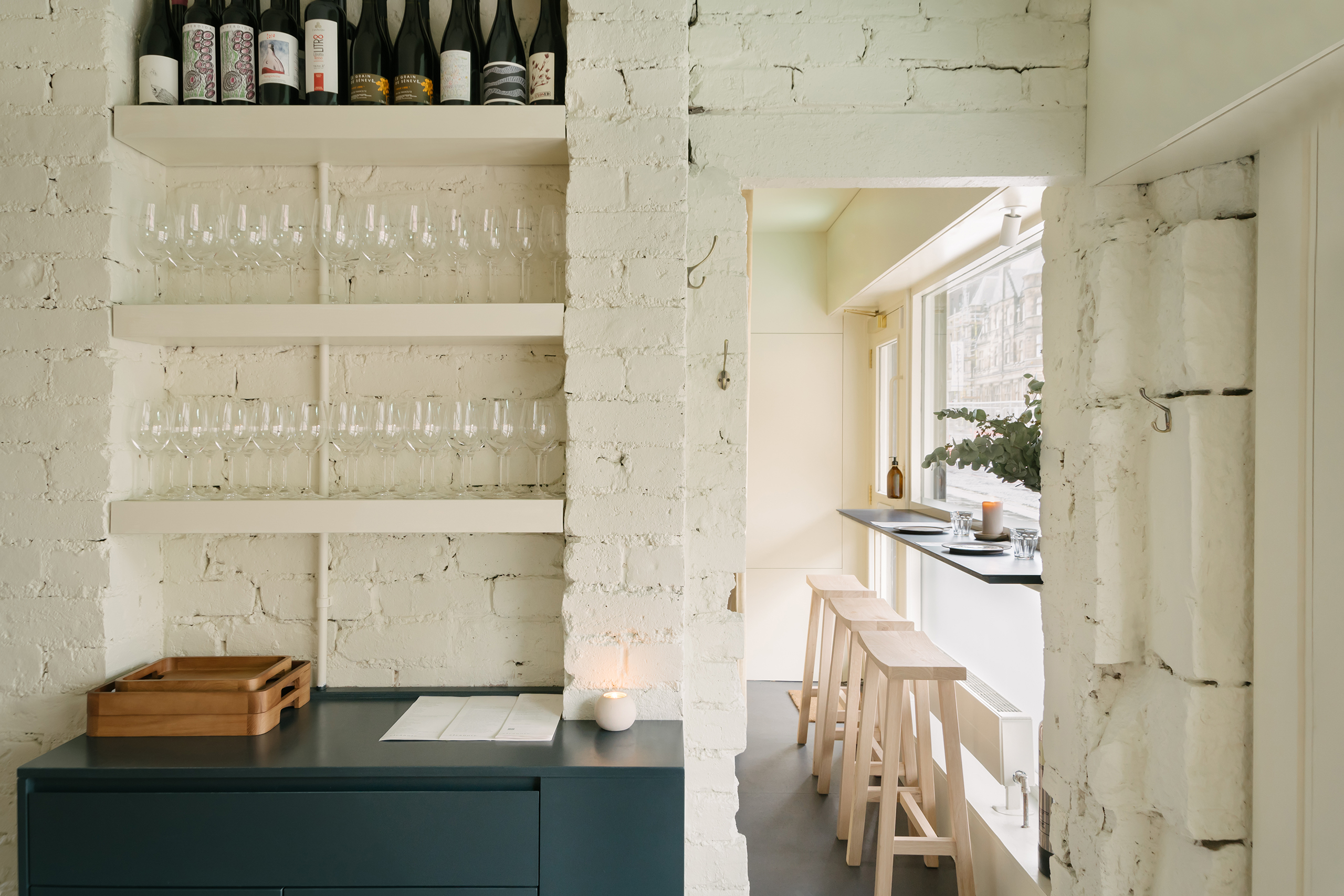
Cool and collected: Eleanore is relaunching as a neighbourhood bistro
The long-awaited arrival of the trams in 2023 and a wider move towards collaboration, fuelled by years of austerity and rising costs, has led to a new wave of openings: restaurants (including Ardfern, Barry Fish and Mirin), microbreweries (Moonwake, Newbarns), artisan bakeries (the Pastry Section, Krema) pizza pop-ups (Pala), a community croft (complete with sauna) and artist- and community-run spaces (Sett Studios). A long-awaited glow-up of an abandoned bowling green, to include a skate park and a climbing wall, is also forthcoming.
Then there’s the return of pubs owned and run by the community (Nobles by Bellfield, the Finch). “We wanted a proper pub in a residential neighbourhood,” says James Snowdon, co-owner of Edinburgh restaurant the Palmerston. Along with Newbarns, he has taken on the lease of the Cooper’s Rest, a disused Leith pub due to open this summer. Alongside the neighbourhood’s trio of Michelin-starred restaurants, cementing its reputation as the centre of Scotland’s food and drink scene, are the stalwarts that have remained: Storries for the pies; and for the bevvy and banter, the Port O’ Leith Bar, where in the heyday of its legendary landlady, Mary Moriarty, last orders was accompanied by a salty rendition of the Proclaimers’ Sunshine on Leith.
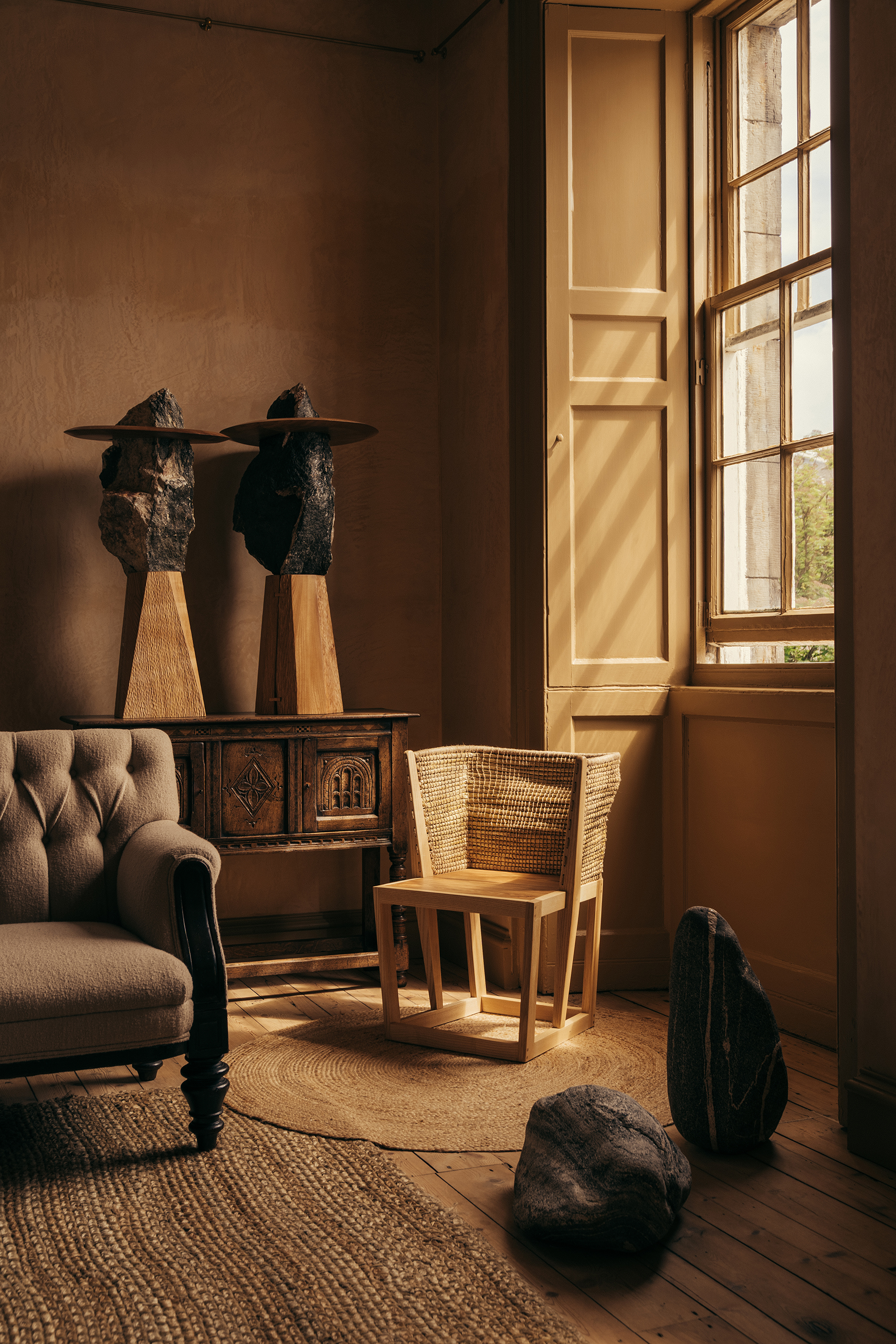
Craft works: Bard Scotland is a gallery-shop hybrid dedicated to Scottish design
“We’re fortunate it all happened for us in Leith,” says Roberta Hall-McCarron, head chef and co-owner with her husband, Shaun, of three of its best restaurants: Nordic-style the Little Chartroom; next door’s bar and bottle shop, Ardfern; and Eleanore, which is about to relaunch as a neighbourhood bistro. Ardfern’s hash browns are so legendary I’ve heard them discussed on dancefloors, while the Sunday roast is so popular they now run a waiting list. “It’s mad,” she laughs. “People are turning up at 10am and asking for the roast!”
Across the river from Brown’s is Custom Lane, a design hub (GRAS again) with plans to turn Scotland’s oldest customs house into a digital museum. The historic site houses co-working and gallery spaces, a micro-roastery and coffee shop, and Bard Scotland, a gallery-shop hybrid dedicated to Scottish craft and design. I ring the brass bell, and co-owner Hugo McDonald, impeccably attired and trailed by his equally dapper lurcher, Dougal, opens the heavy door.
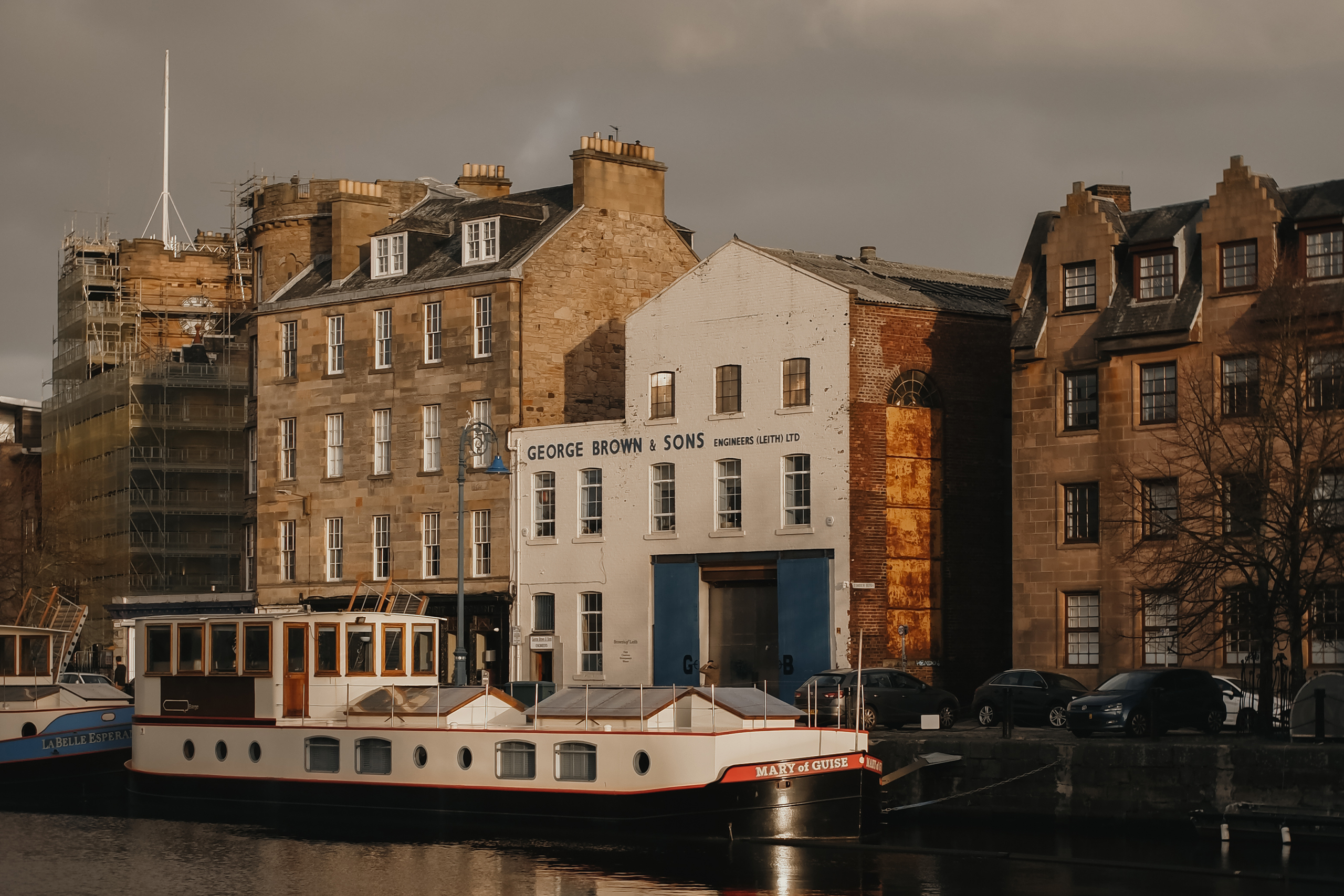
Sunshine on Leith: 'where the world met Scotland, and Scotland met the world'
“This has always been somewhere where the world met Scotland, and Scotland met the world,” says Hugo Macdonald, who opened Bard with his husband, James Stevens, in 2022. “That’s why we’re here. There’s a burgeoning confidence, especially amongst young people and artists, ignited during the [2014] independence referendum.” Over on Great Junction Street, Emma Macdonald, founder of the sustainable fashion and homeware brand TBCo, gestures at the huge unit, which had lain empty for years. “We love this space,” she says of the now renowned company’s home for the past 11 years.
The European influence in Leith, which voted overwhelmingly to remain in the EU, is also key to its identity, past and present. Macdonald calls Leith “Copenhagen with edges”. Murray says Dogstar’s revolving shellfish dishes were inspired by the small restaurants of San Sebastián “that have been there for 100 years yet feel current, with staples on the menu from the local waters”. At the Shore, the bars and revitalised docksides of Europe’s coastal cities were inspiration for Radford and Groves-Raines.
Upstairs at Brown’s, where in December a massive Christmas tree was hung, naked and upside down through a hole in the floor, (in what must be the most bougie reference ever seen in Scotland to The Wicker Man), lies another space: huge, stripped back, spliced with northern light. Radford stretches his tattooed arms out wide. “There’s talk of the flat roof on the west being turned into a rooftop bar for sundown, and the one on the east a wellness space for sunrise.” We return downstairs to the vast industrial warehouse, no longer filled with sparks of grinding metal but with the 21st-century produce of this ancient port district.
“There were rumours of this place being pulled down and the site being used for student accommodation,” says Radford. “Can you imagine? This is the last bastion of industry on the Shore.”
Photographs: Richard Gaston, AwAyeMedia, Paula Sturc, Christian and Amelia Masters, and Murray Orr
Newsletters
Choose the newsletters you want to receive
View more
For information about how The Observer protects your data, read our Privacy Policy