


At the upper end of the high street in Lewes, past the Norman castle and the queue spilling on to the pavement outside the Taith coffee shop, the artist Peter Chasseaud runs the Tom Paine Printing Press. It’s a bright, cluttered space, stacked with Chasseaud’s paintings and art supplies, that sells, among other things, letter-pressed pages emblazoned with the writings of the 18th-century radical Thomas Paine. Lewes was a hub for counterculture even in Paine’s day, when he honed his anti-monarchical ideas at the local debate club and lived directly across the street from Chasseaud’s shop. As town introductions go, it’s a bullseye.
A reverence for art and a distaste for authority run deep in Lewes, settled in the hills of South Downs National Park, with the River Ouse bending through it and gull-flecked chalk cliffs rising sharply to the east. Its Bonfire Night celebrations are the largest in the country and routinely attract headlines for the burning of larger-than-life effigies, which include regulars like the prime minister and Pope Paul V, and guest stars like Vladimir Putin and Donald Trump. It is known, too, for its connection with the Bloomsbury Group, the loose community of artists and intellectuals who gathered to work and socialise at nearby Charleston Farmhouse, in Firle, in the early 20th century.
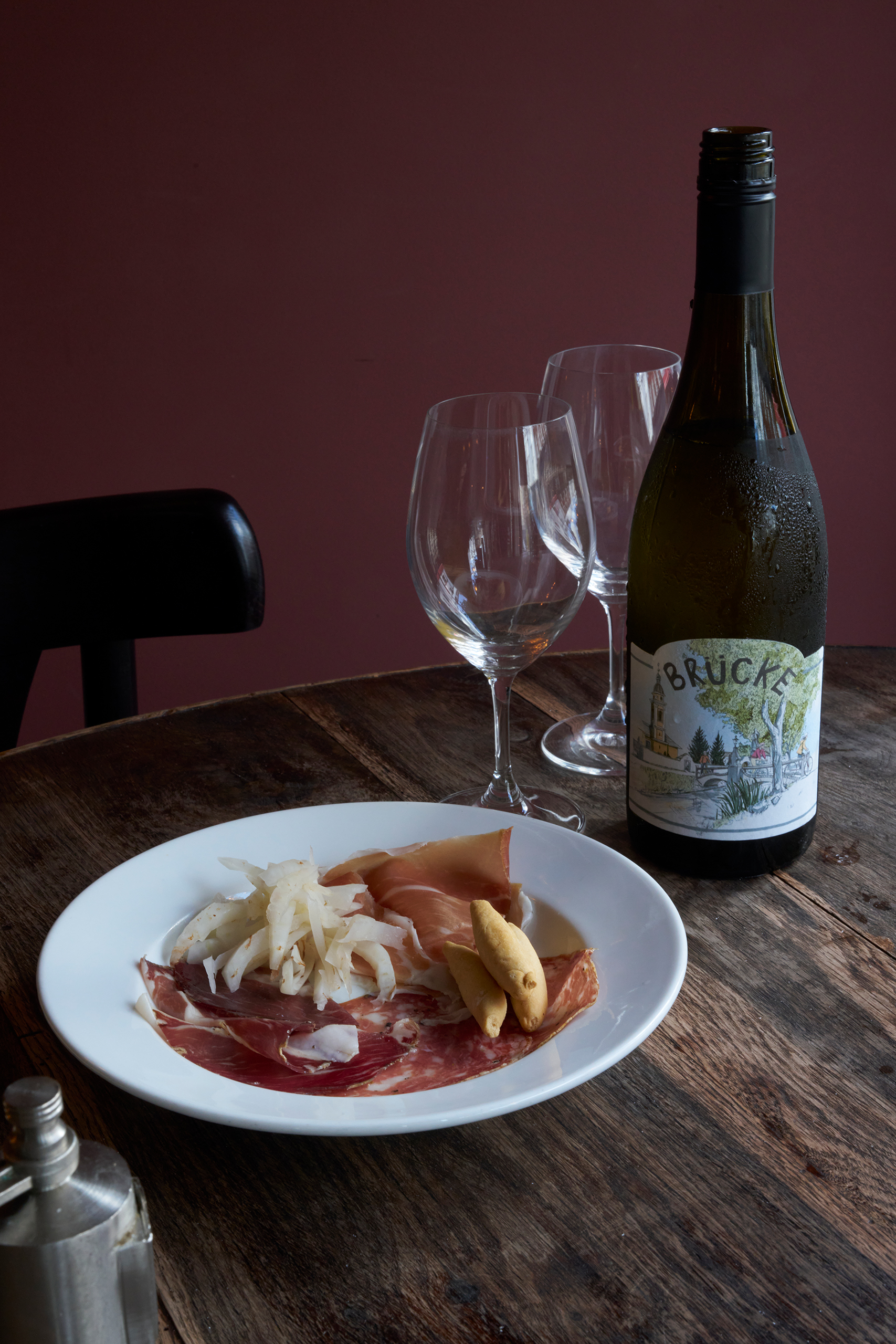
Local restaurant and wine bar No 34 opened in 2004. Pictured top: the lifestyle store Margot sells beautiful domestic goods
You can’t over-egg the influence of the Bloomsbury Group in this part of Sussex. Though they arrived as down-from-Londoners, many of its members, which included the writer Virginia Woolf, her sister, the painter Vanessa Bell, and the economist John Maynard Keynes, settled more or less permanently here, producing consequential work, and drawing other progressives to the area. Charleston Farmhouse became a charity in 1980 and the house opened to the public in 1986. Charleston Lewes, the charity’s second location, began as a pop-up exhibition space within a run-down 1930s civic building in 2023, but now with a newly extended lease is evolving: plans are in motion to open the National Bloomsbury Gallery in 2028.
“The National Bloomsbury Gallery will be the first permanent gallery telling the story of one of the most influential groups in our country’s modern history, warts and all,” says Nathaniel Hepburn, director and CEO of the Charleston Trust. Unlike Charleston Farmhouse, which is intentionally limited to the art and artifacts that were in place while the house was in use, the new gallery will include a broad selection of the work that the Bloomsbury Group produced, as well as private letters, diaries, sketchbooks and possessions. To pull it together, the Charleston Trust negotiated long-term loans from the National Portrait Gallery, the Tate and the Victoria & Albert Museum, as well as from private collectors. It will be a deep-dive destination for Bloomsbury tourism, as well as a centralised academic resource for people studying the group.
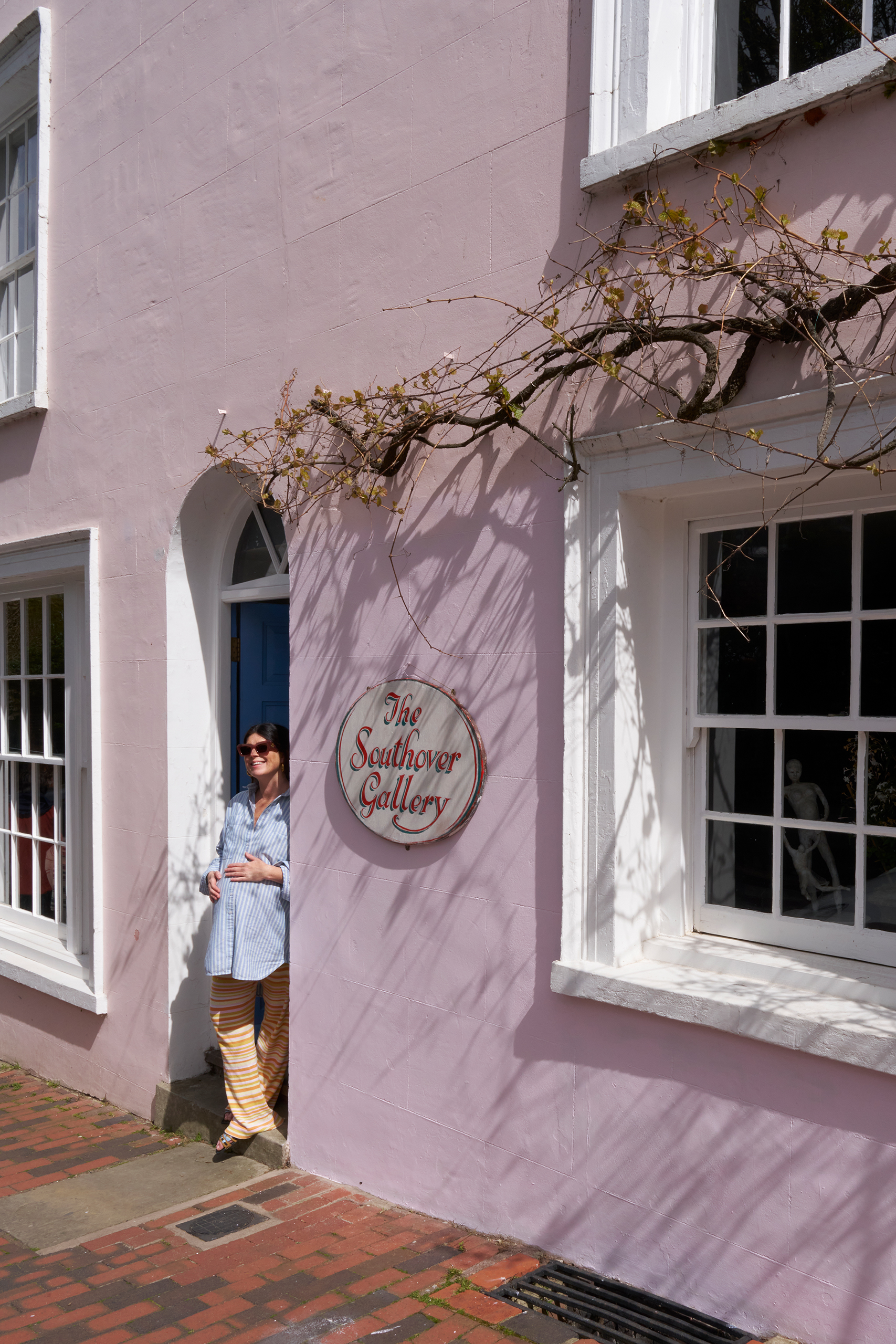
Get the hang of it: the Southover Gallery, run by Charlie Collins
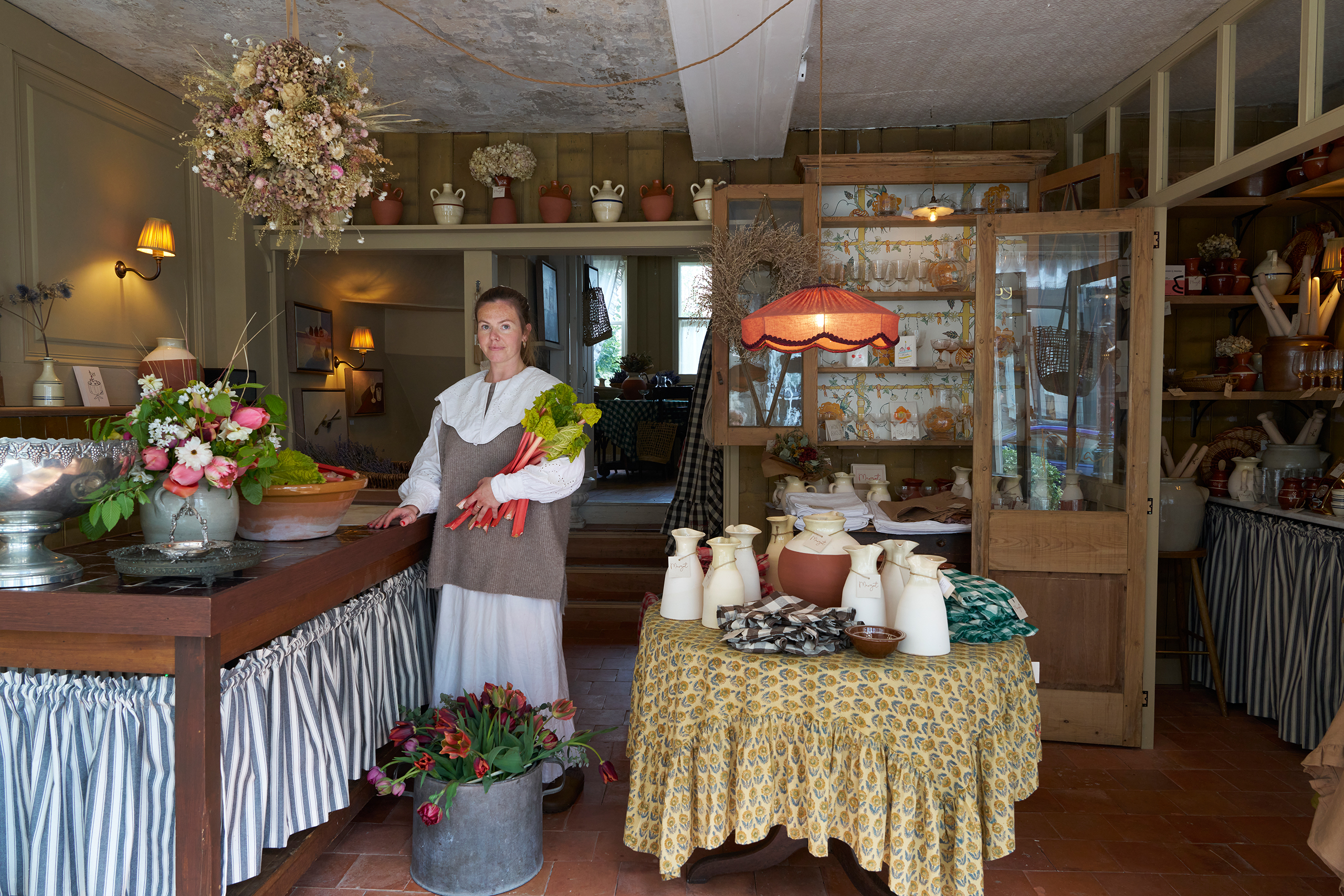
On the high street, shopfronts are also on the up. The homeware and lifestyle store Margot, owned by Amanda and Kristian Dean, opened in 2025 after a careful restoration. “The shop was a blank canvas, a white room,” says Amanda. “We stripped it back to reveal its original period features, which boast a stunning tongue-and-groove wall with old shelf marks, original wallpaper, and both lincrusta and lath-and-plaster ceilings.” Margot sells considered, domestic items – painted ceramic candle holders, jugs for flowers, cream-coloured egg cups with bright rims, baskets made by Sandra Hurst Chico, a local maker who weaves with Sussex willow. Last autumn, the Deans opened Margot Cottage, a tiny, charismatic one-bedroom stay behind the shop, with a sunny private courtyard.
Across the street at No 34, a low-intervention wine bar and restaurant that opened in 2024, it was a similar story. The previous occupant was a stationery chain, and during its tenure the extra-wide sash windows on the side of the listed building, as well as the parquet floors, had been covered up in the name of corporate continuity. The new co-owners, Hugo Arnold and Susan Bell, laid bare the bones of the shop, creating a sunlit, Gallic-style dining room with a wine shop next to the front door. The menu is brief and seasonal, with a focus on quality produce. “Figuring out how to work within the English growing season is an exciting tension,” says Arnold.
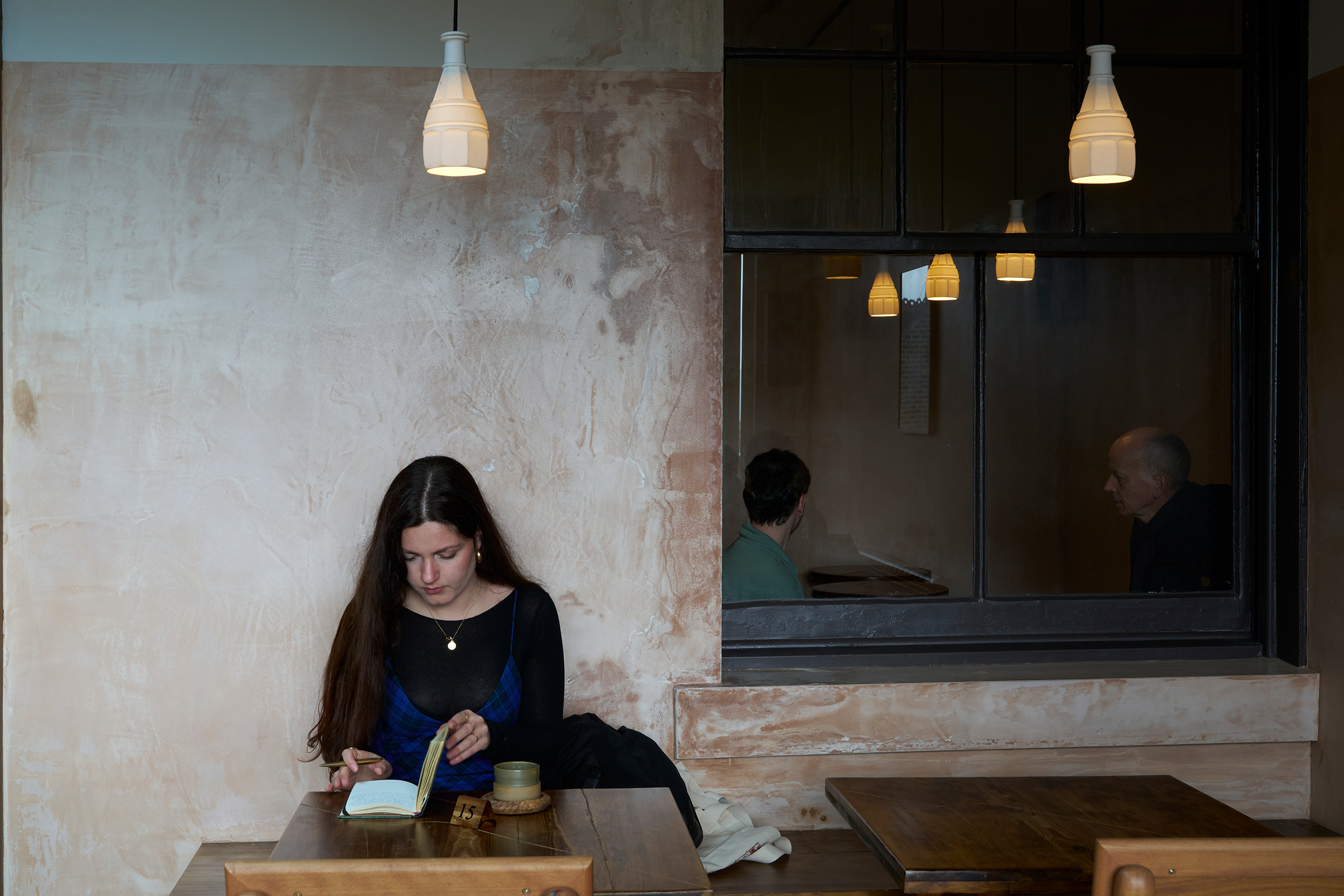
He often talks vegetables with Harry Fields, the chef and co-owner of Squisito, a northern Italian restaurant in an unconventional, brick-floored space within the Needlemakers, a converted Georgian-era candle factory. Field runs the restaurant with his wife, Sally, a sommelier who studied wine at nearby Plumpton College, a familiar path for folks in the Sussex wine industry – it’s no coincidence that the house sparkling is from Everflyht, a vineyard in the South Downs.
Lewes doesn’t have a destination hotel, but it does have the Grain Store, a three-bedroom, warmly contemporary rental in a converted farm building – as a local, this is where you send visiting friends. It’s outside the town centre, along the trainline that leads to Brighton (rumblings at intervals), but the upside of the slight remove is on-foot access to the South Downs Way, a 100-mile walking trail that runs between Winchester and Eastbourne. The owner, Anni Townend, has lived in the national park for 35 years and wanted to fill the house with big-sky views and creature comforts (there’s a hot tub in the garden, and a recently opened wood-fired sauna a few minutes away, designed with hikers in mind). “I want people to feel cared for by the place,” says Townend. I’m certain they do.
Newsletters
Choose the newsletters you want to receive
View more
For information about how The Observer protects your data, read our Privacy Policy