

The coulds I can’t: 10%
I’m not writing at the moment. This happens rarely, maybe once every few years, immediately after I have submitted a manuscript to my agent: in this instance, the follow-up to my novel As If. I tend to not write for about six to eight weeks, before beginning, or trying to begin, loosely, something new. It’s a strangely liminal period. What’s on my mind isn’t typical. I’ve been noticing, for instance, just how many hours of my life are usually lost to writing. Hours and hours, now happily dragging, that usually just disappear. Typically, I sit down at half four every morning and don’t look up from the screen until nine. I have nothing reliable to say about what happens in between. If I’m lucky, there are half-interesting sentences in a document by the end of it. If I were to reclaim this time every day, I could cultivate close relationships with several strangers. I could go for walks at dawn, sit on a bench in Dulwich Park, watch the sun come up. I could think about everything I have lost, or am in the process of losing. I could work part-time in a manual job again, for the sociability and the sense of purpose. I could volunteer in a hospital – King’s, say, in south London. I could train myself to get up at a less antisocial hour, to see more of the people I love. And yet I prioritise writing above any of it, every time.
The Thomas Bernhard effect: 20%
In the small hours – which, without writing, span ahead, mildly put – I’m thinking about ill health and dying, which seems unremarkable at my age, 52. In midlife, you end up thinking about illness and death, and why wouldn’t you: it’s around. Several people in my life have died before getting anywhere near 52, and my civil partner had cancer recently. It isn’t new, mind, this thinking about dying. I’ve always done it. I have been rereading Thomas Bernhard, the novels, for the fourth or fifth time, and in German, which is a mistake. I rarely read German, and I’ve been remembering why. Awful, as far as languages go. It rearranges you from within. It tunnels through you, does things to you that you didn’t consent to. For instance, it makes you think it’s probably fine to write about illness and dying in a column in a Sunday newspaper, which other, probably better, writers have handled with a lightness of touch and a general focus on the domestic. But whether I’m rereading this death-obsessed writer, in this burrowing German, or not: for the last several years, I’ve never not thought about death on a grand scale.
Life-affirming literature: 40%
The other worry is living. At this rate, I’ll never be able to go down to part-time at my university job. The thing is, I work two full-time jobs simultaneously: teaching at university and being a novelist. As If is my fifth novel, and it has been published, if I say so myself, to some acclaim. I’m by most measures not unsuccessful. And yet I can’t even think of giving up the day job – such are the economic realities for most writers, especially those of us without family backing, nor an inheritance queued up. Point being, I don’t know how much longer I will be able to juggle two jobs, which might be another reason why I’ve been thinking about frailty, precariousness and the limits of physicality. My grandfather dying of a heart attack behind the steering wheel of his taxi is on my mind: death by excessive labour. No wonder I’m rereading Bernhard. But I’m reading life-affirming novels, too, like Polly Barton’s What Am I, a Deer? No one can say that I’m bringing it on to myself.
Not being a novelist: 2%
If I have to reduce my workload for health reasons, and if I cannot afford to give up my academic position, any concessions will inevitably be at the expense of my writing. Ergo, I will not be a novelist, or not the kind of novelist I am now. If we all followed this logic, only the financially independent would be novelists. Well: over my dead body.
The end of social mobility: 20%
Actually, I value the fact that I teach, and particularly at a university which is known for its commitment to social justice. I’m never not impressed by my colleagues’ dedication to their students and subject areas, especially if compared to various, let’s just say, underprepared and complacent media professionals I have encountered in the context of my recent book promo activities. The students – often first-in-family, British-Asian young people from the local east London area – arrive in year one barely talking and end up running rings around me by year three. Over the course of their English degree, they, yes, have learnt how to read and write with intent, but more importantly, to question how society works and their role within it. They have begun to understand who they are and who they could be. With this in mind, I’m hugely concerned about the decimation of the Higher Education sectorin the UK, which is currently well under way. Advised by highly paid management consultancies, university leaderships are “restructuring” arts and humanities programmes left, right and centre, with little or no consultation of students and staff, and, seemingly, against common sense. Why wouldn’t we, as a country, prioritise public investment in education, given the high probability of a positive return, financial and otherwise
Ring-necked impostors: 8%
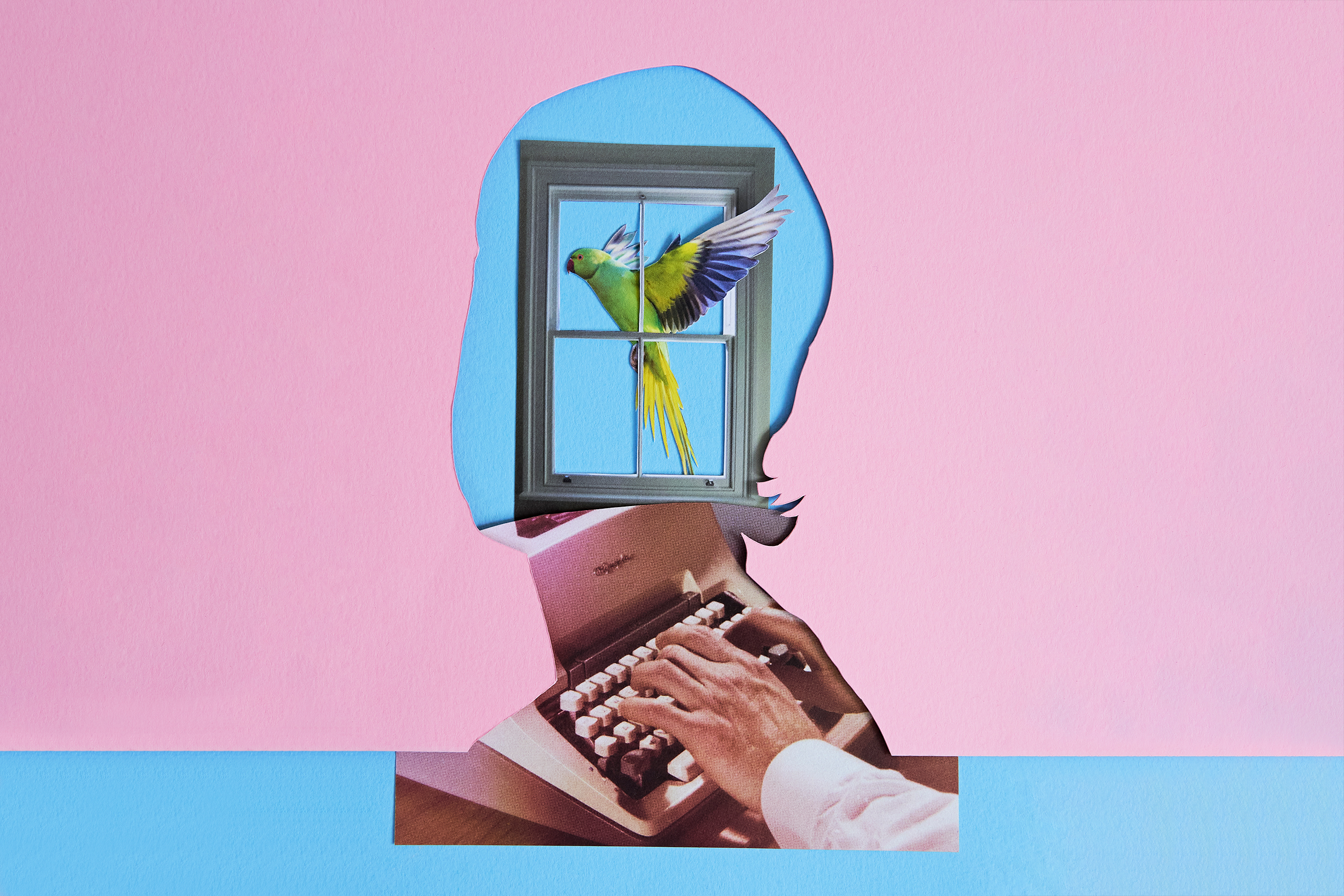
Bright green parakeets are dive-bombing past my seventh-floor window with glorious audacity, against a backdrop of that rarest of things, a deep blue London sky. I love that they’re here.
Newsletters
Choose the newsletters you want to receive
View more
For information about how The Observer protects your data, read our Privacy Policy