

No one could accuse the National Gallery of failing in its mission to cherish old masters. Its shortlist for the design of its proposed extension, likely to be one the country’s most significant new museum buildings, includes Norman Foster, aged 90, Renzo Piano, 88, and Kengo Kuma, 71.
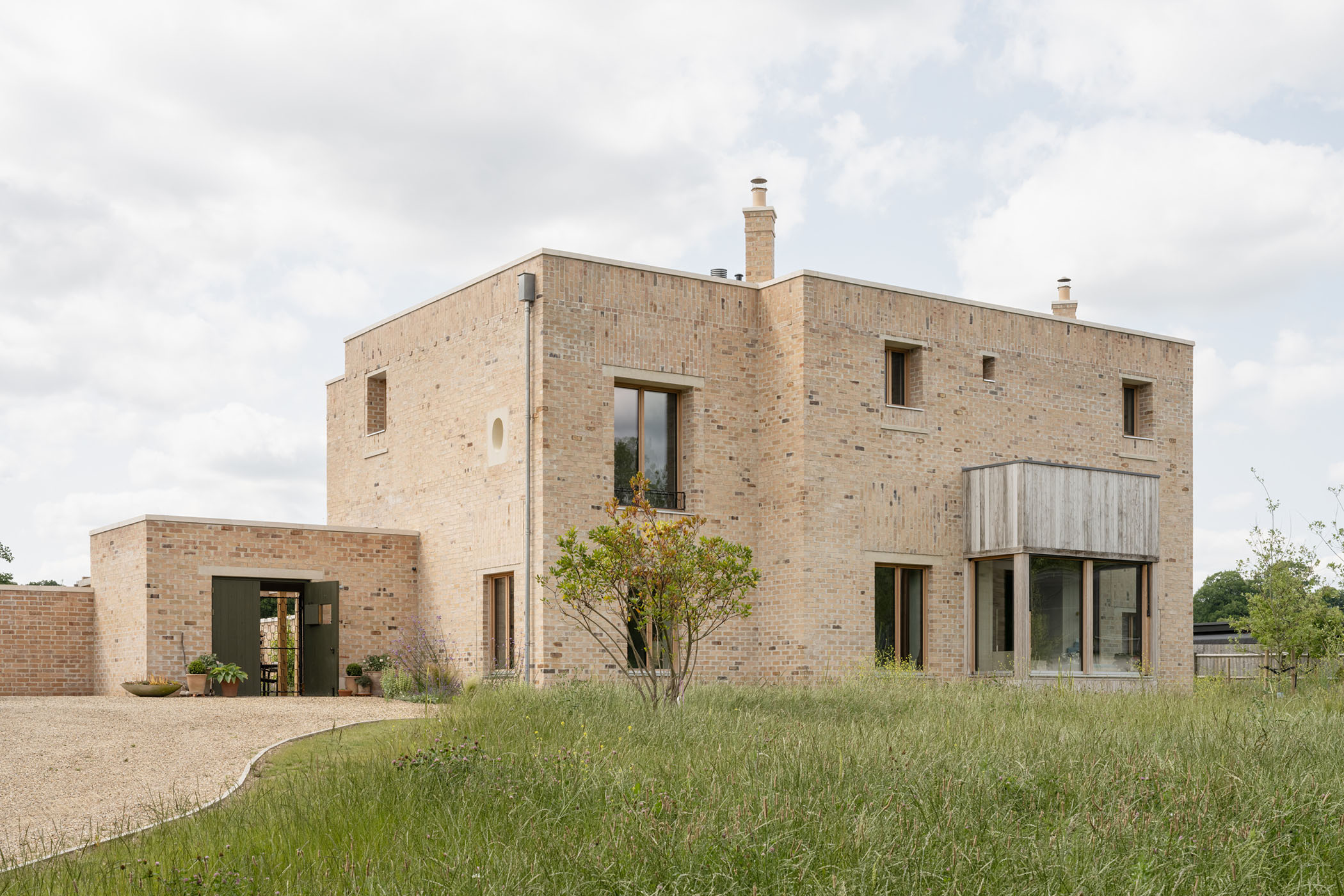
Age is just a number, of course, and Foster and Piano are great architects, but it is a sign of an approach without much adventure or imagination that these three wise men make up half the list of six.The others are younger – in their 50s and 60s – and less male. They include Annabelle Selldorf, designer of the revamp of the gallery’s Sainsbury wing, which opened earlier this year, and Christina Seilern, whose works include a concert hall in Andermatt, Switzerland, a performing arts centre for Wellington College in Berkshire, and elegant homes in Greece, Nigeria and the British countryside. She formerlyworked with the late Rafael Viñoly, author of the “Walkie Talkie” tower in the City of London.
And there is Farshid Moussavi, whose recent Ismaili Center in Houston is a cultural and educational venue that responds to the hot and humid Texan climate with ceramic screens, shadowy overhangs and a high geometric atrium.
This shortlist looks like one driven by institutional self-importance and donors’ prestige
This shortlist looks like one driven by institutional self-importance and donors’ prestige
Piano and Foster, with their well-resourced and vastly experienced offices, can be expected to deliver proficient projects, but why would the National Gallery want what is likely to be one of the less memorable works from their vast oeuvres? Kuma’s inclusion is baffling. His building for V&A Dundee, completed late and over budget, is externally cumbersome and internally awkward. His recent work for the Gulbenkian in Lisbon adds new structures without doing much to resolve issues that their existing buildings had.
Selldorf, with projects that include the expansion and enhancement of the Frick Collection in New York, has demonstrated an ability to work sensitively with exceptional art, but her work on the Sainsbury wing is bland and spiritless. The National Gallery’s proposed project includes a prominent new building, with significant external as well as internal impact, which is not her forte. Seilern’s work is stylish, but she has no particular track record of a project of this kind.
Only Moussavi, whose Ismaili Center has both grace and power, would be an inspiring choice of the kind that the National Gallery deserves.
Taken as a whole, this shortlist looks like one driven by institutional self-importance and donors’ prestige – a case of shopping for famous labels rather than a genuine interest in achieving the best possible architecture. A better selection might have had one of Foster or Piano, while taking a chance on some younger and less predictable choices.
As it is they have six names whose average age is about 71, by which point William Wilkins, architect of the gallery’s original building in the 1830s, had been dead for 10 years. The people who appointed him were wild risk-takers by comparison to their contemporary heirs.
Photograph by Brett Coomer/Houston Chronicle via Getty Images
Newsletters
Choose the newsletters you want to receive
View more
For information about how The Observer protects your data, read our Privacy Policy