Artists frequently enjoy blurring the boundaries between truth and invention. Now the galloping pace of technological change is giving them fresh scope for experimentation.
The Polish visual artist Weronika Gęsicka has played for some time with the notion of fakery, examining the way that fraudulent details are sometimes worked into respected reference texts – or these days, written into a Wikipedia page – and then accidentally replicated.
The errors eventually become established as fact, or at least are commonly repeated, gaining the status of an apocryphal legend.
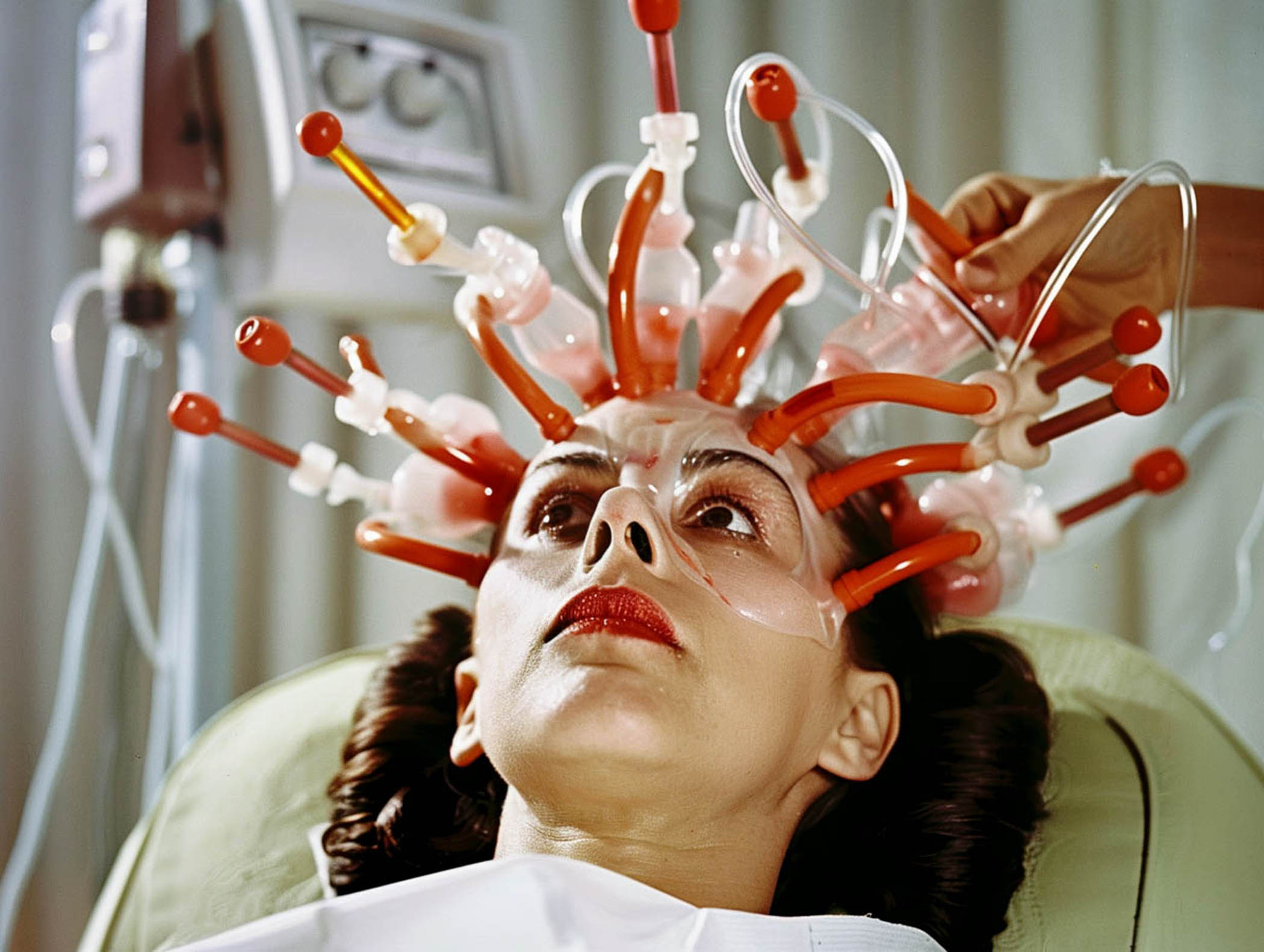
Now a set of Gęsicka’s deliberately deceptive photographs, Near Dark, taken from her book series Encyclopedia 2023-2025, will be displayed in London at The Photographers' Gallery as part of its annual exhibition of the shortlisted work competing for the prestigious Deutsche Börse Foundation Photography Prize.
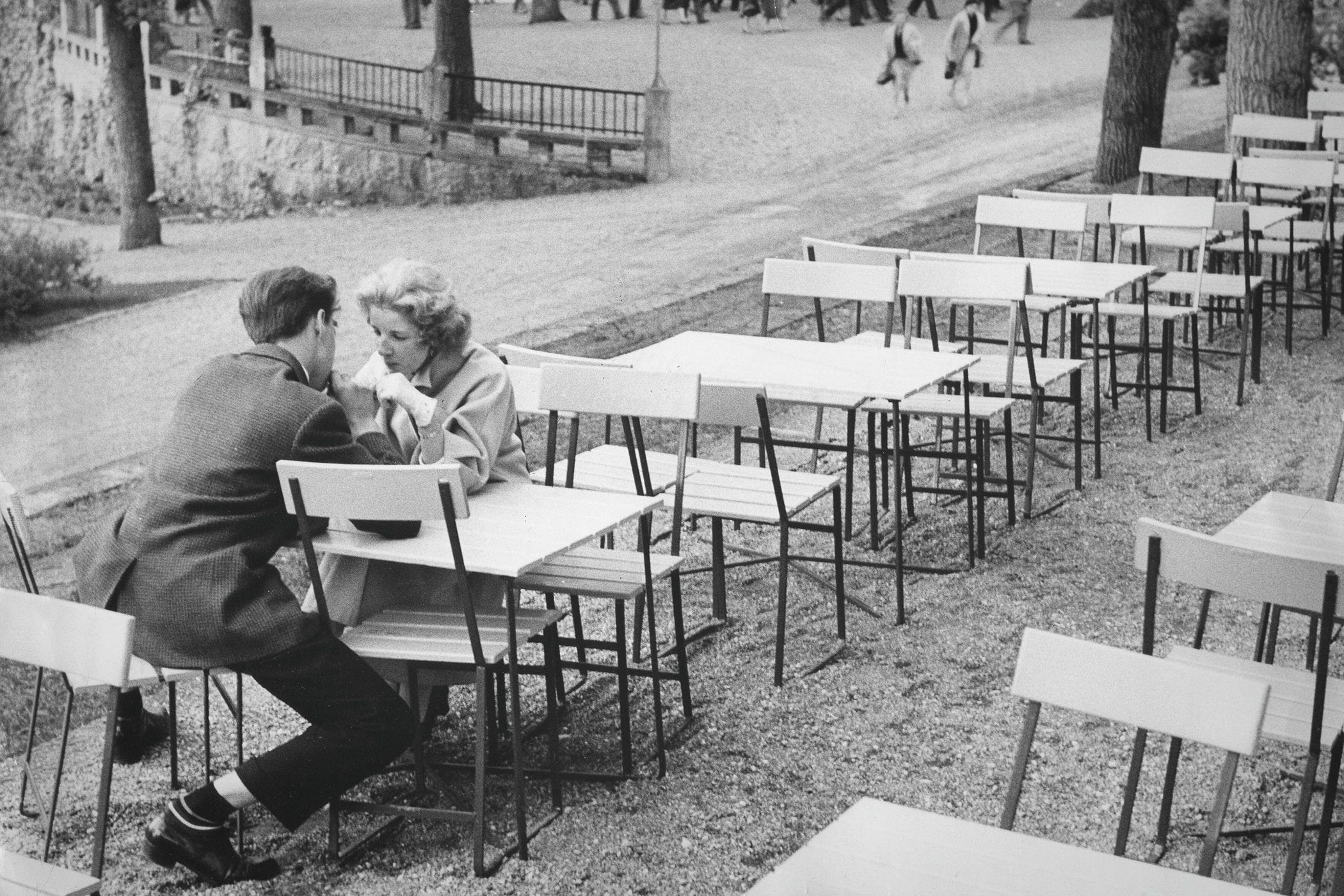
Gęsicka uses manipulated stock photos, archival material, press cuttings and AI-generated imagery, to create a disturbing blend of the familiar and the improbable.
The phoney images are often funny, ranging from the portrait of a vampire cowgirl to a supposedly cult brand of plastic peep toe slippers. They also reveal the unsettling shifts that are rapidly changing what counts as a trusted source of information.
Gęsicka’s work was inspired by learning how mistakes were once systematically introduced into analogue works of scholarship to make plagiarism attempts easier to trace.
In this way, the copyright of a map would be covertly protected by creating a few imaginary “paper cities”. All it required was a deft bit of fabrication on a blank patch of landscape.
So Gęsicka, who was born in Włocławek in 1984, is fully aware that deceptions like this have always gone on, in both art and commerce. “The manipulation of reality is not a modern phenomenon,” she said when Encyclopedia came out.
What is new, she believes, is the tool that AI imagery has given her to expose shams, as well as to create them. It is as if Gęsicka has decided to grab “uncanny valley” by its misbegotten hand and see where it can lead us.
Newsletters
Choose the newsletters you want to receive
View more
For information about how The Observer protects your data, read our Privacy Policy
Of course, bold misrepresentations have taken a prominent place on art gallery walls before now. In 2019 Maurizio Cattelan’s infamous taped banana, Comedian, was evidently a piece of real fruit, rather than a drawing.
But was it also art? It was certainly a gleeful reversal of Belgian Surrealist Rene Magritte’s playful 1929 picture of a pipe painted above the words “Ceci n’est ce pas une pipe”. Damien Hirst had fun too with his display at Venice in 2017. He created a whole shipwreck’s worth of sunken treasure, supposedly brought to the surface for the first time for his show Treasures from the Wreck of the Unbelievable.
In some ways though, Gęsicka’s knowingly kitsch work is more closely related to the images made by Cindy Sherman. The unsettling photographs of this celebrated American artist have repeatedly played with the idea of her own identity. Sherman's self-portraits show her unrecognisable in a succession of different guises.
Artists keen to campaign on a specific political or moral issue have recently taken less subtle approaches to fakery. Banksy’s spray-painted trompe l’oeil trickery is usually intended to highlight a social ill rather than merely to pull off a bit of theatrical misdirection.
Similarly, when the crusading Nan Goldin made fake pill bottles and then printed out counterfeit currency, her purpose was nearer to propaganda than art. The American artist made her point powerfully by producing notes covered in blood to represent the harm done to the many victims of Oxycontin addiction.
The “tainted” paper money would then unexpectedly rain down on onlookers during one of the protest stunts Goldin staged inside arts institutions that were taking donations or sponsorship from the Sackler family, a branch of which produced the powerful painkiller.
The £30,000 Deutsche Börse prize, established by the London gallery 30 years ago, rewards artists for work in an exhibition or a book that has made a significant contribution to photography over the past 12 months.
The show runs from March 6 to June 7 and Gęsicka’s fellow nominees are Jane Evelyn Atwood, Amak Mahmoodian and last year’s Turner Prize nominee, Rene Matić.
Photographs by Weronika Gęsicka Courtesy of the artist and Jednostka Gallery