BOOK OF THE WEEK
Master of Lies: How Anthony Blunt’s Treachery Changed Our World by Piers Blofeld
Anthony Blunt was a professor of art history, a knight of the realm, director of the Courtauld Institute, a world expert on Poussin and surveyor of the Queen’s pictures. “He was the paradigm of an entitled, establishment figure,” writes William Boyd. So “the fact that he spied for Soviet Russia in the second world war seemed almost improbable”, while “the fact that Blunt confessed in 1964 and was allowed an amnesty to continue his life as an art-impresario-toff seemed to confirm the nugatory nature of his duplicity”.
In Master of Lies, Piers Blofeld argues against the assertion that Blunt’s actions were benign – with, Boyd writes, “forensic aplomb”. Most shockingly, Blofeld alleges that in 1944 Blunt leaked information to the Germans about Operation Marked Garden, extending the length of the war in a vein that suited Stalin’s expansionist dreams in eastern Europe.
WHAT TO READ NEXT
Motherland: A Journey Through African History, Culture and Identity by Luke Pepera
The anthropologist Luke Pepera’s book Motherland is a corrective to the stories he read about Africa growing up: that the continent’s history began with transatlantic slavery and European colonialism. The book “touches on everything from west Africa’s centuries-old griot tradition of storytelling to the transcontinental connections that led to the formation of Swahili identity on Africa’s east coast”, writes Seun Matiluko. It’s an ambitious scope.
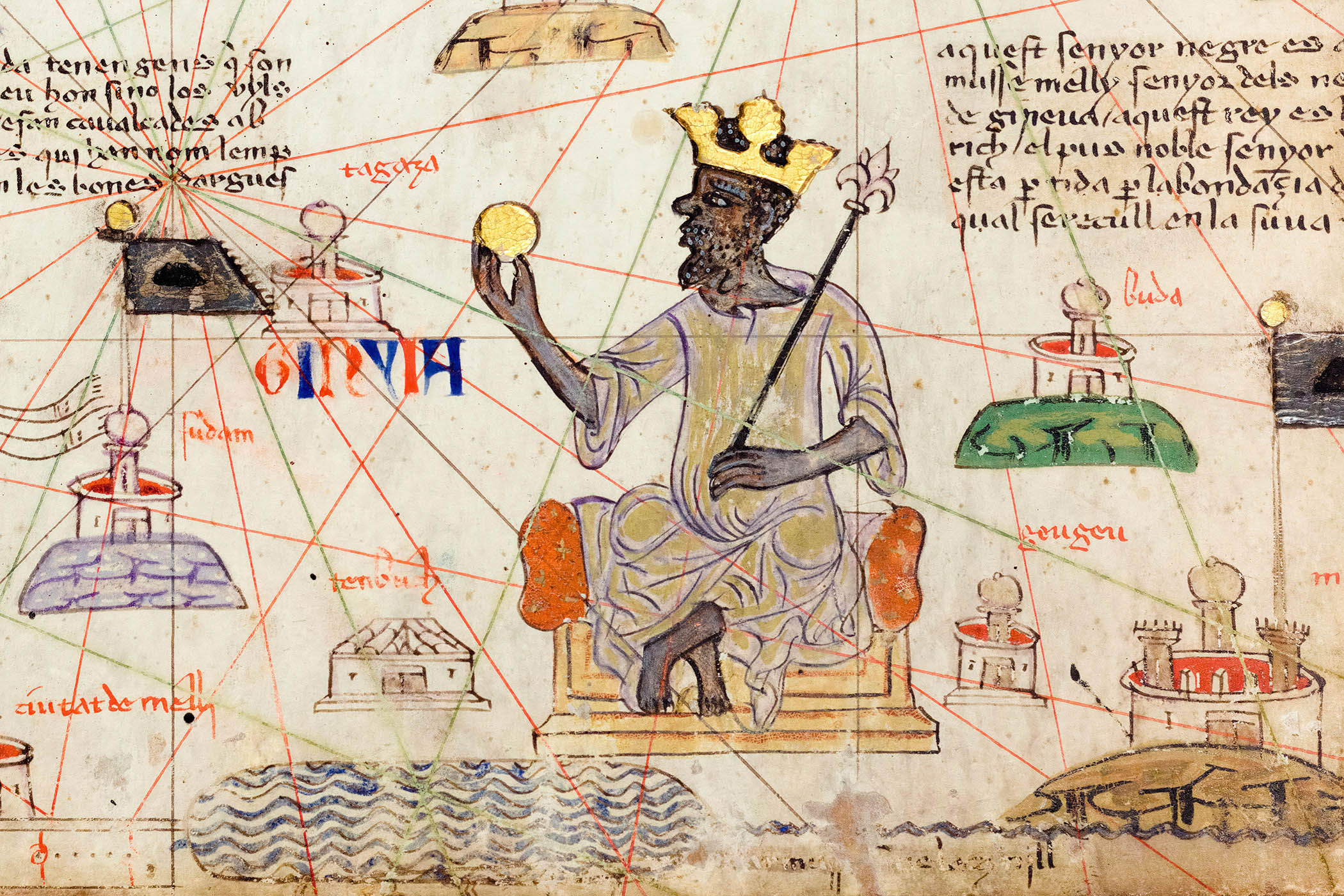
But as well as covering thousands of years of African history, Motherland also introduces us to intriguing figures such as the incomparably wealthy Mansa Musa, who ruled over the Mali empire in the 14th century, and travelled on a hajj to Mecca accompanied by more than 60,000 people, 100 elephants and 80 camels carrying tons of gold. “His travels led to talk of his great wealth spreading across the world – and speculation that, in Mali, gold must grow as if like a plant.”
Children’s books of the month
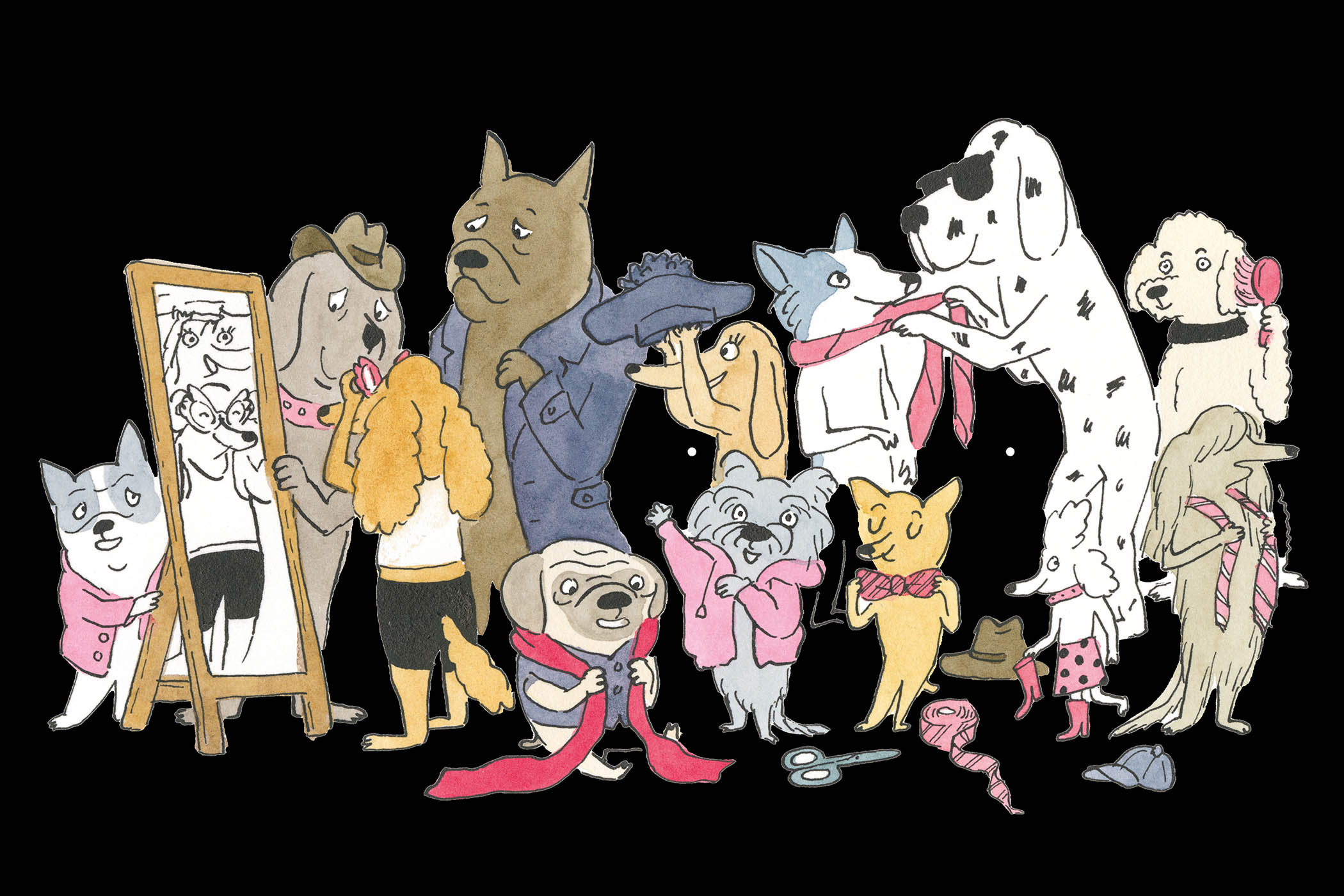
“When choosing books for children, it is hard to know how much to trust – or impose – your own preferences,” writes Lewis Huxley in The Observer’s latest picture books round-up. “There is a risk that the republic of bedtime reading can slide into dictatorship: the process of discovery, even if a child is drawn to a book that the parent loathes, is crucial to the development of their own tastes.”
“A similar predicament applies to authors too,” Lewis adds, as he considers the best new picture books: Dogs and Bears by Max Porter; Neighbour’s Cat by Michael Rosen; The Butterfly House by Harry Woodgate; and Claire and the Cathedral by Pam Fong.
END NOTES
For this week’s Q&A, I interviewed the bestselling poet and novelist Ocean Vuong. He told me about the service-industry jobs he did as a teenager that inspired his latest novel, The Emperor of Gladness, why this kind of work is “like a sonnet”, and why reading was a form of class betrayal in his Connecticut home town.
He also told me – in an exchange that didn’t make the final cut of the interview – that at the moment he is rereading Billy Budd by Herman Melville. “I’m fascinated by that because it was his last novel after the commercial failure of Moby-Dick,” Vuong said. “Melville was the inverse of a lot of poet-novelists: he became a novelist, and then spent his life after Moby-Dick writing verse, and then he made a final crack at a novel with Billy Budd, this very homoerotic work that has startled and befuddled critics ever since its discovery.”
“It’s a very strange book, and I’m diving back in. I don’t know exactly why. Maybe because it’s about war and power and tyrants taking over a ship despite the purity of art and hope, and it’s something adjacent to what’s going on at the White House. It reads more like a parable, the more I look at it.”
Illustration by Charlotte Durance
Newsletters
Choose the newsletters you want to receive
View more
For information about how The Observer protects your data, read our Privacy Policy