
It started – as many things do in Rome – with romance. Valerio Carocci was a 20-year-old student organiser when a girlfriend told him about an abandoned cinema marked for demolition, the Piccolo America, where she used to go as a kid. It was in Trastevere, on the other side of the Tiber from the tourist hotspots, a traditionally working-class neighbourhood where such film legends as Sergio Leone and Ennio Morricone grew up.
Valerio and his fellow activists discovered that there were 50 shuttered cinemas in the city and decided to occupy Piccolo America as a protest. When they were eventually evicted from the building, Valerio and the activists took the cinema into the piazzas, organising free screenings in local squares and parks.
Which is why today – 14 years later – I’m watching Valerio show Sir Ian McKellen around Cinema Troisi, a state-of-the-art cinema that the Piccolo America Foundation now runs. Inside, there’s also a school study area that is open 24/7. Local kids cramming for the final exam (la Maturità) gape at the sudden appearance of Gandalf in their midst.
“[Back in 2012] the education cuts of Berlusconi’s government meant schools closed in the afternoon, leaving young people with no places to meet,” Valerio tells me. “That was the spark of our protest. We wanted a safe space for kids to study and connect. Kids [do homework here] and stay and watch a film, and now they are discovering cinema together, as part of a community.”
Sir Ian is wearing one of Piccolo America’s burgundy T-shirts, which became a recognisable badge of anti-fascist resistance after a group of far-right extremists beat up four of the group’s volunteers. The night after the attack, Jeremy Irons mounted the stage in San Cosimato wearing a Piccolo America T-shirt and a letter signed by international film-makers condemned the attack, with signatories including Keanu Reeves, Guillermo del Toro, Alfonso Cuarón, Spike Lee, and Francis Ford Coppola.
Since then footballer Francesco Totti and architect Renzo Piano have joined their supporters. Even the Vatican has taken notice. Carocci was instrumental in organising the invitations of international cinema luminaries to a papal audience last November, during which Pope Leo affirmed: “Cinemas are experiencing a troubling decline, with many being removed from cities and neighbourhoods. More than a few people are saying that the art of cinema and the cinematic experience are in danger. I urge institutions not to give up, but to cooperate in affirming the social and cultural value of this activity.”
Invited to introduce a favourite film, Sir Ian has chosen Jacques Tati’s Monsieur Hulot’s Holiday. The guests are loaded into vans, Valerio heads off on his scooter to Monte Ciocci, a nature reserve from which you can see the dome of St Peter’s glowing in the distance. Ettore Scola filmed the cult classic Down and Dirty here in 1976.
The roster of stars introducing screenings would make an A-List festival envious. The previous night Josh O’Connor, fresh from Disclosure Day, introduced Pier Paolo Pasolini’s Accattone (1961) in Cervelletta. “To watch a film like this,” O’Connor said, “in a place like this, not far from where it was actually shot, might happen once in your life.”
The workers and volunteers are no longer kids. Giulia was 13 when she started and now she helps coordinate more than 100 volunteers. Federica looks after the guests – Al Pacino was a favourite. Laura has only worked a year but says she’s already a veteran. Federico organises the security getting Sir Ian to the stage, through a crowd of autograph-hunting fans. He has to improvise quickly when the 87-year-old actor decides to watch the film with the audience. A small space is cleared in the centre of the crowd and Valerio takes the stage to persuade the crowd to give Sir Ian room – “we want our guests to feel safe” – and of course they do. Like everything about Piccolo America, it feels inspired and slightly miraculous.
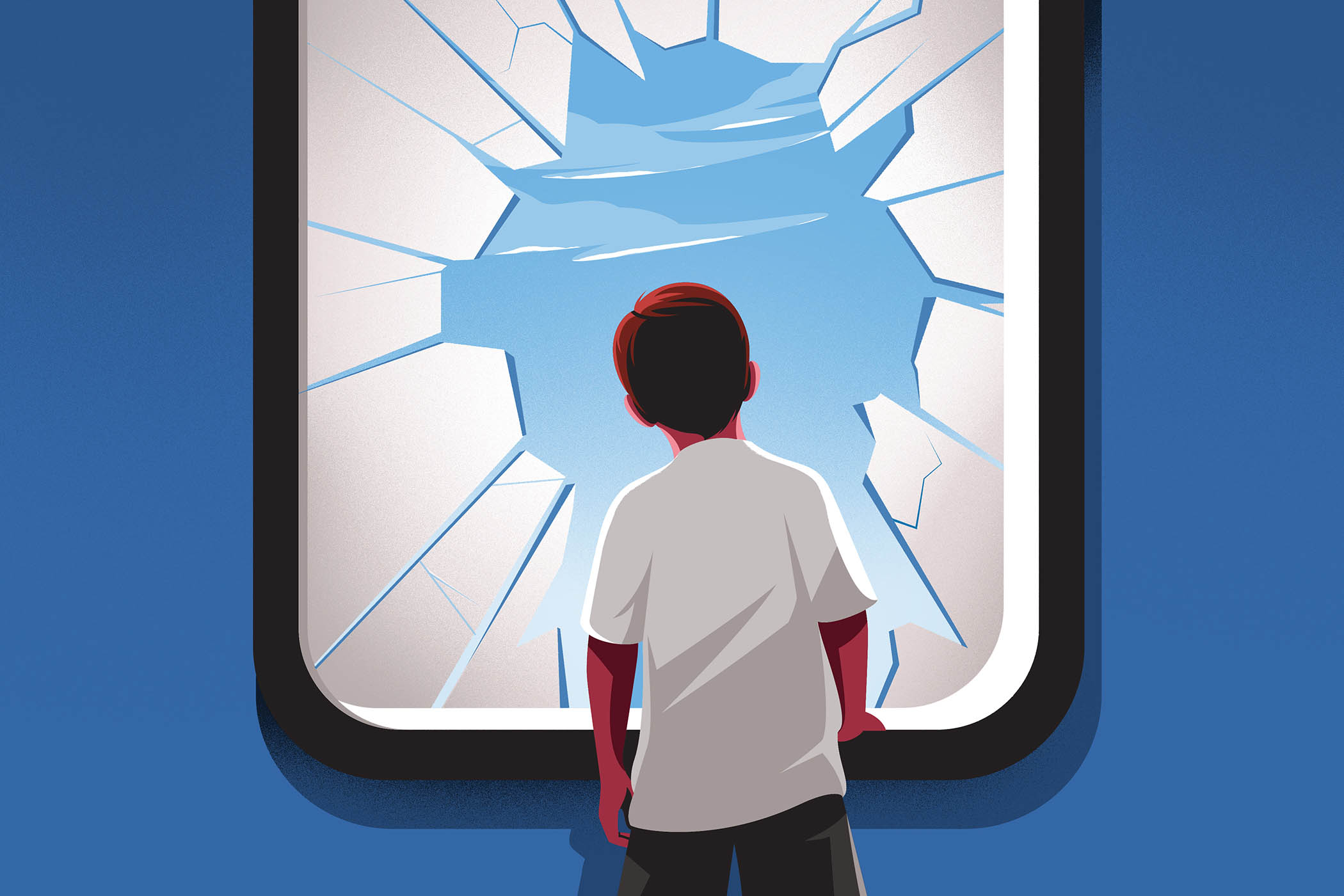
Illustration Oscar Ingham
Newsletters
Choose the newsletters you want to receive
View more
For information about how The Observer protects your data, read our Privacy Policy