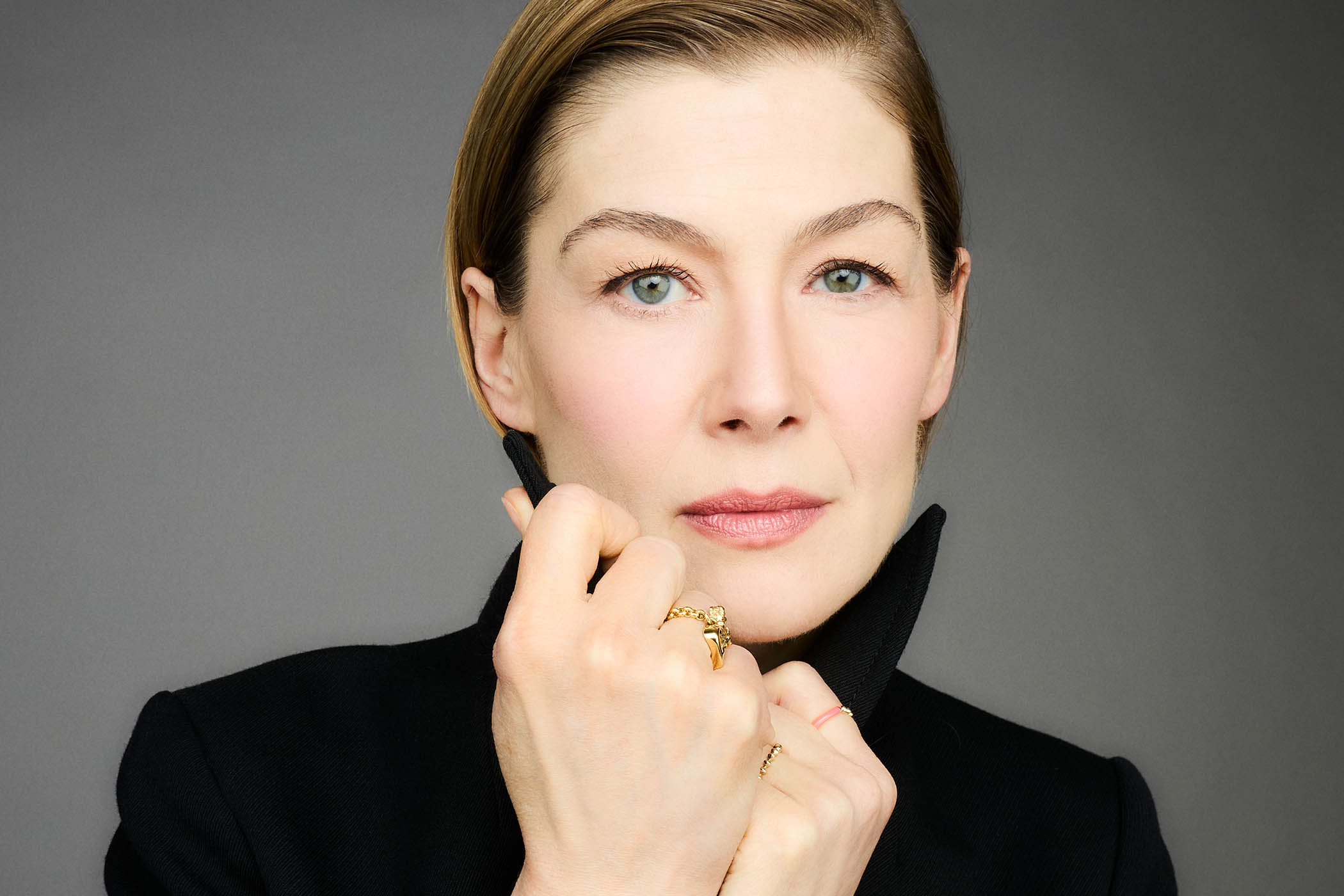
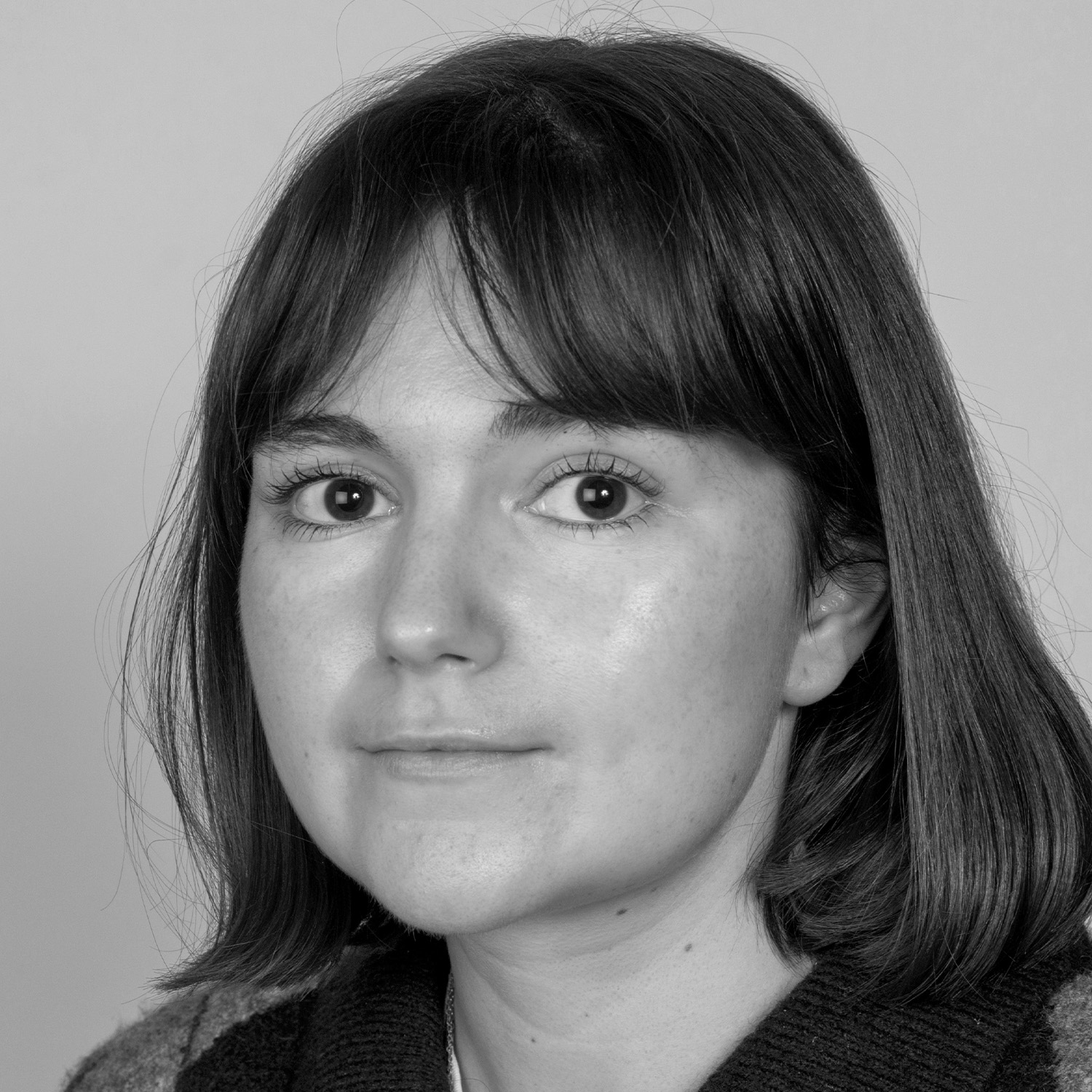

ROSAMUND PIKE
Nominated for Best Actress, Inter Alia
__________
How does it feel to receive your first Olivier nomination?
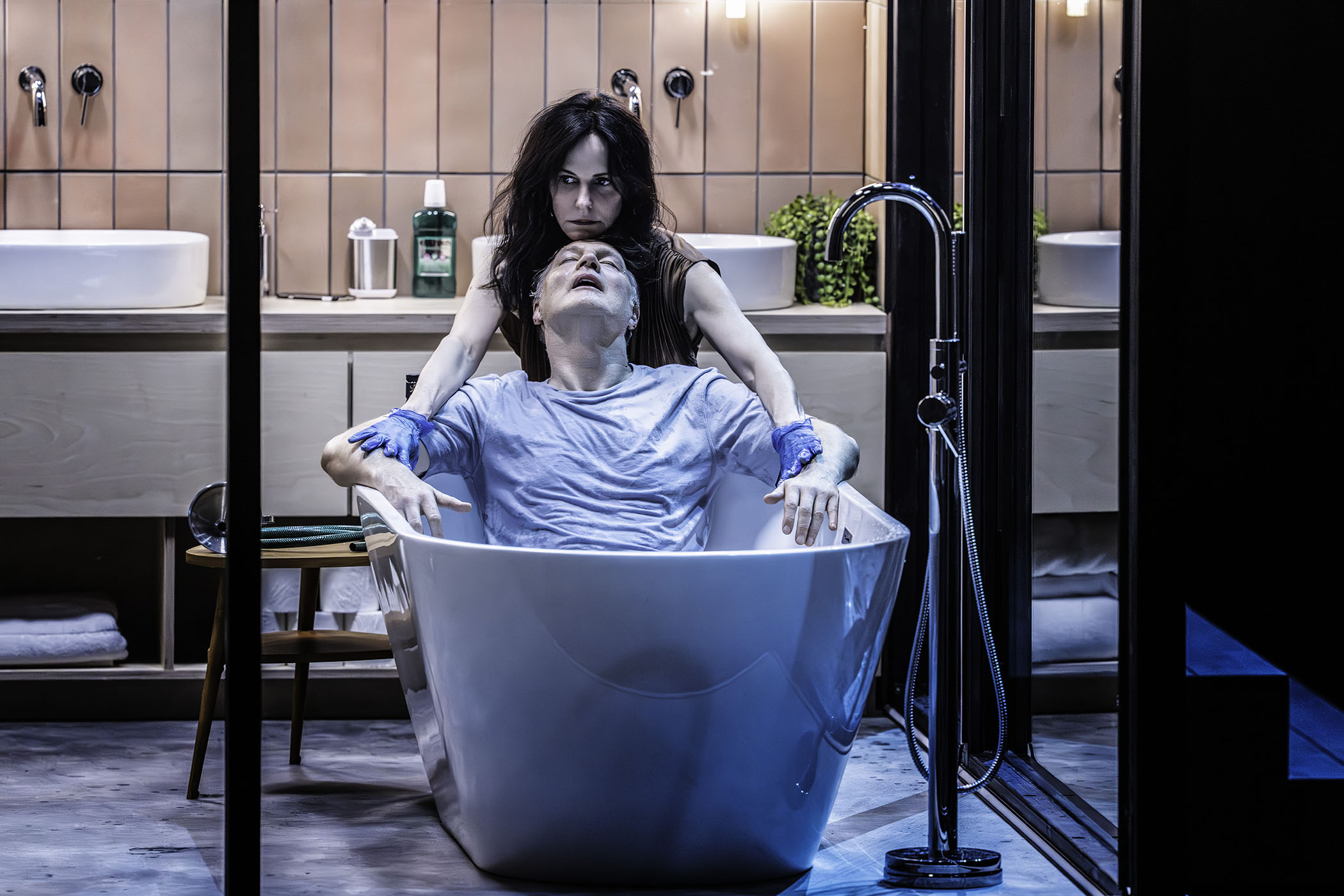
I grew up watching the awards without ever imagining I might be part of them, and to be recognised is a tremendous reward for a huge labour of love. Inter Alia is a play where, as a woman, you get to be disobedient. I feel very lucky to be playing in it and I’ve built the role with great care.
What does theatre mean to you?
It’s always a risk for the performer and for the audience. You don’t know what you’re going to encounter. The audience must place a kind of trust in the experience, and I find that exhilarating. Theatre is a place for sharing. It should be somewhere we can explore what it fundamentally means to be human. We want to recognise ourselves on stage; I want to recognise something that I find essentially true: about humanity, about motherhood, about things that relate to me being a woman – love, envy, jealousy, frustration, joy, the dilemmas we face.
Tell us about your post-show ritual…
The play is very fast-paced. Every night the character moves from crazy highs to crazy lows, and at the end of the show I need to wash her off. I always have a hot shower followed by a cold one. I need to take a beat. I can’t meet people straightaway. The play builds, and it just ends, but the story hasn’t ended, so my character is at full tilt and I have to just stop and be me again. Unless I sort of wash that off, my body is still churning along with the character’s.

JACK HOLDEN
Actor and writer, nominated for Best New Play, and Best Actor, for Kenrex
__________
What does theatre mean to you?
I can extol the virtues of theatre because I live, breathe and work in it. But I think theatre is going to become even more valued as AI takes over every other area of our lives. The live experience, where there is jeopardy, danger and excitement – that unmatchable human experience – will become more valuable as time goes on.
Kenrexstarted in Sheffield and is set to go to New York. Can you talk about the transition from regional theatre to national?
We couldn’t have built the show without Sheffield. We then brought that expertise to London, which greatly benefited the production. Often, this is how it works. I hope that in the future we can take Kenrex and other shows back to Sheffield and launch more productions there. Theatre is currently a tale of two cities: the West End is thriving, while regional theatre faces challenges. We need to reverse this, sending more shows and funding back to regional theatres.
What productions have you loved recently?
I absolutely loved Stereophonic. It was musically brilliant, and to see Zachary [Hart], who is a fantastic actor, receive two nominations is incredible.
Any shows you are desperately sad to have missed?
I’m still trying to find a ticket for Paddington, so if anyone can help with that…
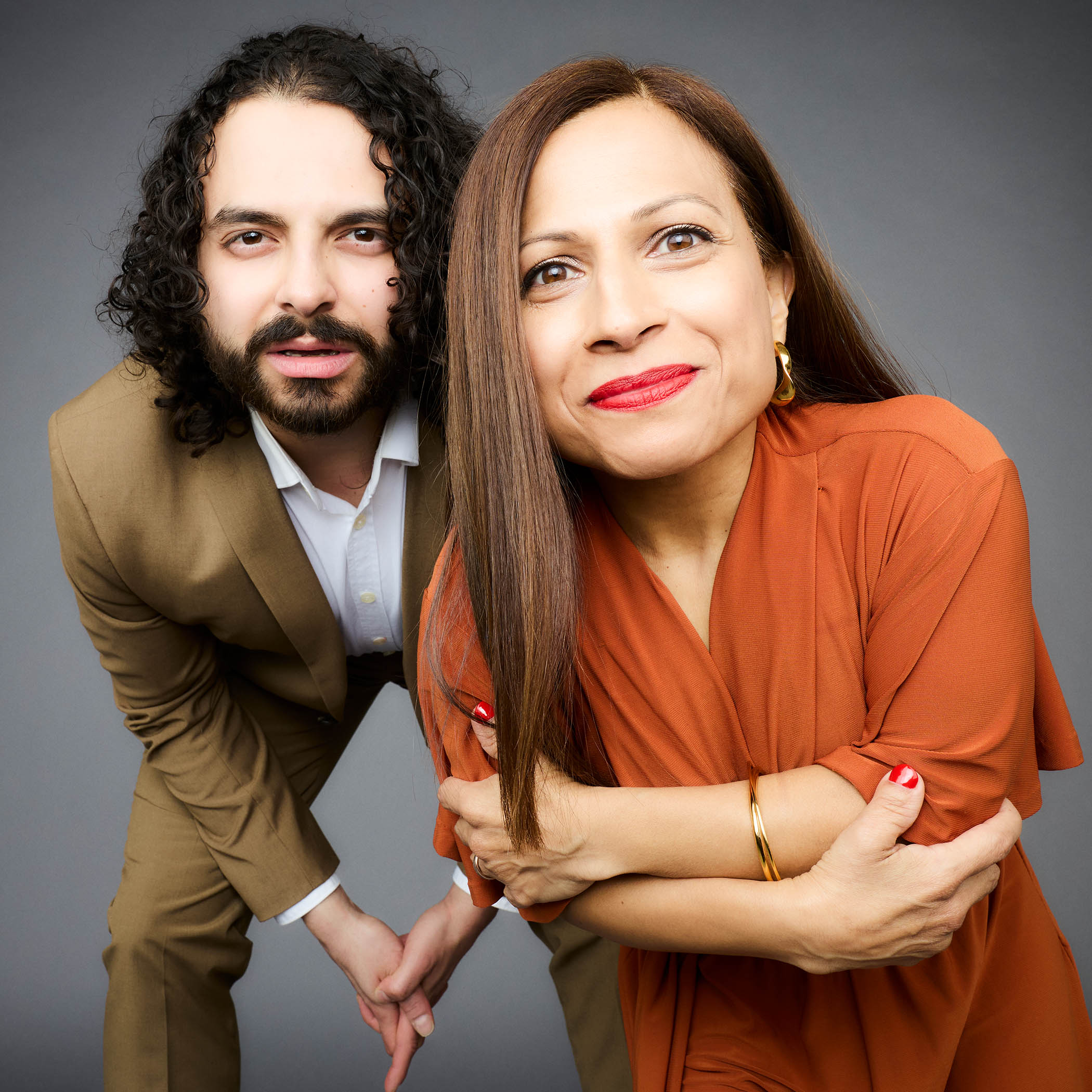
JAMES HAMEED & ARTI SHAH
Joint nominated for Best Actor in a Musical, Paddington
__________
What were the audience’s first reactions to the show?
James Hameed: When I’m on stage, the lights are usually right in my eyes, so I can’t fully see the crowd… But I can hear and feel their response. Occasionally I will have a moment where I spot someone in the audience having the most amazing time, and you glimpse someone reacting with pure joy. In those moments, people become wonderfully open and childlike again.
Could you sum up the outpouring of love for Paddington?
Arti Shah: Other than wanting to cry, it’s a real “pinch me” moment. It still doesn’t feel real; it hasn’t sunk in yet. I’m incredibly grateful and humbled to be part of this beautiful story about looking after the bear with James, who is so talented. I never imagined I’d be sitting here – the journey I’ve been on is nothing like what I ever expected in my life.

DANIELLE DE NIESE
Opera singer, awarded Outstanding Contribution to Opera
__________
Can you remember where you were when you found out about your award?
I received the news about an hour before my opening night at the London Coliseum, where I was starring as Jenny Hill in a new production of The Rise and Fall of the City of Mahagonny by Kurt Weill and Bertolt Brecht. I got a text from someone saying, “I think you should read your emails.” And then I had to go on stage almost immediately, and I remember thinking, “Well, tonight had better be my night, because it already feels like it.”
What does opera mean to you?
I actually started out in musicals, so this award feels like coming full circle. But then, musicals have always been a huge inspiration for me. What I think I’ve carried from them into opera is a strong sense of theatre. Opera, to me, should be performed with as much emotional and theatrical detail as vocal precision – it’s storytelling as much as it is singing emotions.
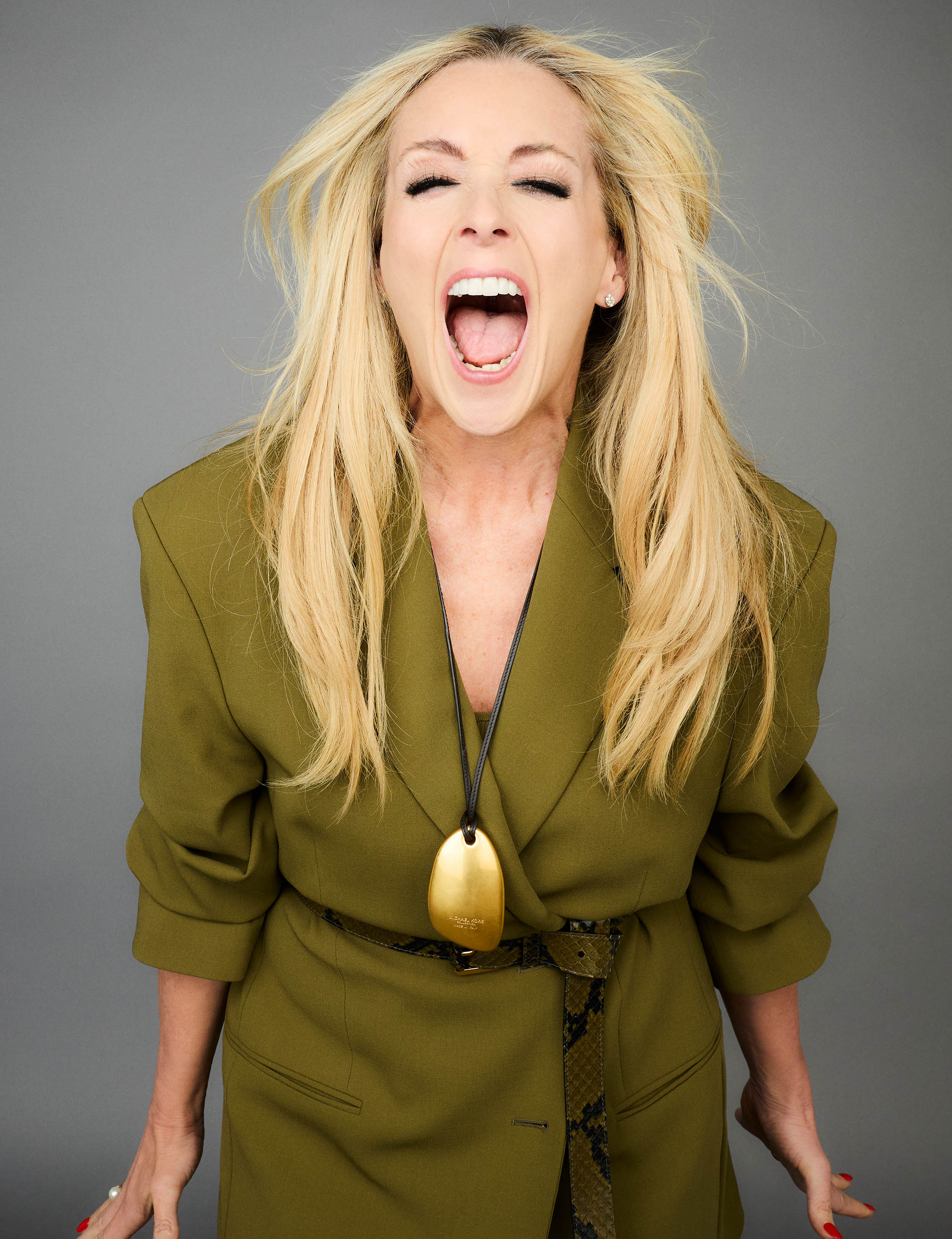
JANE KRAKOWSKI
Nominated for Best Actress in a Musical, Here We Are
__________
Can you remember seeing a show that made you realise that was what you wanted to do?
Yes, there’s a very clear moment. I grew up in New Jersey, and my parents took me to see Chicago (starring Chita Rivera, Gwen Verdon and Jerry Orbach) when I was about eight years old. I remember watching the female leads and having a feeling of, “Oh, they’re the kind of parts I would love to play.” I think it was because the women were quirky, comedic – they could sing and dance but they weren’t traditional ingenues or leads of musicals. At the end of the show, when the cast were throwing roses to people, Chita Rivera threw me a rose that I caught, and that’s never left me.
What does London theatre mean to you?
When I first worked here, on Guys and Dolls, 20 years ago, I really wanted to learn about London, so I got a Vespa and drove around the city. Just last night, I was driving home from a restaurant – not on my Vespa this time – and as I went down the Mall, I thought, “This is how I used to come home every night after my show,” and it brought back such special memories. It was like a dream to work in the West End. I had one of the best experiences I’ve ever had in my life and career.
What’s one show you’ve loved recently?
The first thing I bought tickets to was Paddington, and I adored it, loved every minute of it. I don’t see how you can go to that show and not love it. I thought it was perfection.

DANIELLE FIAMANYA (left)
Nominated for Best Actress in a Musical, Brigadoon
GEORGINA ONUORAH
Nominated for Best Actress in a Musical, Brigadoon
__________
Tell us about your journey into acting…
Danielle Fiamanya: The only reason I was in musical theatre was that I got a scholarship at a young age, which carried me through college and into my career. But for me, it was also about seeing people who looked like me doing it. I would sit on YouTube for hours, constantly watching videos of The Colour Purple again and again, and that’s why I’m doing this now: because of the people who came before me.
What does theatre mean to you?
Danielle Fiamanya: It feels like home… Like the place I am most connected. I think there’s something irreplaceable about theatre when you’re in a room with people, you’re all experiencing the same thing at the same time. There’s such an oneness to it. And theatre has such a presence that you can’t buy it.
Brigadoon is staged at Regent’s Park Open Air Theatre. What was it like to perform outside?
Georgina Onuorah: Performing at the park makes you feel completely connected to the audience – you can see every face. But you’re with the elements, the wind, the trees, and you’re talking to the earth. It reminds you that acting comes from the earth, from the present moment. It’s part of all of us.
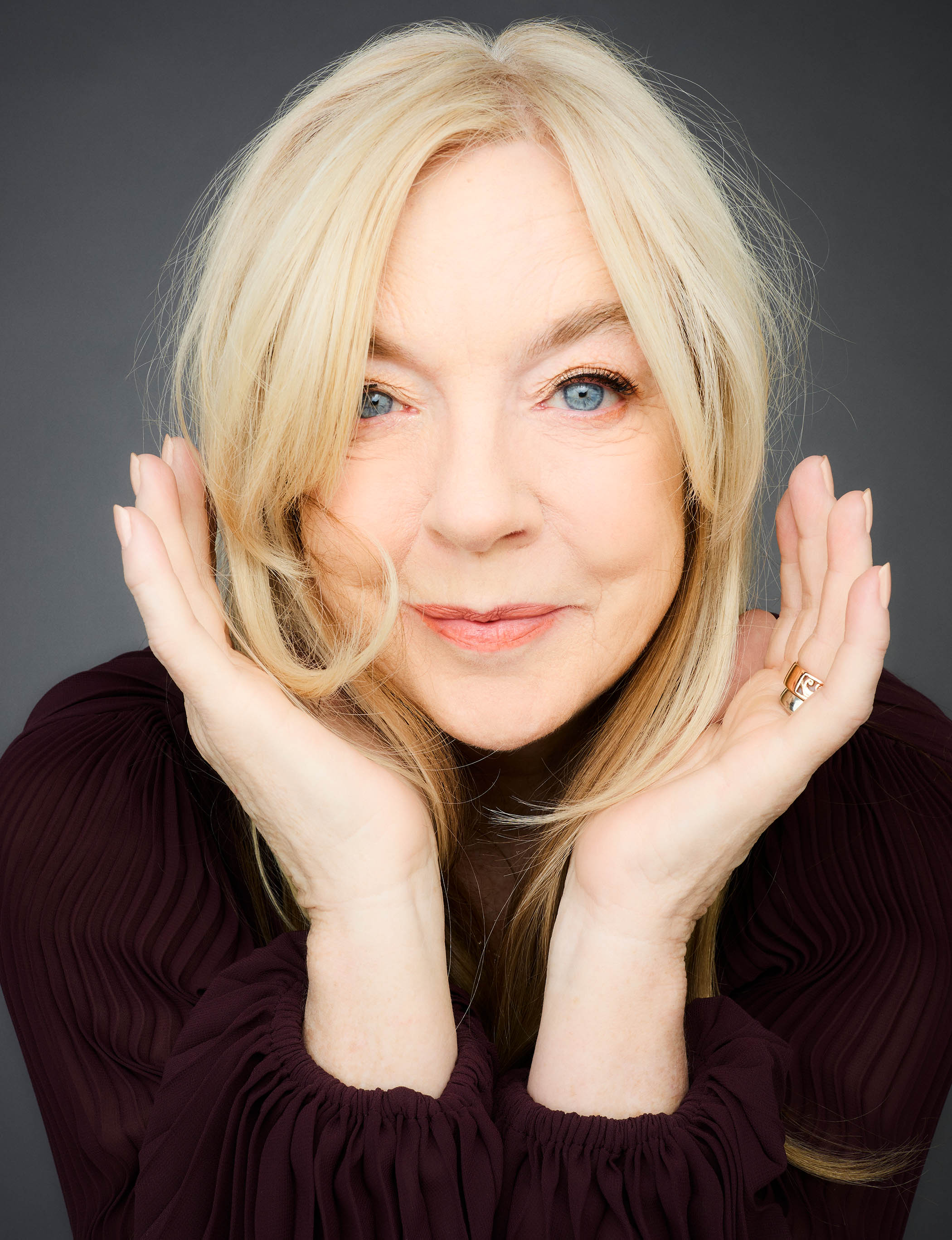
SUZIE MILLER
Playwright, nominated for Best New Play, Inter Alia
__________
How does it feel to be nominated for an Olivier?
It’s surreal – it’s the Oscars for theatre, an extraordinary honour. Among my fellow nominees are three writers I deeply admire, and what’s interesting is that we’re all doing something similar: holding up a reflection of contemporary society, sparking conversation, inviting empathy in areas people might not normally consider. I’m so proud of this group of nominees and thrilled to be among them. There’s something about theatre people: we’re all used to holding hands, standing around in a puddle of uncertainty, breathing it into life together. This is recognition for that.
What is the one production you’d love to see again?
I absolutely loved Kenrex, and I loved Punch.
What does theatre mean to you?
Theatre is my true love. Celebrating it in the West End with audiences who engage deeply, reflect on what they’ve seen, and take those ideas beyond the theatre, into conversation… that is incredibly precious.
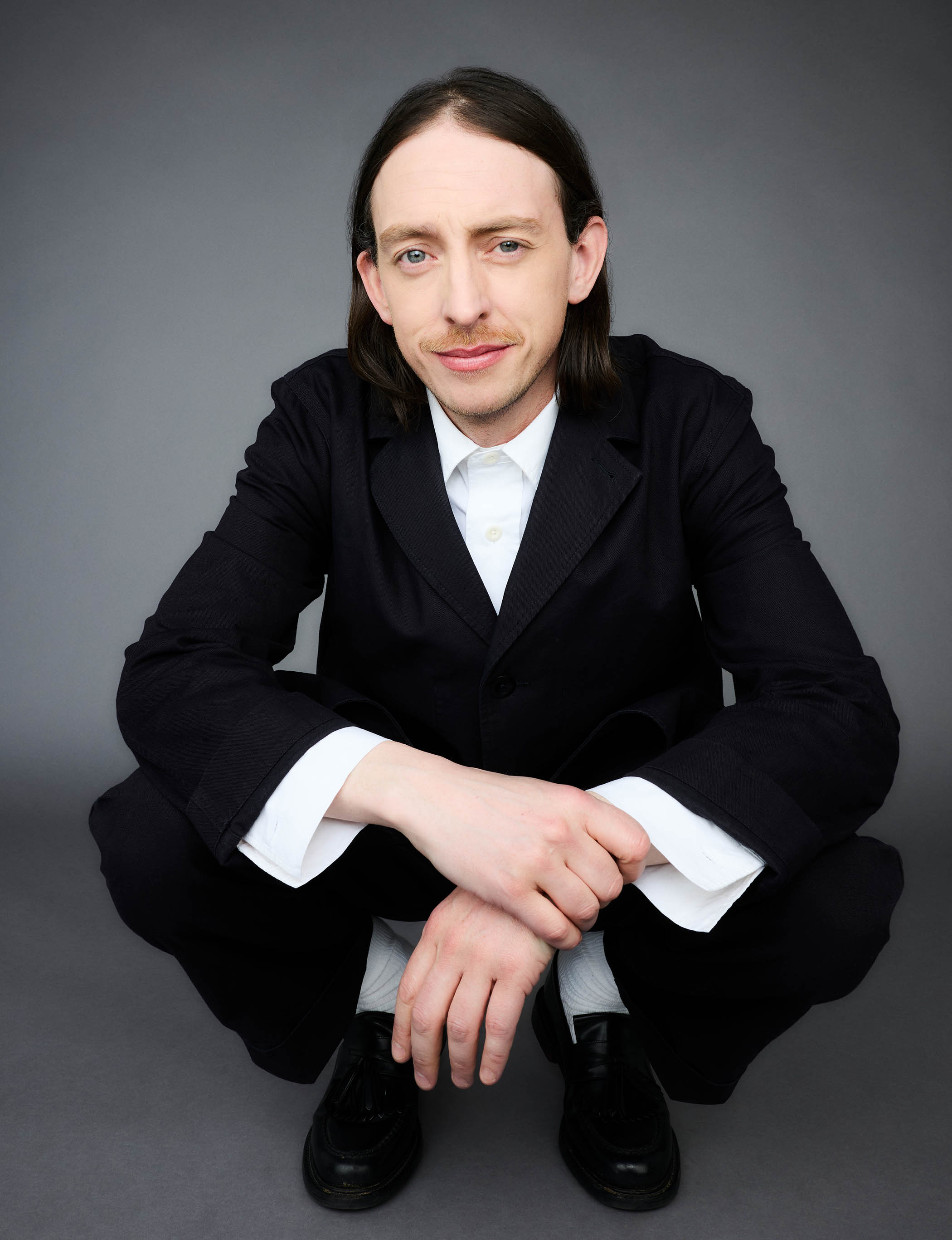
ZACHARY HART
Nominated for Best Actor in a Supporting Role, The Seagull and Stereophonic
__________
What does theatre mean to you?
There’s something about theatre that fixes me. I find when I’m sitting in a theatre, and there’s that sort of breath before the lights go down, it makes me want to cry, and I haven’t even seen anything yet. You get a thousand souls sitting together in a room, all focusing on the same thing. There’s something magical about that. It doesn’t really exist anywhere else.
How did you get into theatre?
I thought I was going to be a footballer. When it didn’t happen, my life fell apart. Without me knowing it, an ex-partner of mine put in an application for drama school, and I realised I’d always been a natural entertainer. It just developed from there. I never thought: “I want to be an actor.” I feel like I’ve been in survival mode since I stopped playing football, and that survival mode led me to drama school, and then to looking for a job. This scrappy element comes out when I’m in survival mode, but that’s my power.
What would you say to young lads who think theatre isn’t for them?
This world needs more voices, and the type of creativity that sparks from areas like mine and other areas outside London is different. I see so many kids who are rich in creativity – the only difference between them and me is that my parents said, “Yeah, go on, give it a go,” and their parents were like, “Don’t be silly!” I want every kid in the Midlands to know that being an actor isn’t the same as being an astronaut. It is achievable. Anybody can become an actor.
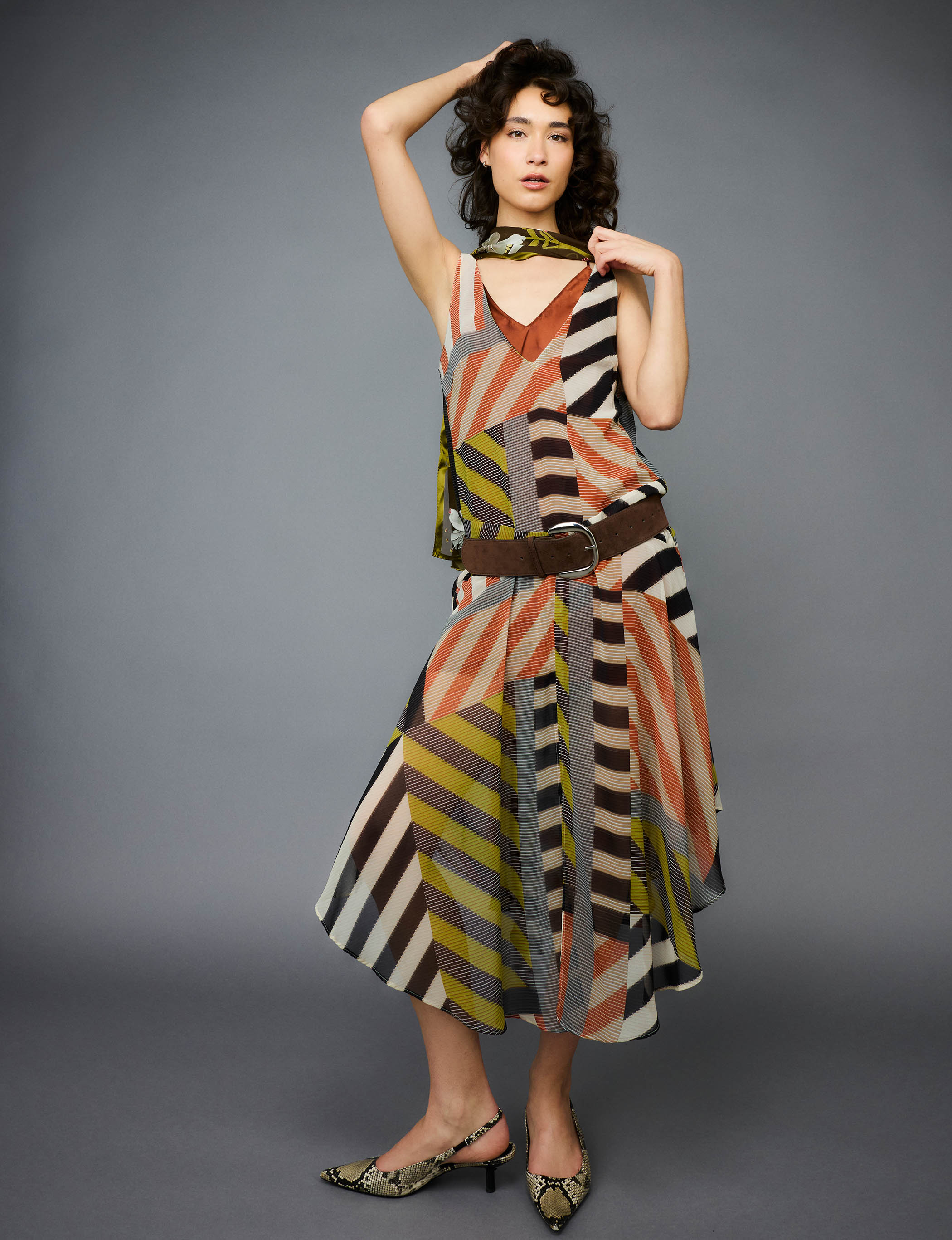
LUCY KARCZEWSKI
Nominated for Best Actress in a Supporting Role, Stereophonic
__________
Was there a moment you realised you wanted to get into theatre?
When I was 13 or 14 my older sister, Zoe, loved drama and bought me and my twin sister theatre tickets, and I remember seeing Goethe’s Faust. And after the performance we just talked about it and had opinions on it, and it felt like it was the first time I could have an opinion on something, and Zoe encouraged me to have that opinion. I found that really freeing, really fun. Seeing something that grips you was life-changing for me, and it made me want to do that.
Any shows you are sad to have missed?
Yes, The Ocean at the End of the Lane. I used to make Nia Towle [who starred in it, and shared a dressing room with Karczewski during Stereophonic] do bits from the show just for me when we were in the dressing room.
How did you unwind after each show?
I often had to go on vocal rest because eight shows a week is difficult, no matter how technically trained you are. I once went on a third date on vocal rest. Safe to say we are not together any more.
What does theatre mean to you?
I’m working on a screen project at the moment, but I’m already really wanting to come back and do theatre, like quite desperately. I just miss the whole community vibe of it and how much the work develops. Like, oh God, Stereophonic was so fun because it just developed and developed and developed.
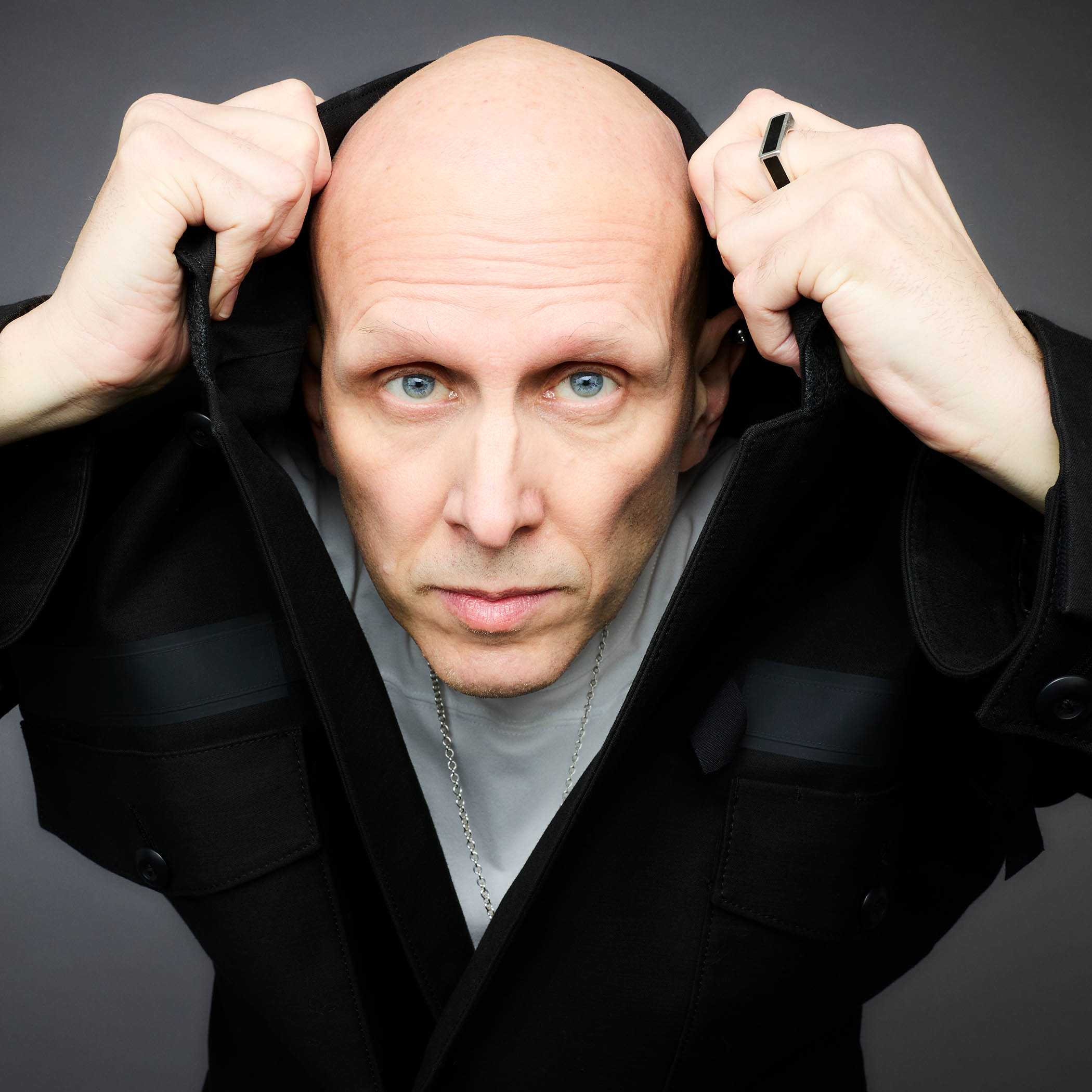
WAYNE McGREGOR
Choreographer, awarded Outstanding Contribution to Dance
__________
What does theatre and live performance mean to you?
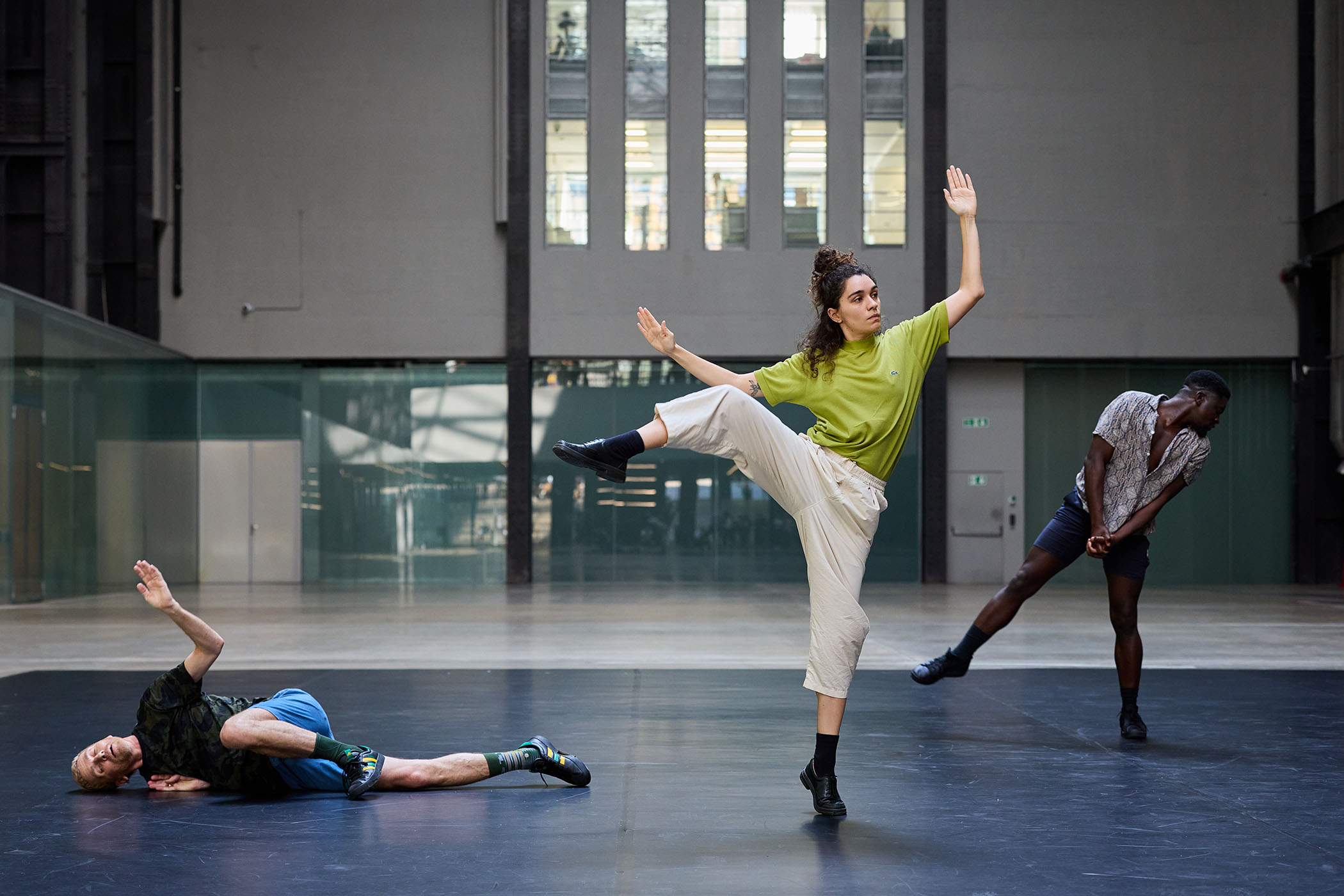
Live performance is completely irreplaceable. I work a lot with cutting-edge technologies, but they run parallel to liveness and can never replace it. I also want to share a personal reflection: I grew up in a working-class family in the north of England, with parents who weren’t particularly culturally literate. Yet I was exposed to live musicals in Manchester in the 1980s, and they inspired me to pursue a career in the creative industries. What’s crucial is that theatre isn’t just about the performances on stage – it’s a way of thinking. This kind of imaginative, divergent thinking is vital across all education, not just cultural education, because it drives innovation, which is exactly what we need.
Is there a particular performance that changed your way of thinking?
When I first came to London in the 1990s, I was deeply influenced by an incredible theatre-maker, Robert Lepage, who created a remarkable seven-hour play called The Seven Streams of the River Ota. It combined powerful emotional storytelling with hi-tech visualisations in a way I hadn’t seen before. That experience made me realise what was possible and sparked my interest in that style of work.
Is there a performance you wish you could watch again for the first time?
I’m a big believer in repeat viewing. It’s very important, especially for dance. When you’re engaging with a language you don’t immediately recognise, it takes time to understand and interact with its syntax. For example, experiencing Merce Cunningham during Dance Umbrella in London required multiple viewings before I truly appreciated how extraordinary it was. I’m always amazed by people’s ingenuity. That’s the magic of theatre: it constantly offers a breath of fresh air, and you never know what will happen next.
What is one performance you are desperately sad to have missed?
When I think about performances I’ve missed, I often reflect on the great masters of dance and the premieres I wish I could have seen. I would have loved to attend the premiere of Mayerling at the Royal Ballet. It presented a language that was unfamiliar and challenged an audience that wasn’t prepared for it. That, to me, is the responsibility of art: to push people out of their comfort zones – not just to entertain, but to provoke thought and questioning.
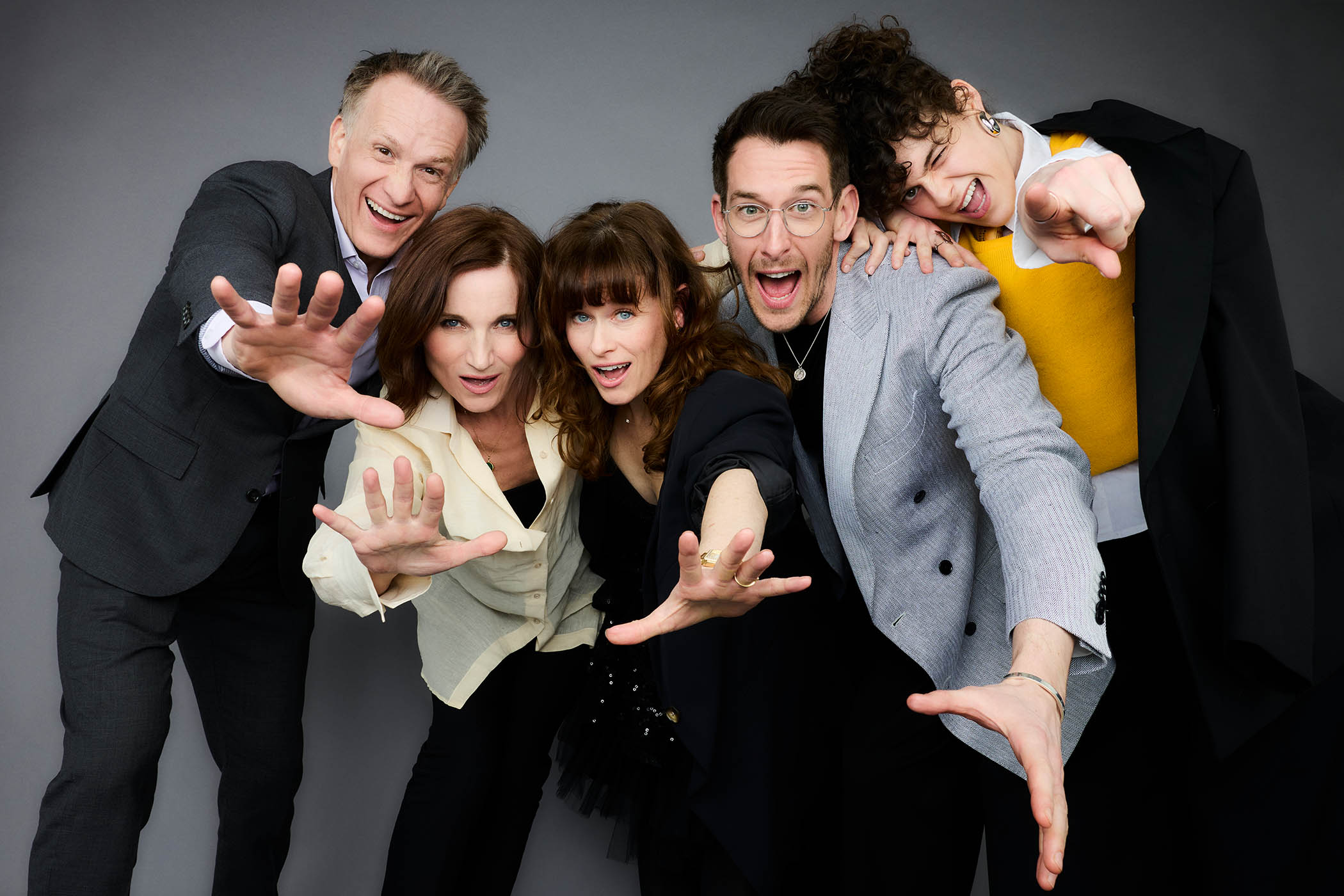
(From left)
JAMIE PARKER
Nominated for Best Actor in a Musical, Into the Woods
KATE FLEETWOOD
Nominated for Best Supporting Actress in a Musical, Into the Woods
KATIE BRAYBEN
Nominated for Best Actress in a Musical, Into the Woods
OLIVER SAVILE
Nominated for Best Supporting Actor in a Musical, Into the Woods
JO FOSTER
Nominated for Best Supporting Actor in a musical, Into the Woods
__________
How do you unwind after a show?
Jamie Parker: It’s a long walk back to the station, and getting home takes a while. From the outside, it seems glamorous, but the reality is that musicals are incredibly demanding. You can’t live freely while doing eight shows a week. I just have to go home and sleep.
What does theatre mean to you?
Kate Fleetwood: When I went away to school, I needed to find a surrogate family. People often find it in sports, the army, politics, or something familiar from their upbringing. For me, it was drama. I needed it deeply enough to keep going, because much of this work is simply staying in it, which not everyone can manage. That’s why supporting those who want to pursue it is so important. While theatre brings in more footfall than Broadway or even the Premier League, but it’s not about revenue, it’s about intrinsic value, which I’ve always seen as self-evident. The only way to prove that value is to show up every day, do the work, and keep going.
How do you go on and perform after hearing such exciting news?
Kate Fleetwood: It can make you feel quite giddy, but the work brings you back. Being an actor is all about being present, while moments like this are full of future anticipation, so focusing on the work grounds you in the moment.
What does theatre mean to you?
Katie Brayben: The act of being an actor and watching other people perform allows you to understand what the process is, and being able to just completely, imaginatively absorb yourself, I think that’s really special.
Where were you when you found out about your nomination?
Oliver Savile: I was at the Bridge Theatre, which is a beautiful place to work, right opposite Tower Bridge. The day the nominations came out was the first sunny day of the year, so I sat on the South Bank with my girlfriend, Sydney, when the news came through, just after 12… Then we had to go on and do two shows as if nothing had happened.
Can you tell us about when theatre appeared on your radar?
Jo Foster: Accessibility is such an important thing. Growing up, I saw so many shows at places like the Lowry and the Royal Exchange Theatre in Manchester, and being able to experience those productions as a child was amazing. Seeing the scale and beauty of theatre made a huge impression on me. I remember a youth theatre group coming door-to-door with flyers asking if people would be interested in joining. I was quite a lonely child, so my family thought we’d give it a try – and it completely changed my world. The sense of community that actors and artists create is incredibly important. It’s what really shaped my journey, and if I hadn’t seen those shows or had those opportunities come my way, I might never have discovered theatre at all.
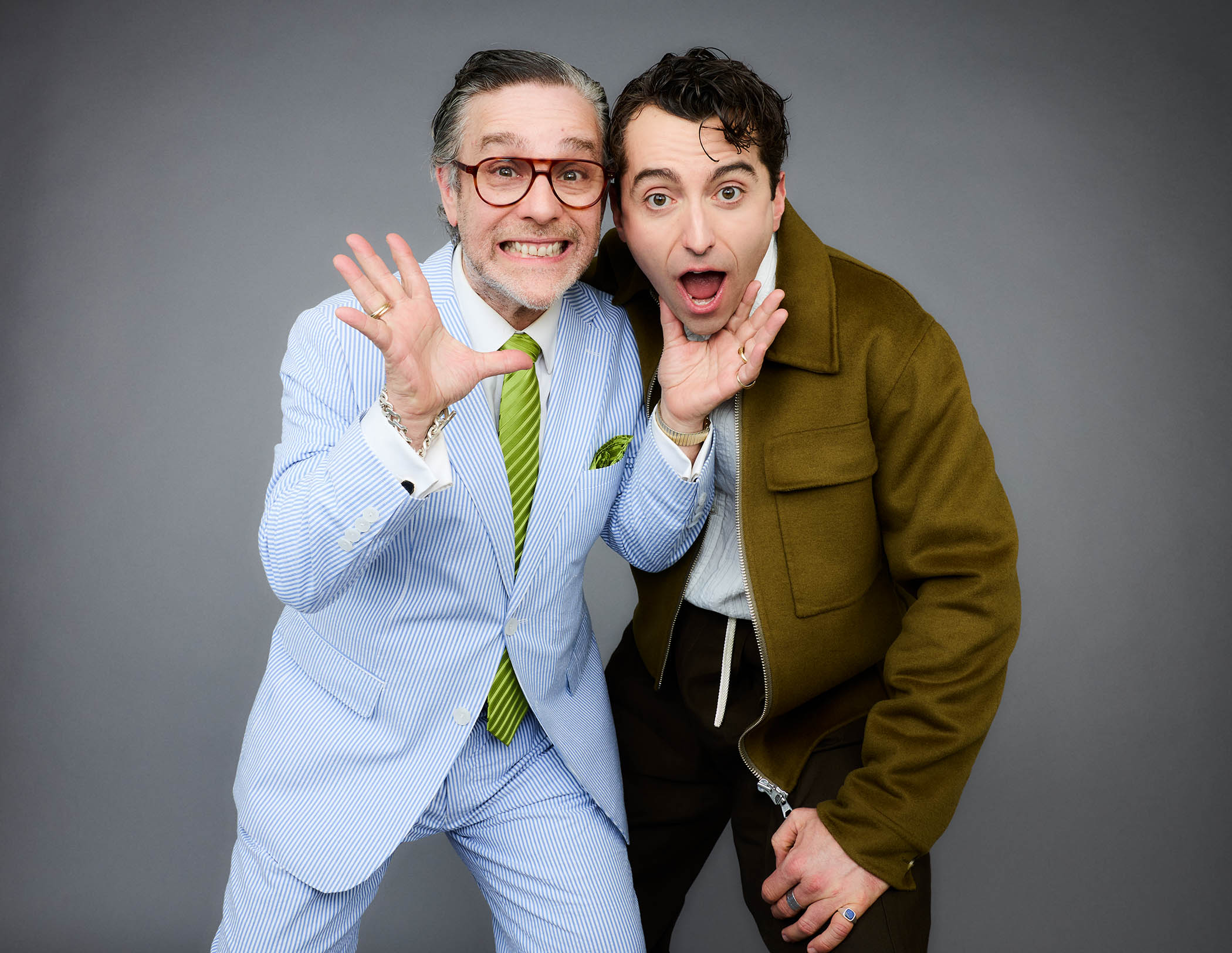
ANDY NYMAN (left)
Nominated for Best Actor in a Musical, The Producers
MARK ANTOLIN
Nominated for Best Actor in a Musical, The Producers
__________
What does theatre mean to you?
Marc Antolin: The best part of the industry is the people you meet along the way, the small encounters, meeting your heroes at the stage door, working with people who become lifelong friends. Theatre, for me, is my family.
Andy Nyman: I’m lucky to work across different areas, but theatre is so immediate and alive. You get to explore in ways you don’t in TV or film. You spend time with the text, the work, and with the people you perform with at a deep level. There’s something incredibly special about telling a story live and receiving that instant feedback from an audience. I never take any of my work for granted.
What’s one production you’ve recently seen and been in awe of?
Marc Antolin: I recently saw Ballet Shoes at the National, having missed it the first year, and I was struck by how many young people were watching and being inspired. I love going to children’s theatre, because witnessing a child’s first experience of live performance, and how excited and entranced they are, reminds me of why I wanted to do this work.
Is there a performance you wish you could go back in time and see?
Andy Nyman: I didn’t miss Barnum with Michael Crawford (I saw it twice), but it was the first thing I ever saw in the West End, at the Palladium, and I’d love to experience it again. It ticked all the boxes: immersive in a traditional way, yet the power of the show and Crawford’s performance was remarkable.

DIEGO ANDRES RODRIGUEZ
Nominated for Best Actor in a Musical, Evita
__________
When did theatre first appear on your radar?
When I was in high school in Texas, I played cello in the arts programme and witnessed my friends perform in a “one-act play” competition. That was the first time I experienced theatre as an audience member. I thought, “I could do that” and I started performing soon after. In my high school I was part of a close-knit, mostly Mexican-American group, and I took pride in being a storyteller for that community. Coming from a large family, many of whom came to watch my musicals, I realised the power of representing and sharing stories for those around me. Years later, performing in London as the chosen Latino to tell the story of Eva and Juan Perón felt like a continuation of that role but on a much larger scale, representing the Latino community I advocate for. It was an incredible experience, like the summer of my life.
Which shows have you seen recently that you’ve loved?
Last summer it was hard to get out to the theatre. I saw a few shows, though: Burlesque, at one of its matinees, and Hamilton, which was interesting to see through a British audience’s perspective. Most of the Olivier shows hadn’t opened by the time I left last September. There are a few shows I’d really like to see: Paddington, which some friends are in; The Producers and Into the Woods.
Are there any differences between British and US audiences?
Playing in Evita in the UK, I felt as if I was singing directly to everyone. Audience members mouthed the words along with me, which was surreal. It showed how beloved Evita is to British audiences. It was incredible to feel the love from older generations, seeing them connect with a story that’s older than me, celebrating Tim Rice and Andrew Lloyd Webber. The audience’s enthusiasm was both thrilling and a little unnerving – it reminded me how much responsibility there is to perform. But it was amazing to experience such a deep connection.
What would be your dream role?
I’d love to do a production of In the Heights or West Side Story – that would be so fun. Quentin Tarantino has a play coming out here, which would be amazing to be part of. Collaborating on a revival or a straight play with such talented actors and directors would be fantastic. This past summer was my first time in London, and I’m thrilled to continue building my career here. I’ve had the best experiences and the best job of my life, and I’m beyond grateful to the city and the UK for giving me this opportunity.
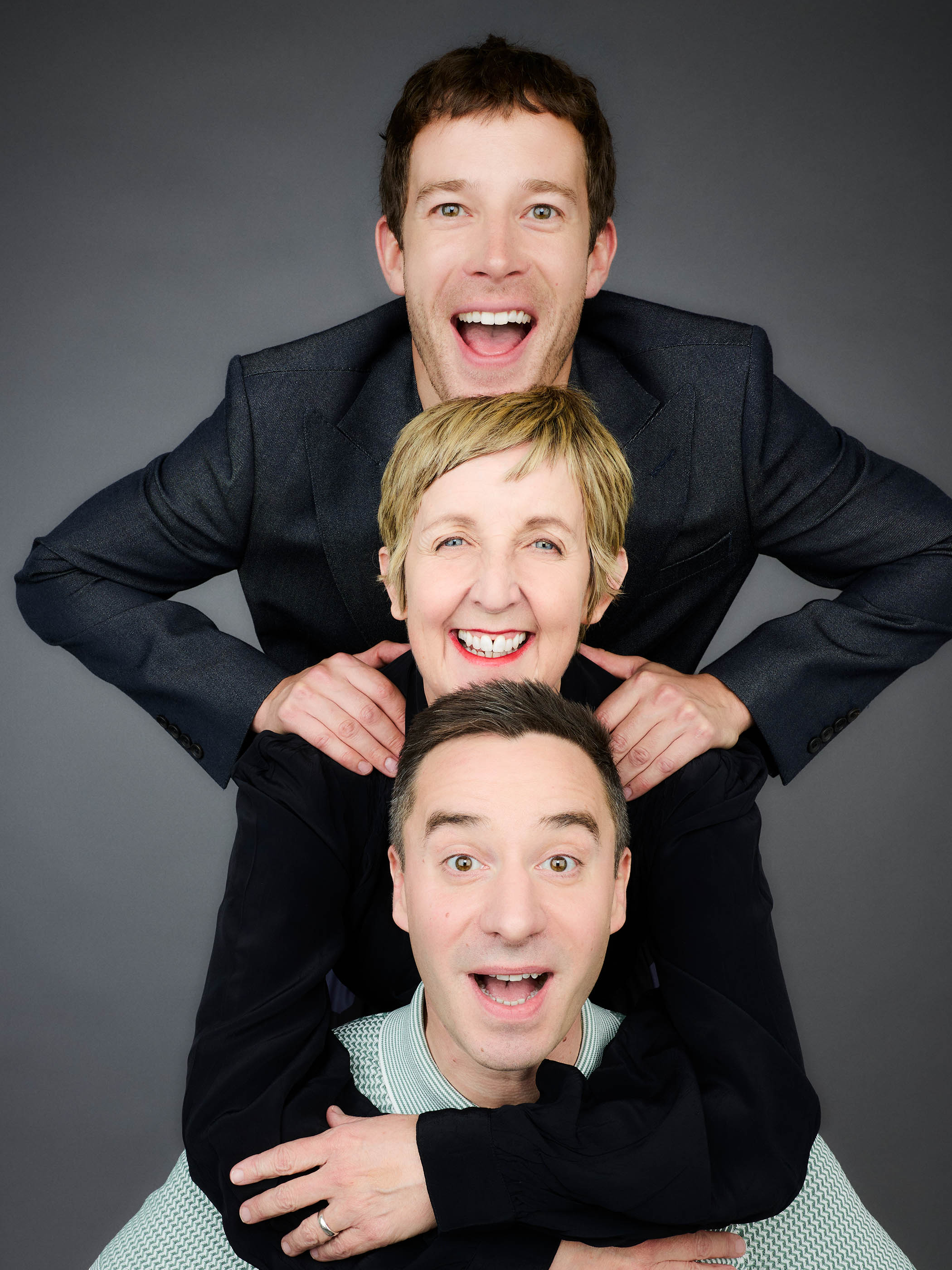
DAVID SHIELDS (from top)
Nominated for Best Actor, Punch
JULIA HESMONDHALGH
Nominated for Best Actress in a Supporting Role, Punch
JAMES GRAHAM
Playwright, nominated for Best New Play, Punch
__________
It is such an intense play. How did you get into the real-life character of Jacob?
David Shields: I was lucky because there’s so much material about Jacob [Dunne] online. Before rehearsals even began, I was watching his videos and reading his book [Right from Wrong: My Story of Guilt and Redemption, Dunne’s autobiography and the source material for James Graham’s play]. Jacob was present from day one of rehearsals, so I could lean on him, ask any questions, fill in the gaps, such as why he agreed to enter the restorative justice process in the first place. He showed immense grace and generosity throughout, which made my job much easier, alongside James [Graham], who is incredibly conscientious about his subjects. We also had Joan [Scourfield] and David [Hodgkinson], the parents of James Hodgkinson, who was killed by Dunne with a single punch in 2011, come in during one rehearsal – a moment I think Julie would agree was one of the hardest experiences of performing the show. We worked with them to incorporate feedback they had, which led to a production that felt truthful, honest, and respectful to everyone involved.
How does it feel to receive your first nomination, and can you remember where you were when you found out?
Julie Hesmondhalgh: I was sitting alone in a small café called Thrive, in Glossop, near where I live, having a juice and an oat-milk coffee when I received two messages, one from Adam, the director, and one from Kate [Pakenham], the producer, both saying “woohoo” and “yay”. I had no idea why, until they told me I’d been nominated for an Olivier. I was thrilled but on my own, so I went to the café owners and apologised for interrupting, explaining that I’d just received this amazing news and needed to tell someone. They were lovely and excited for me, though they casually mentioned they’d actually been to the Oliviers before because their daughter was in the original production of Six. It was a funny reminder to stay humble. There I was, thinking this must be huge news while sitting in a café in Glossop. Still, I was completely over the moon and surprised by how thrilled I felt. I think it means even more for all of us involved in the production because it tells a real working-class story set in Nottingham. It feels like we’re representing real people and bringing them with us, and this nomination takes the story to another level – beyond the West End and Broadway – reaching even more people.
How does it feel to receive the praise you have received for Punch?
James Graham: Of all the shows I’ve done, this one has felt the least like just doing a play. I wouldn’t go so far as to call it a movement or a work of activism, but we are representing something very real – real people – and it is creating change. Even if it’s just a conversation, even if it’s individual audience members leaving the theatre thinking, “Gosh, the power of forgiveness, the power of restorative justice, a new way of seeing young men,” it matters. So it’s significant that the theatre industry and our peers have celebrated something that started humbly, and small. For me, it’s a joy and a delight to be part of it.
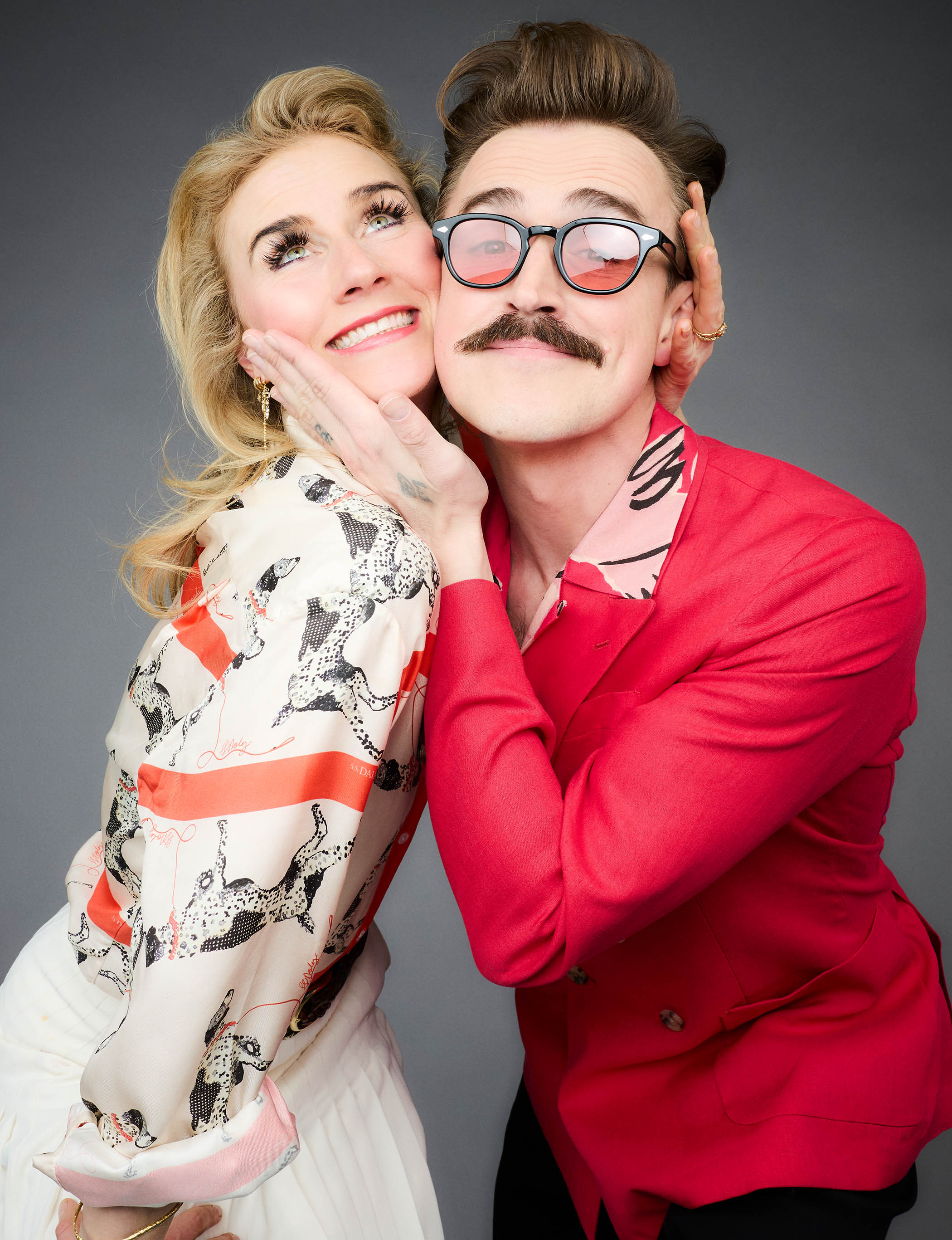
JESSICA SWALE
Playwright, nominated for Best New Musical, Paddington
TOM FLETCHER
Musician composer, nominated for Best New Musical, Paddington
__________
What does theatre mean to you?
Tom Fletcher: In many ways, this feels like coming back home. I grew up attending full-time theatre school from the age of eight, surrounded by West End shows, and I always thought I would become an actor performing in them. Then McFly happened and took over my life, so my path shifted. Everything I learned from my time in McFly, from songwriting and performing, has come together perfectly now. I had been working on a few musical projects and felt ready to take on a major challenge – something intimidating but incredibly exciting. It’s been wonderful to feel so welcomed and respected as a writer, knowing they could have chosen any songwriter in the world. I feel incredibly lucky that it came to me.
What’s it like seeing audience members’ reactions to Paddingtonevery night?
Jessica Swale: It’s magic, and honestly we still feel that ourselves. It might sound trite, and people might not believe us, but it’s true. Tom says he cries every time he sees the show, and I honestly feel the same.
Tom Fletcher: It’s so true. I’ve seen it more than anyone, and even watching Paddington come out on stage still makes me burst into tears. There’s something deeply emotional about that moment. Whether it’s your first time or your hundredth, seeing Paddington on stage and witnessing the magic of theatre and the audience connecting with him is always moving. The atmosphere in the room is electric the moment he walks out.
Jessica Swale: For many of our audiences, it’s their first time at the theatre – around 40% are first-time theatregoers. Even though we feel like veterans, with theatre in our bones, it’s still striking to realise that for a lot of people, this is their first experience of theatre. The show, as an ensemble piece, celebrates all aspects of London life, its diversity, and every element of theatre-making. It’s a celebration of the art form. Even though it’s elaborate and resource-intensive, it reconnects with the origins of theatre, telling a compelling story with a beginning, middle and end. You believe in what you see, even if it isn’t real, and you make that leap of faith together with an audience, all witnessing it at the same moment. That one show you experience is unique, never to be repeated, shared in real time with everyone else in the room. In that way theatre is unlike any other art form.
What’s one other show you’ve seen recently and loved?
Tom Fletcher: I saw my friend Matt Willis in Cabaret, which was incredible. But Paddington has consumed so much of our lives I haven’t had much chance to see other shows. Tomorrow I’m taking my son to see Oliver!, which will be lovely and especially meaningful because I was in Oliver! as a child.
Jessica Swale: I went to see Shadowlands a couple of weeks ago, and I think a lot of people are very familiar with the story because it was a film, and it’s a play that is much known and loved. But I had never seen it before, and so I didn’t know, in very simple terms, what happened at the end. And it was really joyful and wonderful to just sit and be told a great story by great actors.
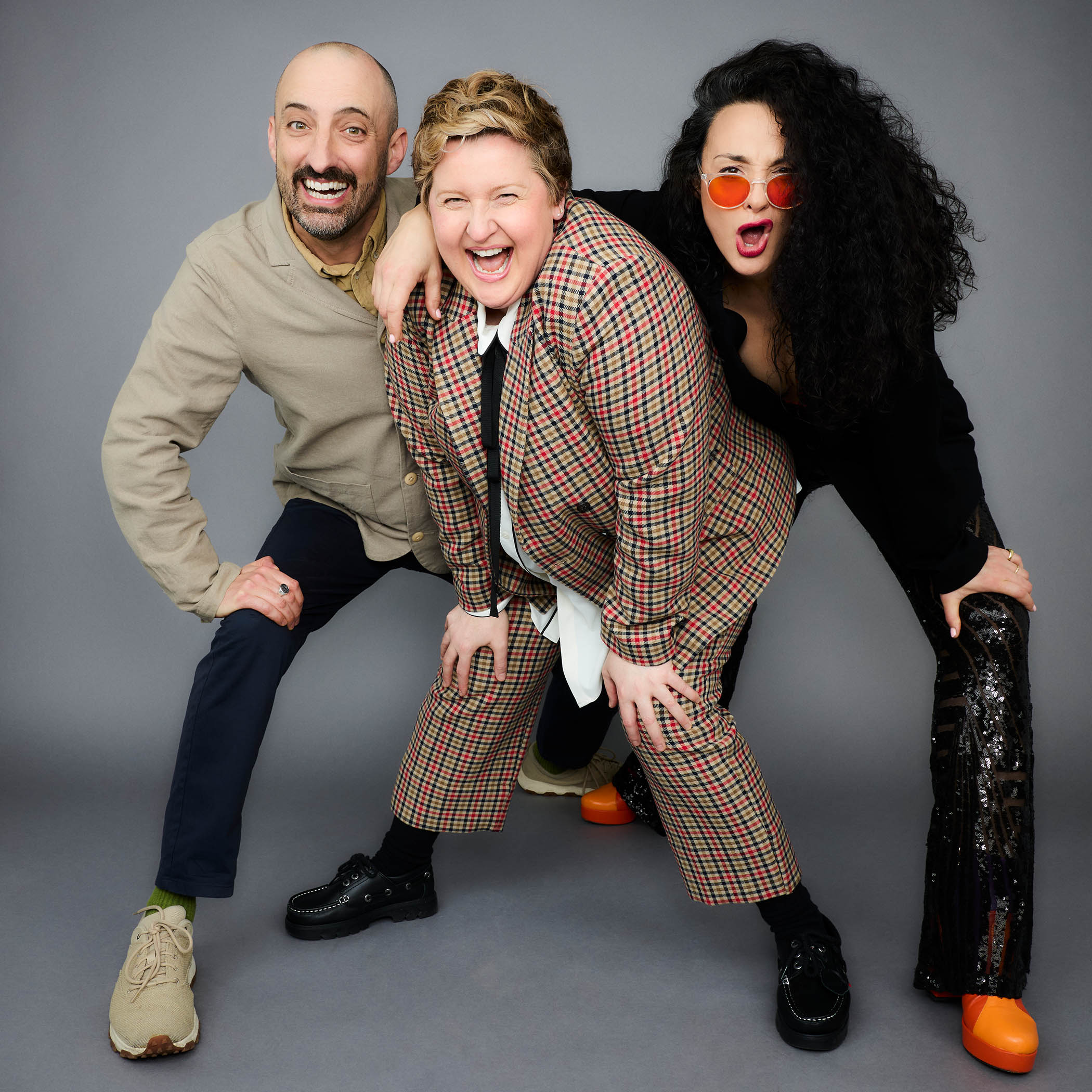
TOM EDDEN (from left)
Nominated for Best Supporting Actor in a Musical, Paddington
AMY BOOTH-STEEL
Nominated for Best Supporting Actress in a Musical, Paddington
VICTORIA HAMILTON-BARRITT
Nominated for Best Supporting Actress in a Musical, Paddington
__________
It took years to bring Paddington to life. How did that first rehearsal room feel?
Tom Edden: I’ve never been part of anything this big – with so many people, moving parts, creative departments, design and puppetry elements. It’s enormous. At first, it can feel overwhelming. You don’t want to be the cog that doesn’t work in the machine. But over time you realise what a privilege it is. This is exactly the kind of work we all dreamed we might one day do, so you have to set aside fears and anxieties and embrace it fully.
What does theatre mean to you?
Amy Booth-Steel: Being part of something like this is like being part of a family, a community you can’t find anywhere else. It’s absolute magic. Musicals like this – with so much care, years of work, the blood, sweat and tears – don’t come around often. To be involved in it is truly once-in-a-lifetime, and we are so lucky.
Can you remember a production that made you want to become an actor?
Victoria Hamilton-Barritt: I remember the moment clearly. My parents took me to see Starlight Express when I was about eight or nine, and I couldn’t believe people actually did this for a job. I kept talking throughout the show, saying, “They do this every day?” My parents nodded, and I realised this was their work – they earned money performing! I remember thinking right then, “This is what I’m going to do.” From that moment, I knew theatre was for me.
Can you remember where you all were when you found out about your Olivier nominations?
Amy Booth-Steel: I was travelling into work. We all were travelling into work, actually, because we had two shows that day…
Victoria Hamilton-Barritt: I bumped into you at the Tube station! We had a little sob on each other’s shoulder. It was a beautiful moment to share with you, because we are so close…
Amy Booth-Steel: We’ve known each other for years, and we are so proud of each other. It’s kind of unbelievable. And it is the first time I’ve ever experienced something like this.
The Observer is the official media partner for the 2026 Olivier Awards with Cunard.
The Olivier Awards with Cunard 2026 will be broadcast on BBC Two and iPlayer from 7pm on Sunday 12 April.
Newsletters
Choose the newsletters you want to receive
View more
For information about how The Observer protects your data, read our Privacy Policy