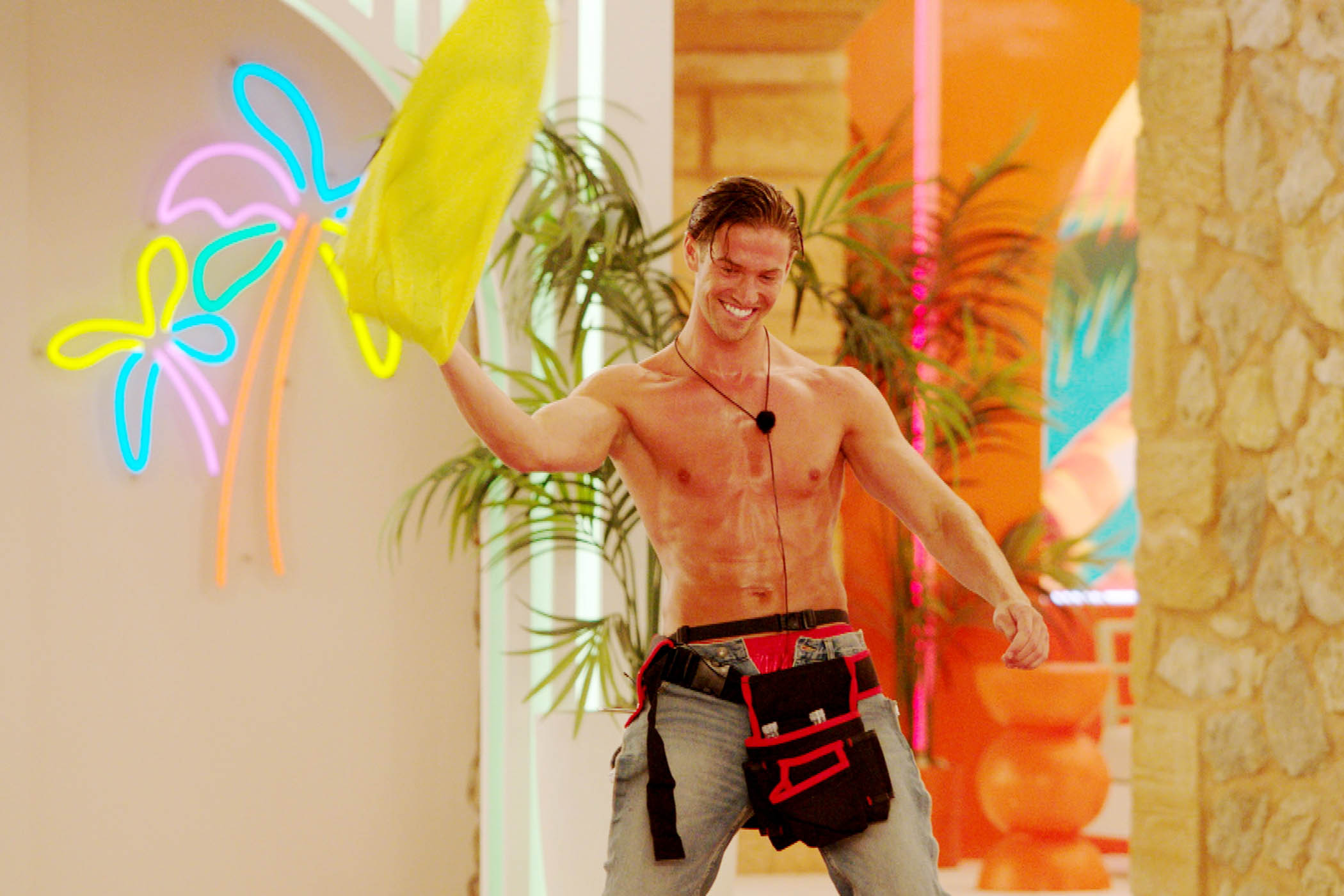
What’s love got to do with it? This thought fluttered through my mind like a neon-hued bikini top on a washing line as I perused the latest series of Love Island (ITV2/ITVX).
For the opener at the beginning of June, about 600,000 viewers initially tuned in: the lowest-ratings launch in the show’s history (though ITV later claimed a “consolidated” figure of 2.1 million), and a significant dip from its 2019 heyday of more than 6 million viewers (advertising slots would sell for kazillions). Not to mention, sociocultural relevance as deep and sticky as a vat of fake tan (cue the infamous 2018 statistic about more people applying for the dating show than for Oxbridge).
Rightly, people used to get angry about Love Island, not least about the suicides connected to the show (contestants Sophie Gradon and Mike Thalassitis, and presenter Caroline Flack). Or during the grubby period when islanders were shown having sex under bedsheets, or the invasion of the influencer body snatchers, robotically posing and pouting to rack up their social media follower counts.
These days, calamitously, people aren’t angry any more: Love Island is just – meh – there. Has the series that popularised “the ick” started giving viewers, well, the ick?
It may be resolutely careerist and profoundly irritating (must they yell: “I got a text!” every time, like swimsuit-clad town criers?), but it’s as watchable as ever
It may be resolutely careerist and profoundly irritating (must they yell: “I got a text!” every time, like swimsuit-clad town criers?), but it’s as watchable as ever
The new season, based in Mallorca, has the requisite ingredients; the fire pit, where contestants assemble to “couple up” or be banished – cast out! – like bronzed leprosy patients; the well-named infinity pool, which the camera-ready islanders take an infinity to get into; and the terrace, where kisses are exchanged and relationships legitimised (“closed off”) with as much erotic charge as a health and safety pamphlet.
The villa is still, at times, like an Instagram career convention. There are still too many males exuding all the charisma of snapped swimming trunks elastic. An exception is Lorenzo, who reclines on the day beds like a lazy lion with a subversive glint in his eye. The women are, as always, superior: Jasmine, fuming at any perceived disrespect, and Mica, skipping around as if she is the star of an Audrey Hepburn movie. But, thus far, it’s Angelista’s graceful, silent tears over the betrayal by her man Simba (who failed to persuade Mica to share his bed), and her refusal to pretend it didn’t hurt, that delivered the most human moment.
That’s the odd thing about this new series of Love Island. It may be resolutely careerist (full of nubile strivers with their eyes on the influencer prize) and profoundly irritating (must they yell: “I got a text!” every time, like swimsuit-clad town criers?), but it’s as watchable as the show was at its zenith. And the new nightly ITV2 podcast aftershow, The Debrief, hosted by former contestants Toni Laites, Shakira Khan and Yasmin Pettet is sharp and funny, with the presenters operating as a kind of balcony-bra-wearing coven who take no prisoners.
It could be that the dating show and romance genre has stalled; even the Married at First Sight UK juggernaut came off the road after serious sexual assault allegations.
Last week saw the return of the BBC Three’s I Kissed a Girl, the queer dating show set in an Italian farmhouse that alternates each series between gay women and gay men (I Kissed a Boy). It’s flamboyantly hosted by Dannii Minogue and, from the three episodes of 10 I’ve seen, it remains a hoot: honest, naughty, touching, indisputably horny and mercifully free of influencer-hustler overkill. Nevertheless, this series will be the last: the I Kissed a … franchise has been cancelled.
What’s going on? Maybe it’s less about mega brands such as Love Island glumly sliding into the ratings skip and more about shifting trends. Has the viewing public simply wearied of playing the voyeur, watching others fall in love (and lust) in the sun?
Newsletters
Choose the newsletters you want to receive
View more
For information about how The Observer protects your data, read our Privacy Policy
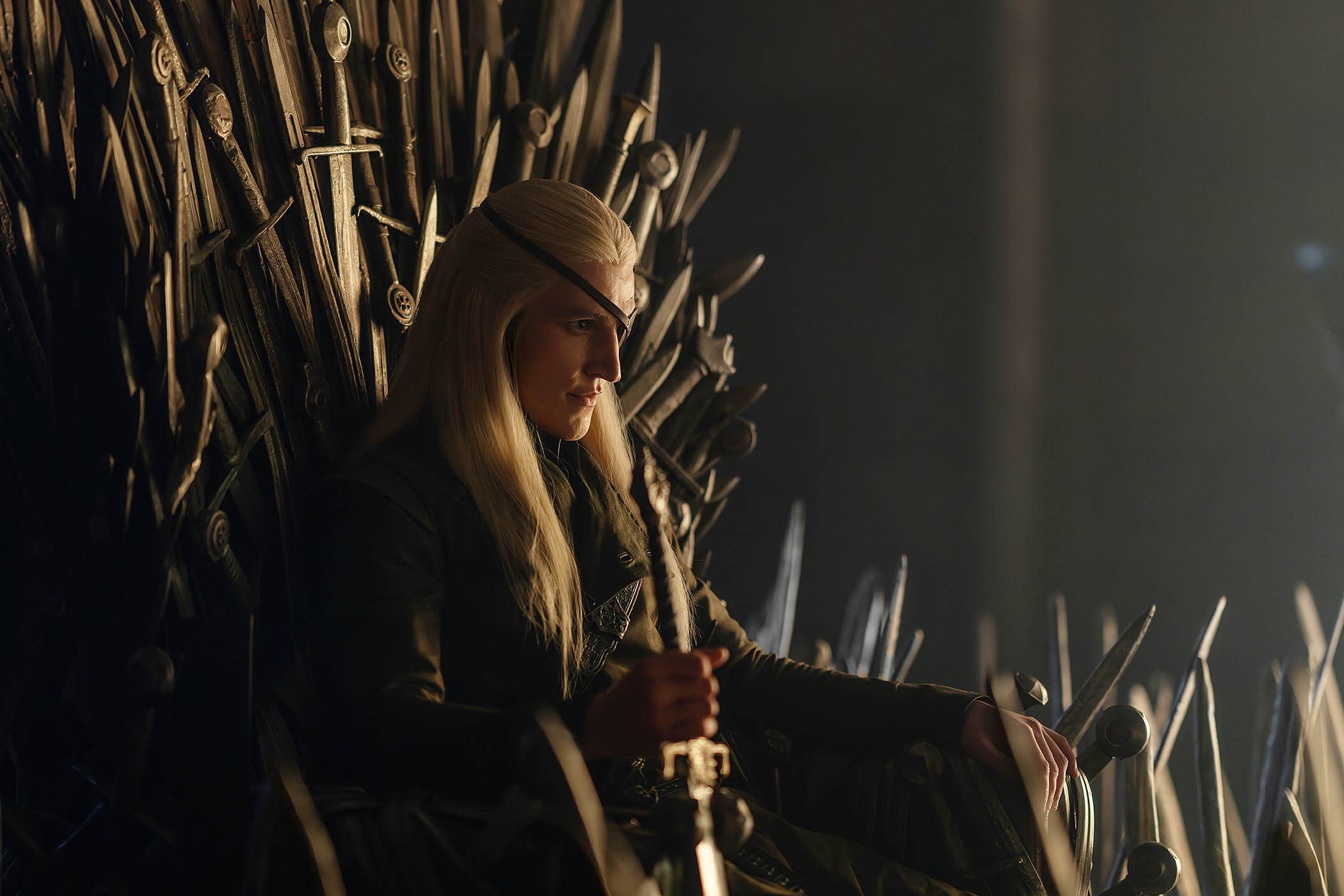
Ewan Mitchel stars as Aemond Targaryen in House of The Dragon
The fantasy genre saw the return last week of a big hitter, Sky Atlantic/Now’s House of the Dragon. The first series of the Game of Thrones prequel resonated as a clever, nasty medieval-era Succession, while the second run started well then fizzled (too many interchangeable bearded characters solemnly plotting in dark Westeros corridors). Earlier this year, the understated, dragon-free A Knight of the Seven Kingdoms – also based on a George RR Martin tale – proved a lo-fi treat.
Were fantasy audiences succumbing to dragon fatigue? Not just yet. Ryan Condal’s new eight-part House of the Dragon (based on Martin’s Fire & Blood) may have been criticised by the author, who claims he was sidelined from production, but the dragons appear to have their mojo back.
The first dragon-strewn episode, depicting an epic sea battle, is all smoky, fiery tumult. From there, in the four episodes available for review, there’s everything from an incestuous kiss between the dastardly, one-eyed Aemond Targaryen (Ewan Mitchell) and his mother Alicent Hightower (Olivia Cooke), to grisly violence (spears dripping blood, decapitated heads) and, as ever, the plotting and politicking that gives the show its heft.
There’s still no female character to rival Game of Thrones’s Cersei, but Dowager Queen Alicent and Queen Rhaenyra Targaryen (Emma D’Arcy) excel as frenemies bonded in desperation. Matt Smith is magnificent in the role of Daemon, Rhaenyra’s husband (and, ahem, uncle), wielding a blackly comic touch: “Keep talking and I’ll relieve you of your cock before your head just for the fun of it.” As the warrior Ormund Hightower, an inscrutable James Norton slithers into the cast as potentially the show’s most twisted character yet.
It’s overly wordy at times; there’s long been a Shakespeare-on-the-cheap element about Westeros. And when it comes to flying dragons, it appears expensive CGI still can’t prevent those perched on top from looking like Lego figures. But, still, this third season delivers an intriguing treatise on politics and destiny, with the dragons – signifying power, absolute and corrupt – at the centre. When it comes to this franchise, there’s life in the old fire-breathers yet.
Photographs by Lifted Entertainment/ITV, HBO/Sky