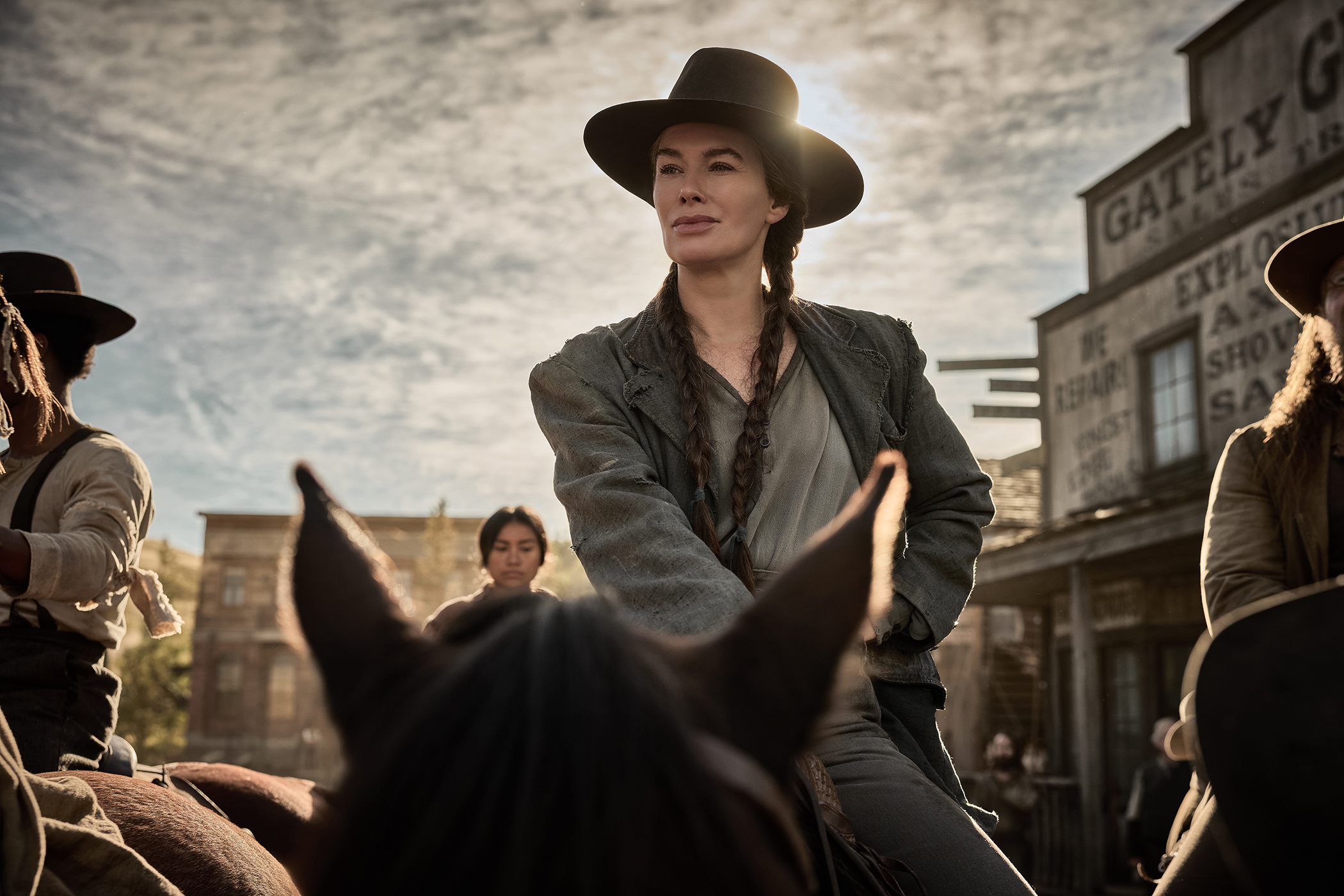

Has the modern gothic western peaked? There’s been a resurgence in recent times: The English, American Primeval and more, all dealing in guns, grit, land and blood on the prairie. Now there’s The Abandons on Netflix, a US frontier saga set in 1850s Washington territory. Gillian Anderson (seen recently in the Troubles drama Trespasses) plays Constance, a ruthless, moneyed landowner with three children and a failing silver mine. British actress Lena Headey (Cersei from Game of Thrones) is her adversary Fiona, a God-fearing Irish ranch owner who, being infertile, has gathered orphans and outcasts around her.
The stage is set for a grim, hard-cursing battle between widowed matriarchs, but it misfires. Kurt Sutter (creator of the biker odyssey Sons of Anarchy) wrote The Abandons but withdrew over “creative differences” (reportedly about overlong episodes). Under Otto Bathurst’s direction, an eventful start – cattle-rustling, sabotage, rape, pitchforks – establishes the women’s rivalry and enmity. Parenting is a prominent theme. “It’s a thankless endeavour, motherhood,” snaps Constance, who taunts “barren” Fiona.
The seven episodes pound by like a runaway horse. There are bandit shootouts and clandestine love affairs. A female character gratuitously plays the piano naked and a dominatrix storyline sprouts out of nowhere. You appreciate the efforts to spice things up, but where’s the actual story? It doesn’t help that I can barely keep track of which progeny belongs to which family – it’s as if the Von Trapps have been reimagined in bullet-riddled Stetsons.
While the relationship between Constance and Fiona is crucial, for all their snarling and squaring-up – at one point they amusingly brawl together in the dust – it never quite makes sense. Anderson does little, bar look icy and furious. Headey’s Irish accent is so overblown as to make her only occasionally intelligible. For all the death and mayhem, there’s something soapy and silly – which is to say insubstantial – about The Abandons. Check in if you fancy Dynasty on horseback.
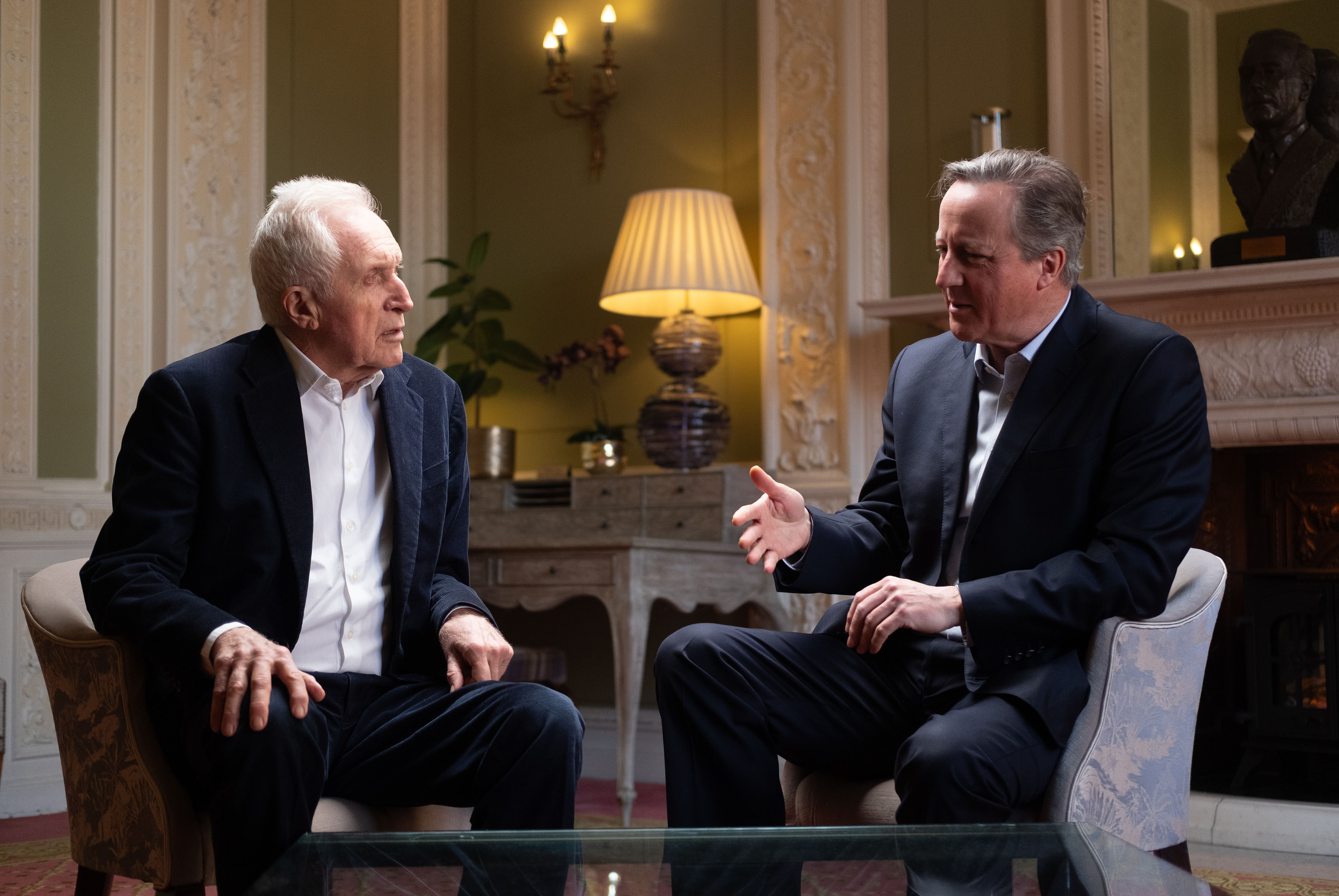
‘An impressive roster of interviewees’: David Dimbleby and David Cameron in What’s the Monarchy For?
Most would consider David Dimbleby a key chronicler of royal life; he’s spent a considerable chunk of his lengthy broadcasting career presenting BBC coverage of regal funerals, weddings and jubilees. In the BBC One docuseries What’s the Monarchy For? he rips off the muzzle and … politely asks pointed questions. The first episode deals with power, starting with the soft power of Keir Starmer’s mollification of Donald Trump with a second royal invitation. Footage of various prime ministers – Tony Blair, David Cameron et al – plodding in like bashful schoolboys to see the queen each week is always good value. The line of questioning is sound – what influence does royalty exert? – but Dimbleby goes on too long about the king’s lobbying letter-writing and makes weak points. Why include the queen agreeing to prorogue parliament during Brexit, when all admit she had no choice?
The second episode is sharper, delving into the many taxes the royals still swerve, and rootling through their staggering wealth reserves. The third and final episode examines “ruthless” royal control over public image, and scandals such as the disgrace of the former Prince Andrew’s association with Jeffrey Epstein. Dimbleby doesn’t get off scot-free, however: the son of Richard and brother of Jonathan is challenged a few times about the inherent privilege of his surname.
An impressive roster of interviewees includes Cameron, George Osborne, former BBC director-general Greg Dyke and Private Eye editor Ian Hislop, the last of these terming royalty “the ultimate soap”. It’s delicious to wonder if Dimbleby was secretly thinking mutinous thoughts as he rhapsodised into his microphone about regal processions and the like. The veteran broadcaster is certainly in a spirited mood here. Watching Jonathan’s 1994 interview with Charles over the breakdown of his marriage to Diana, David comments: “If I’d have been Charles, I’d want to say: ‘Fuck off!’” Blimey. A different age of Dimbleby indeed.
Anna Hall’s two-part Channel 4 docuseries The Sycamore Gap Mystery tells the strange, dispiriting story of the unlawful chopping down of the Sycamore Gap tree in 2023. Situated by Hadrian’s Wall in Northumberland and estimated to be about 130 years old, the picturesque landmark featured in the 1991 film Robin Hood: Prince of Thieves. The crime shook the nation: here, people describe it as a “murder”. One man says: “You’re talking about psychopaths.” After they’re eventually caught, the guilty men – Daniel Graham and Adam Carruthers – are shown during police interviews, all folded arms and faux-blase body language. Found guilty of criminal damage to the tree and Hadrian’s Wall, they were sentenced to four years and three months apiece, but they won’t serve it all.
This is an engrossing study of national mourning. Some may consider the outpouring of grief an overreaction, but a mobile video taken by the perpetrators on the night – darkness, chainsaws, the tree cracking – is horrible: pointless pastoral vandalism. Watching it, you just feel weary – isn’t Britain allowed anything nice?
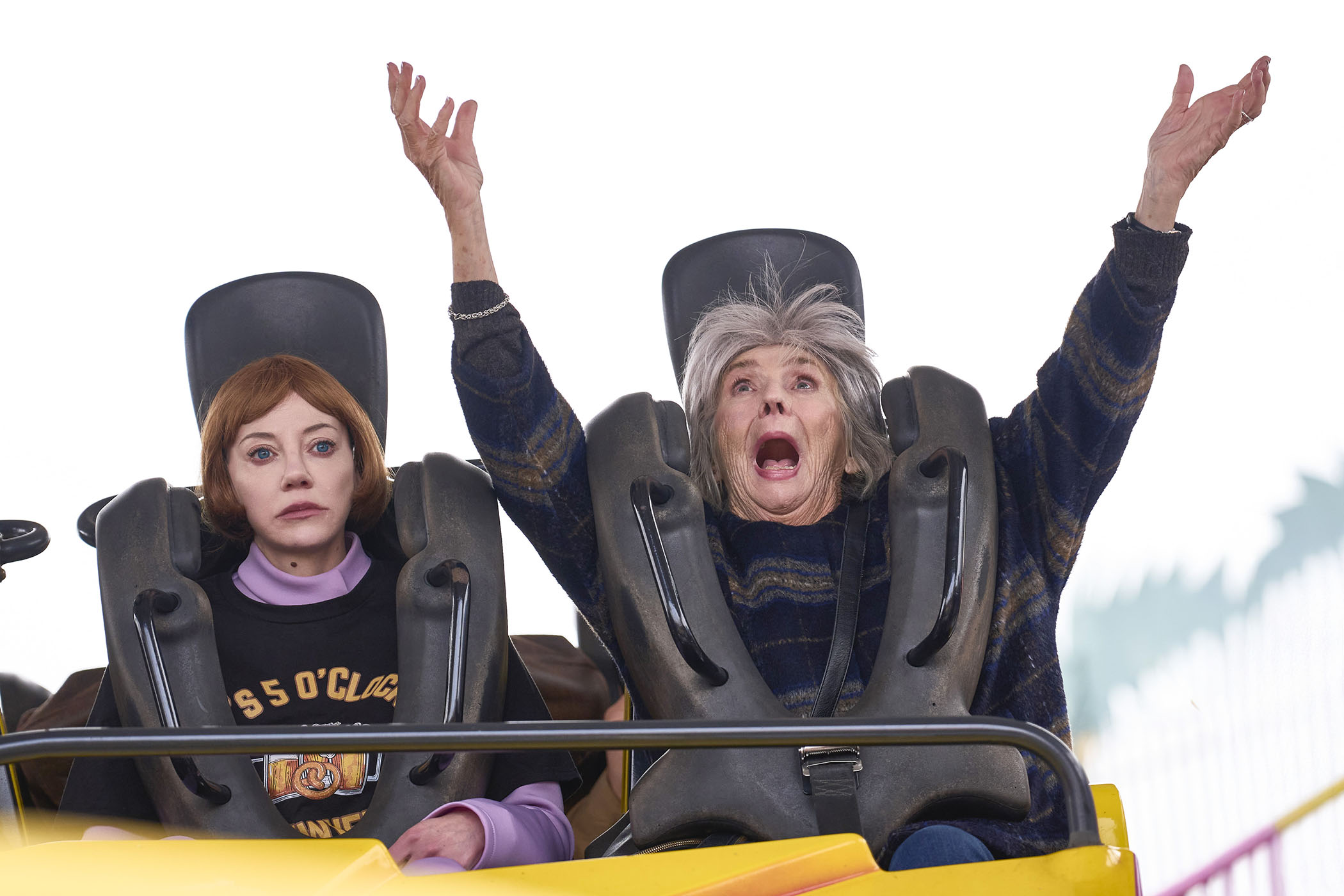
Five episodes into an eight-part run and Rachel Sennott’s I Love LA is still sizzling with generational brio. Sennott (Shiva Baby, Bottoms) plays Maia, who’s trying to mastermind the haphazardly lucrative influencer career of her friend Tallulah (Odessa A’zion, who is soon to appear in the Timothée Chalamet film Marty Supreme). Josh Hutcherson is Maia’s norm-core boyfriend; Jordan Firstman is a standout as a celebrity stylist; True Whitaker (daughter of Forest) effects a meta turn as a ditsy nepo baby; Leighton Meester plays Maia’s fake-smiley boss; and The Bear’s Ayo Edebiri is a ghastly client.
Newsletters
Choose the newsletters you want to receive
View more
For information about how The Observer protects your data, read our Privacy Policy
You can see why there’s growing excitement about the show. It isn’t quite Girls restaged in La La land, but it does have the former in its DNA. It is populated by drawling, eye-rolling brats, who turn self-obsession into an artform and indulge in empty bonding – “We’re both in power couples!” – vacuous hustles and everyday chaos: “To show him you’re not messy, you stole a dress?” Nevertheless, real emotions – love, anxiety, friendship – are allowed to intrude. I Love LA works because it remembers that darkness needs light. These little monsters are human enough to root for.
Photographs by Netflix/BBC/The Garden