As Russian troops massed on the Ukraine border four years ago, President Volodymyr Zelensky dispatched his top general to the US on an urgent mission.
Zelensky needed Javelins and Stingers – powerful weapons to stave off the looming Russian invasion. The response he received stunned him. “Dig trenches,” America’s most senior general advised him, as Zelensky recalled in a recent speech. It was a sign of the overwhelming odds that Ukraine would face in the struggle against a neighbour bent on its destruction.
Four years on, progress on the battlefield is measured in metres. But the war is less about land than survival. “At this point, the very existence of the Ukrainian state – with ironclad security guarantees, with EU and Nato membership – is a victory for Ukraine, and for Europe,” said Arseniy Yatsenyuk, who was prime minister of Ukraine when Russia first annexed part of its territory in 2014.
As efforts to end the war intensify, there is little if any room for compromise. In a struggle viewed as existential by both sides, the price of continuing to fight has yet to outweigh the costs of accommodation.
‘There is only one way to raise the cost for Putin: to have Europe and America on the same page, which I don’t see right now’
‘There is only one way to raise the cost for Putin: to have Europe and America on the same page, which I don’t see right now’
Arseniy Yatsenyuk
Russia’s demand that Ukraine withdraw from a swath of its own territory in the east of the country has emerged as the main sticking point in talks. Vladimir Putin wants much more than the Donbas; he seeks to subjugate Ukraine and prevent its integration in the security architecture of the west.
“The problem is that they want too much and no one can deliver it – neither Ukraine nor Trump,” said Tatiana Stanovaya, a senior fellow at the Carnegie Russia Eurasia Center.
Depleted and under pressure from the Trump administration, Ukraine’s leaders no longer insist on retaking the territories that Russia has occupied since 2022, let alone restoring borders to where they were when Ukraine gained independence during the Soviet Union’s collapse. But Ukraine is unwilling to give up territory that Russia has failed to capture militarily, least of all without concrete security guarantees to insure against future attack. Yet the kind of insurance that Kyiv seeks is an impetus for Russia to keep fighting.
For Ukraine, ending the war could not be more urgent. Beyond territorial losses, it has gutted society. More than 10 million people have been displaced and reconstruction needs exceed $500bn – a level of devastation unseen since the second world war. As the full-scale invasion enters its fifth year, Ukraine has both the highest death rate and lowest birthrate in the world.
“If this war continues for very much longer, Ukraine is on a path to destruction or becoming a dysfunctional, ineffective rump state – depopulated, in a demographic crisis without an ability to reconstruct itself,” George Beebe, a former director of the CIA’s Russia analysis and director of grand strategy at the Quincy Institute, said in a recent panel discussion.
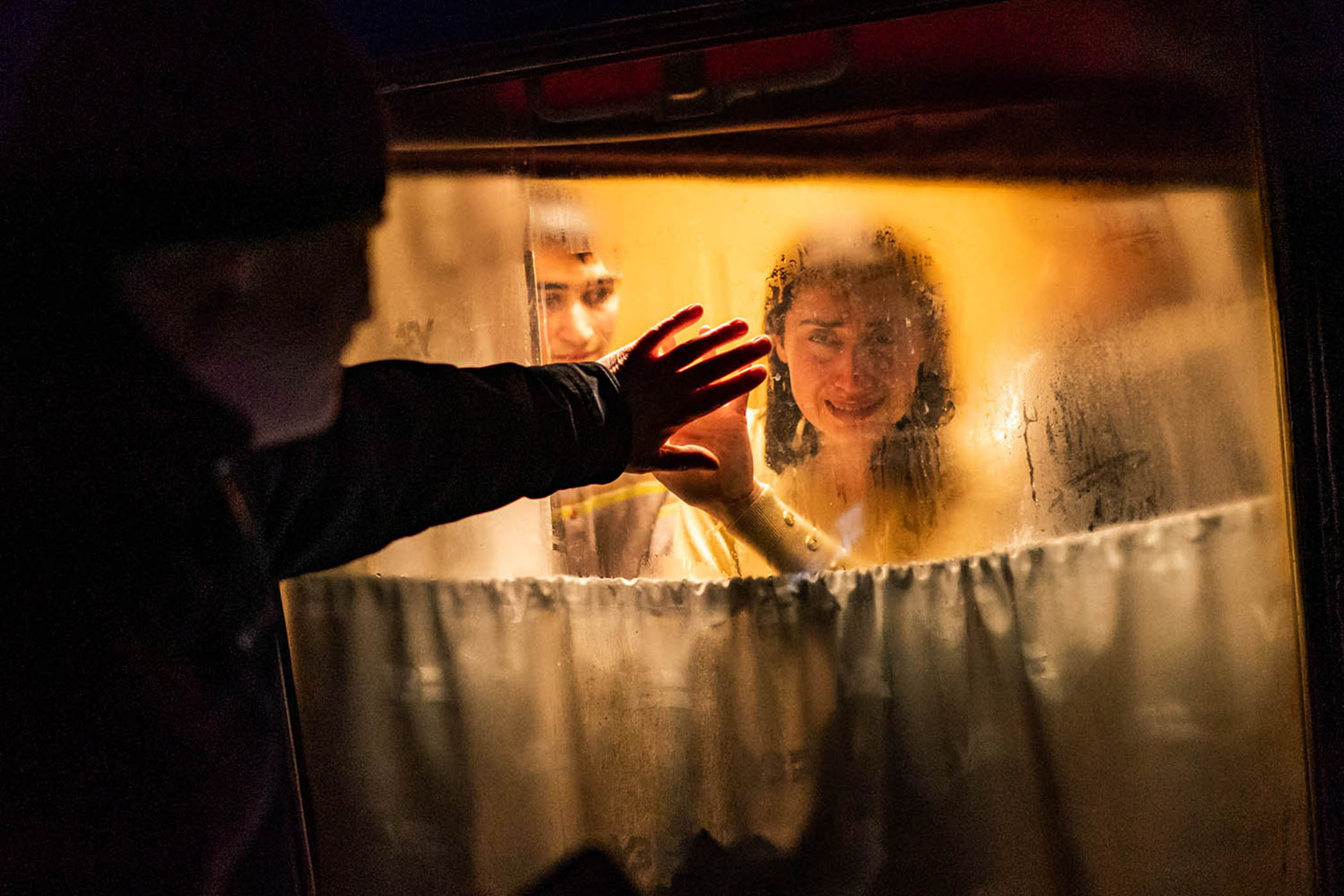
A man says goodbye to his wife and children as they board a train to flee the violence in Odessa
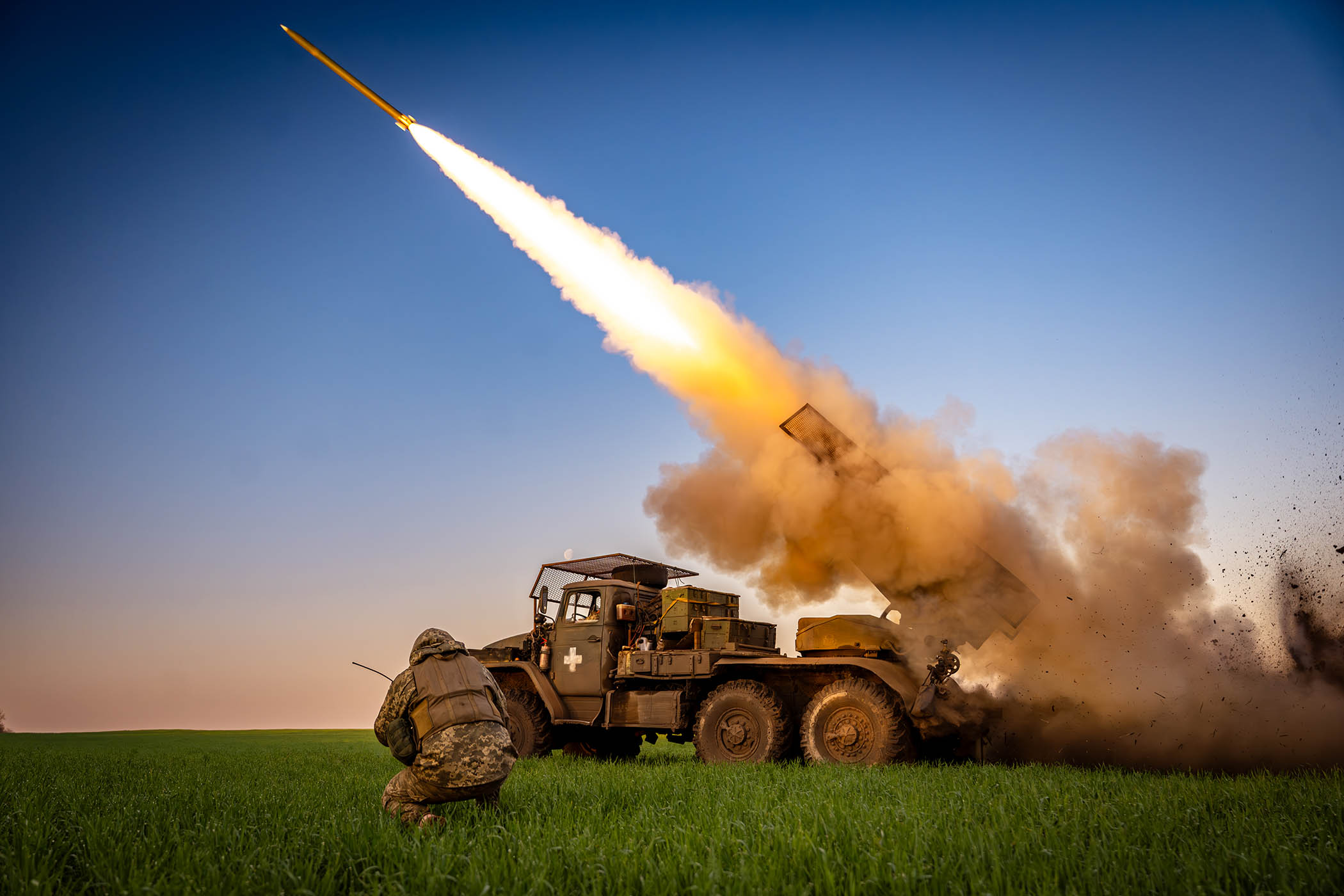
Kyiv and its allies still believe they can end the war on favourable terms by raising the costs for Moscow. On the battlefield, Ukraine has offset Russia’s advantages in manpower and industrial capacity with drones and western-supplied precision weapons, resulting in a grinding war of attrition. The invasion has already lasted longer than the Great Patriotic War – when Soviet forces drove Nazi Germany back to Berlin – and the Russian army is still struggling to take full control of the eastern mining town of Pokrovsk. “If you put a garden snail on the border of Ukraine on 24 February 2022, it would have reached the frontline by now,” said Norway’s defence minister Tore Sandvik in an interview with The Observer on the sidelines of a security conference in Munich. “I don’t think we can change Putin’s ambitions but we can change his calculus.”
Newsletters
Choose the newsletters you want to receive
View more
For information about how The Observer protects your data, read our Privacy Policy
For Ukraine, the imperative is clear: to kill and maim more Russian soldiers than the Kremlin can recruit. Russia mobilises about 40,000 people every month, not all of whom reach the frontline, says Zelensky. Last month, Ukraine killed or wounded 30,000 and the aim is to increase that to 50,000. “Even for Russia, that would be serious. I’m sure,” he said.
There are signs that Moscow is finding it harder to replenish its ranks. Among soldiers taken prisoner by Ukraine are a growing number of men from countries including Bangladesh and Kenya, who claim they were tricked into fighting.
“I think Russia has hit its high watermark, and the longer they go, it’s going to degrade,” said Kurt Volker, a former US ambassador to Nato who was special representative for Ukraine negotiations from 2017 to 2019.
Beyond the battlefield, Kyiv’s partners say more can be done to help Ukraine inflict damage on Russia’s defence industry and the wider economy. Greater efforts are needed to prevent companies delivering western technology to Russia, particularly in the oil and gas sector, Sandvik said. European countries are considering seizing oil tankers linked to Russia’s shadow fleet to squeeze the Kremlin’s main source of revenue.
‘For Putin, this war is so existential that he will find ways to mobilise the maximum resources he can’
‘For Putin, this war is so existential that he will find ways to mobilise the maximum resources he can’
Tatiana Stanovaya
While the Trump administration has halted direct weapons supplies to Kyiv, it has imposed sanctions on Lukoil and pushed India to cut back on imports of Russian crude, which fell to their lowest level in January since late 2022.
“While the Americans sincerely told us that, once the Ukraine issue has been settled, we can begin mutually beneficial cooperation, for now they have been trying to force us out of global energy markets,” Russia’s foreign minister Sergei Lavrov said in an interview with Al Arabiya.
European countries have stepped up to arm Ukraine. But military allocations from all partners worldwide last year were 4% lower than in 2022 – the lowest since the start of the war, according to Kiel. And growing strains in the relationship between Europe and the US will only strengthen Putin’s conviction that he can outlast Ukraine's ability to keep fighting.
“There is only one way to raise the cost for Putin: to have Europe and America on the same page, which I don’t see right now,” said Yatsenyuk.
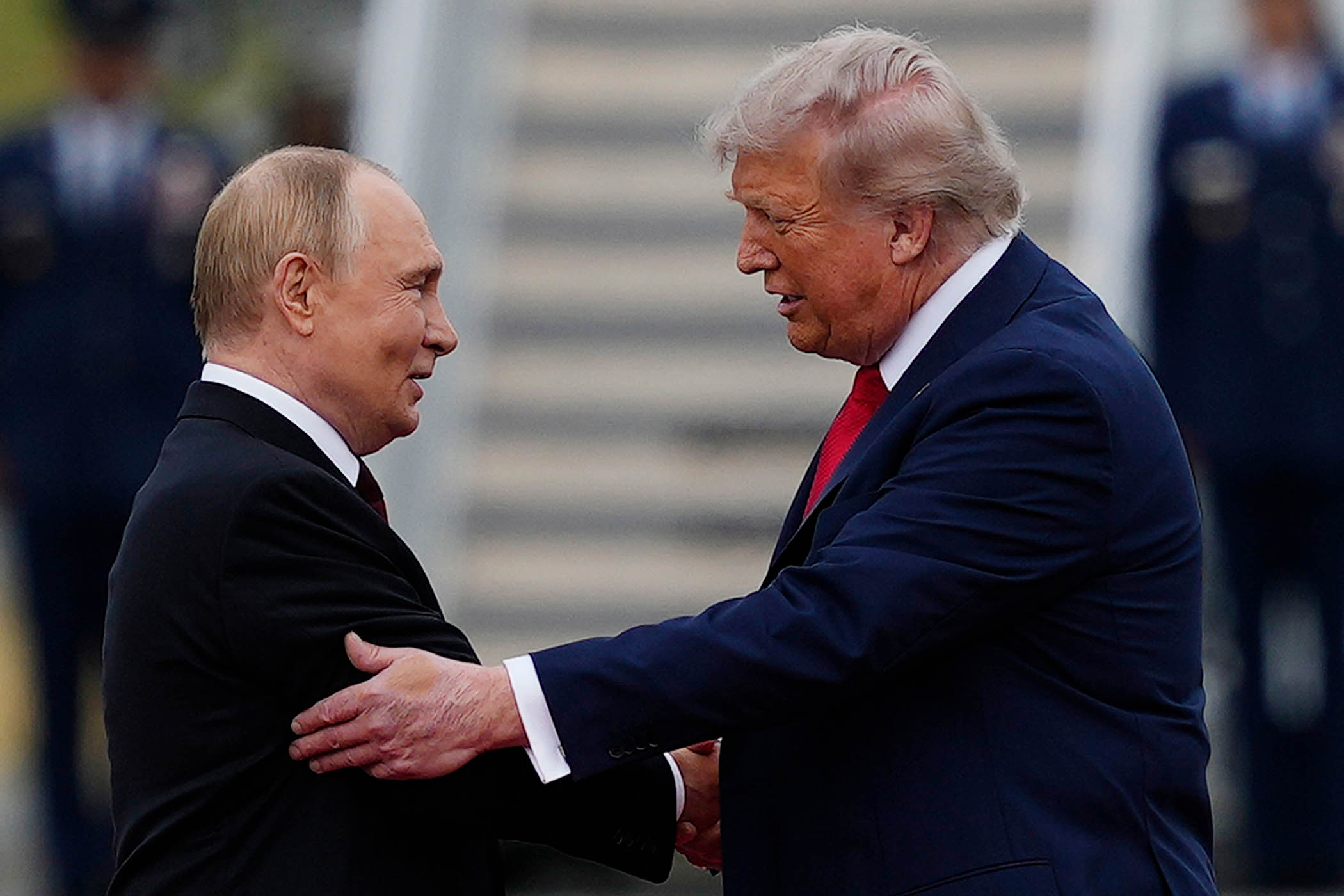
Putin has exploited Trump’s impatience to end the war by pressuring Ukraine to make concessions. Russia can still count on support from regimes like North Korea and companies across the world – many of them from China – that bypass sanctions to provide components for its weapons and missiles.
Whatever the costs, Putin is unlikely to change course unless there is a major political shift in Russia, or a willingness on Europe’s part to get more directly involved in the conflict, despite the risk of nuclear escalation.
“For Putin, this war is so existential that he will find ways to mobilise the maximum resources he can,” said Stanovaya. “As long as he remains capable of thinking and in decent health… and he controls the situation in Russia, I don’t see anything that can change his calculus.”
US Secretary of State Marco Rubio recently admitted it wasn’t clear that Russia is serious about negotiations. The latest talks in Geneva broke up last week with little sign of progress. Even if they eventually yield a temporary ceasefire or partial deal, a comprehensive and durable settlement is perhaps more distant than ever.
“I don't believe there will ever be a peace agreement,” said Volker. “I don't believe Vladimir Putin will ever accept that there is an independent and sovereign Ukraine.”
Photograph by Julia Demaree Nikhinson/AP, Salwan Georges/The Washington Post via Getty Images