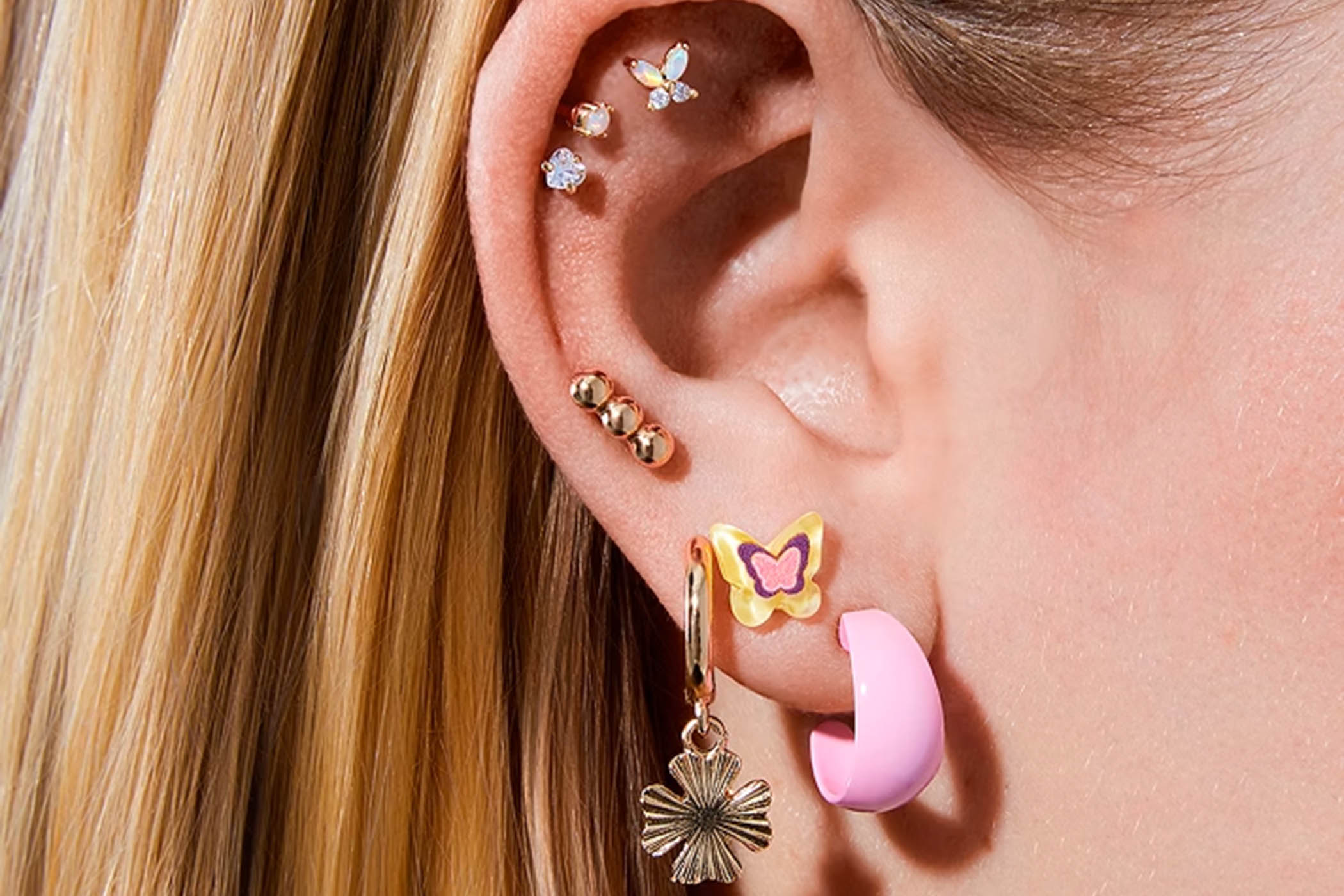


On Monday, Emma Cottingham, 21, closed the doors of the Northampton branch of Claire’s for the last time. In a TikTok video that has amassed more than 460,000 views, the once brightly coloured shelves, a spectrum of tween, pop-girly hues, were bare. All standalone Claire’s stores across the UK and Ireland ceased trading on 27 April 2026 after the company fell into administration for the second time in a single financial year.
For many millennials and gen Z consumers, the news has triggered bouts of nostalgia. But within the retail and youth marketing industries, the collapse has been less surprising. Claire’s, once a staple of the high street for pre-teen self-expression, struggled to maintain relevance with a new consumer, gen Alpha.
Born between 2010 and 2024, gen Alpha is reshaping the retail landscape at pace. A 2025 report by the digital marketing and technology agency Razorfish found that 68% of children in this cohort own a luxury product by the age of 10, half of them receiving their first luxury item at an earlier age than their older siblings. This early exposure to premium goods signals a significant shift in expectations, one that legacy brands such as Claire’s have found difficult to meet.
Unlike previous generations, gen Alpha has been raised entirely in a digital-first world. From early childhood, they are immersed in influencer marketing, aspirational branding and aesthetics traditionally associated with older age groups. About 49% trust influencers as much as family and friends when making purchasing decisions, underscoring the growing importance of brands embedding themselves in the digital sphere on TikTok and Instagram.
Beauty brands such as Glossier and jewellery labels such as Astrid & Miyu understand that the physical shop and online experience go hand in hand. Tilly Woodford, senior strategy executive at the Goat Agency, an influencer marketing agency that specialises in gen Z, says that Glossier “is basically made for content”, its stores designed to be photographed and the snaps posted online by its shoppers, something that, she notes, “matters hugely to younger consumers who treat retail spaces as social spaces”.
Claire’s digital strategy failed to cut through in this environment. Louise Whitbread, a beauty editor and trend forecaster, suggests that while a stronger online presence may not have been enough to save the brand outright, “it would at least have kept the brand more visible and relevant”.
At the same time, the mechanics of shopping itself have changed. According to Sam Clough, global head of youth trends and insight at SuperAwesome, a "kidtech" company that works with companies such as Roblox and Nickelodeon to manage safe digital interactions, 69% of children aged nine to 16 now have their own debit card. And in the UK, children with a card are 50% more likely to shop online, compared with 22% without one. The spontaneous purchases that defined a Saturday trip to Claire’s can now happen anytime, anywhere, and, increasingly, they do.
49% of gen Alpha trust influencers as much as family and friends when making purchasing decisions
49% of gen Alpha trust influencers as much as family and friends when making purchasing decisions
Matt Smith, a data and consumer trends consultant and co-author of GWI’s Gen Alpha report, told The Observer: “The purchase journey, from research to transaction, is now done primarily online, so if the in-store experience does not provide a suitable value proposition, traditional retailers will be left behind.”
Yet the story of Claire’s decline also reflects a broader shift in taste and values. Long known for its inexpensive, plastic-fantastic jewellery, the brand faced a growing disconnect with a generation more attuned to sustainability and quality. Reselling platforms such as Vinted are on the rise; last year the company’s revenue increased by 38% from the previous year, resulting in £1bn in sales, and roughly 65% of its users are under the age of 35. Whitbread notes that successful tween brands today must appeal not only to young consumers but also to their parents. “Safety, sustainability or formulation appropriateness simply weren’t part of Claire’s brand narrative,” she says.
Alongside this, spending is shifting away from accessories and towards beauty and skincare. The child skincare market is expected to reach £282m by 2028, and 58% of tweens receive skincare products as gifts, often from friends and family. Brands such as Drunk Elephant, Sol de Janeiro and Byoma now carry what Whitbread describes as “cultural capital”, signalling how beauty has become a key status marker for younger consumers.
Newsletters
Choose the newsletters you want to receive
View more
For information about how The Observer protects your data, read our Privacy Policy
There has also been an aesthetic shift. Priya Raj, a jewellery and lifestyle writer, points to a move away from the “cute, kitschy” style that defined Claire’s toward a more pared-back “clean girl” look. TikTok, she argues, has accelerated this transformation, compressing trend cycles from monthly to near-daily changes. In this environment, only online-first retailers such as Bijoux De Mimi and Sephora have the agility to keep up.
For Cottingham, however, Claire’s was more than a struggling retailer. Having been a customer, she joined the Northampton store only eight months ago to help create a safe, expressive space for young people. Through the shop’s TikTok account, she showcased new products and promotions, steadily building an online following. Still, it wasn’t enough to alter the whole company’s trajectory.
She is one of more than 1,300 employees across the UK and Ireland who have lost their jobs, although a French entrepreneur has announced plans to reopen as many as 50 shops from June onwards. Julien Jarjoura, said he had the blessing of the US owner of the Claire’s brand, Ames Watson, to open shops in the UK and was signing new leases with UK landlords.
Reflecting on the closure, Cottingham told The Observer: “I will miss my wonderful job, but I will miss the space these young people had to express themselves more.”
Photograph courtesy Claire’s