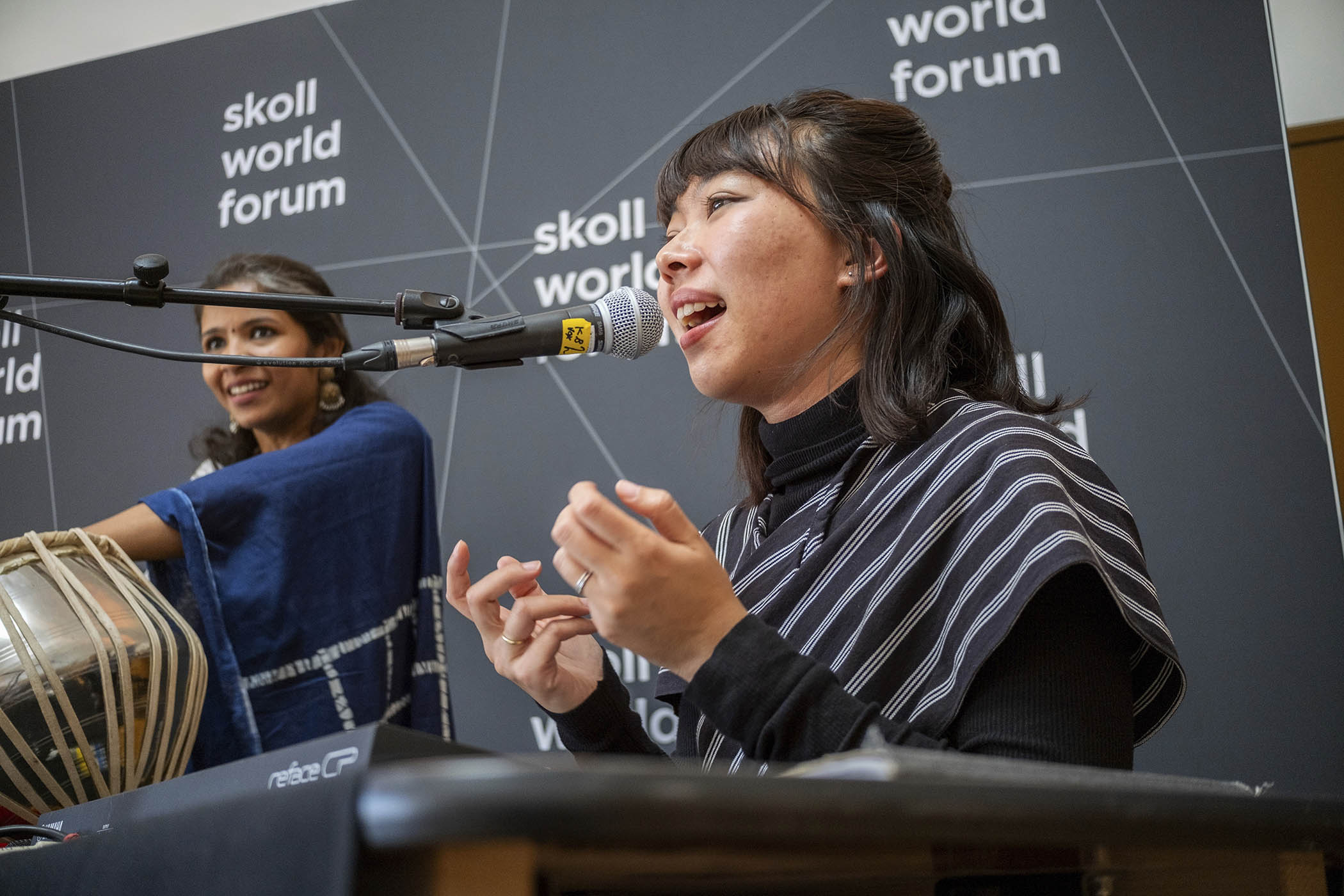


Davos for Good, as the Skoll World Forum is sometimes called, takes place this week in Oxford, as it has annually since 2004. About 1,500 social entrepreneurs, philanthropists and other “change makers” will gather under the theme of “regeneration” at a moment when efforts to build a more just and sustainable world are being hit by the slashing of aid budgets and a backlash against “woke capitalism”.
Social entrepreneurship, whose best-known practitioner remains micro-finance pioneer Muhammad Yunus, is a bottom-up, innovation-driven approach to change inspired more by Silicon Valley’s startup ecosystem than by Oxfam-style charity and activism. Jeff Skoll, the billionaire who launched the eponymous forum, made his money as employee No 1 of eBay, which grew rapidly from startup online secondhand store into a giant global marketplace. Could organisations created by social entrepreneurs be similarly scaled up?
Though yet to build anything close to the size of eBay, social entrepreneurship has helped drive the rise of social enterprises around the world. There are now more than 10m, generating economic value of about $2tn and employing more than 200m people, and spreading especially fast in Africa, more than half of whose 2m social enterprises are led by women. Another indicator of success is the 10,000 profit-with-purpose B Corps now doing business worldwide (more in Britain than any other country).
The current crisis may yet prove an opportunity to further accelerate the rise of social entrepreneurship, especially in developing economies. No longer dependent on the now-shrunken aid-industrial complex, with its bias to big top-down projects led by expensive foreign consultants, such governments are likely to be more open to cheaper, bottom-up innovations led by locals. A hot topic in Oxford this week should be how to develop ecosystems of innovative finance and supportive government policies so these social entrepreneurs can succeed.
Photograph by Vickram Sombu/AP Photo
Newsletters
Choose the newsletters you want to receive
View more
For information about how The Observer protects your data, read our Privacy Policy