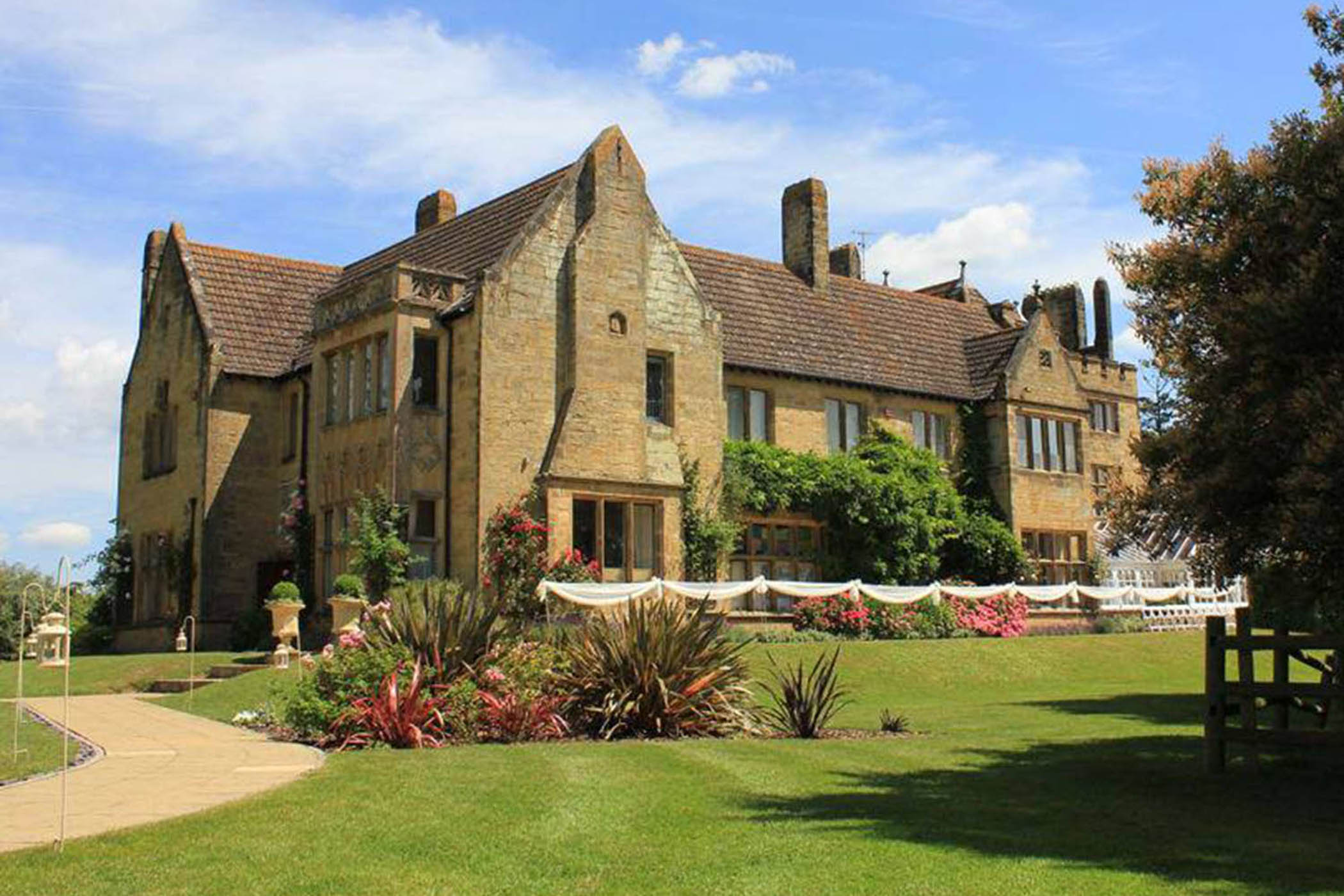
In November last year, a new independent school was officially opened in an imposing Victorian mansion set in 28 acres of parkland in Kent, with annual fees for day pupils of up to £104,000 a year.
Hilden Park is among several new independent schools across the country that are targeting local councils as their key clients, rather than affluent families. The schools are helping to meet the mounting need for support for children with special educational needs and disabilities (Send).
The Lib Dems have accused some providers in the sector of profiteering and want an investigation by the Competition and Markets Authority. The market in England for independent school provision for children with Send could be worth £3bn by 2029.
Munira Wilson MP, the Lib Dem education, children and families spokesperson, said: “It is astounding that private equity companies are making huge profits from a system that has left families desperate for the very basic level of support their children need.”
The independent providers deny any profiteering.
Private equity funds and international investors have been attracted to the sector by the almost guaranteed income streams and potential to “roll up” multiple businesses. Its profit-producing pattern has already been made visible in veterinary practices, social care services and children’s homes.
Hilden Park, near Tonbridge, Kent, is operated by the Witherslack Group, one of the country’s biggest providers of specialist education, with 35 schools across the UK. Ultimately owned by the Abu Dhabi sovereign wealth fund, Mubadala, it has seen revenues grow from £35m in 2014 to £208m in 2024, with profits after tax of £44.6m.
‘It is astounding that private equity companies make huge profits from a system that has left families desperatefor basic support’
‘It is astounding that private equity companies make huge profits from a system that has left families desperatefor basic support’
Munira Wilson MP
While Hilden Park is rated “outstanding” by Ofsted, many MPs and families say the market is dysfunctional and requires urgent reform. The Observer has found councils are regularly paying more than £250,000 a year for individual places in independent schools, while other children cannot get the support they need.
In Kent, Reform took control of the county council in the May elections, with a pledge to cut costs. The challenges it faces reflect a crisis across the country, with the council paying more than £112m in 2024/25 for places in independent schools.
The council pays £90,000 a year for each place at Hilden Park. It paid total fees to the school of £720,000 in 2024/25. The council told The Observer it would support a profit cap on private operators.
Newsletters
Choose the newsletters you want to receive
View more
For information about how The Observer protects your data, read our Privacy Policy
Kent council also paid £9.1m in 2024/24 for 147 children to attend the specialist Heath Farm School, near Ashford in Kent, which is operated by Acorn Care and Education, part of the Outcomes First Group. Outcomes is majority-owned by a firm in the Cayman Islands and ultimately owned by the Rise Fund, which was co-founded by the U2 star Bono and is committed to positive social and environmental impacts. The fund says all UK taxes are fully paid in the UK.
The county also pays for children to go to Hill House School, near Lymington, Hampshire, where annual fees for each child can be more than £260,000 a year. The residential school is operated by Cambian Education, which is owned by CareTech Holdings. The firm also has extensive investments in the country’s care homes. The company was founded by Kenyan-born brothers Farouq and Haroon Sheikh. It is owned by a Jersey company, with the two brothers controlling shareholders. A spokesperson said Caretech is UK based and there were no tax benefits of it being controlled from Jersey.
The highest cost of a placement in 2024/25 for one child paid for by Kent council was at a charity-run school, with a cost of £385,888. The council says a very small number of children have highly complex needs, requiring specialist medical care and intensive staffing. Peter Read, an education consultant, who obtained the fees paid by Kent under freedom of information laws, said: “There are not enough publicly funded specialist school places, so local authorities have no option but to use private schools.”
Underpinning this explosion in demand is councils’ statutory obligation to secure appropriate education for every child with an education, health and care plan (EHCP) – including a legal duty to fund a specialist placement if no suitable state provision exists. Councils must pay for it, regardless of cost. A controversial accounting device introduced by government allows councils to record these deficits in a separate “dedicated schools grant adjustment account”, rather than in their main budgets.
More than 30,000 pupils in England attending specialist independent schools were paid for out of public funds in 2024/25, compared with 10,000 in 2015/16. It costs on average £61,500 to place a child in an independent special school for a year, compared with £23,900 for a state special school.
The total cost of Send provision in England is about £12bn, with many councils running up large deficits. More than 1.7 million pupils in England have special educational needs – nearly one in five. Those with complex needs may need to attend specialist rather than mainstream schools.
Aimee Bradley, who has three children with special education needs and founded The Send Sanctuary to advocate for families, said: “The whole system is broken. It needs to be revamped from the bottom up.”
A schools white paper is due to be published by the government early in 2026, setting out the plans for reform. Officials have described the Send system as “on its knees”. The government announced on Thursday a £3bn investment to create 50,000 new places for children with special educational needs in mainstream schools.
A spokesperson for the Witherslack Group said it had the highest proportion of outstanding schools in the sector. It said its pupils had complex needs, requiring high ratios of specialist teaching supported by clinical professionals.
The spokesperson said: “All of [our] UK profits have been reinvested in the firm’s UK operations to develop new schools, due to demand from local authorities. We are trusted by over 100 local authority partners and thousands of parents.”
The Outcomes First Group said false claims of profiteering undermined efforts to innovate and deliver quality education. A spokesperson said it had “publicly called for system reform”, including recommendations around how to introduce greater earlier intervention in mainstream provision, improve outcomes, and reduce costs for pupils with complex needs. It says the Rise Fund is committed to positive social impact, reflected in Ofsted inspections rating 99% of its school as “good” or “outstanding”.
CareTech said its profit margin was on average 5.3% over the last two years and any suggestion of profiteering was “wholly unjustified”. The firm said Hill House School was a nationally renowned specialist residential school, providing education, care and support around the clock, 52 weeks a year. The firm said it had 24 Send schools in England, but has not expanded the network over the last decade.
Beverley Fordham, Kent county council’s cabinet member for education and skills, said Kent was committed to delivering the best outcomes for pupils with special educational needs, with two new special schools planned in Kent to increase capacity in the state-funded sector.
She said: “We are transparent about our spending and the challenges we face. However, systemic issues make this a national problem that requires national solutions. We will continue to work constructively with government partners, families and Kent’s local parent carer forum to achieve sustainable reforms.”