
By Elon Musk’s own admission, 2008 was “the worst year of his life”. He’d filed for divorce with his first wife, Tesla was burning cash and close to bankruptcy, and the first three rocket launch tests at his other company had all failed.
It was through a chance meeting at a friend’s wedding that the company, SpaceX, survived. Peter Thiel had replaced Musk as CEO of PayPal in a boardroom coup eight years before, but after the two men reconciled that August, Thiel emailed his investment team advocating for an initial $5m investment in the struggling rocket company. “Part of my thinking was that it would be a way to patch things up from the PayPal saga,” Thiel later recounted.
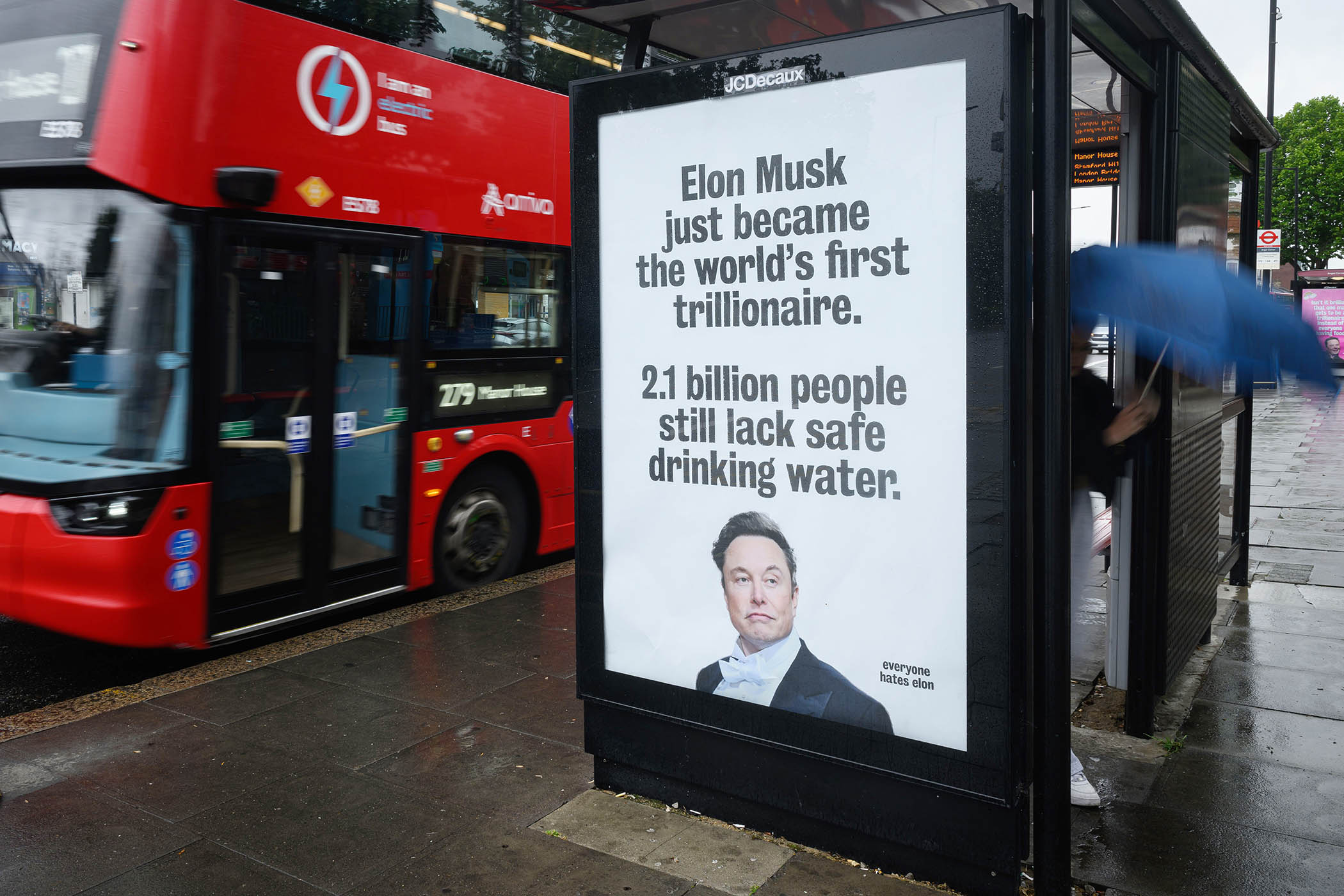
SpaceX floated on the stock market on Friday with a valuation of $2.1tn at the closing bell – history’s biggest IPO. On paper, Musk is now a trillionaire. Founders Fund, Thiel’s firm that went on to plough $600m into SpaceX in later funding rounds, is now looking at a stake worth an estimated $50bn. More than 4,400 current and former SpaceX employees are expected to become millionaires once the post-IPO “lock-up” period ends and they can sell shares.
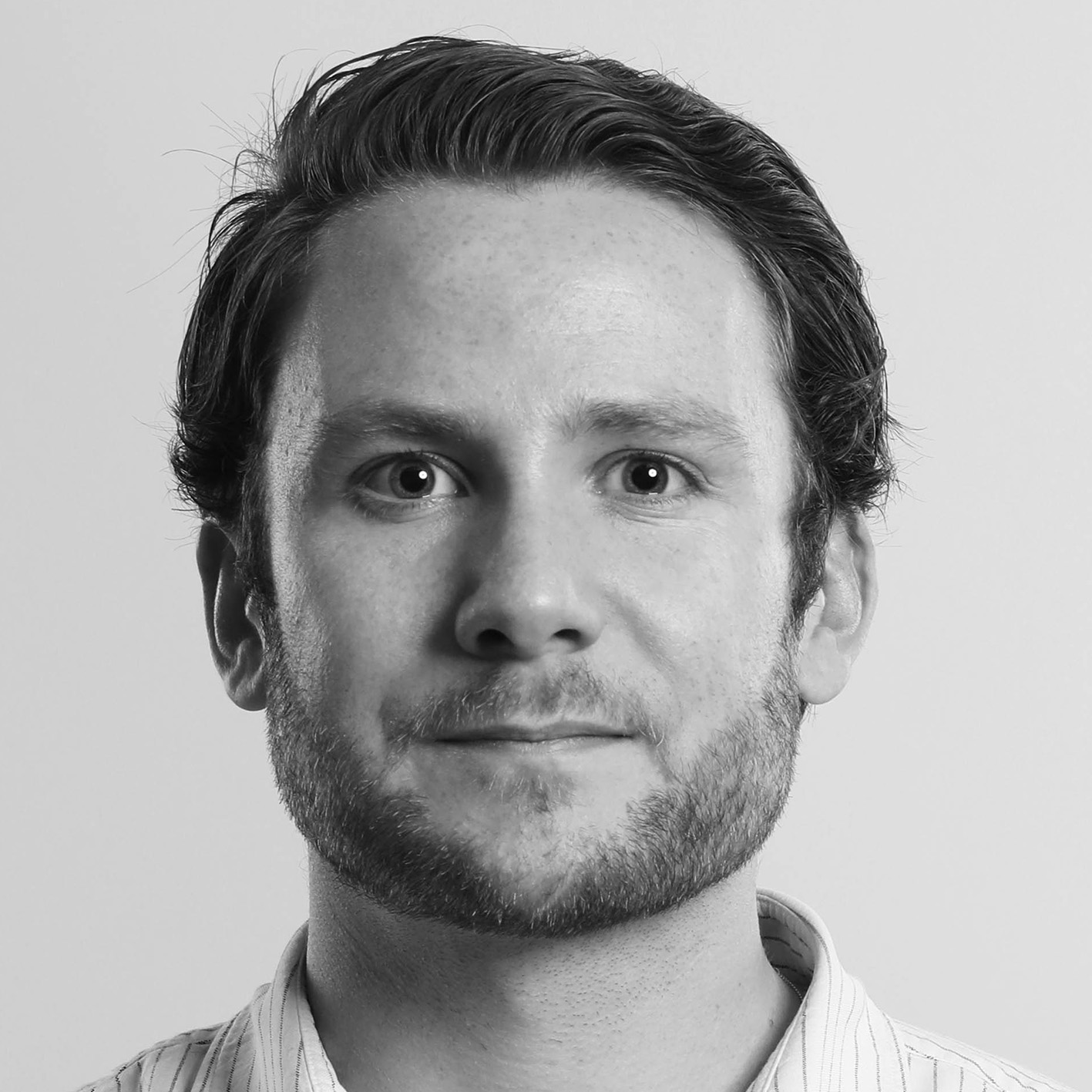
“It’s totally fair to view SpaceX as both a once-in-a-generation company that has done extraordinary things, and yet the valuation [has] almost no connection to reality,” says Dex Hunter-Torricke, former head of communications at both SpaceX and Google’s DeepMind. He adds that former and current employees felt “mixed emotions” on Friday, “having worked for a company that is transformational for space, but led by a founder who has come to play a deeply problematic role in the world”.
Days before the SpaceX IPO, Musk was fanning the flames of violence in Belfast, sharing posts that argued tensions were caused by a “very deliberate policy of mass uncontrolled immigration and open borders”. Inequality – so blatantly expressed in the minting of the world’s first trillionaire – didn’t factor.
Markets are not fazed by Musk’s political meddling. Nor are they bothered about SpaceX’s unique governance structure that gives Musk 85% of shareholder voting control, or its outlandish aims to build a permanent human colony on Mars.
Pre-orders from asset managers, sovereign wealth funds and a loyal army of retail traders were three times oversubscribed. Trading on the day saw the stock climb to a high of $176.50, ending on $161 – a 16% gain. An early “pop” in the stock was in effect guaranteed by forthcoming demand from passive investors, after Nasdaq rewrote its rules to include SpaceX in the index far earlier than usual.
Even without index funds, which account for a vast and growing share of where ordinary investors put their money, SpaceX’s size – accounting for 2.5% of the entire capitalisation of the US stock market – makes it near impossible for investment managers to avoid.
‘It’s totally fair to view SpaceX as both a once-in-a-generation company that has done extraordinary things, and yet the valuation [has] almost no connection to reality’
‘It’s totally fair to view SpaceX as both a once-in-a-generation company that has done extraordinary things, and yet the valuation [has] almost no connection to reality’
Dex Hunter-Torricke, former head of communications at SpaceX and Google DeepMind
Of course, there are sceptics. “In bull markets, you put a premium on promises and in bear markets, you put a discount on reality,” said short seller Jim Chanos, speaking before the IPO. He pointed to SpaceX being valued at more than 90 times its sales, compared with Tesla’s 14-times multiple.
But investors who have known the company for years say the AI-heavy business case stands. Maggie Fanari, the chief executive of J Rothschild Capital Management, said Starlink’s “very strong moat” and “strong cash-flowing business in [rocket] launch” would allow Musk “to fund that next business in compute”, including in orbital data centres.
Newsletters
Choose the newsletters you want to receive
View more
For information about how The Observer protects your data, read our Privacy Policy
Morgan Stanley has estimated that overall revenue for the company needs to rise 180 times, to $3.4tn by 2040. That is sci-fi. But Musk has always operated in a “reality distortion field”, says Hunter-Torricke. The question is: have investors been sucked into it too?
Photograph by Leon Neal/Getty Images