
The best-laid schemes and all that. At the outset of the contest for Gorton and Denton, one cabinet member offered me this description of Labour’s strategy for hanging on to the seat: “This is about killing the Greens and then slugging it out with Reform.”
It definitely wasn’t in the plan for Labour to be humiliated by Zack Polanski’s tribe while also being bested by Nigel Farage’s mob. Coming in third, with the Greens triumphant, was the result that most gave Labour strategists the night sweats.
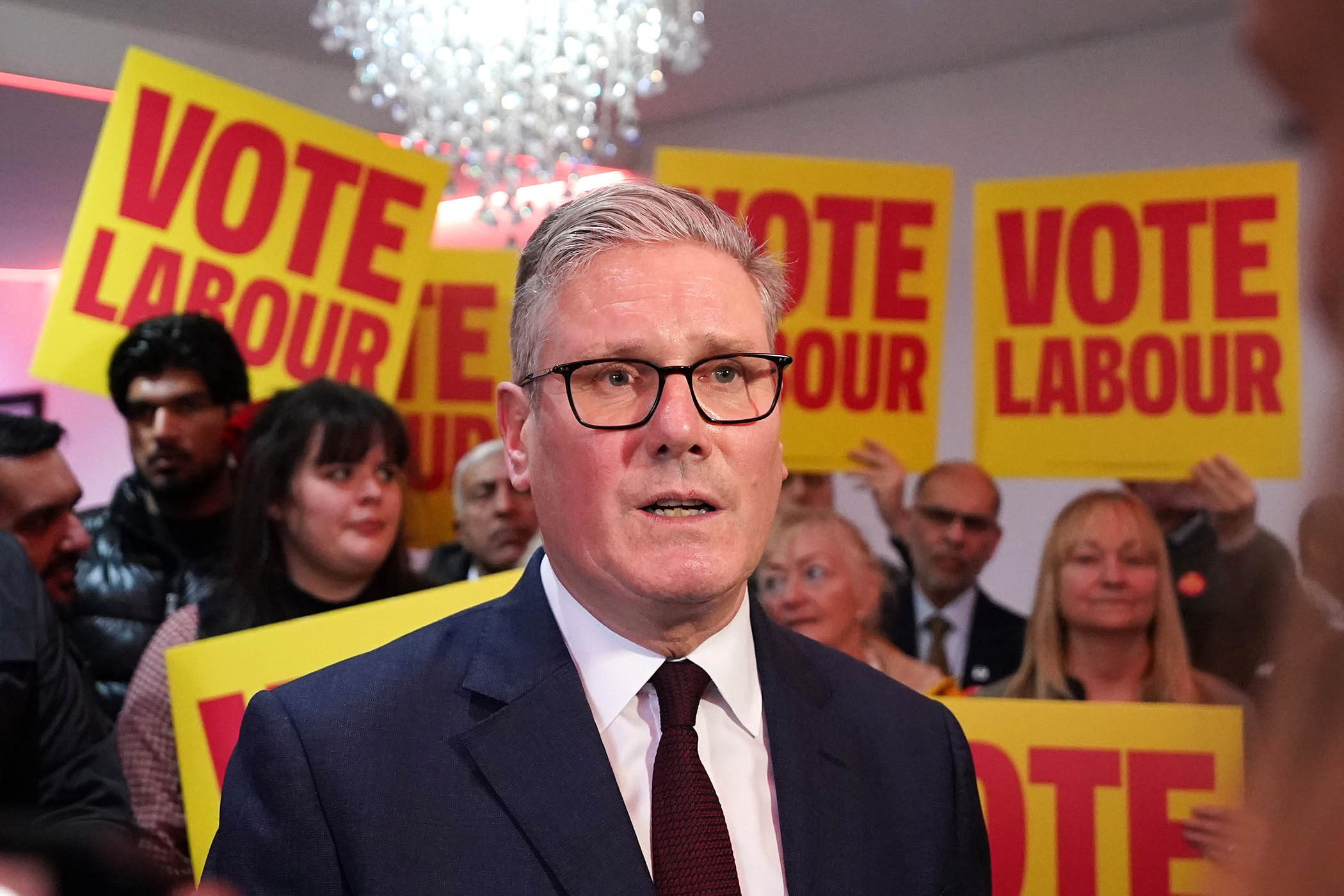
It was not that they gave up without a fight. The cabinet was dispatched to pound the pavements of a patch of Greater Manchester which was previously rock solid for their party. They even sent the prime minister – a rare move in a byelection. They wouldn’t have done so had they not believed Labour had a decent shout of pulling it off. He turned the PMQs the day before the vote into a byelection hustings. Very unusually for him, he used one of his children as a political weapon, telling the Commons that it was “absolutely disgusting” that the Greens wanted his teenage boy to be able to buy crack cocaine and heroin when he turned 18.
Labour had other apparent advantages, including decent canvassing data about the voters in the seat. Every councillor bar one in the constituency is Labour. A senior figure sounded genuinely bullish when they told me that the party had “a more resilient brand up here”.
The belief that they could squeak a victory makes this searing defeat even more wounding. Recall the line spoken by John Cleese in Clockwise: “It’s not the despair… it’s the hope.” Accepting that a situation is bad is not half as awful as the agony of anticipating a positive outcome that fails to materialise.
Labour HQ and the Number 10 operation – what’s left of it after recent resignations – will now conduct a postmortem. Let’s help them out. Highlights of the past six months include the deputy prime minister being forced to quit for failing to pay what she owed to the taxman, and the ambassador to the US being fired over his close relationship with a convicted paedophile and subsequently being arrested on suspicion of misconduct in public office (Peter Mandelson denies any wrongdoing). A chaotically managed budget brought further chunky tax rises at a time when public opinion is shifting against higher taxes. Pulverisation is what happens at a byelection when most voters are extremely averse to the prime minister and heavily dislike his government.
That leaves Labour horribly vulnerable to the insurgent forces of populism pincering it from left and right. The Greens had only a modest presence in this constituency prior to the byelection. That proved less of a handicap than Labour campaigners assumed. Nor was their rival’s positions on narcotics and security. I very much doubt that everyone voting Green in Gorton and Denton wants to pull out of Nato and legalise the supply of hard drugs. I have no doubt that they all wanted to stick it to the government.
Only Labour can stop Reform,’ is a dud slogan when Sir Keir’s party gets handed the wooden spoon
Only Labour can stop Reform,’ is a dud slogan when Sir Keir’s party gets handed the wooden spoon
It was to the Greens benefit that they had no serious rivals to be the left-of-Labour competitor. Your Party didn’t field a candidate, so consumed has it been by the internecine warfare between its Jeremy Corbyn faction and its Zarah Sultana tendency. George Galloway, who has hurt Labour at byelections in the past, withdrew his Workers party. The absence of a pro-Gaza independent cleared the way for the Greens to harvest discontent among voters most animated by that conflict, delivering the party its first parliamentary byelection victory.
Only a byelection. Usual health warnings apply. Heidi Alexander, speaking for the “don’t panic” group in the cabinet, cautioned her party not to “over-interpret” the result. Yet this is self-evidently another body blow to Sir Keir’s battered premiership, and internal pressure to shift left is increasing and voluble.
Andrea Egan, the leader of Unison, was quick out of the traps to say it explicitly. Sharon Graham, the general secretary of Unite, demanded a government that is “real Labour” – another way of saying turn left. Angela Rayner, whose response to this defeat read like the draft of a leadership manifesto, is among those clamouring for Labour to be “braver”. What precisely does she mean by that? It is nearly always code for taxing, spending and borrowing more. In the run-up to this week’s spring financial statement, the party’s left is spoiling for a scrap with the bond markets that Rachel Reeves has been desperately trying to avoid, on the not entirely unreasonable grounds that the government will lose such a fight.
Newsletters
Choose the newsletters you want to receive
View more
For information about how The Observer protects your data, read our Privacy Policy
Would Andy Burnham’s strong personal standing in Manchester have been enough to beat back the Green surge? We’ll never know, but conjecture adds lustre to the mayor’s reputation and fuels recrimination about the decision to block him from standing.
The biggest problem for Sir Keir is that this shatters his overarching survival strategy. His people have sought to soothe the frazzled nerves of Labour MPs by claiming that leftish and centrist voters can be persuaded to swallow their disappointments with the government when we get to the general election and will be induced to vote Labour as the party best placed to thwart Reform. This is sometimes known as “doing a Macron”, referencing his victories over Marine Le Pen in French presidential elections.
The Stop Reform argument was effective in Gorton and Denton, but it was the Greens who were most successful at being the anti-Farage party. A similar story was seen in the Caerphilly byelection for a vacant seat in the Senedd last October, when anti-Reform voters galvanised around Plaid Cymru. It is harder now for Labour to argue that backing nationalists or Greens is a “wasted vote” that risks aiding and abetting Nigel Farage. “Only Labour can stop Reform,” is a dud slogan when Sir Keir’s party gets handed the wooden spoon.
Byelections are often not a reliable guide to the next general election, especially so when it is likely to be three years away. This does look like the harbinger of a cataclysmic night for Labour in the spring elections in Scotland, Wales, London and elsewhere in England. These are barely more than two months away. Speaking to me on Friday, one cabinet member lamented: “The May elections are going to be a bigger version of what happened last night.” That prospect is what is now bringing on the fever dreams in Downing Street.
Photograph by Ian Forsyth/Getty Images