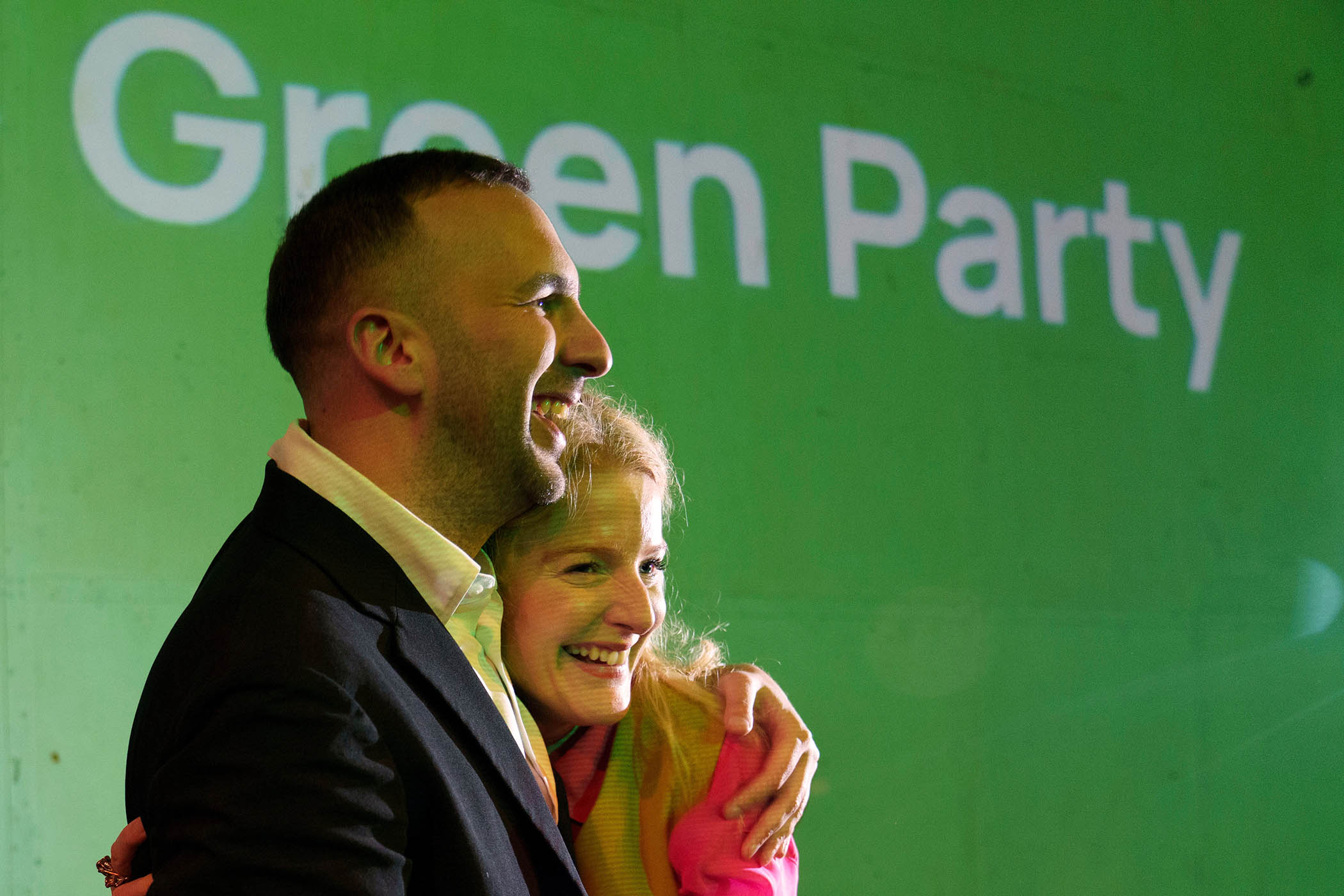


‘This is Manchester and we do things differently here,” victorious Green candidate Hannah Spencer announced at the Gorton and Denton count. We certainly do.
Spencer became the first Green to win a byelection, her 40.6% vote share shattering the party’s previous best byelection performance of 10.2% in Somerton and Frome in 2023. This was far from the only record to fall.
The Conservatives suffered their worst byelection to date, losing their deposit with just 1.9% of the vote. This was the first byelection in 35 years in which turnout was almost equal to that in the preceding general election, as a hard-fought three-cornered contest mobilised voters in an area that hasn’t seen a competitive Westminster election in generations. It was also the 11th byelection defeat in a row for the local incumbent party – none has kept a seat since the Conservatives narrowly clung on in Uxbridge and South Ruislip in 2023.
That marks the longest run of incumbent defeats since the introduction of the universal franchise. Never before have voters rejected the political status quo so emphatically for so long.
This result was a disaster for Labour by any metric. It was the seventh-largest majority overturned in a Labour seat, and the 26.4-point swing from Labour to the Greens was far larger than the swing from Labour to Reform in Runcorn and Helsby in May, though that seat was also one of the 10 safest Labour seats to fall in a byelection. To lose one safe seat in a byelection may be regarded as a misfortune; to lose two to different parties in less than a year looks like carelessness. And Labour did not only lose but fell to third place in a seat it was defending – only the third time this has happened since 1982.
Though the defeated Reform candidate Matthew Goodwin and party leader Nigel Farage have taken ill-tempered swipes at the electoral process, in truth this was a remarkably strong showing by Reform in a seat that is not demographically favourable to the party. Goodwin’s 28.7% vote share is the sixth-best showing yet by either Ukip, the Brexit Party or Reform, and the 14.6% rise in the Reform vote is also in the top 10 byelection showings by any of these parties. Though the party was comfortably beaten by the Greens, this was an impressive performance by Reform in a seat with many graduates, students, young people and Muslims – all groups who tend to shun the party. While Reform performed creditably in defeat, the Greens delivered a win for the history books, one that can be set next to previous historic breakthroughs. Like the SNP and Plaid Cymru during the Labour government of Harold Wilson, the Greens have signalled their arrival as a credible electoral force by defeating a Labour incumbent on a huge swing.
That will cause particular concern for the 40 Labour MPs representing seats where the Greens finished second in 2024, many of them seats with more Green-friendly demographics than in Gorton and Denton, and ones where there is no credible Reform threat. A new front may have just opened up in the next general election contest. But the electoral fallout from Gorton and Denton will be felt much sooner.
Hundreds of council seats are up for election in May in favourable terrain for the Greens, including all the council seats in London and Birmingham and many others in big English cities. The Greens will now enter these contests with their heads held high and will hope to take hundreds of seats in wards with friendly demographics.
Reform will have an opportunity to bounce back quickly from this week’s setback and register a second set of sweeping gains in older, whiter, more Leave-leaning wards across the Midlands and north.
Meanwhile, Labour, having alienated progressives but failed to attract social conservatives, now risks going into these elections as no one’s first choice. The local and devolved elections risk becoming a charge into the valley of electoral death for the governing party, losing on the right to Reform, on the left to the Greens, and in Wales and Scotland to resurgent nationalists. This has been a bruising week for Keir Starmer’s government. But the worst may be yet to come.
Newsletters
Choose the newsletters you want to receive
View more
For information about how The Observer protects your data, read our Privacy Policy
Photograph by AP Photo/Jon Super