
Kemi Badenoch has been doing the leader of the opposition gig for over a year, but she still has things to learn. Unremitting viciousness towards opponents, of the kind displayed by the Tory leader in her vituperative response to the budget, is not attractive. Vitriolic abuse may excite the pulses of your most partisan supporters, but to more fair-minded folk it makes the perpetrator of the attacks look mean and nasty. And also a bit silly. When the Tory leader ranted that Rachel Reeves will go down in history as the “country’s worst ever chancellor”, the name of Kwasi Kwarteng must have slipped her mind even though they sat together in Liz Truss’s cabinet.
More sophisticated critiques of the chancellor are available and they are also more piercing. One gloomy assessment from within Labour’s own ranks is that this failed to be the game-changing budget needed by a deeply unpopular chancellor hitched to a deeply unpopular prime minister presiding over a deeply unpopular government. In so much as it has moved the dial of public opinion, it is in a more negative direction. Majorities of respondents tell pollsters that it has left them more concerned about both Britain’s economy and the financial prospects for their families.
Alarmingly for Labour, the terms of trade have dramatically shifted when people are asked about the appropriate balance between taxation and spending. Just over a fifth of the public think the government is not spending enough on public services, but half say it is hiking taxes too much. Thanks to the freeze on thresholds, nearly 5 million more people will be paying the 40p tax rate than would have been the case had they been adjusted for inflation since 2021. Stealth taxes stop working politically when people notice them. Though she left income tax and national insurance alone in the end, voters are nevertheless now more likely than not to think that Labour has broken its signature manifesto promise not to raise taxes on working people.
This is despite the fact that it was a “buy now, pay later” Klarna budget. Many of the tax rises Ms Reeves announced will bite hardest closer to the election. To make her maths add up, the chancellor has also pencilled in significant curbs to public spending in the back end of this parliament. Spending squeezes hitting voter-facing public services just when it is most probable that the country will be heading into a general election? That is a sub-optimal strategy for trying to win a second term for Labour. This element of the chancellor’s arithmetic has the pungent whiff of the dodgy accountancy that she rightly castigated the Tories for when they were in office. If things go very right for the government, the increased fiscal headroom created by the chancellor could turn into a war-chest to scatter sweeteners at the voters before the next election. If things go awry, then Ms Reeves, or whoever inherits her poisoned chalice, will be coming back for even more tax increases.
There was the strong impression of hard decisions being swerved
There was the strong impression of hard decisions being swerved
There was the strong impression of hard decisions being swerved in other respects. This was not least because the budget was co-authored by Labour backbenchers, many of whom like a hard choice in fiscal policy as much as they like the thought of Nigel Farage becoming prime minister. The most rousing people-pleaser for the Labour crowd was to scrap the two-child benefit cap, a move the chancellor and the prime minister had previously resisted on the grounds of affordability. I happen to agree with the chancellor that it is unfair to blight the life chances of a child by punishing them for the circumstances of their birth. Removing the cap introduced by the last Tory government is the most straightforward tool for tackling child poverty. It needed to be accompanied by a meaningful commitment to reform other aspects of welfare that are running out of control. No one serious in British politics thinks it sustainable to indefinitely maintain the “triple-lock” increases to the state pension. No one serious in British politics thinks it sensible to allow claims for incapacity benefits to continue their remorseless trajectory upwards.
Pat McFadden, the work and pensions secretary, wants to have another crack at welfare reform. He has commissioned Alan Milburn, health secretary under Tony Blair, to conduct an investigation into the rising number of young people who are not in education, employment or training, particularly those claiming health and disability benefits. Mr Milburn is a sharp thinker about social mobility and the importance of work, but he won’t be producing his interim report until next spring and his final one is scheduled for summer 2026. Even making the heroic assumption that Labour MPs will have the appetite for implementing his recommendations, nothing significant on welfare reform will happen for at least another year.
Something else missing from both this budget and the government more generally is a consistent and convincing programme for driving up the productivity of the public sector. Thoughtful Labour people privately lament that there is no coherent plan. In the New Labour years, additional resources for public services were tied to projects for change. This did not always deliver the efficiency gains and service improvements promised, but it did underline an intent to show that government was doing its level best to extract the maximum bang from each taxpayer’s buck. Taxes as a share of GDP will increase to an all-time high of 38% in 2029-30, five percentage points higher than the pre-pandemic level. There has not been a commensurate increase in levels of public satisfaction with the services they are receiving. Rather, the reverse. The median voter does not like tax hikes. They are even more averse if they don’t feel they are getting anything much back for their money.
Another missing piece is the answer to the over-arching question: what is the point of this Labour government? Growth was once heralded as the number one mission. Sir Keir Starmer will make a speech on the topic on Monday, perhaps trying to compensate for the absence of much about it in the budget. The “mission board” that was supposed to drive change has been abolished, while some cabinet ministers I speak to say they find Number 10 internally confused and divided about its attitude towards wealth creation.
A great peril for Labour is that its enemies will successfully define the government’s primary purpose as higher taxes for more welfare. That combo has rarely been a recipe for either national prosperity or electoral success.
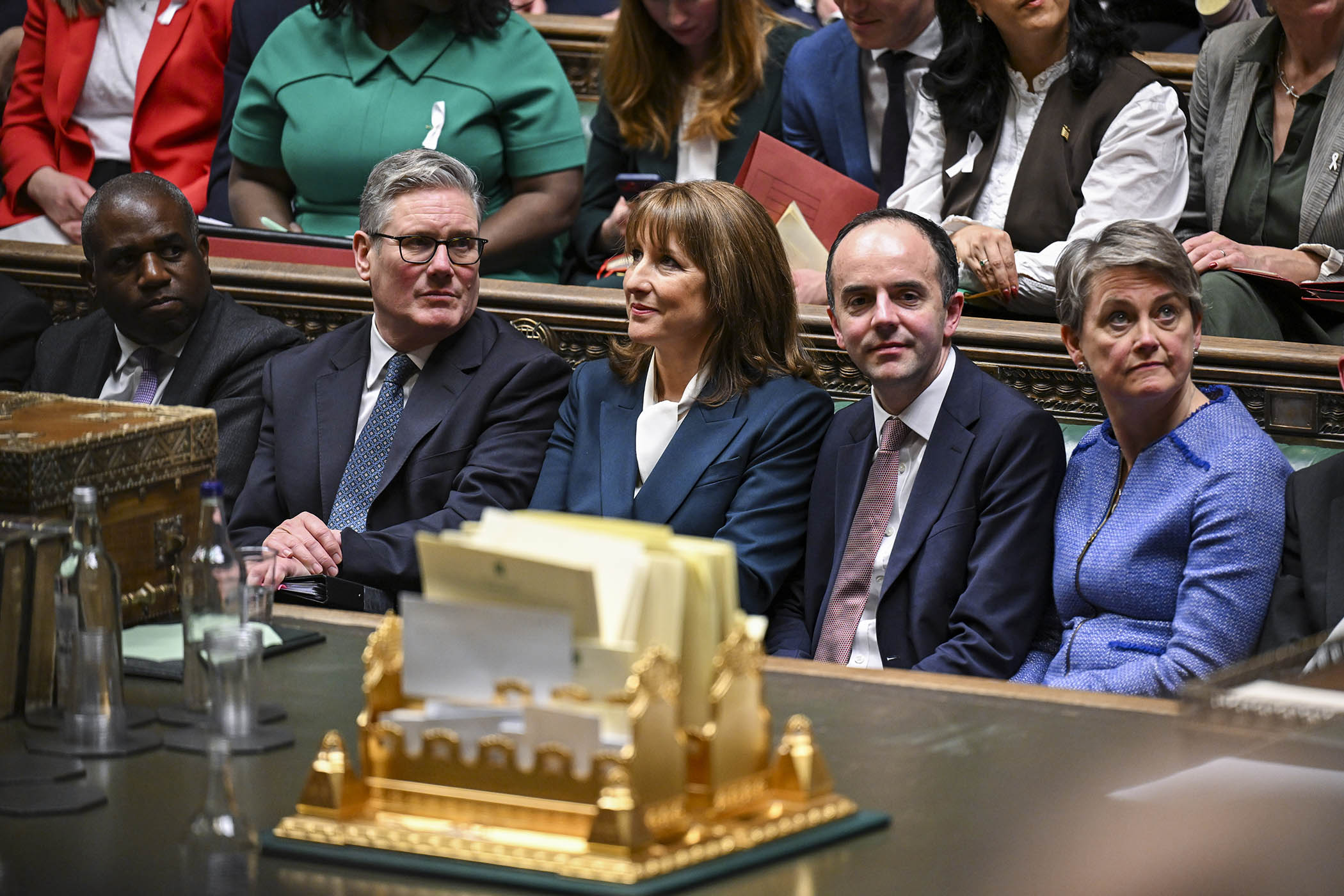
Photograph by House of Commons
Newsletters
Choose the newsletters you want to receive
View more
For information about how The Observer protects your data, read our Privacy Policy