
Times are tough, and festivals are in tough times. Reports from the Association of Independent Festivals tell us that our smaller, quirkier UK weekenders are struggling. Before the pandemic, there were almost 1,000 annual music festivals in the UK; last year, there were fewer than 600. Increased prices for supplies, touring equipment and staff have meant that some previously successful events aren’t sustainable.
Donald Trump hasn’t helped: since the start of the Iran conflict, festival infrastructure and transport costs have risen by about 12.5%. But many events are loath to reflect this in ticket prices, because the cost of living means people are already struggling to find the money to go at all. There’s competition not only from family holidays, but stadium gigs too. If you invested in a couple of tickets to see Harry Styles at Wembley and Rosalía at the O2 this year, you could already be down about £1,000.
And so, in 2026, despite our national obsession with good tunes and good times, many fantastic outdoor combinations of live music, in-carton food and flammable cowboy hats find themselves in peril. A sad situation? Yes. I would argue more than just sad. Going to festivals is a vital part of life: a youthful rite of passage, a family get-together, a return to who you really are; a fucking release. The best festivals will change your mood, your sense of time, your attitude towards waterproof trousers; often, they change your life.
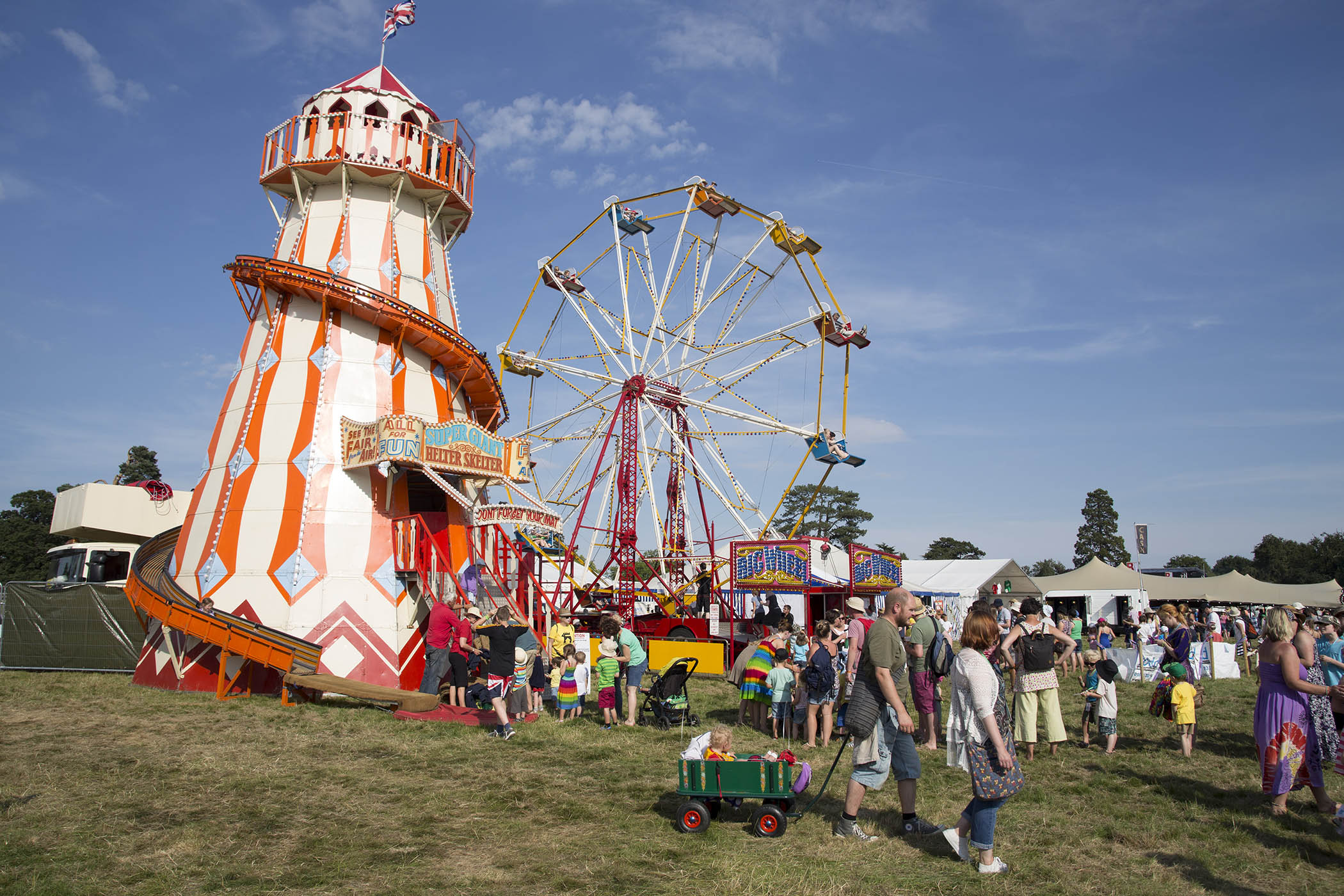
More than just music at Deer Shed
And there are so many to choose from, from the meat-and-potatoes AEG and Live Nation offerings to the truly magical. Are you after a day-long gig, with four support bands, a few warm beers, a big singsong and a packed train home? Fine, take your pick. Or – draw closer, tiny, unwashed, feral children – do you want an actual festival? A place that holds within its perimeters the capacity for freedom, for living in the moment, for soaring emotion transformed by other people feeling exactly the same thing in a place that will never exist again.
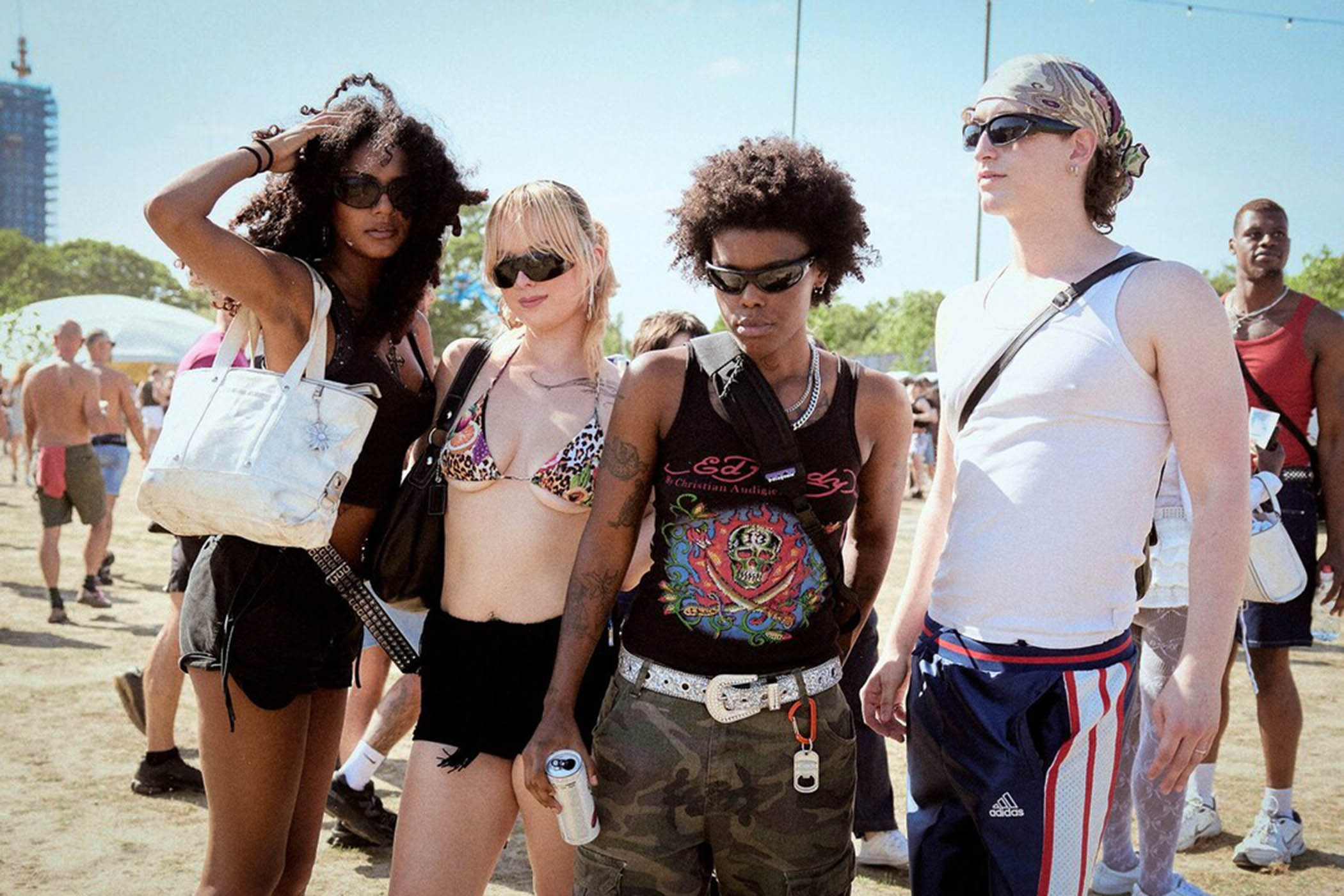
A Narnia where everyone’s spent a long time inside the wardrobe, raiding it for fake fur and short shorts, before breaking on through to the other side. A magical temporary city where you’re not only transformed by seeing your favourite band thunder your favourite songs into the dark, turbulent night, but by tramping about with a funny stranger in a three-piece suit who takes you to a trance rave you didn’t know existed.
Festivals are what we, as a country, are good at. If there was a cultural Olympics, rather than a sporting one, then the UK would be champions at pop music, binge-drinking, taking the piss and festivals. American festivals are hopeless: desolate car parks with tiny drinking pens, corporate food and legions of semi-detached, phones-out poseurs. European festivals are good too, especially the Spanish and Irish ones, but British indie festivals are the best.
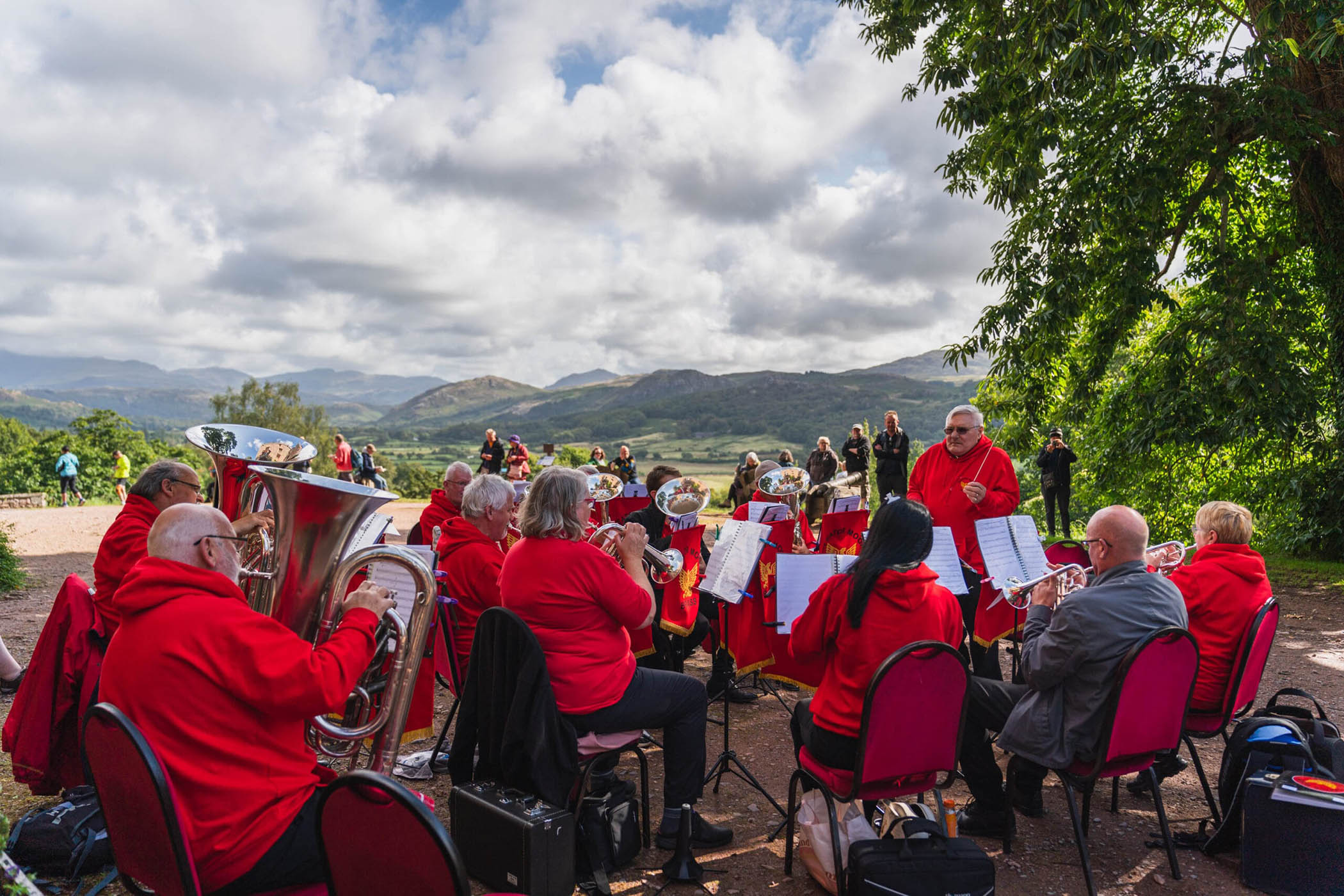
Krankenhaus in Cumbria
“Here, the appetite for festivals and the atmosphere is, I think, second to none,” says Ali O’Reilly, co-founder of Rock N Roll Circus, which takes place in Norwich and Sheffield this summer. “The music scene in the UK is amazing – the talent coming through has a big part to play – and British and Irish people, the passion they have for music is something different. Wind, rain, hail or shine. Nobody cares. Everyone has a party.”
The weather doesn’t stop the good times. Some of my most memorable festival moments have been in the soggiest of conditions, from my first Glastonbury in 1986 (the Cure plus rain and lasers, utterly mind-exploding), to a few weeks ago, when Geese played at Primavera Sound in Barcelona and the heavens opened during Au Pays du Cocaine (I cried).
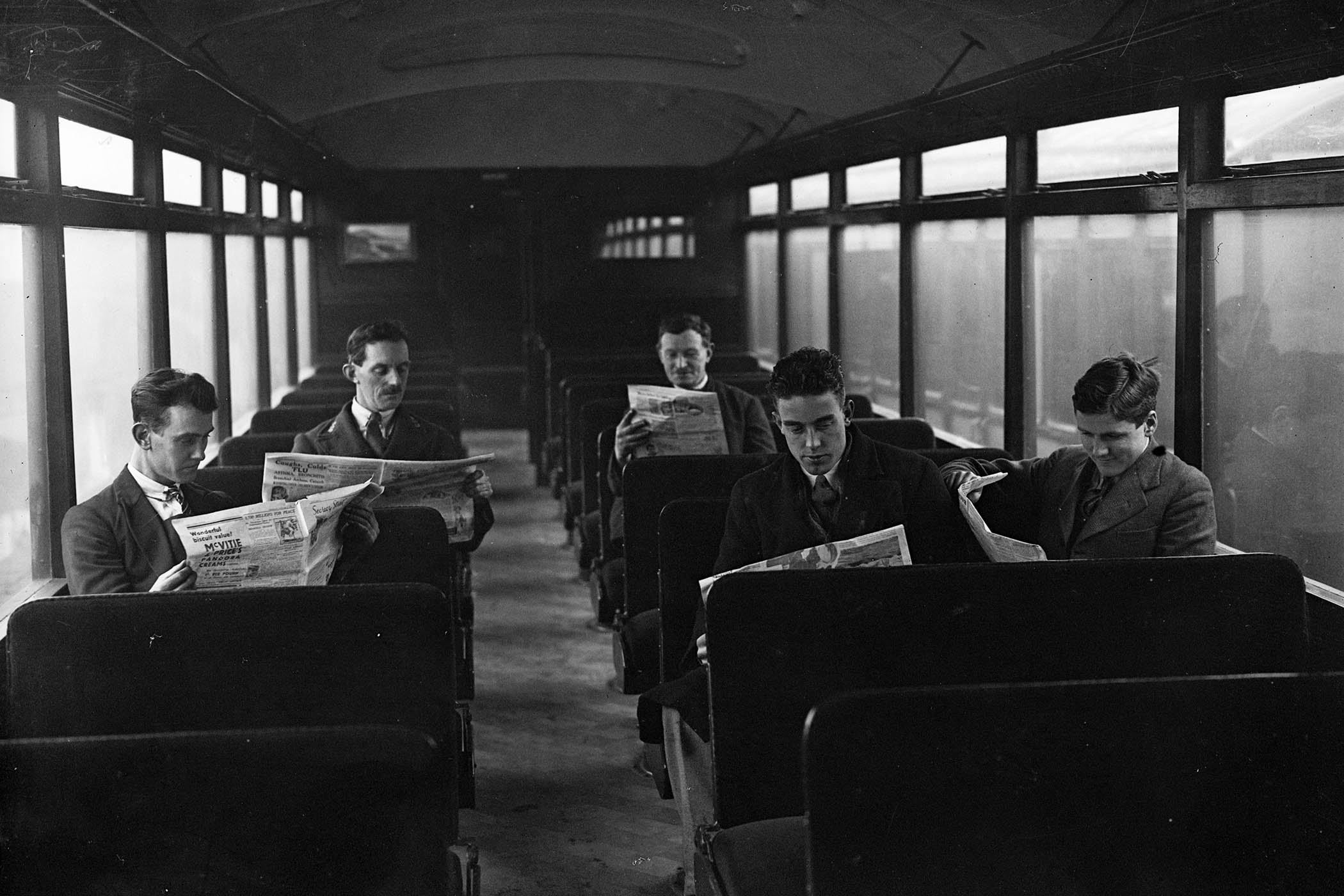
After Cameron Winter et al cut short their wild, proggy set for fear of electrocution, the two main Primavera stages had to shut down completely because of the wind and rain. The British in the crowd were completely bemused. There wasn’t even any mud! No need for anything more than a cagoule! A friend did point out that, whenever the UK has a heatwave, our trains stop running. But not our festivals. Only if the tents are actually being blown away – at Leeds in 2024 – may we consider going home.
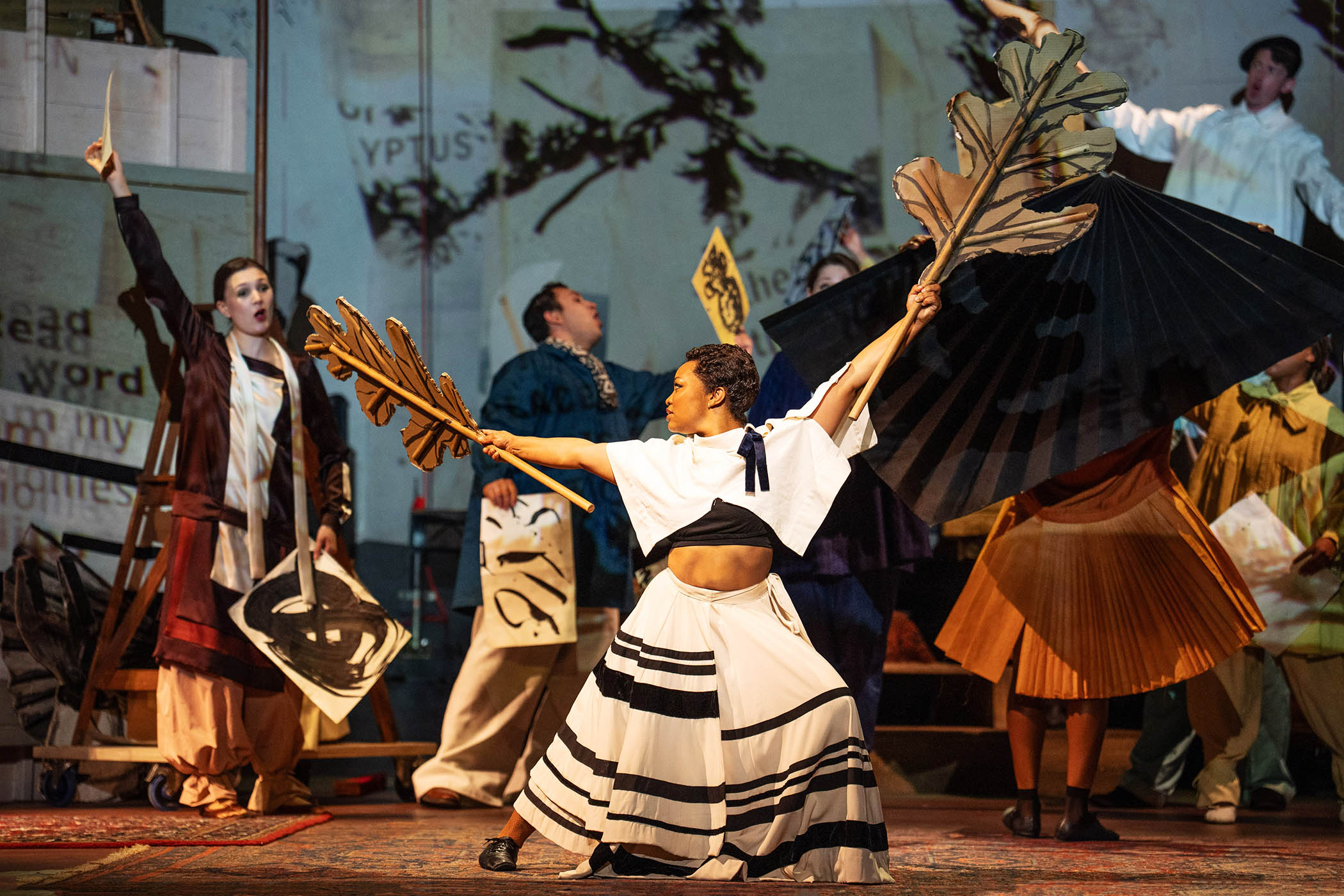
Anyway, as we all know, the music isn’t the only reason to be there. It’s entirely correct to go to a UK festival and not see any bands at all, instead spending your time wandering between someone dressed as Vladimir Putin having a fight with a Victorian gentlewoman on stilts, a wood-whittling class, and sitting in a sacred glade talking to a banker in deely boppers having a life crisis.
Newsletters
Choose the newsletters you want to receive
View more
For information about how The Observer protects your data, read our Privacy Policy
The best British festivals – the ones we showcase in our guide, plus a couple of European offerings – have a determinedly off-centre vision, a particular approach. (We have left out events that are already sold out; and there’s no Glastonbury, as 2026 is a fallow year for Worthy Farm.) Rock N Roll Circus is as much about the circus as it is the bands: you may be going there for the Streets or Richard Ashcroft, but they’ll also be a high-wire act going on around them, plus fire-breathers and trapeze artists taking things to another level.
The alternative rock band Sea Power set up the Krankenhaus festival in 2019 because singer Neil Hamilton Wilkinson went for a tramp in the Lake District and suddenly saw the towers of Muncaster Castle, built in the 13th century, emerging from the woods. “The way the castle appeared seemed like a message from the gods,” says Martin Noble, his fellow Sea Powerer. “It felt like music in this setting would go from great to godlike.”
In today’s terms, the best British festivals are an “experience”. What they actually are is a world. To get folk-hippy, they’re an immersion into our environment, where feet hit soil, people squish into other people, trees are shelter and you take a nap on the grass. The open sky above your head means it’s always quieter than you remember during the day, and weirder at night. “The location is a massive part of things,” says Noble. “Gazing out to the peaks of Scafell Pike, between the mountains and the vast melancholy of the west Cumbrian coast – it’s an amazing place to hear music. But there are also communal fell walks, the castle’s amazing hawks and owls, rides on the narrow-gauge steam railway which takes you into the heart of Eskdale.”
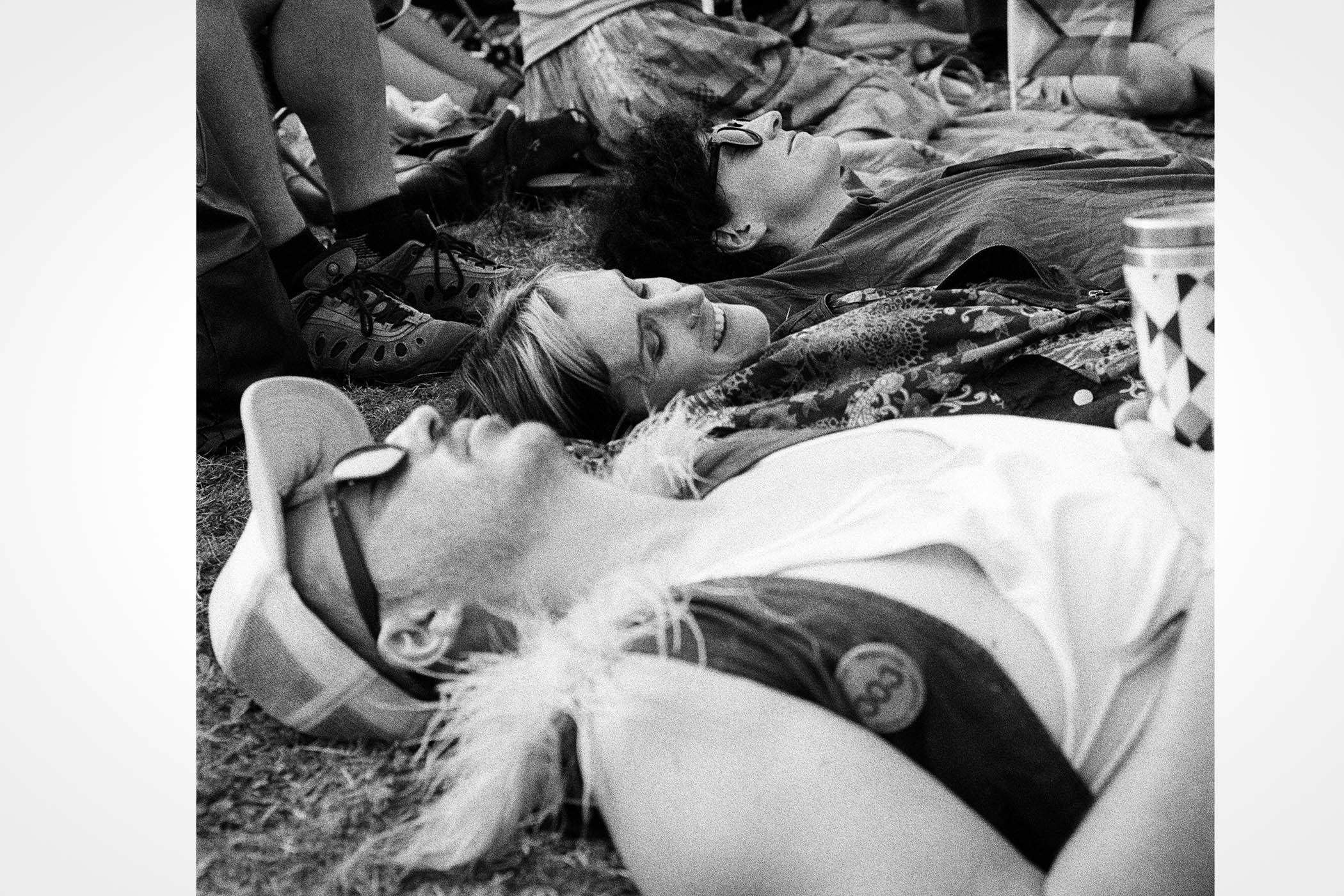
Some respite at Green Man
If they’re any good, festivals are also part of the local community, providing work for teenagers and opportunities for food creators. Rock N Roll Circus deliberately chose to set up in Sheffield and Norwich as music-loving cities that don’t have an arena; and, says O’Reilly, “in both places, we’ve seen that the whole city gets behind it – it becomes part of the cultural calendar”.
And they need our support. “One of the most important things you can do for an independent festival is buy an advance ticket,” says O’Reilly. The more established festivals – Glastonbury, Green Man, End of the Road – usually sell out way in advance, which means they can budget properly. Smaller festivals don’t have that luxury, and often don’t know until the actual day whether or not they’ve managed to survive another financial year.
In any case, it’s not about the headliners, exciting as they may be. Without us, festivals don’t exist. Not financially, but not as events either. One of the tenets of Freddie Fellowes, who ran the late lamented Secret Garden Party, was that the crowd is the festival. It’s one of the few lessons I’ve drummed into my children. When it comes to a party, you are the party. You bring the vibe. Every festival you go to is you; it is you and it is me. It’s us. So let’s get out there, whatever the weather, and make some actual magic.
Read more: The 13 best festivals to book now
Photographs by Morgane Maurice/Dazed, Paul Hudson, Maria Jefferis/Redferns via Getty Images, Francesca Jones