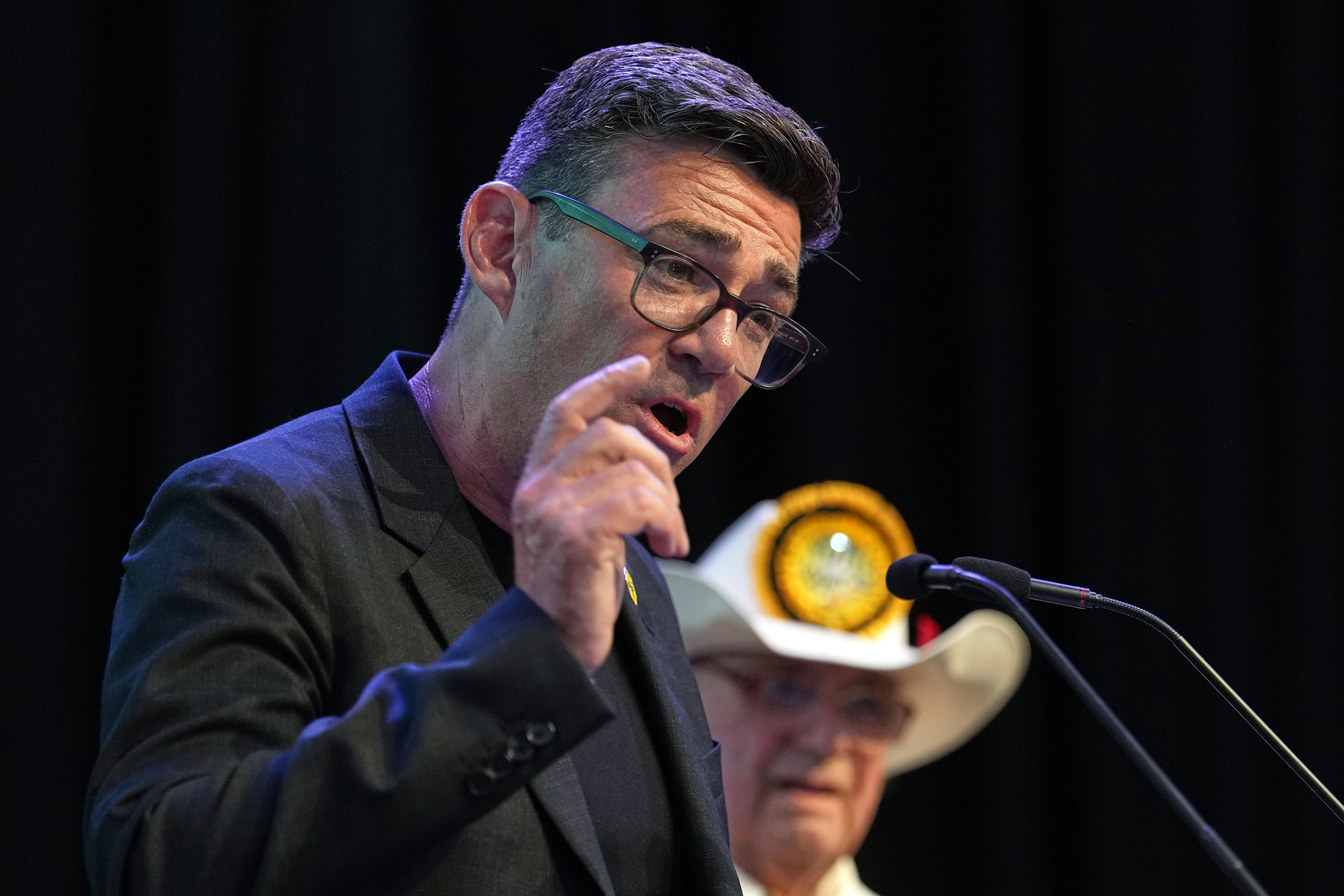
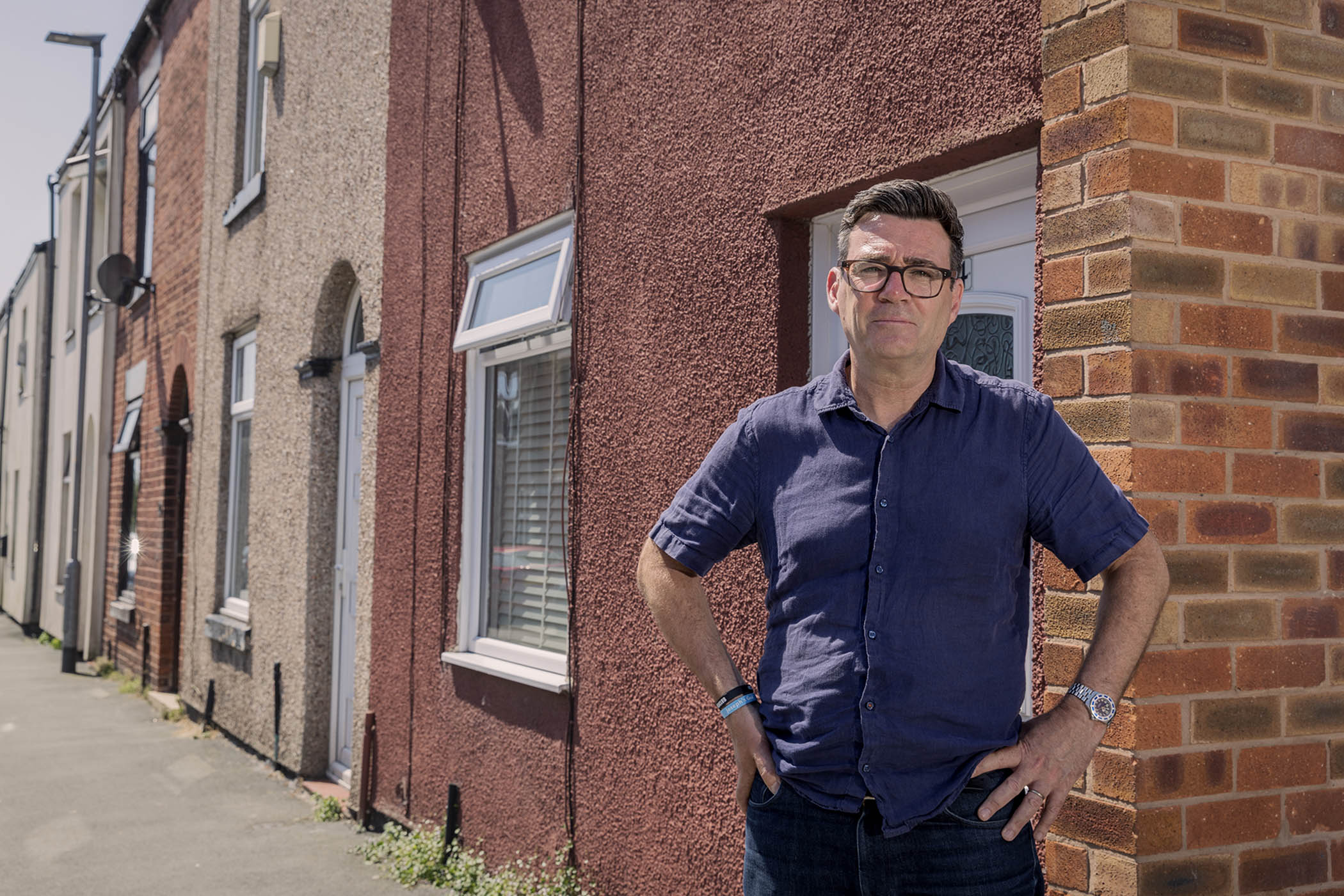
After the prime minister made the case in 2021 for cutting international aid, the leader of the opposition rose to his feet. “Development aid reduces conflict. It reduces disease and people fleeing from their homes,” Keir Starmer told Boris Johnson. “It is a false economy to pretend that this is some sort of cut that doesn't have consequences.”
The list of U-turns, policy shifts and broken promises made by Starmer since becoming Labour leader in 2020 – and prime minister in 2024 – is long. But Thursday’s announcement by the foreign secretary, Yvette Cooper, about the scale of the cuts to the UK’s international aid budget is particularly depressing for those who believed a Labour government would seek to make the world a better place.
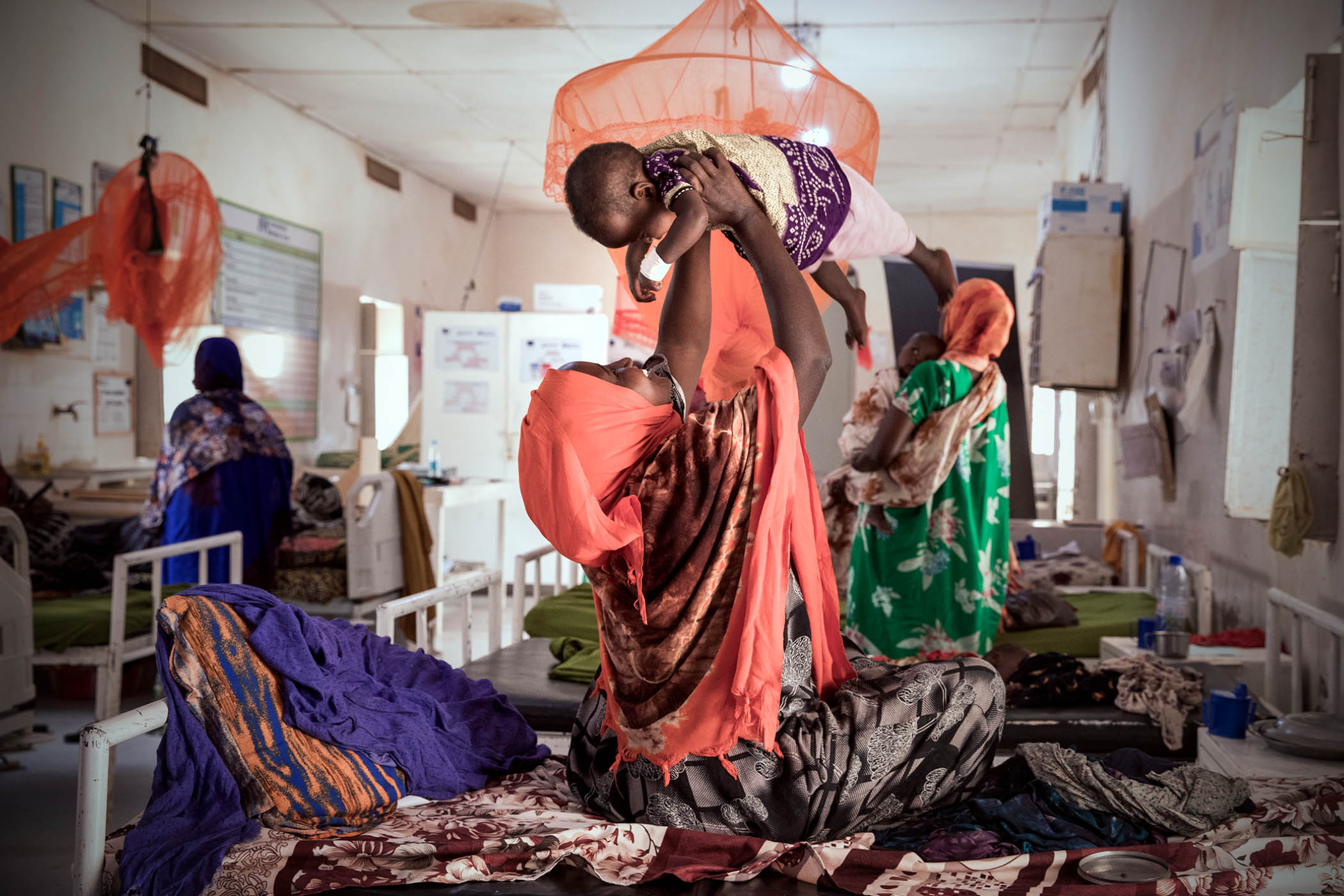
The cuts – or, as the government press release put it, the “new innovative development reforms” – are deep and broad. Overall funding will fall from 0.5% of gross national income (GNI) to 0.3%, with the savings used to increase defence spending. Bilateral aid to Africa will fall by 56%, with severe cuts in some of the continent’s poorest and most dangerous countries. Health services for women and children in Somalia will be reduced, while 250,000 people will lose access to family planning in Malawi.
There are cuts to just about every UN programme to which the UK contributes, including Unicef, UN Women and the UN Development Programme. Funding will end entirely for the Global Polio Eradication Initiative and the Pandemic Fund. The government’s own impact assessment admits that this decision will “inevitably have some negative effects, including heightened risks of disease outbreaks”.
Earlier announcements resulted in the UK cutting £150m from what it gave to the Global Fund to fight Aids, Tuberculosis and Malaria, and £400m from Gavi, the Vaccine Alliance. Funding for Gavi is one of those few areas where there is a clear link between the money spent and lives saved. Hundreds of thousands of children will now not receive potentially life-saving vaccines.
Even the official total of aid spending that remains – about £9.2bn – doesn’t tell the full story. The Home Office uses the aid budget to pay for hotels to house asylum seekers. That means more than £2bn is flowing into companies such as Clearsprings and Serco, rather than much-needed projects in the developing world.
The actual amount spent on aid and development is set to fall to 0.24% of GNI – the lowest figure since 1970 when records began.
The cuts, and the relatively minor level of outrage that has greeted them, are a sign of just how much the world has changed in the past 20 years.
International aid and development was a huge part of New Labour’s vision for a modern Britain playing a leading role in the world. It was at the heart of the UK’s foreign policy and one of the few issues of principle shared by both Tony Blair and Gordon Brown.
When David Cameron became leader of the opposition in 2005, he made support for aid the symbolic centrepiece of his message that his Conservative party had changed. He appointed Andrew Mitchell, a true believer in international aid, shadow international development minister, and the pair went on a high-profile visit to Darfur in 2006.
Parts of the right were never happy – the Sun or Daily Mail would often feature examples of supposedly wasteful aid spending on their front pages – but for a decade or more there was a true cross-party consensus.
Why has it changed? The state of the economy is one argument. Boris Johnson, when reducing UK aid funding from 0.7% of GNI to 0.5% – the cuts Starmer opposed – argued that Britain needed to save money after spending more than £400bn during the pandemic. He said the cut would be temporary. “This is not an argument about principle,” he added. “The only question is when we return to 0.7%.”
Starmer has made a similar argument to justify his cut from 0.5% to 0.3%. Labour’s 2024 manifesto promised to return spending to 0.7% “as soon as the fiscal situation allows”. Johnson blamed the pandemic; Starmer blames Russia – this cut will allow the UK to increase its spending on defence, he argues.
But there is a bigger – uglier – problem. The consensus that underpinned the UK’s aid spending has disappeared. For Reform UK and the Conservatives, all aid spending is fair game: put bluntly, they don’t want UK taxpayers’ money spent on people who aren’t from the UK (this increasingly seems to extend to people living in Britain but born elsewhere).
This view of the world is not limited to the UK. The rest of the G7 have also made cuts in the past year, most notably the US, where Donald Trump allowed Elon Musk to take his chainsaw to USAID.
The question for liberals and those who still believe in internationalism is whether they can make a moral case for an increase in development and aid funding.
In her statement on Thursday, Cooper said it is a “fundamental part of our moral purpose to stand up against global disease and hunger and to support those trapped in crises caused by conflict or climate change”.
But it’s hard to make that argument stick when announcing such drastic cuts to all the programmes that actually do all the things she is talking about.
Photograph Gary Calton for The Observer
Newsletters
Choose the newsletters you want to receive
View more
For information about how The Observer protects your data, read our Privacy Policy