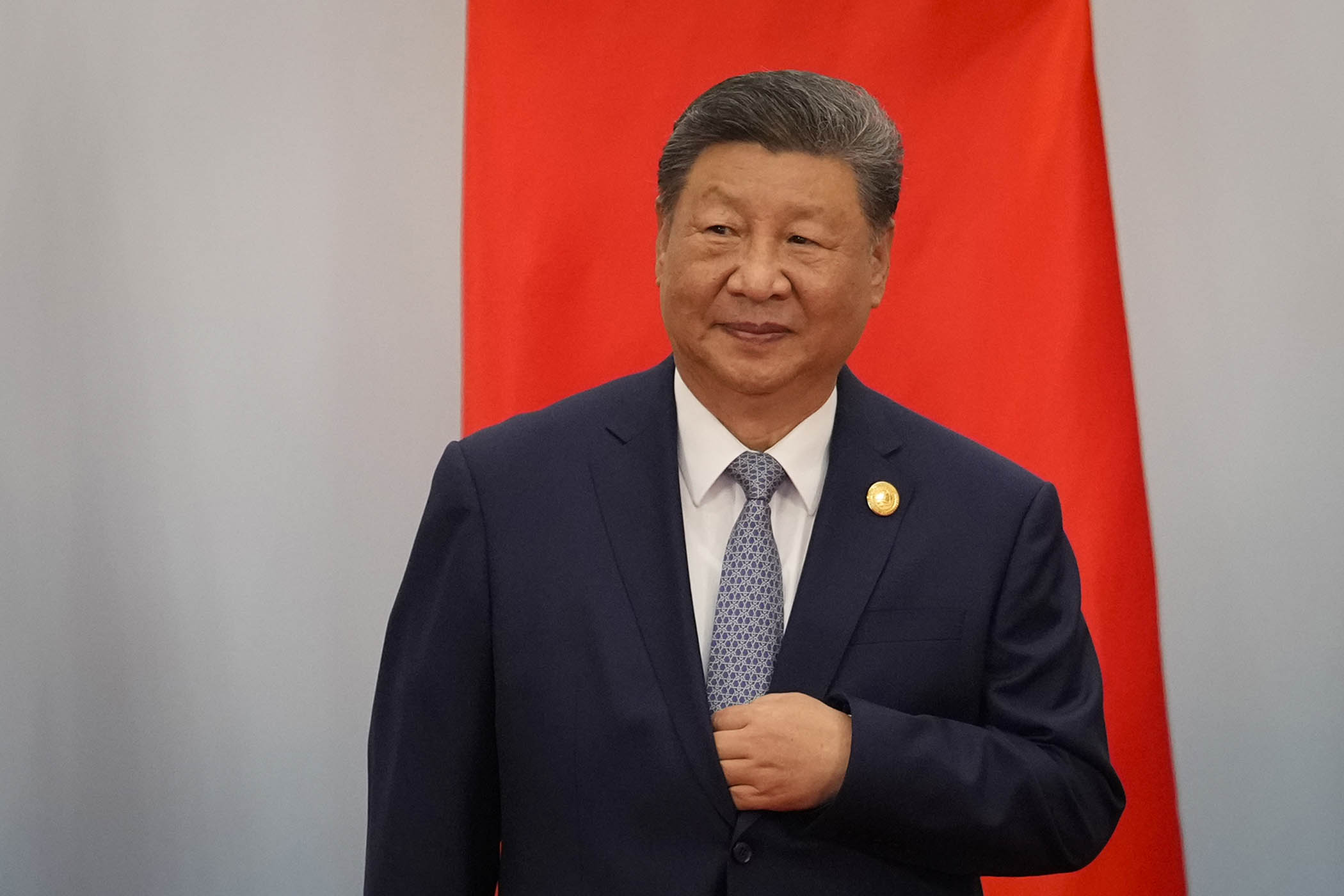


Xi Jinping is a dictator who has crushed all dissent, purged most of his senior military officers and been accused of committing genocide. China allows no freedom of speech, no freedom of assembly and no press freedom. It is, in other words, the very opposite of a liberal democracy. Yet there is arguably no leader Donald Trump admires more than Xi.
It’s the autocracy that attracts him. A few weeks before his re-election in 2024, Trump told the podcaster Joe Rogan: “The press hates it when I call President Xi ‘brilliant’. Well, he’s a brilliant guy. He controls 1.4 billion people with an iron fist. He’s a brilliant guy whether you like it or not.”
In 2018, just after Xi changed the Chinese constitution to abolish term limits, Trump mused admiringly that Xi was now “president for life… I think it’s great. Maybe we’ll give that a shot some day.” He has called him “a very good friend”, “a strong guy” and said they “love each other”.
That the US president admires authoritarian leaders more than democratic ones is no longer a shock. He praises Vladimir Putin, then castigates Volodymyr Zelensky; he coos over the royals of Saudi Arabia, Qatar and the UAE while mocking Keir Starmer, Emmanuel Macron and Friedrich Merz.
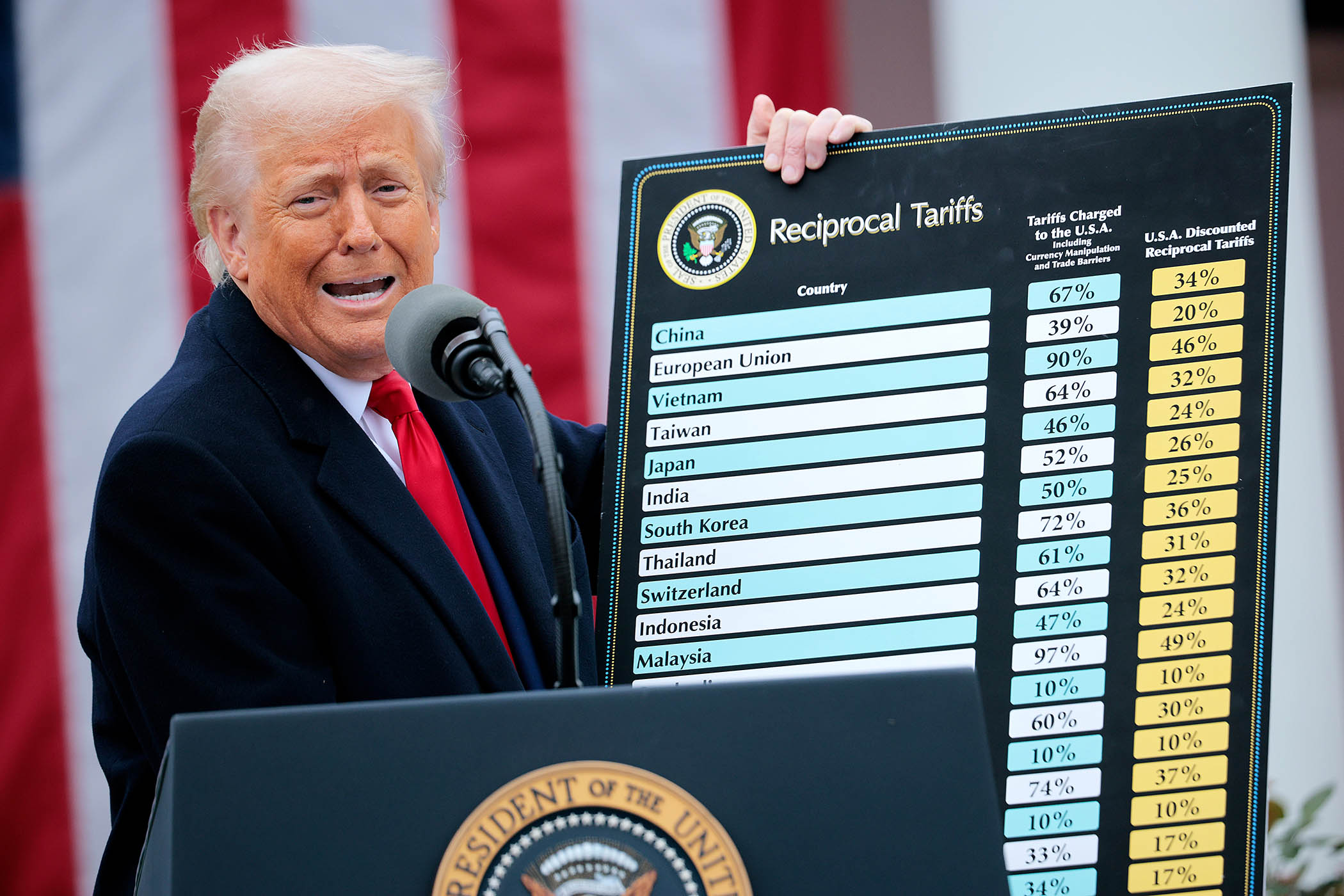
But the relationship with Xi could be the most consequential. The two most powerful leaders in the world will meet in Beijing later this month for the first of potentially four face-to-face meetings this year. In an era when multilateralism is under threat, the “G2” could become the committee that rules the world.
Despite the drama around Trump’s “on again, off again” tariff war with China, this is an administration that would far rather China were an ally than an enemy. For proof, it’s worth returning to the national security strategy that the Trump administration published last December.
Much of its focus was on America’s imperial ambitions in the western hemisphere and its attacks on Europe’s liberal democracies. But take a look at what it had to say about China, a nation that previous administrations – both Democrat and Republican – had seen as a national security threat and a danger to democracy.
While Europe was dismissed as facing “civilisational erasure”, the National Security Strategy (NSS) had only praise for China, a nation that had “got rich and powerful, and used its wealth and power to its considerable advantage”.
The passage on Taiwan was even more surprising. In a six-paragraph section headlined “deterring military threats”, it did not once mention the country whose military threats the US might wish to deter.
Trump’s support could embolden China to increase its military threats, while also building stronger ties with Taiwan’s pro-Beijing opposition
Trump’s support could embolden China to increase its military threats, while also building stronger ties with Taiwan’s pro-Beijing opposition
Since 1979, America’s official position has been that “the US does not support Taiwan independence” and won’t officially recognise it as a nation state. But it has sold weapons to Taipei and there has been a tacit acknowledgment that the US would come to Taiwan’s aid if it were invaded. China has long wanted the language to be changed to “the US opposes Taiwan independence”, a formulation that opens the door to the US choosing not to intervene were Beijing to make a move.
Newsletters
Choose the newsletters you want to receive
View more
For information about how The Observer protects your data, read our Privacy Policy
In Trump, China finally has a leader who may be willing to agree. The change may be semantic, but the consequences could be seismic. It could embolden China to increase its military threats, while also building stronger ties with Taiwan’s pro-Beijing opposition, whose leader recently visited Xi.
Democracies in southeast Asia have, for decades, based their diplomatic and military policies on the understanding that the US is on their side. Were Taiwan to move into China’s orbit, it could lead those nations to rethink their assumptions.
A China able to project naval power off the coast of Taiwan along the First Island Chain, could threaten Japan, South Korea, the Philippines, Vietnam and Indonesia. Japan, which is already breaking with its post second world war pacifism, may consider acquiring a nuclear weapon. South Korea, which already faces the threat of a nuclear armed North Korea, may do the same.
The collapse of the multilateral world – the sidelining of the G7, the G20 and the UN Security Council, the fears over the future of Nato, the refusal of the US to stand up for human rights and democracy – has ushered in a world of military powers acting without restraint. So far this year, we have seen what this means in the western hemisphere and the Middle East. We may soon see what it means in East Asia too.
Photograph by Suo Takekuma/Pool/Getty