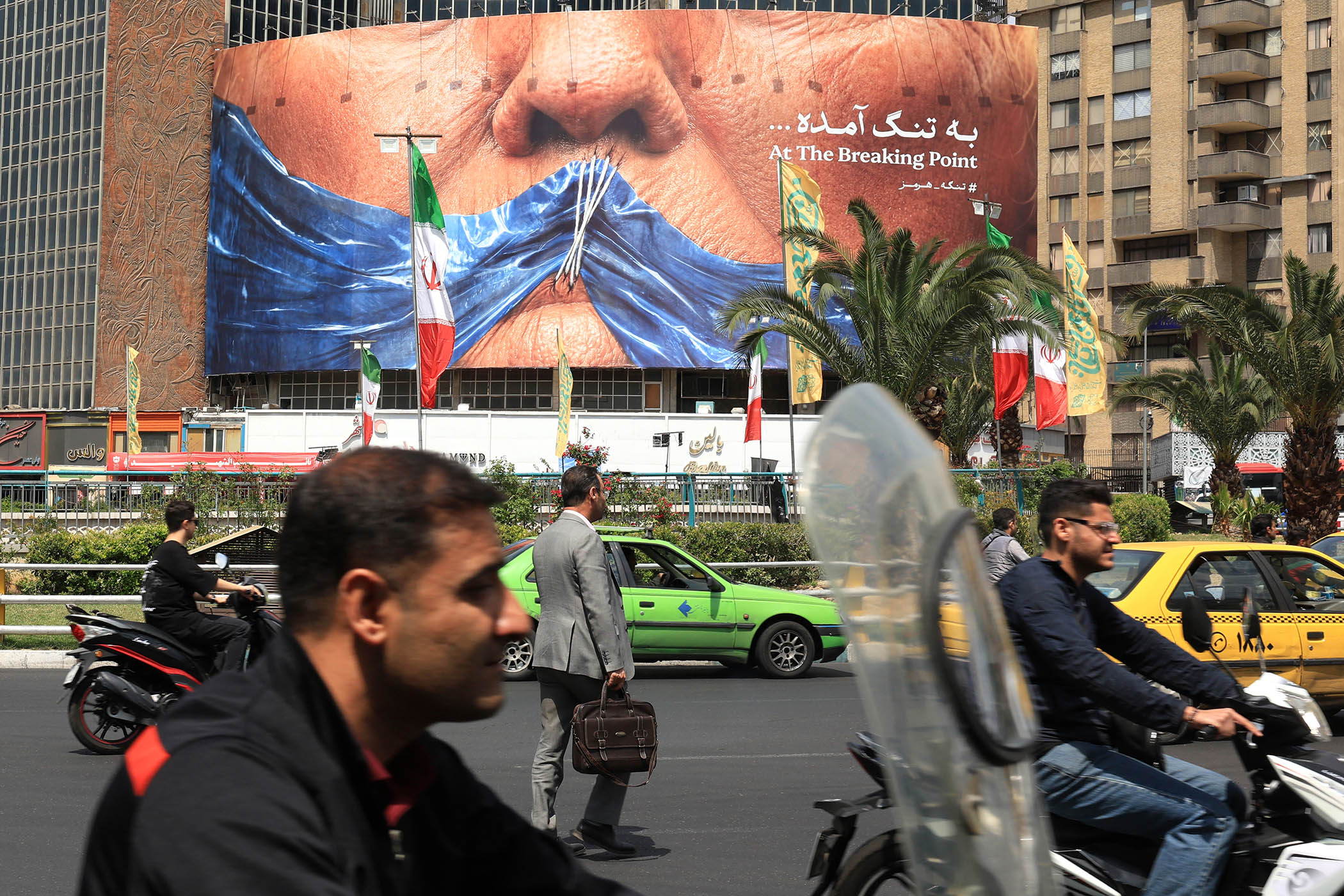

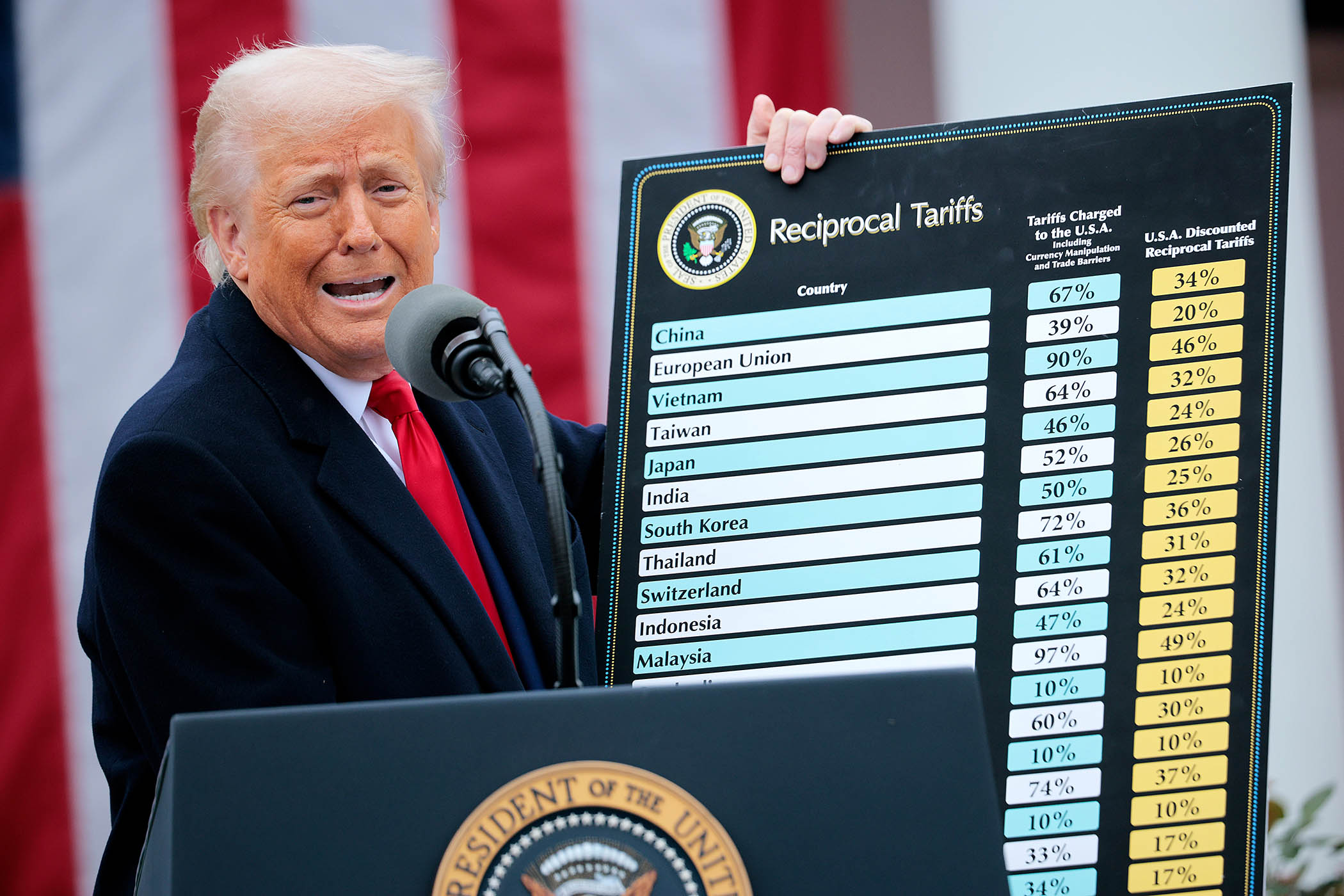
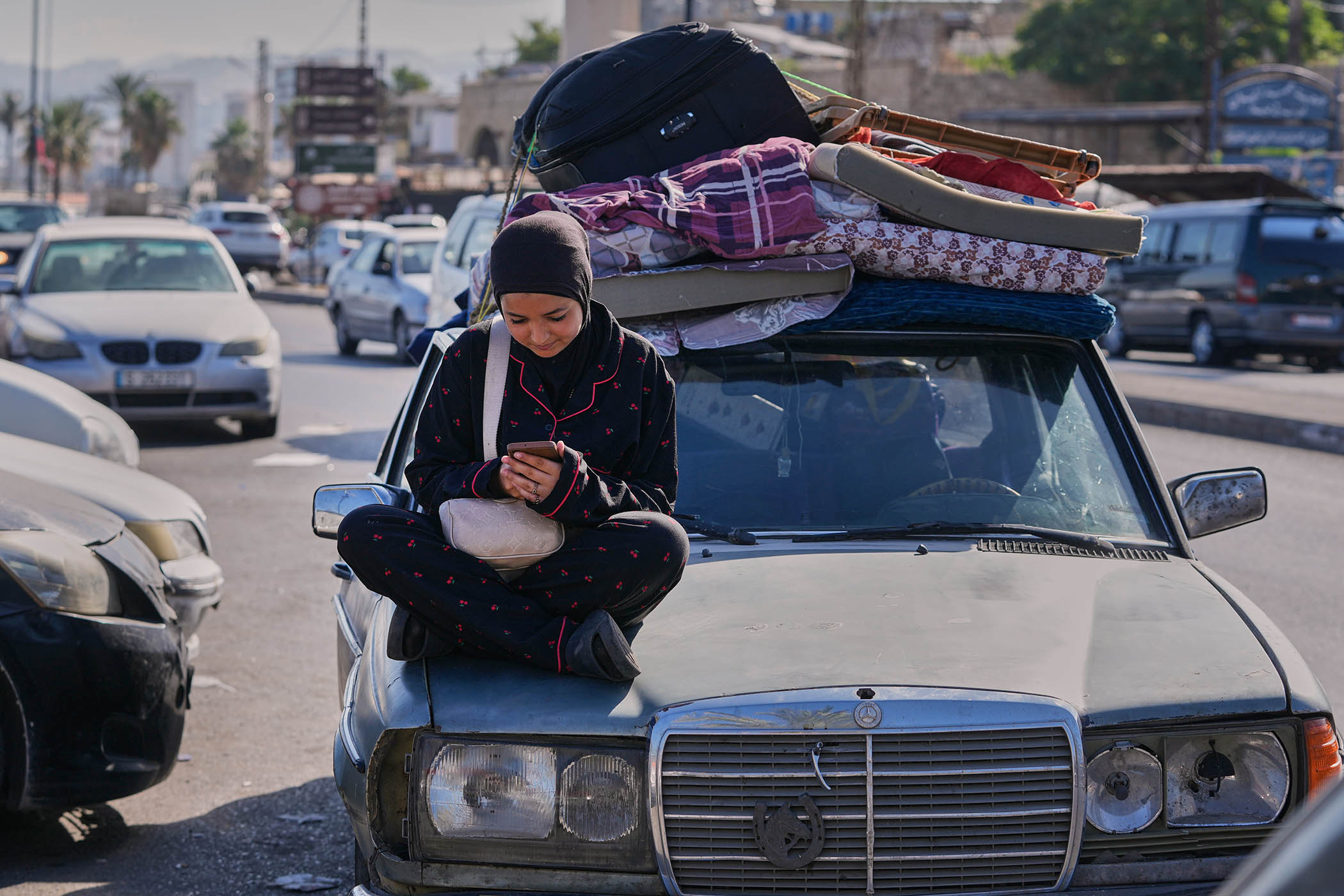
Donald Trump's announcement that the US military will deploy to the Strait of Hormuz has set the stage for a new confrontation with Iran. Pledging that 15,000 US forces and warships armed with guided missiles will accompany commercial vessels through the waterway, Trump labelled the initiative "Project Freedom."
Whether it will free an estimated 20,000 seafarers stranded on over 1000 ships in the Persian Gulf is unclear. Iran pledged to attack "any foreign armed force," entering the strait, "especially, the aggressive US army". Iranian attacks on commercial shipping have also continued in defiance of Trump: a bulk carrier was swarmed by smaller Iranian boats before his announcement, and then an Emirati oil tanker was hit by a drone fire several hours afterwards before a South Korean cargo ship anchored in the Strait of Hormuz reported “explosion and fire” on board after it was struck.
Early on Monday afternoon Iran’s Fars news agency, linked to the Islamic Revolutionary Guard Corps, claimed two missiles struck an American frigate: the US military denied any of their ships were hit, later adding that they escorted two US-flagged vessels through the waterway without incident. Stephen Cotton, general secretary of the International Transport Workers’ Federation, said Trump’s grand plans do not guarantee safe passage for thousands of stranded sailors. “No seafarer, no vessel, should be asked to transit the Strait of Hormuz without a full guarantee of safety,” he said. “At the moment, there is little clarity on how Project Freedom will provide safe evacuation, nor assurance from Iran that transit will be guaranteed.”
For two and a half weeks the US has attempted to enforce its blockade of Iranian ports, as marines descended from helicopters onto the decks of commercial ships, forcing 49 to turn around, with the aim of blocking vessels anywhere from reaching Iran and bringing its economy to its knees.
So far, it has not worked. The US blockade has yet to force Iran back to the negotiating table and there are few signs Tehran is willing to reopen the Strait of Hormuz. Iran kept it closed last week, even as 28 of its ships slipped through the US blockade by turning off their tracking systems, according to Lloyd’s List Intelligence, and two covertly loaded oil near Kharg Island. There were only 46 other crossings of the strait last week, based on shipping data from S&P Global Market Intelligence.
The ripple effects of the closure have included raised prices for flights and food in Europe, schools closed in Pakistan to save energy and mass protests in the Philippines over rising fuel costs. The UAE has said it will leave Opec, presaging an oil price war, and the UN has said tens of millions of people could be pushed into poverty, while 45 million more risk starvation because of fertiliser shortages if the crisis continues.
In public, at least, the leaders at the centre of it all appear content with the stalemate. Iran’s reclusive new supreme leader, Ayatollah Mojtaba Khamenei, declared that “a new chapter for the Persian Gulf and the Strait of Hormuz is unfolding”. Asked if he was willing to maintain the blockade, even perhaps for months more, Donald Trump told reporters: “The blockade is genius, the blockade has been 100% foolproof... Now they have to cry uncle… Just say: “We give up.’”
The war on Iran is two months old but stuck in limbo. A shaky ceasefire punctured by Israeli attacks on southern Lebanon remained in place last week as Iran delivered a list of terms to Pakistani mediators, chief among them a tentative offer to reopen the strait if the US ends its blockade of Iranian ports and withdraws troops positioned near Iranian borders. Tehran is seeking an agreement within 30 days on a permanent end to the war, looking to postpone the thorny issue of nuclear talks until later. Trump appeared to reject Iran’s initial offer, and reiterated threats to resume bombing, before issuing a response to Tehran via mediators in the hours before deploying troops to the strait. Tehran has said negotiations are impossible until the US ends its blockade: its foreign minister, Abbas Araghchi, said Washington needs to end its threats and “expansionist approach”.
European leaders are desperately seeking an end to the mounting economic pain. Britain and others are preparing to start mine-clearance operations as soon as a deal is agreed.
An isolated Trump has lashed out at critics of the war, ordering the removal of 5,000 US troops from Germany and taking to social media to attack its chancellor, Friedrich Merz, who said Washington was being “humiliated” by Iranian negotiators and lacked an exit strategy. The US defence secretary, Pete Hegseth, also attacked his critics when questioned by Congress last week, despite admitting the war has already cost more than $25bn and faltering when asked about the rationale for starting it after the US destroyed Iranian nuclear facilities last year
Newsletters
Choose the newsletters you want to receive
View more
For information about how The Observer protects your data, read our Privacy Policy
Iran’s leaders appear determined not to blink. Ahmad Vahidi, head of Islamic Revolutionary Guard Corps, has been pushing a hardline position, including keeping control of the strait. Despite this, the White House believes the US blockade will soon force talks, not least because Iran will soon run out of oil storage.
Without space to store crude, it could be forced to stop pumping oil altogether, so Tehran has possibly cut production to buy time, said Homayoun Falakshahi of the commodities intelligence company Kpler. But Iran's ability to withstand the blockade may hinge more on whether it can offload about 120m barrels of oil now floating east of Singapore that it hopes to sell to China.
The Iranians and the White House are telegraphing that a return to military strikes could break the impasse
The Iranians and the White House are telegraphing that a return to military strikes could break the impasse
That would provide approximately 10 weeks of import revenues, essential to pay its forces and stabilise a limping economy that was already fragile when Iranians took to the streets last December, Falakshahi said. Without income from this sale, the regime teeters further towards economic collapse and risks more discontent. The White House calculates that if Iran cannot sell this oil, it will be forced to resume talks. If the strait stays shut, oil prices could soar past $200 (£147) a barrel, according to Ken Wattret of S&P Global Market Intelligence. That could tip western European economies, including Britain, into recession and slow the economy in the US. Even if it reopens tomorrow, he said, the impact will last months
The Iranians and the White House are telegraphing that a return to military strikes could break the impasse; Trump was reportedly briefed last week on military options in Iran. A White House spokesperson did not deny the briefing took place, or that Trump told aides to prepare for months more of the blockade.
For now, the White House appears unwilling to negotiate in earnest yet keen to claim victory, even with the global economy on a glide path to disaster and Trump’s approval ratings falling.
Alon Pinkas, a former Israeli consul general in New York, said Trump’s actions showed he “either doesn’t understand or he doesn’t care”.
Photograph by AFP via Getty