

Translated by Jessica Cohen
On my first day of high school I was issued a student ID. It was a light blue cardboard rectangle with the school logo above my photograph, name and national ID number. On the other side of the card was an uncredited quote (which I would later learn is widely but mistakenly attributed to Albert Camus), that said:
“Don’t walk in front of me, I may not follow. Don’t walk behind me, I may not lead. Walk beside me, just be my friend.”
I don’t think a day went by during my high school career when I did not read those lines on the card I kept in my back pocket. I didn’t plan to, it just happened, like some sort of tic. After gym class or in the middle of physics lab, the light blue piece of cardboard would pop out of my pocket of its own accord and the quote would issue from my lips in a murmur, the way devout Jews habitually whisper the Shema Yisrael prayer.
In some sense, those lines became my credo: the desire to exist in a space where I am neither controlled by nor in control of anyone. This is much harder than it sounds. The difference between standing firm in your opinions and imposing them on someone else can seem vague and confusing – it’s a slightly acrobatic act, like walking the tightrope. And the more social media looms large in our lives, the less feasible it gets.
The dynamics of social media always involve a fight for control. There’s a reason all the entities we interact with online are called “followers.” And if the only options are to either follow or be followed, it’s natural to pick one: be the leader or be led. The third way – to “walk beside” someone’s story or reel and be its friend – is virtually impossible.
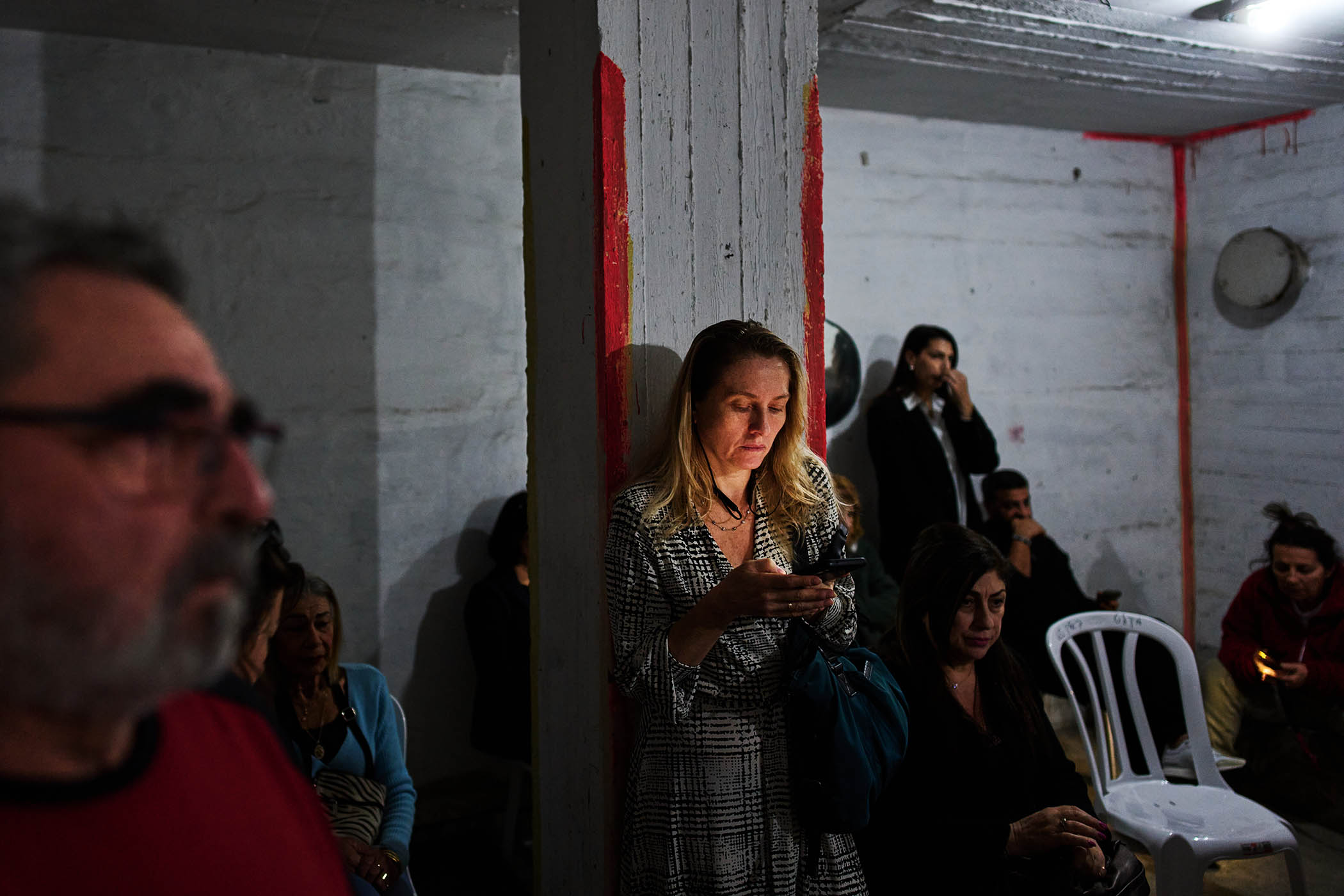
As I sat in a bomb shelter for many hours over the past week, I couldn’t help thinking back to those lines Camus never wrote. There I was, trapped in a closed space, thrown into intimacy with people I didn’t really know, waiting for a faceless message from the Home Front Command to pop up on my phone and tell me it was safe to leave the shelter. There are many ways one might justify the current conflict with Iran, but the last thing you can say about this war – or about any war – is that it is a friend who walks beside us. It’s not as if running to the bomb shelter in the middle of the night is sometimes my idea and sometimes because there’s an air-raid siren. Or that decisions about the war’s goals and how long it will last are made collaboratively. War always demands to lead, and the only real freedom we have as civilians in a nation being bombed on a regular basis is how much control to give it over our lives. In other words: to what extent do you let the conflict be your leader? Should you reduce your entire existence to passively responding to orders handed down by the masters of war?
Since the war started, I’ve stubbornly tried to put up a good fight against its tyranny by creating a daily routine that derives from myself and my own volition, and is not solely dependent on blaring sirens and whistling missiles. This could mean going for a walk on the beach, trying and failing to write, or doing some bunny yoga on the living room rug – any action that comes from me and which I feel I’m choosing. I try to falter along beside the war instead of letting it lead me back to familiar realms of helplessness and fear. But newspaper editors around the world keep emailing to ask if I can explain the meaning of the war to their readers, as if this is some project that I’m part of. As if I could send in a slide show to neatly clarify the situation, rather than point out the many fears – some justified, some less so – of US and Israeli leaders who are mostly concerned with their own political survival. It would be embarrassing to write an op-ed for a major news outlet in which I confess that it’s been a long time since I really understood what’s happening in the world, and that while I once felt confident about delving in and predicting which way it was heading, I can’t pull that off any more.
The boy with the bowl-cut sitting next to me in the bomb shelter is looking at his phone, and I find myself staring at the screen along with him. So we both watch an animated AI monkey-boy going about various household tasks: pulling weeds, sweeping the floor, washing the dishes – all the things we used to do before the dishwasher and the Roomba were invented. The hardworking monkey-boy has apparently never come across that quote on my school ID, and seems happy to let life and the app lead him wherever they wish. The real boy, and the other people in the shelter, are just as tractable. Those light blue days of cardboard IDs, when we aspired to walk beside life, may never return. In the next war, we’ll probably stare at newer AI videos, in which a busy little monkey-boy sits in a bomb shelter staring at its phone. Doing nothing. Just like us.
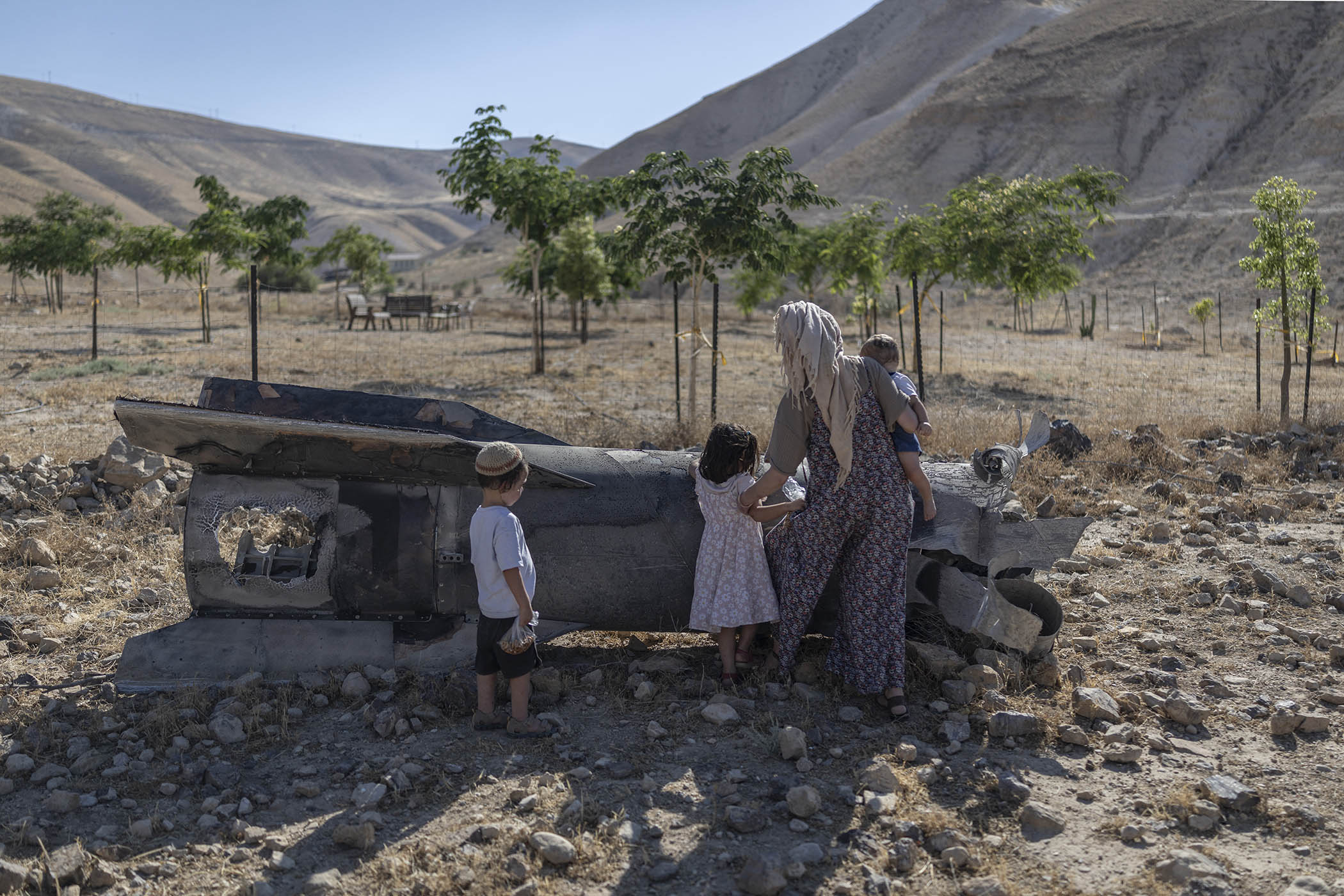
Photograph by Oded Balilty/AP
Newsletters
Choose the newsletters you want to receive
View more
For information about how The Observer protects your data, read our Privacy Policy