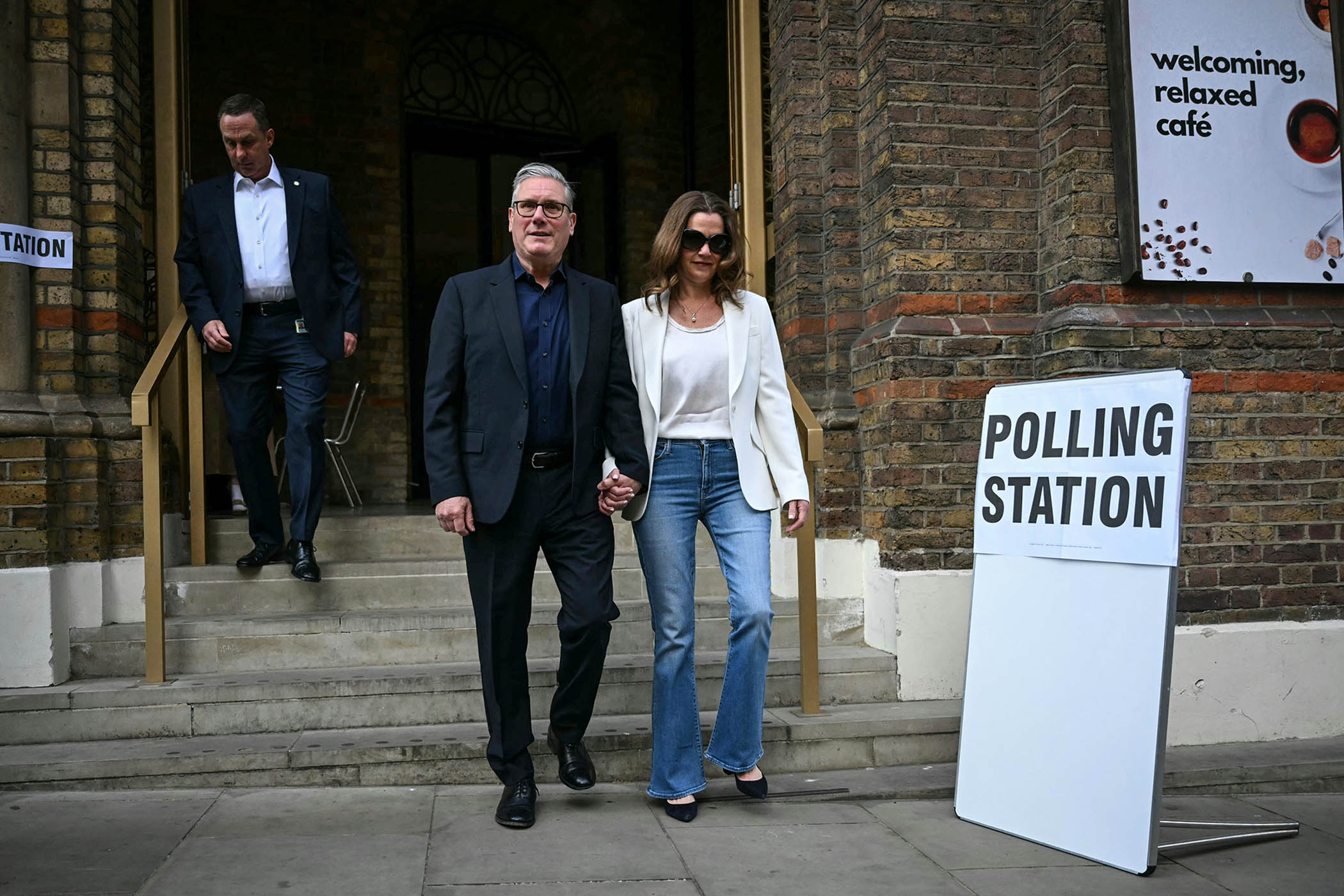

Local elections are supposed to be about bin collections, playgrounds and parking controls but there is so much more at stake as millions of voters go to the polls today. The council elections in England, along with votes for the devolved administrations in Scotland and Wales, have huge national implications for the future of the prime minister, the union and the political system itself.
Keir Starmer’s leadership is already hanging by a thread. For months now, Labour MPs and cabinet ministers have been moaning about the prime minister. The Peter Mandelson affair only intensified pre-existing anxieties about his judgment and leadership style. The plots, speculation and gossip have been relentless but there has been no firm plan to oust Starmer because nobody else wanted to take over ahead of what are expected to be terrible results for Labour.
Everyone has been pointing to 7 May as judgment day, and now it has arrived there will be nowhere for the critics to hide. The prime minister has made clear he is going nowhere, so the potential challengers, and the backbenchers agitating for a change, must decide whether to pull the trigger or stick with their leader for a few months at least. It’s time to “put up or shut up”, as John Major once told his Eurosceptic critics.
For all the noise, one thing is clear: the leadership contest, whenever it happens, will ultimately be a battle between a candidate of the soft left and a representative of the Labour centrists. This is the prism through which all the speculation should be seen. Andy Burnham has emerged as the preferred option for those on the left, which is why his supporters are pushing for the prime minister to set out a plan for his departure in the autumn, giving the Greater Manchester mayor time to get back into parliament. Ed Miliband and others from this wing of the party are expected to weigh in behind Starmer this weekend because they want to give Burnham a chance to stand.
The question then is: does the centrist Wes Streeting, or someone acting on his behalf, try to force the pace? If he does, Angela Rayner would almost certainly put her name forward as the standard bearer of the left because she would not want to give the health secretary a free run at the top job. Nobody knows quite how the next few days will play out. What happens will be driven by the scale of the Labour disaster and the emotional reaction of MPs and ministers.
The party is haemorrhaging support to Reform on the right in so-called “red wall” areas and to the Greens on the left in the progressive cities. One senior figure suggested that Labour would be lucky to keep five of the 50 councillors it has on Sunderland council. In London, it could lose places like Hackney to Zack Polanski’s party. Labour is defending 2,557 council seats – anything between 1,500 and 2,000 losses would leave MPs moving from frustration to fury.
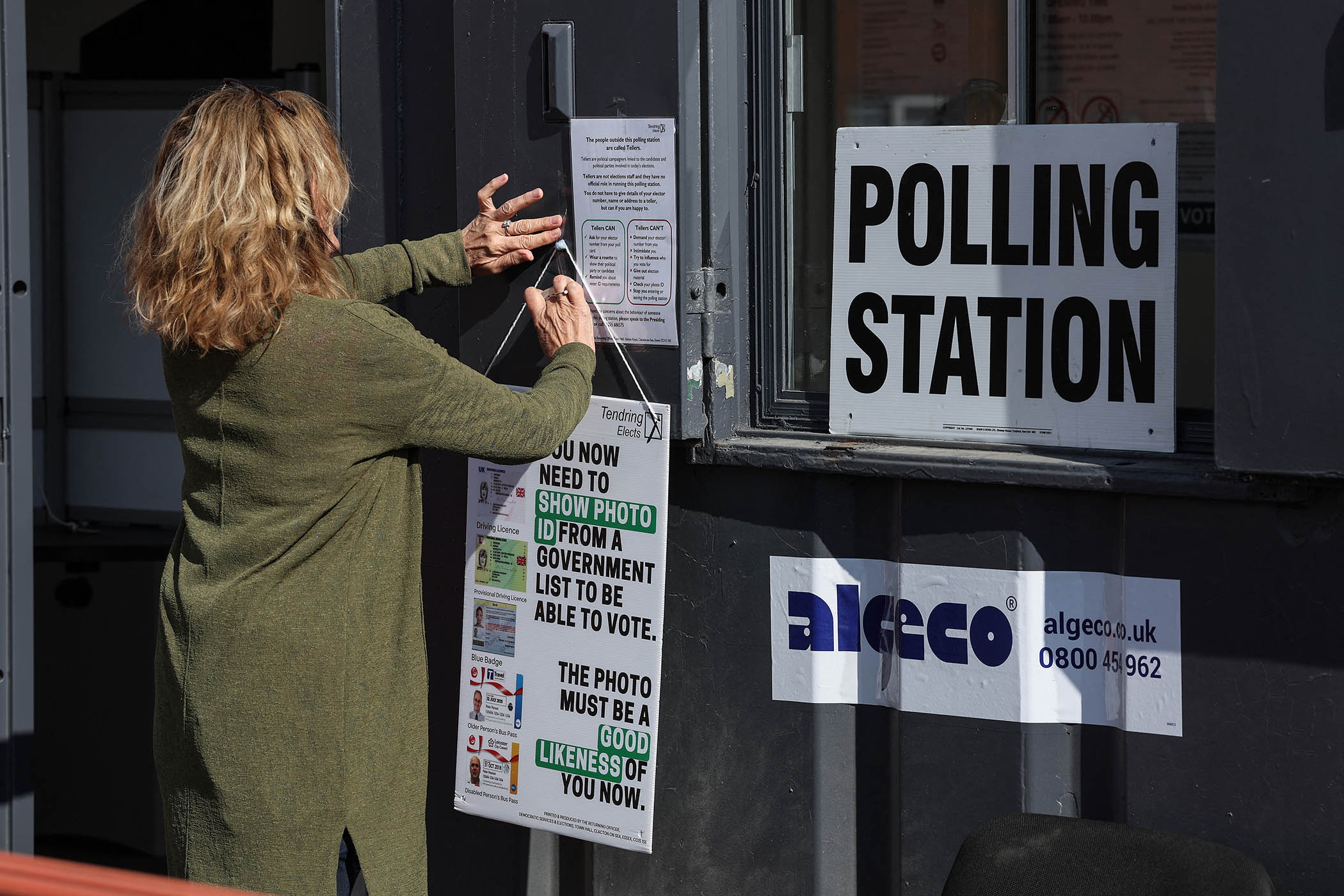
The party is also expected to lose in Wales for the first time in a century. Polls suggest it will slump into third place, behind Plaid Cymru and Reform. Anas Sarwar, the Scottish Labour leader, has already called for Starmer to resign – if Eluned Morgan, the Welsh Labour leader, adds her voice to his and urges the prime minister to quit, that could create momentum for others to join in. One Labour grandee who has until now remained loyal says: “There does come a point where if things are as bad as we think they are then we’d all be going down with the ship. MPs and councillors tell me it’s not just an antagonism or even a dismissal, it’s actually hatred of Keir on the doorstep. We live in a very unpleasant moment in political history where what in the past would have been disdain is now much nastier.”
As the mood turns angry, the union is under greater threat than at any time in its history. If Plaid Cymru takes power in Wales it will put nationalists in charge of three out of the four nations of the United Kingdom. The Scottish Nationalist party has made clear it would push for a new referendum on independence if it is the largest party in Holyrood, even if it fails to win an overall majority, because it could rely on the support of the pro-independence Scottish Greens. Plaid Cymru would almost certainly follow suit in the Senedd, increasing pressure for a border poll in Northern Ireland. There are signs of growing collaboration between the nationalist parties, with SNP and Plaid conferences welcoming visitors from Sinn Fein.
The bond markets are already reacting nervously to the instability in UK politics, but it is about to get worse. With insurgent parties of left and right in the ascendancy, the traditional two-party duopoly at Westminster is collapsing. Last week’s Opinium poll for The Observer put Labour and the Conservatives together on just 37%. The fragmentation of politics will be compounded by the rise of independent candidates who are likely to do well in some areas, often driven by the crisis in Gaza. It is another rejection of the established mainstream political parties and the status quo. The defining feature of politics at the moment is the anti-politics mood. People want change and they will keep voting for it until someone delivers.
Photograph by Justin Tallis, Chris Radburn /AFP via Getty Images
Newsletters
Choose the newsletters you want to receive
View more
For information about how The Observer protects your data, read our Privacy Policy