

Hollywood’s most powerful are about to have their moment in the spotlight – not the nominees in the leading actor categories but, for the first time, the casting directors who landed them the roles. The trouble is, it will not come naturally to the industry’s backroom fixers.
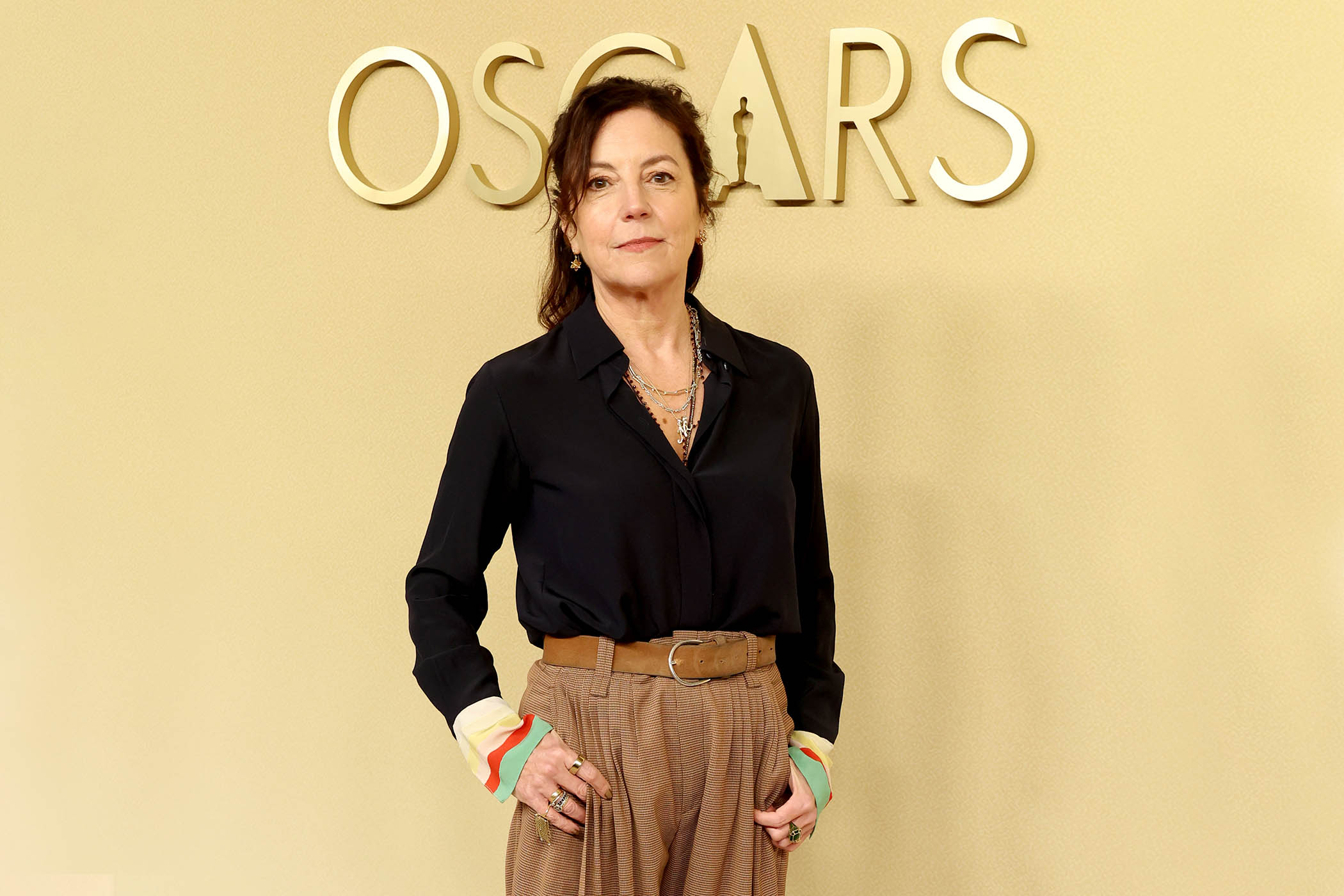
“I’ve attended two Oscar ceremonies before, but now there’s a whole new level of fear and adrenaline to deal with,” said Nina Gold this weekend, speaking from Santa Monica Boulevard, some distance from her home in Queen’s Park, London.
Tonight she is in competition with the casting teams behind Marty Supreme, One Battle After Another, The Secret Agent and Sinners for an Academy Award.
Gold’s status in her field is clearly spelled out by the titles of the many hits she has cast, including Conclave, the Star Wars franchise, The Martian and Paddington, as well as TV shows Game of Thrones and The Crown.
But it is the Oscar-tipped Hamnet, the Bafta-winning story of William Shakespeare’s private life, which could now earn her a golden statuette. She has not written an acceptance speech yet though. “The odds are not in my favour,” she said. “I mean, the casting of all these nominated films – all really, really different– let’s face it, they’re all really great. At least I’m in there.”
Gold, 59, is still choosing between dresses, but will certainly be wearing some “mind-blowingly fabulous” jewellery donated for the occasion. So there are consolations if the Academy votes another way.
Surrounding her in Hollywood’s Dolby Theatre will be many stars whose careers she helped build by giving them defining roles. Envisaging, say, the top hat on Timothée Chalamet that made him Wonka. Or, in the case of Eddie Redmayne, steering an actor away from a misstep. The English star claims he failed to deliver in an audition for Star Wars: Episode VII – The Force Awakens. “You got anything else?” Redmayne says Gold asked him after 10 shots.
Charisma, Gold says, is a key attribute, but star-making is not her priority. “The whole star-quality thing is still so indefinable and ineffable. I don’t spend a lot of time thinking about whether a person is going to be famous. You have to just apply yourself to each individual role. Someone will be amazing in one thing, but not necessarily right in another.”
Group chemistry often counts more: “I love watching an ensemble which is not necessarily star-driven but has a bunch of brilliant performances.” Some Oscar pundits have suggested Sinners scores on this front, but Gold pushes back. “Well, Sinners has also got an enormous star in it in Michael B Jordan. But, yes, it is a pretty good cast.”
Gold’s own proudest coups include casting Timothy Spall as Mr Turner and finding her ensemble for the TV series Chernobyl, but she admits film producers and backers often want an international “tentpole” name. “The name game is definitely a thing and people talk about it all the time. It doesn’t necessarily translate into box office profit, in my opinion.”
Newsletters
Choose the newsletters you want to receive
View more
For information about how The Observer protects your data, read our Privacy Policy
Gold has seen more women climb up to the kind of status that can get a film greenlit (“thank God”), but is surprised by how fixed the top male ranks stay: “The list of leading actor names moves very slowly.”
Her Hamnet cast has a tilt towards the Irish. Gold grew up in Wales and confesses to a feeling for Celts.
“They are pretty great, aren’t they? It is not just Jessie Buckley and Paul Mescal, there’s also Shakespeare’s dad, David Wilmot, and Justine Mitchell, as Jessie’s step-mother. But it was not a plan or a policy. It just happened that way. All of them are individually completely brilliant, and just happen to be Irish.” Perhaps, she wonders, she was influenced by Maggie O’Farrell, the Anglo-Irish author of the original novel.
The crucial casting skill, Gold believes, is an intense interest in acting and in narrative character. The first credited casting director was Lynn Stalmaster, who was behind the original Thomas Crown Affair in 1968. He later got a one-off honorary Oscar. Gold hopes the new category will establish the significance of the work: “It will be great if it takes away this feeling of us not being considered as important as all our creative colleagues.”
And what of those second-choice stars; the actors who found fame by chance? “Nobody wants to think they were not the first we offered it to. Once a person defines and owns a role, it’s hard to remember there could ever have been a different way.” So the real secrets, Gold says, will only be revealed in her memoirs, after she has retired: “When I never need to work in this town again, I can spill all the beans.”
Photograph by Monica Schipper/WireImage