



Over the past nine years Debbie and Les Cope from Stockport have taken in 12 foster children, raising them alongside their own three daughters. They are now fostering two young people, aged 17 and 10, as well as a four-month-old baby. At Christmas there were 20 for lunch, including their 10 grandchildren.
“The best thing we ever did was to foster,” Debbie, 62, said. “I’d be lying if I didn’t say there were difficult days. Often these children are troubled and they’ve got trauma that they’ve brought with them. But they’re still children, and they deserve the best. If you walk in here you are part of our family.”
In future the Copes will be able to take in even more young people. They have just completed an extension to their house, paid for by a £65,000 grant from Stockport Council under a groundbreaking scheme for foster carers in the area.
An extra bedroom and bathroom have been added to their three-bedroom property as well as a bigger kitchen for the expanded family under the Greater Manchester Room Makers programme.
Christine McLoughlin, director of children’s services at Stockport council, said a place in an independent children’s home costs about £5,500 a week, or £286,000 a year. Funding the Copes’ building work is equivalent to paying for less than 12 weeks to keep a child in residential care. “It’s a no-brainer,” said McLoughlin. “It saves a lot of money, and more importantly it’s better for the children. Their outcomes are significantly improved if they’re in a home situation rather than a residential unit. The evidence is absolutely compelling.”
Now the government is planning to introduce the scheme across England as part of a radical strategy to boost fostering, to be unveiled next month. Foster parents will be able to have an extension, conversion or refurbishment funded by the state on top of their routine payments. They will also be able to get help with planning permission and managing the project.
Josh MacAlister, the children’s minister, said it was “common sense” to increase the number of children existing foster carers can take in. “They are opening up their homes already and are providing that love and support for children in care who desperately need it,” he said. “I want to see Room Makers everywhere in England.”
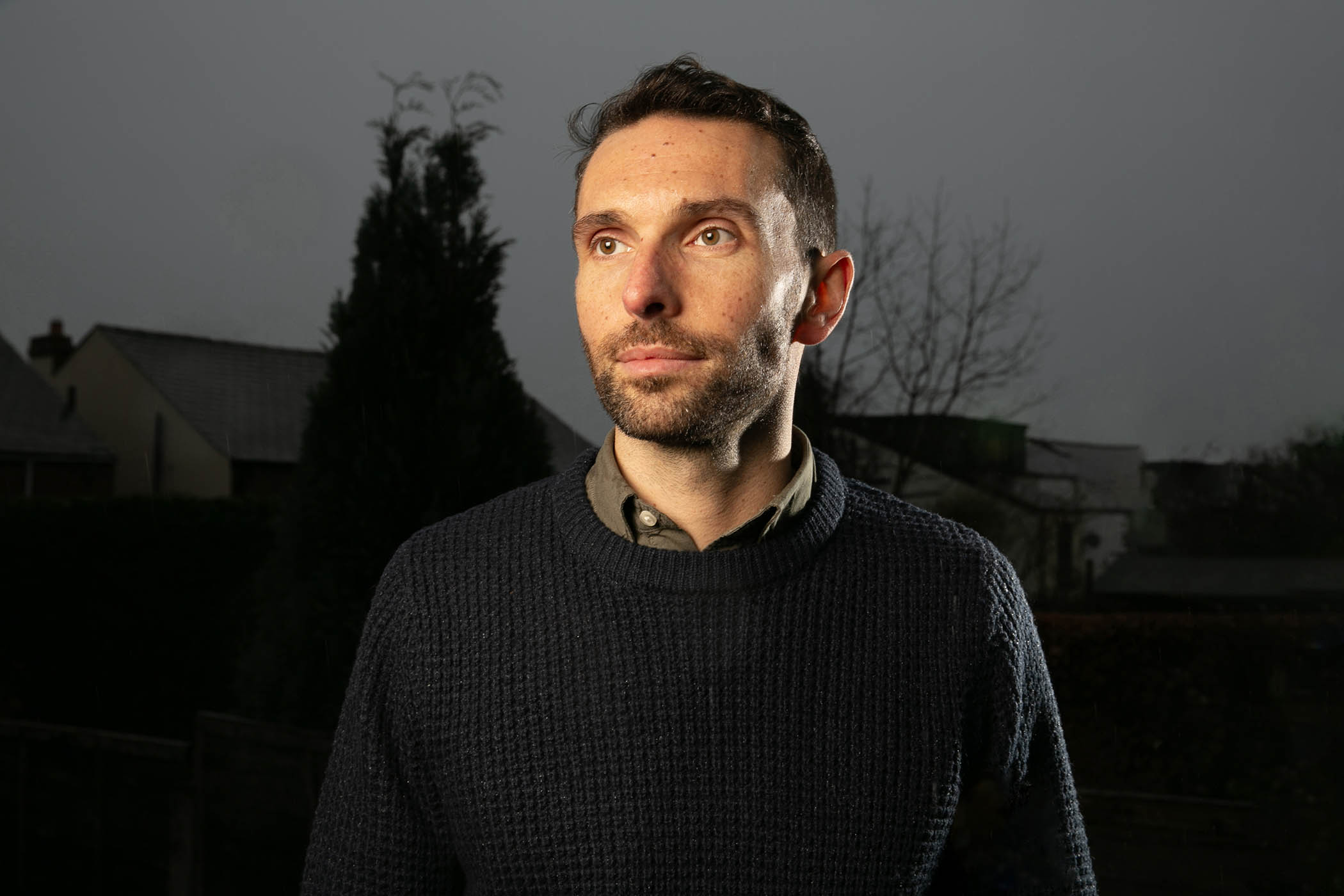
Josh MacAlister, the children’s minister
The initiative will be part of a drive to create an additional 10,000 foster home places for children in care.
“One of the things we need to do to boost foster care numbers is to look at who’s currently fostering and say, could you have more children living in your home? If you’ve got kids who are in your care who’ve got brothers and sisters in care, could they live under the same roof?” said MacAlister.
The children’s minister, who set up Frontline, a charity that recruits high-flying graduates into social work, and who conducted a review of social care for Michael Gove under the last Conservative government, said the fostering system “needs a fundamental rethink” in order to meet the requirements of some of the most vulnerable children in society.
Newsletters
Choose the newsletters you want to receive
View more
For information about how The Observer protects your data, read our Privacy Policy
“Children need loving, lifelong connections and it is really hard for residential care to provide that. It’s what foster care is all about,” he said. “Homes for Ukraine went from zero to 100,000 homes within a year. We need the equivalent of that national mission to get thousands of extra places for children to grow up in foster homes.”
There are some children in care, particularly those with complex or additional needs, who benefit from the stability that residential care homes provide. Foster care is not a fix-all. But it is a crucial part of the care system.
At the end of March 2024 there were 83,630 children in care in England, of whom 56,390 were being fostered, but the number of foster carers is dropping. Last year there was a total of 42,615 fostering households in England, compared with 45,370 in 2021. There were 4,055 new homes approved, but 4,820 left the fostering register.
“We’ve seen over the last few years a slow decline in the number of foster homes available at the same time as the private market of children’s homes is soaring away, and that’s making local authorities go bust. It also means we’ve got children in care and leaving care who don’t have those networks and are left isolated,” said MacAlister. He wants to create greater flexibility in the system to make it easier for people to foster children in care. “There might be a working family where they only look after them half the week,” he said.
In some cases a young person is able to spend part of the time with their birth parents and so does not need a full-time foster family. Weekend fostering is another option, and teachers could be fast-tracked to foster pupils in their school.
“We’ve got 22,000 schools – if in a quarter of them one head of year was able to be fast-track approved in case of an emergency foster placement being needed, how great would that be?” the minister said. “I want that diversity of options and at the moment that just isn’t there, which is why children are too often being sent to live really far away from who they already know, their friends and their school.”
Teenagers awaiting trial could also be sent to live in a specialist foster home instead of a secure unit. “I’m really concerned about children in the youth justice system, who are on remand, who are in Young Offenders’ Institutions that are just not fit for purpose. There should be a choice of remand fostering,” MacAlister said.
He is also planning an overhaul of the paperwork and bureaucracy around fostering. Last year more than 130,000 people expressed an interest in fostering in England, the minister said, adding: “In some cases the fostering approval process takes longer than an approval process for an adoptive family, which is crazy. We’ve failed to keep the fostering system up to date with technology.”
MacAlister said the system was too risk-averse: “There is a mindset, at times, of running the care system in a way that protects the adults that are in charge of it. The consequence of that right now is massive risk for young people who don’t have the homes to live in that they need.
“I get serious incident notifications every two weeks for children who have been killed, or committed suicide, or had really serious abuse, and of young girls who are victims of child sexual exploitation.”
Many of those children, MacAlister said, are in care. He added: “The risk is that we leave thousands of children isolated, lonely, living far from home in a care system where all the professionals are saying ‘we filled in all the paperwork right’.”
An Observer investigation has revealed that investors are flocking to cash in on a lucrative children’s home market. MacAlister said the government was already legislating to cap the profit of private providers. Now he wants to phase out profit-making children’s homes as soon as possible.
“Providing care for children who can’t live with their parents should not be something based on profit,” he said. “The best route to wrest control from the private market and profiteering is to dramatically expand and reimagine fostering.”
Photographs by Richard Saker for The Observer