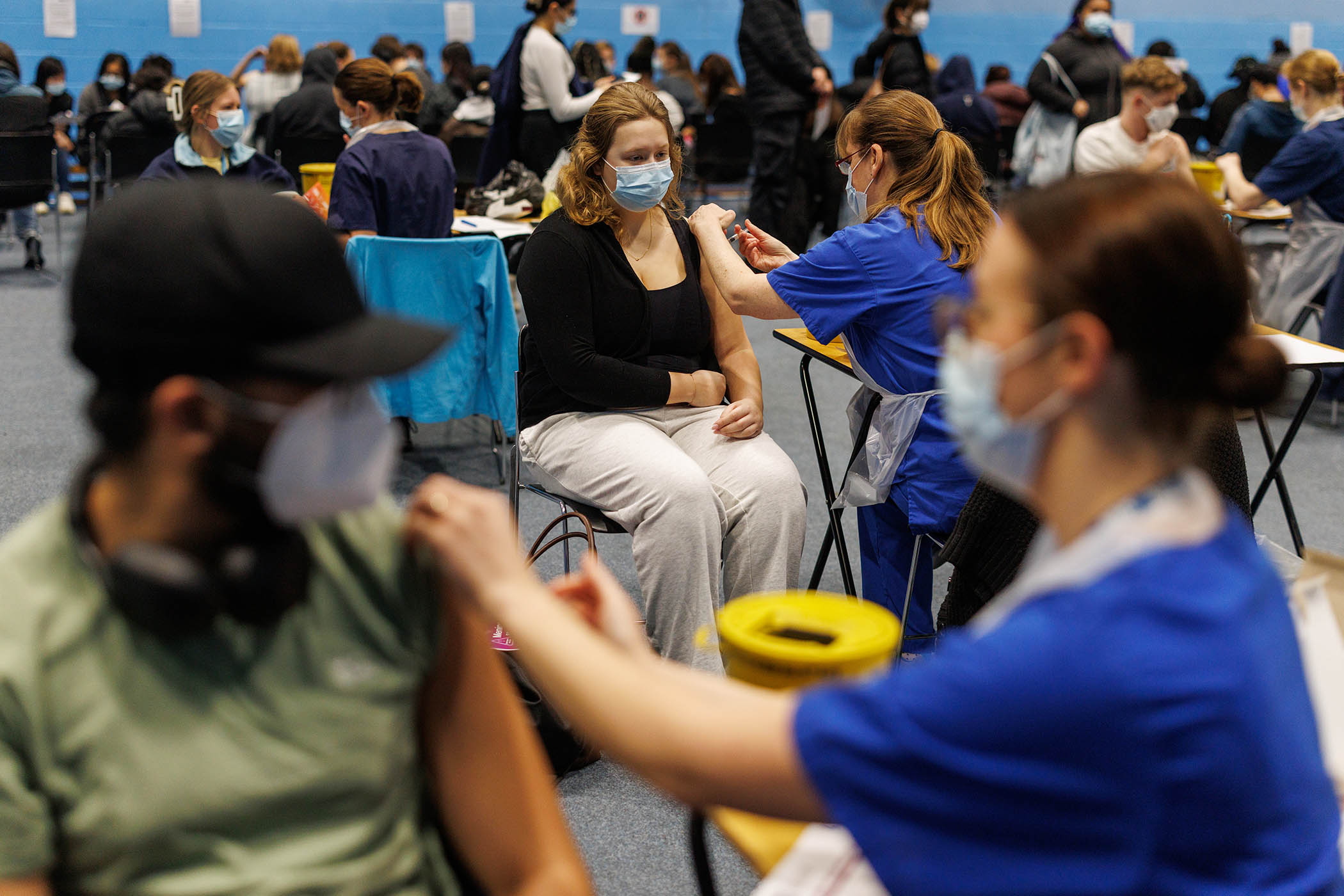

They were back again in Ashford this morning – 700 young people queuing in the brisk Kent sunshine, waiting for the ad hoc vaccine hub to open its doors at 9am. Yesterday evening more than 100 students were turned away because so many people had turned up to get a meningitis vaccine. People want jabs.
If Juliette Kenny had been vaccinated, would she still be with her family, waiting for her A-level results? Her father Michael believes so. This morning he spoke about their family’s “immeasurable loss”: the sixth-former at Queen Elizabeth’s Grammar School in Faversham is one of two students who died after contracting bacterial meningitis at the Club Chemistry nightclub in Canterbury.
“No family should experience this pain and tragedy,” Kenny said. “This can be avoided. Juliette’s impact on this world must be lasting change. Now is the time to ensure families are safe from the impact of meningitis B.”
What haunts parents about meningitis is its devastating speed. Juliette had done the practical assessment for her PE exam on 12 March. That night, the 18-year-old started vomiting but had no other symptoms. In the morning her parents took her to an emergency drop-in. She was given antibiotics then taken to A&E. Juliette died less than 12 hours later, leaving her family mourning the loss of her “beautifully positive energy” and how she “spread fun, love and happiness to those around her”.
News of the outbreak has sent fear snaking through families around the UK. As of this morning, 29 people have needed hospital treatment for confirmed or suspected meningitis following the outbreak at Club Chemistry, according to the UK Health Security Agency (UKHSA). In Kent, anyone who was at the 1,600-capacity club between 5 March and 15 March, or who goes to school or university with anyone who was there at that time, has been able to get preventative antibiotics, and now a vaccination against meningitis B. So far, 9,840 have had antibiotics and 2,360 vaccines have been delivered.
The first question people elsewhere are asking is whether or not the disease has spread. Alarm bells rang yesterday at news that a student at a London film animation school, Escape Studios, had contracted the disease, and also word that pupils at four Kent schools were affected.
We still can’t be sure if it has spread, according to Dr Anjan Ghosh, director of public health at Kent county council. “But these cases all relate more or less to that same period of time when the initial exposure happened,” he said yesterday. In other words, it seems there has not yet been a secondary infection.
The second question people are asking is how they or their children can get a vaccine. This is the issue that Michael Kenny and the Meningitis Research Foundation (MRF) believe is urgent. Since 2015, toddlers have been given vaccines against meningitis B and 13 to 14-year-olds get one against other strains (A, C, W and Y). It’s been a success story – a 70% to 90% reduction in cases for some strains.
But most people aged 12 or over have not been vaccinated against meningitis B – roughly 4.8m children in England and 5.7m across the UK. Since teenagers are most at risk of meningitis B – the bacteria lurks in the nose and throat of up to a quarter of some age groups – the MRF believes they should also be able to get it on the NHS. MPs agree, and 40 have signed a letter to Wes Streeting, the health secretary, urging a rethink. Streeting has asked the Joint Committee on Vaccination and Immunisation to examine the evidence.
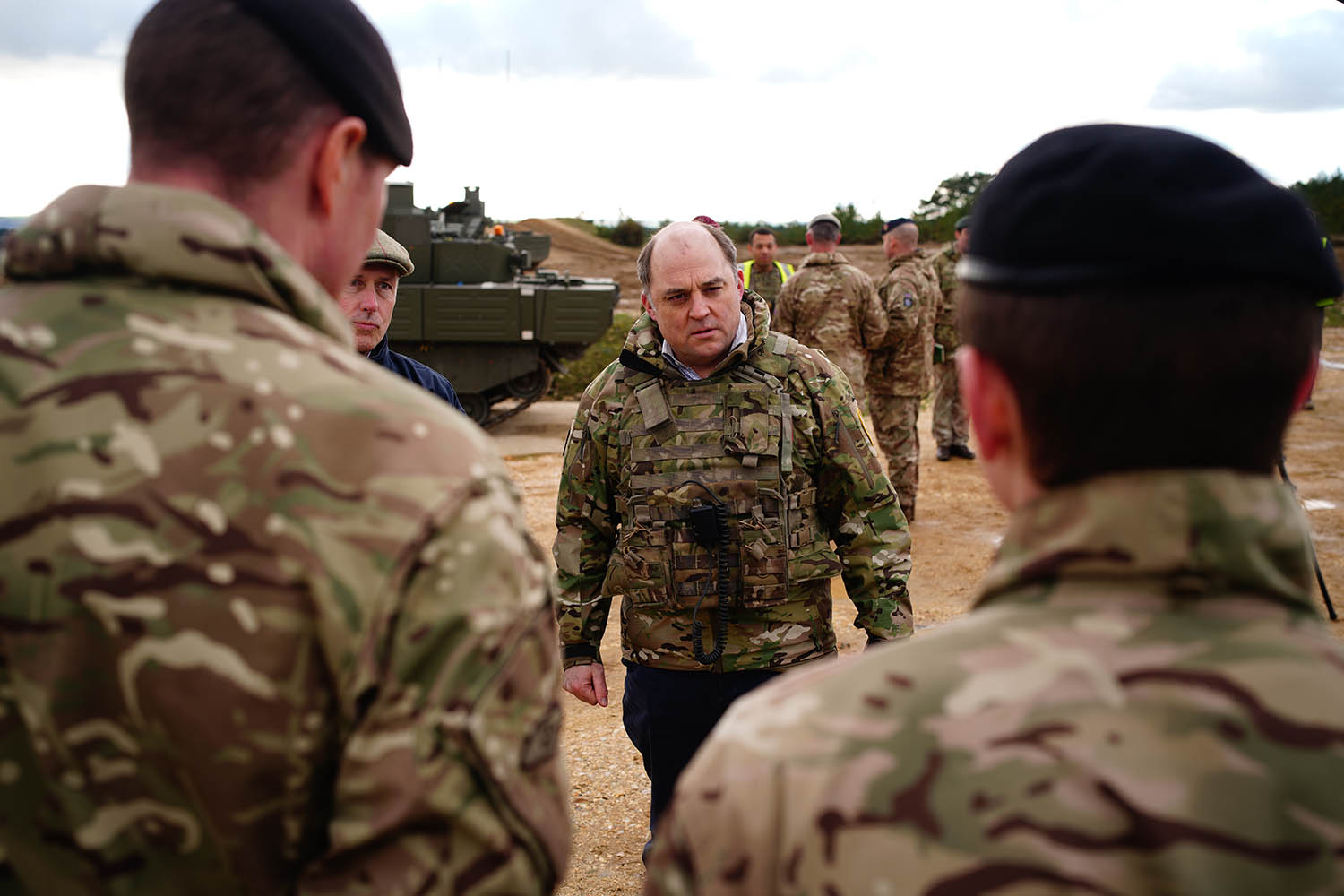
In the meantime, people want jabs. Pharmacies say they have been inundated with requests – a snapshot poll by the National Pharmacy Association (NPA) found that 87% had seen a spike in demand – and Streeting has authorised the NHS to release 20,000 doses from its stockpile to the private sector.
Newsletters
Choose the newsletters you want to receive
View more
For information about how The Observer protects your data, read our Privacy Policy
Yet demand is still “far exceeding” supply, according to the NPA. Usually about 550,000 one-year-olds a year get a meningitis B vaccine, and it takes roughly 18 months to brew a batch of Bexsero, the GSK-manufactured vaccine used by the NHS, or Trumenba, the Pfizer vaccine usually available from pharmacists. Whatever the Joint Committee on Vaccination and Immunisation recommends, some people will need to wait.
In the meantime, students in Kent can join the queue. This morning in Ashford, people were there before 8am. It shuts at 5pm.
Photograph by Dan Kitwood/Getty Images